
Best Forex Trading Apps for Beginners in Nigeria
Explore top forex trading apps for beginners in Nigeria 🇳🇬. Learn to pick reliable platforms, understand key features, and trade confidently with safety tips 📱💼.
Edited By
Mia Turner
Navigating the forex market can be like trying to catch rain with a sieve if you don’t have the right tools. In Nigeria, where mobile technology has become a lifeline for many aspiring traders, choosing the right forex trading app isn’t just a matter of convenience—it can make or break your trading success.
This guide will lay out what traders should consider before downloading any trading app. We’ll look at some popular options on the market that Nigerians frequently use, break down must-have features for both newbies and seasoned traders, and discuss how risk management tools can protect your investments. Plus, if you like trading on the go, we’ll cover some practical tips to get the most out of mobile platforms.
Understanding these points can save you from headaches, unnecessary losses, and wasted time. Whether you’re just starting out or looking to up your forex game, knowing what to look for and how to leverage the apps available in Nigeria will put you on stronger footing to make smarter trading decisions.
Understanding forex trading apps is essential for anyone looking to navigate the forex market effectively in Nigeria. These apps serve as the primary tools enabling traders to buy and sell currencies on the go, which is especially valuable in a fast-moving market where timing can make or break profits. Knowing what forex trading apps offer helps traders make informed decisions about which platform fits their unique trading style and requirements.
Forex apps provide practical benefits such as real-time market data, instant order execution, and charting features that were once limited to desktop software. For example, a trader on the Lagos bus can quickly check price movements and enter trades without waiting until they get home. This immediacy impacts both the potential returns and risk management strategies.
Key considerations when looking at these apps include usability, security protocols, the availability of technical analysis tools, and broker compatibility. Since Nigeria’s internet connectivity can be spotty in some areas, apps that perform well on lower bandwidths become a practical choice. Overall, the right forex app can simplify trading tasks and open opportunities to take action without being chained to a computer.
Forex trading apps are mobile applications designed to let users engage in foreign exchange trading directly from their smartphones or tablets. Their main goal is to provide traders with access to live currency markets — allowing them to view prices, analyze market trends, and execute trades from anywhere.
Unlike simply checking exchange rates on a financial news app, forex trading apps integrate order placement with real-time charts and analysis tools. For instance, through MetaTrader 4 or cTrader on a mobile device, a trader can instantly place a buy or sell order while monitoring indicators like Moving Averages or RSI. This convenience is crucial for traders needing to react promptly to market swings.
While desktop trading platforms boast extensive features and larger displays for in-depth analysis, mobile forex apps prioritize mobility and ease of access. Their interfaces are often streamlined — focusing on core trading functions to ensure smooth performance on smaller screens.
The tradeoff is that desktop versions may provide more complex charting tools and allow multi-monitor setups for deep strategy planning. Yet, mobile apps compensate with push notifications and the ability to trade anywhere, which surprisingly boosts efficiency for day traders and those trading during Nigerian market hours.
Remember, the best choice often depends on your trading style: desktop for detailed analysis, mobile for quick moves and monitoring.
In Nigeria, mobile forex trading grew quickly because smartphone ownership soared past 50% in urban and semi-urban areas, making trading more accessible than ever. Traders no longer need desktop computers, which are less portable and require stable power and internet.
Mobile apps allow users to check price movements during their commute, at markets, or even while multitasking at home. Apps like MetaTrader 5 or FXTM’s mobile platform are designed to minimize complexity, giving even beginners a chance to trade confidently. This easy access cuts down on missed trading opportunities caused by unavailable equipment or unstable connections.
The rapid expansion of cheap data plans and affordable smartphones has been a game changer for forex trading in Nigeria. Networks like MTN and Airtel have made internet coverage more widespread, and data costs have dropped significantly in recent years.
As more Nigerians get connected, mobile forex apps have become the practical solution for real-time market participation. This trend means even traders outside major cities, for instance in Port Harcourt or Kano, can join the forex market without needing expensive desktop setups. The growing familiarity with digital tools among younger traders also contributes to this shift, making mobile trading apps not just a convenience, but a necessity.
In sum, the rise of mobile forex apps reshapes how Nigerians access currency markets, with benefits in speed, accessibility, and flexibility, setting the stage for deeper market engagement.
Choosing the right forex trading app can make a big difference in how smoothly you navigate the fast-moving currency markets. This is especially true for Nigerian traders who often rely on mobile devices to trade on-the-go. Focusing on key features helps ensure that the app you pick isn't just flashy, but genuinely useful and reliable. Important features not only help you analyze the markets effectively but also keep your trades safe and timely.
Having an app that’s easy to use is like having a well-organized desk—everything you need is within arm’s reach, and nothing is buried under piles of clutter. Simplicity in design means traders can quickly open positions or close deals without hunting for buttons or getting overwhelmed. For example, apps like MetaTrader 4 present a clean interface where both beginners and pros can navigate charts and orders easily.
But it’s not just about being simple. Customizability allows savvy traders to tailor the workspace to their style. Whether it’s changing chart colors or rearranging toolbars, personalization helps maintain focus and speeds up decision-making. cTrader stands out here, with options to add or remove panels and set up custom watchlists, helping traders stay sharp.
Charts are the bread and butter of forex trading, showing price movements that guide your choices. Different types of charts, like candlestick, line, or bar charts, offer varied ways to spot trends or reversals. Since Nigerian traders increasingly watch markets during downtime or while commuting, having multiple chart options on your app means you can adapt your analysis wherever you are.
Alongside charts, indicators and drawing tools are essentials. Oscillators like RSI or MACD reveal momentum or overbought conditions, while drawing tools let you mark support or resistance levels visually. Using an app with a wide range of these features, say MetaTrader 5, makes it easier to perform thorough technical analysis without switching platforms.
Knowing what kind of orders your app supports is crucial. Market and pending orders offer flexibility; market orders execute right away at current prices, while pending orders let you set target entry or exit points in the future. This can be handy when you aren’t glued to your phone but want to catch a specific price level.
Slippage and latency speak to the speed and reliability of order execution. Slippage occurs when your trade doesn't fill at the requested price, often hurting profits. Low latency means less lag between your taps and the trade firing off. Nigerian traders dealing with volatile currencies should eye apps that minimize slippage and respond lightning-fast to market moves, since delays can cost real money.
Trading on mobile apps includes handling sensitive info—think account credentials, bank details, and trade data. Data encryption works like a digital lock, scrabbling info so hackers can't read it even if intercepted. Always choose apps that explicitly mention encryption standards to protect your info.
Another must-have is two-factor authentication (2FA). This adds an extra checkpoint beyond just your password, like a text code or an authenticator app prompt. It’s a simple step that dramatically lowers the risk of unauthorized access to your account. For example, IG’s trading app uses 2FA to keep Nigerian users’ accounts shielded from breaches.
When picking a forex trading app in Nigeria, don’t get dazzled by surface features. Look closely at what helps you trade smarter, faster, and safer. Starting with a solid foundation in these key features sets the stage for a better trading experience.
When it comes to forex trading, the choice of app can make or break your trading experience. In Nigeria, where mobile trading is booming thanks to increased smartphone usage and improving internet access, picking a popular and reliable app is more than just a matter of convenience—it’s a strategic choice. Popular forex trading apps in Nigeria typically offer a balance of powerful features, ease of use, and trustworthy broker support, all of which are crucial for traders navigating the fast-moving forex market.
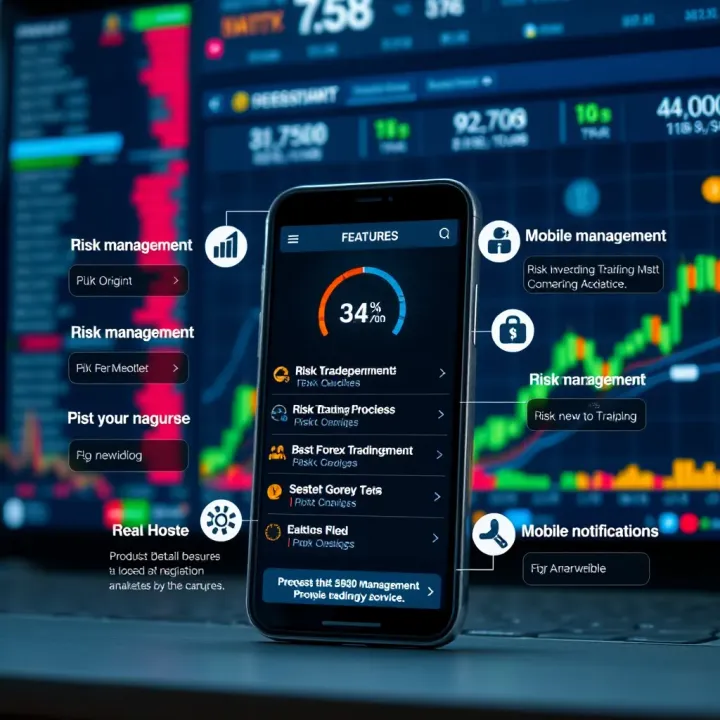
These apps have earned their spot because they accommodate both beginners and seasoned traders, providing user-friendly interfaces along with advanced analytical tools. Plus, local support or compatibility with brokers serving Nigerian traders can make deposits, withdrawals, and compliance checks much smoother. For example, many Nigerian traders swear by MetaTrader’s platforms due to their extensive broker compatibility and feature-rich environment.
MetaTrader 4 (MT4) and MetaTrader 5 (MT5) remain the heavyweights in forex trading apps globally and particularly popular in Nigeria. MT4 is known for its simplicity and reliability. It provides real-time quotes, advanced charting, automated trading through expert advisors (EAs), and supports multiple order types. MT5 expands on this by offering more timeframes, additional order types, and integrated economic calendars—great for traders who want more detailed data at their fingertips.
One practical benefit is that these apps support automated trades, meaning you can program your own strategies or use ready-made ones. This can be especially handy for Nigerian traders juggling trading with everyday commitments. Both apps also allow demo accounts, so users can practice without risking real money, an essential feature when starting out.
These platforms are embraced by a vast number of brokers worldwide, including those licensed to operate in Nigeria. This broad compatibility means traders can pick brokers that match their needs for spreads, leverage, or asset availability without being locked into one app. In practice, apps like MT4 and MT5 are compatible with popular Nigerian brokers such as FXTM Nigeria and HotForex, which offer localised customer service and payment options.
Moreover, both MetaTrader platforms work smoothly across Android and iOS devices, ensuring broad accessibility. This tech flexibility means no matter your phone model, these apps should perform well, keeping you connected to the market even on the go.
cTrader stands out for its intuitive and modern user interface that appeals to traders who want something sleek yet functional. It's designed with simplicity in mind but without sacrificing powerful features. Nigerian traders often praise it for easy navigation and quick access to order management, which can make a big difference when reacting to market changes.
Unlike more cluttered platforms, cTrader’s layout keeps dozens of tools cleanly accessible without overwhelming the screen—perfect for trading on smaller mobile displays.
For the more experienced trader, cTrader offers advanced features like Level II pricing, useful for seeing market depth, and algorithmic trading support through cAlgo. There’s also an impressive variety of charting tools and technical indicators, which allows for detailed market analysis directly within the app.
The platform supports one-click trading, which speeds up order placement and can reduce slippage in volatile markets. This feature is crucial for Nigerian traders who often deal with local market timings or want to act fast during major economic releases.
While MetaTrader apps dominate, other platforms are carving out space in Nigeria. For instance, TradingView offers superb charting with social trading features, which lets traders learn from peers and share strategies. While primarily web-based, its app version is gaining traction among Nigerian traders seeking detailed technical analysis.
Another noteworthy app is ThinkTrader, praised for its advanced features and user-friendly interface. These alternatives provide more choices, especially for those not fully satisfied with MetaTrader’s layout or want a more integrated social experience.
Many brokers in Nigeria offer their own apps designed to provide seamless trading plus direct customer support and tailored features. For example, FXTM’s app integrates account management with trading functions, simplifying deposits, withdrawals, and educational resources in one place.
Broker-specific apps often include unique tools like local payment gateways (e.g., Paystack) and customer support via WhatsApp or live chat, offering a more Nigerian-centric experience. However, limitations might arise if the app lacks advanced functionalities compared to dedicated platforms like MT5 or cTrader, so weigh the trade-offs accordingly.
Choosing popular forex trading apps with strong broker support and suitable features not only improves trading efficiency but can also enhance security and compliance, which is essential for traders in Nigeria.
Navigating the forex market on your mobile requires more than just picking the right app—you need to know how to use it to your advantage. Using forex trading apps effectively means understanding everything from account setup to managing risks and maintaining a solid trading routine. For Nigerian traders, this can translate into smoother trades, better control of funds, and a clearer grasp of market movements anytime, anywhere.
The first step to getting your forex game on is registering with a reliable broker app. This process generally involves submitting some form of ID, like a Nigerian national ID or passport, and proof of residence. Verification is more than a formality; it’s a crucial security step to protect your account from fraud or unauthorized access. Skipping or rushing this can land you in hot water, so always double-check the app’s verification requirements.
Most Nigerian brokers and apps such as FXTM or HotForex have streamlined their onboarding to be mobile-friendly, often allowing you to snap pictures of documents straight from your phone. This ease of use means you can get trading faster but never compromise on verifying your details thoroughly.
Once your account is set, feeding it with real money is next, and this step deserves careful thought. Nigerian traders often have a variety of options including bank transfers, debit cards, and e-wallets like Paystack or Flutterwave—all popular tools here. Some apps may even support Naira funding directly, which helps skirt exchange rate conversions.
Be mindful of fees and processing times. For instance, bank transfers might take longer but come with lower costs, while card payments are usually instant but can carry higher fees. Additionally, some brokers allow funding via USSD codes, a handy option in areas with spotty internet.
Risk management isn't a luxury; it's a must-have habit, especially in forex trading where things can flip quickly. Mobile apps often let you set stop-loss orders—think of this like your safety net that cuts losses when the market doesn’t go your way. Similarly, take-profit orders secure gains once your target price hits.
For example, if you buy EUR/USD at 1.2000, setting a stop-loss at 1.1950 means you limit your potential loss to 50 pips. Setting a take-profit at 1.2100 locks in profit when the price rises but prevents you from getting greedy and watching profits evaporate.
The forex market waits for no one, so you need those real-time alerts to stay ahead. Most trading apps allow you to set price and news alerts, so your phone buzzes right when your favourite pairs hit important levels or when there’s market-moving news.
This can be a lifesaver in Nigeria’s fast-moving trading environment, where a delay of even a few minutes can mean missed opportunities. Think of alerts as your personalized trading assistant, constantly keeping tabs while you’re on the go.
Timing can be everything in forex. Nigerian traders should focus on market hours that overlap with the major forex centers such as London and New York—roughly 3 pm to 11 pm WAT (West African Time). These hours usually have the most liquidity and volatility, creating better trading setups.
Avoid low activity periods like weekends or holidays when the market can behave erratically. Apps like MetaTrader 4 even show you live session times, so use that to plan your trading day around busy market moments.
Nothing sinks a trading account faster than emotional choices. Using a mobile app makes it easy to act on impulse since your phone is always within arm’s reach. To combat this, set clear entry and exit rules beforehand and use app features like limit orders to automate trades.
Taking a break when you hit a losing streak or setting daily loss limits can help keep emotions in check. For example, if you lose 2% of your account balance in a day, pause trading to clear your head. Many apps allow you to set these limits ahead of time.
Consistency beats occasional luck. Use your trading app not just for placing orders but as a tool to build discipline and a steady trading routine.
By mastering account setup, risk tools, and forming daily habits, Nigerian traders can use forex trading apps not just as a convenience, but as a real weapon in their trading arsenal. Keep these points in mind and you’ll improve not only your performance but also your confidence in the forex market.
Trading forex on your mobile device comes with a mix of convenience and certain hiccups. It's easy to get drawn by the promise of trading anywhere and anytime, but mobile platforms also bring specific challenges that, if not addressed, can cost you money or stress. For Nigerian traders, understanding these hurdles and knowing how to handle them is vital for a smoother trading experience. Let's unpack some of the main issues you might face and practical ways to tackle them.
One of the biggest headaches when trading on mobile is staying connected to the internet. Nigeria’s network can be patchy, especially once you get outside major cities.
Offline mode options offer a handy solution here. Some forex apps allow you to view charts and review past trades without an active connection. Although you can't place new trades offline, having access to historical data helps you prepare and decide your next moves even when your connection dips. Apps like MetaTrader 4 have caching features you can leverage for this purpose.
Efficient data management is equally crucial. Since forex trading apps can be data-hungry, especially with real-time charts, you want to minimize unnecessary data use. Turning off auto-refresh on charts when not needed and disabling background app data can help. Also, choosing broker apps optimized for lower bandwidth is smart if your internet is slow or expensive. Keeping these habits tight ensures you don’t burn through your mobile data allowance before the day is out.
A smartphone screen just can’t compete with a full desktop monitor when it comes to squishing in all the charts, indicators, and tabs. This limitation can make it tricky to spot patterns or manage multiple trades.
To maximize screen space, learn to customize your app layout. Many trading apps let you hide less used panels, zoom in on charts, or switch to full-screen mode. This keeps your most important info front and center without clutter. For instance, using the MetaTrader 5 app, you can easily toggle between one chart view and multiple chart views, selecting the compact mode to focus on key data.
Using external devices such as Bluetooth keyboards or portable monitors can be a game changer. Connecting your phone to a larger screen or using a small, foldable keyboard for faster order entry makes managing trades less of a squeeze. Traders in Lagos and Abuja have mentioned pairing tablets with foldable keyboards, blending portability with better control.
Mobile devices, by nature, can be more vulnerable to security threats, especially when handling financial transactions like forex trading.
When it comes to safe app downloads, always stick to official sources like Google Play Store or Apple’s App Store. Avoid third-party APKs or unverified websites, even if they promise extra features or bonuses. Cybercriminals frequently exploit fake apps to steal login credentials or install malware.
Keeping your trading app secure also means regular updates and patches. Developers regularly release updates to fix security holes or improve performance. Ignoring these can leave you exposed to attacks. Set your phone to update apps automatically or check frequently for new versions. It's like locking your door every night—simple but necessary.
Staying proactive about connectivity, screen use, and security is as important as picking the right forex app. Incorporating these steps into your routine preserves your trading capital and peace of mind.
When you're stepping into forex trading in Nigeria using mobile apps, knowing the legal and compliance landscape isn't just a good idea—it’s a must. The forex market can be a bit like the Wild West without proper regulation. That’s why understanding who oversees forex activities and how to spot trustworthy brokers helps traders avoid costly pitfalls.
The Central Bank of Nigeria (CBN) plays a big part in keeping the forex market on the straight and narrow. It functions as the main watchdog, ensuring brokers operating in Nigeria comply with rules meant to protect investors. For example, the CBN enforces licensing procedures that every forex broker must follow. This limits the chance of running into fly-by-night operators who might disappear with your money.
Additionally, the CBN monitors currency controls to prevent illegal forex activities that could destabilize the economy. Traders should always check that their chosen brokers are in good standing with the CBN to maintain transparency and fairness. It’s the difference between trading with confidence and gambling blindly.
Having a license is more than just paperwork—it signals legitimacy. Licensed brokers have met certain minimum standards set by regulators related to financial health, ethical conduct, and operational practices. This means your funds are better protected, and dispute resolution channels exist if things go south.
Practical tip: Before downloading any forex trading app or opening an account, verify the broker’s license status. Unlicensed brokers expose you to unnecessary risks like data theft or withdrawal issues. Think of licensing as a safety net: it won’t stop all problems, but it certainly cuts down the chances of getting burned.
Unfortunately, the forex market attracts its fair share of scammers, especially in mobile apps that promise outrageous returns or pressure you to invest quickly. Some common warning signs include apps that:
Display no verifiable contact information or physical address
Offer returns far above market norms with little or no risk
Demand unusually large deposits upfront or discourage withdrawals
Lack user reviews or have overwhelmingly negative feedback
Spotting these red flags early helps traders dodge bad actors. Trust your gut—if something feels off, it probably is.
Before trusting any forex app, do your homework. Reliable sources like the Nigerian Securities and Exchange Commission (SEC) or the Central Bank of Nigeria publish lists of registered brokers and warnings about fraudulent operators. Also, check well-known forex forums such as Forex Factory or Myfxbook where traders often share real experiences.
Moreover, verify apps on official marketplaces like Google Play Store or Apple App Store rather than downloading from third-party sites. These platforms provide basic vetting and user ratings that can hint at the app’s trustworthiness.
Always remember, a little extra caution before you commit can save you from headaches down the line. In forex trading, knowledge and vigilance about compliance and legal matters aren't just a bonus—they're part of your best defense.
Explore top forex trading apps for beginners in Nigeria 🇳🇬. Learn to pick reliable platforms, understand key features, and trade confidently with safety tips 📱💼.
Explore the best trading apps in Nigeria 📱 for stocks, forex, and crypto. Get tips on choosing reliable platforms and earning money safely as a beginner.
Discover the best forex trading apps in Nigeria 🇳🇬, detailed features, costs, usability, and top tips for safe and profitable mobile trading 📱💹.
Discover the best forex trading apps in Nigeria 📱, with key features, ease of use, and regulation tips to help traders make smart choices in the forex market 💹.
Based on 7 reviews