
Forex Trading Explained: Practical Guide for Nigerians
Learn forex trading in Nigeria with practical examples 🇳🇬. Understand currency pairs, calculate ₦ profits & losses, master strategies, and manage risks on local platforms 📈.
Edited By
Daniel Hughes
Forex trading offers a way for Nigerians to tap into the global currency market, potentially turning small capital into sizeable profits. But before you start, understanding the basics and how the market operates is crucial. This guide breaks down forex trading into clear steps, helping you grasp key concepts and practical trading methods.
Simply put, forex trading is the buying and selling of currencies to make a profit. Currencies are traded in pairs—like USD/NGN (US Dollar against Nigerian Naira). The difference between the buying and selling price is your gain or loss.
In Nigeria, forex trading is mainly accessed through online platforms (brokers and apps) that connect traders to the global market. Traders speculate on currency price movements caused by economic events, geopolitical news, and market sentiment.
Accessibility: You can start with as little as ₦10,000 on some platforms.
24-hour Market: The forex market never sleeps. Though liquidity varies, you can trade at any time suitable for your schedule.
Diverse Strategies: From day trading to swing trading, you can pick styles that fit your lifestyle and risk appetite.
Pip: The smallest price move a currency pair can make. Usually, one pip equals 0.0001 USD in most pairs.
Leverage: Borrowed funds from brokers to increase your market exposure. While tempting in Nigeria where capital can be low, it doubles both potential risk and return.
Spread: The difference between buying (ask) and selling (bid) prices. Lower spreads mean cost-effective trading.
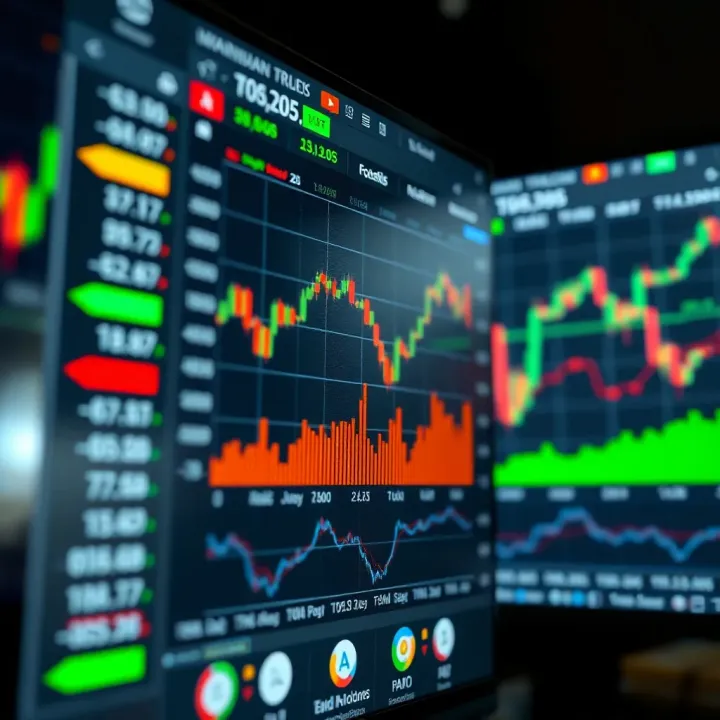
Most Nigerian traders use platforms like MetaTrader 4 (MT4), MetaTrader 5 (MT5), or local apps such as OPay’s trading interface. These software allow you to monitor charts, place orders, and manage your trades. Spend time exploring these tools using demo accounts before risking real money.
Remember, forex trading is not a get-rich-quick scheme. It takes discipline, a sound plan, and solid knowledge — qualities that will pay off in the long run.
By understanding these fundamentals, you launch your trading journey in a confident way. The next parts will explore trading strategies, risk management, and practical tips tailored for Nigerian traders.
Before diving into forex trading, it's essential to grasp its basic workings. This foundation helps you make informed choices and avoid common mistakes. The foreign exchange market, known simply as forex, is where currencies are bought and sold. It's the largest financial market globally, with daily trading volume exceeding $6 trillion. In Nigeria, forex trading gives access to global currencies, letting traders respond to international economic shifts affecting the naira.
Forex trading operates through currency pairs. You buy one currency while selling another simultaneously. For example, trading the USD/NGN pair means exchanging US dollars for Nigerian naira or vice versa. The value moves depending on market supply, demand, and factors like interest rates or geopolitical events. Knowing how these dynamics work equips you to anticipate price changes and plan your trades better.
Major currency pairs consist of the world's strongest economies, such as USD/EUR, USD/JPY, and GBP/USD. These pairs have high liquidity and narrow spreads, making them cost-effective for traders. In Nigeria, pairs involving the naira (like USD/NGN) attract attention because they directly affect importers, exporters, and investors. Understanding quotes — the bid (buy) and ask (sell) prices — allows you to enter and exit trades efficiently at the best possible rates.
Forex plays a vital role in Nigeria’s trade ecosystem, especially imports and exports. Importers need foreign currency to pay for goods like electronics, vehicles, and fuel. Exporters, on the other hand, receive foreign currency from sales abroad, which they convert back into naira. How easily you can access forex affects pricing and availability of products. For example, when forex supply tightens, imported goods tend to become pricier, driving inflation.
Naira exchange rate dynamics are frequently influenced by Central Bank of Nigeria (CBN) policies, global oil prices, and market sentiment. The naira often experiences volatility due to external factors or domestic monetary moves like changes in interest rates. For traders, understanding these patterns helps in timing entry and exit points or hedging against adverse moves.
Forex fluctuations impact both businesses and individuals. A manufacturer relying on imported raw materials might face higher costs during naira depreciation, which could force price hikes for consumers. Meanwhile, forex traders and investors can profit by speculating on these movements. Also, remittance flows from Nigerians abroad depend heavily on exchange rates, affecting household incomes and spending power. Grasping these effects strengthens your ability to react wisely whether you’re trading or running a business.
Understanding forex basics is not just academic; it's practical. Knowing how the market works, recognising key currency pairs, and appreciating the naira’s place in this system give Nigerian traders an edge. It positions you to navigate the forex space with clarity, avoiding unnecessary risks and spotting real opportunities.
Starting forex trading can seem overwhelming, especially without proper guidance. A well-crafted PDF tutorial offers a clear roadmap that Nigerian traders can follow at their own pace. This format is practical for learners who may not have consistent internet access or prefer offline study. It breaks down complex concepts into digestible sections, making it easier to understand fundamental and technical aspects before risking real money.
When selecting a forex tutorial PDF, look for materials that explain terms in simple language and include practical examples relevant to the Nigerian market. For instance, tutorials that mention how naira pairs are affected by Central Bank policies or local economic events bring contextual clarity. Avoid overly generic guides that focus only on international markets without considering Nigerian trading realities.
One way to gauge a tutorial’s quality is by checking how recent the content is. Forex markets evolve fast; materials last updated several years ago might miss important developments like changes in trading platforms or regulations by the Nigerian Securities and Exchange Commission (SEC). Tutorials that receive regular updates tend to stay relevant and offer traders the latest insights.
Quality Nigerian forex resources often come from credible sources such as respected Nigerian traders, financial educators, or brokerages licensed by the SEC. Platforms like the Nigerian Forex Traders Association or established brokerage websites sometimes share free downloadable PDFs. Also, some fintech startups in Nigeria provide tutorials tailored to local users, making them more practical compared to global generic PDFs.
Choosing a trustworthy forex broker is vital to safeguarding your funds. Given the growing interest in Nigeria's forex market, scams have become more frequent. Opt for brokers registered with the Nigerian SEC or those with positive reviews from fellow Nigerian traders. Examples include internationally recognised brokers with Nigerian affiliate offices or local players certified by SEC.
Account types vary, often ranging from standard to micro or demo accounts. Micro accounts allow beginners to start trading with deposits as low as ₦20,000, helping you learn without exposing yourself to heavy losses. Selecting the right account type depends on your budget and experience; some brokers require minimum deposits of ₦50,000 or more, which might be steep for newcomers.
Completing KYC (Know Your Customer) is mandatory for all account holders. Nigerian brokers require valid means of identification such as National Identification Number (NIN) and proof of address to comply with anti-money laundering laws. While this step can feel tedious, it ensures your account is secure and enables smooth deposits and withdrawals without delays during earnings or losses.
Taking the time to find credible learning materials and properly setting up your trading account lays a strong foundation that reduces risks and prepares you for steady growth in forex trading.
Understanding core forex trading strategies is vital for any Nigerian trader aiming to succeed in the volatile foreign exchange market. These strategies provide a structured approach to analysing market movements, helping reduce guesswork and improve decision-making. In this section, we'll cover key concepts from fundamental and technical analysis, explaining how they apply in the Nigerian trading environment.
Key economic indicators to watch: Nigerian traders must keep an eye on economic indicators like inflation rates, GDP growth, unemployment figures, and trade balances. For instance, when Nigeria’s inflation spikes, the Central Bank of Nigeria (CBN) often adjusts interest rates to control it. Higher rates generally strengthen the naira against other currencies, influencing forex trades. Tracking these numbers helps traders anticipate shifts before they fully reflect in market prices.
Central Bank of Nigeria (CBN) policies: CBN policies significantly affect forex markets. Decisions regarding monetary policy rate (MPR), foreign exchange interventions, and exchange rate management impact naira liquidity and value. For example, during periods of naira scarcity, the CBN might limit FX sales or adjust official rates, causing volatility. Understanding these policy moves allows traders to position themselves advantageously ahead of market reactions.
News events that affect the forex market: Political developments, election results, and announcements of major infrastructure projects in Nigeria can sway forex markets. News on oil production cuts by the Nigerian National Petroleum Company Limited (NNPCL) also influences naira strength given oil’s weight in national revenue. Traders should monitor Nigerian and global news closely, reacting quickly to unexpected events that can cause rapid price swings.
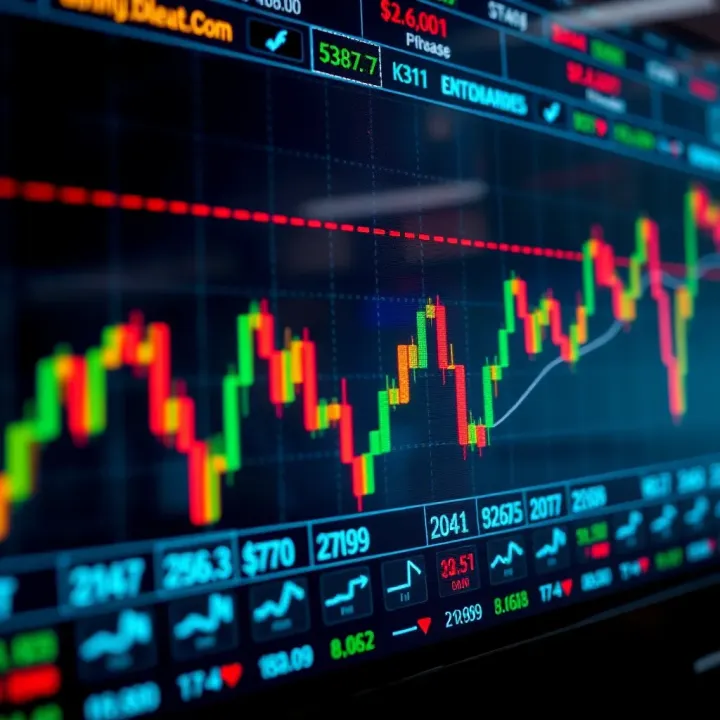
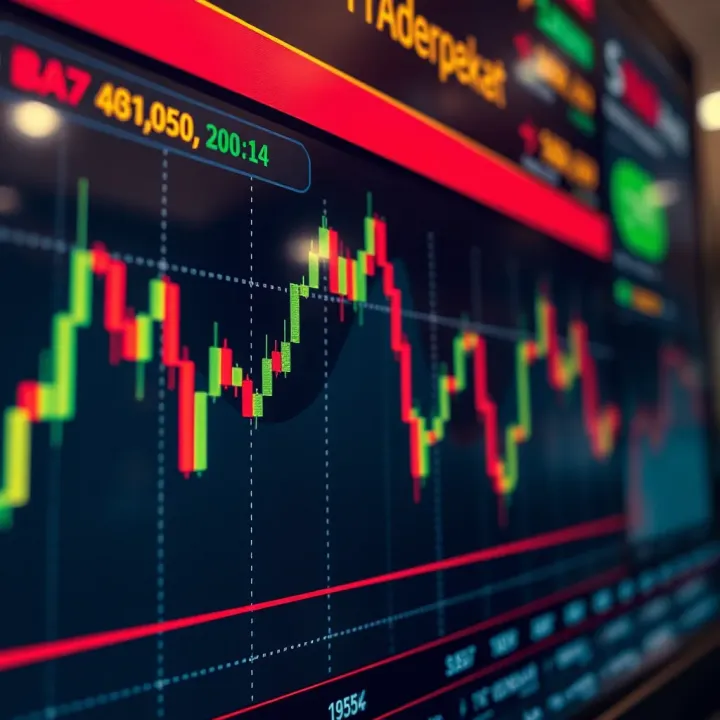
Understanding candlestick patterns: Candlestick charts visualise price movements over time and reveal trader sentiment. Popular patterns like hammer, doji, and engulfing candles indicate potential trend reversals or continuations. For example, a hammer after a price drop might suggest an upcoming bullish turnaround. Nigerian traders benefit by combining these patterns with local market timing to decide when to enter or exit trades.
Using support and resistance levels: These levels mark price points where currency pairs tend to pause or reverse. Support is a price floor preventing further declines, resistance is a ceiling blocking rises. Knowing these helps traders set profit targets or stop losses. For example, if the USD/NGN rate struggles repeatedly around ₦480, that acts as resistance where sellers might step in.
Popular technical indicators for traders: Indicators like Moving Averages (MA), Relative Strength Index (RSI), and Bollinger Bands smooth out price data to signal trends or overbought/oversold conditions. For instance, if RSI for EUR/USD crosses below 30, it may hint the pair is oversold and due for a bounce. Using such tools alongside Nigerian market factors can improve timing and risk management.
Core strategies blend analysis styles, making trading informed rather than guesswork. Staying updated on CBN decisions, economic reports, and mastering chart reading helps Nigerian traders sharpen their edge and protect capital effectively.
Risk management and trading psychology often go hand in hand in forex trading. For Nigerian traders, where market volatility and naira fluctuations are common, knowing how to protect capital and manage emotions is key to surviving and thriving. Without solid risk controls and mental discipline, even the best strategies can crumble, turning potential profits into losses.
Setting stop-loss and take-profit points helps capping potential losses and locks in gains automatically. For example, if you buy the USD/NGN pair at ₦460 and set a stop-loss at ₦455, your trade will close if the price falls that low, limiting your loss. Simultaneously, placing a take-profit at ₦470 ensures you exit with a profit if the market moves in your favour. This approach prevents emotional decisions during market swings and enforces discipline.
Determining position sizes means deciding how much of your capital to risk on each trade. Suppose you have ₦100,000 in your trading account and you decide to risk 2% per trade; your position size won't exceed ₦2,000 worth of potential loss. This stops any single trade from wiping out too much capital. Choosing the right size adjusts risk exposure according to your total funds, which is vital for long-term survival given the naira’s occasional instability.
Avoiding overtrading and emotional decisions is about resisting the urge to trade recklessly after losses or wins. Emotional trading often leads to chasing losses or doubling down irresponsibly. For example, a trader frustrated by consecutive losses might increase stakes in a desperate attempt to recover quickly, which usually worsens losses. Maintaining a trading plan and taking breaks during volatility dips helps keep emotions in check and prevents rash moves.
Discipline and patience in trading separate consistent winners from impulsive gamblers. Disciplined traders follow their strategy strictly, such as waiting for clear signals before entering a trade, rather than jumping in out of excitement. Patience means accepting that not every day will produce opportunities; sometimes the best trade is no trade at all. This attitude helps Nigerian traders avoid instability often caused by reacting too fast to market noise.
Handling losses without panic is crucial since losses are part of every trader’s life. A seasoned trader accepts losses calmly and analyses them objectively to improve. For instance, after a failed trade, instead of panicking or blaming external factors like naira depreciation, they review what went wrong and adjust accordingly. This mindset keeps traders from emotional whipsaws that drain accounts.
Building consistent trading habits means setting routines that reinforce good practices daily. Keeping a trading journal to record reasons for trades, outcomes, and lessons learned anchors progress. Over time, this habit shapes a more analytical and less impulsive trader. Nigerian traders who regularly review performance and adapt their strategies based on real data tend to develop a reliable edge.
Wise forex trading combines clear risk controls and solid mental strength. Without both, even the best market insights won’t save capital or deliver steady profits.
By mastering these risk management tools and cultivating the right psychological traits, Nigerian traders can reduce losses, stay focused amidst market swings, and build a sustainable trading career.
Mastering forex trading goes beyond understanding market basics; using the right trading platforms and tools effectively is essential for real success. Nigerian traders benefit greatly when they know how to navigate software designed to execute trades swiftly and reliably. These tools offer real-time data, charting options, and risk management features that empower informed decisions.
MetaTrader 4 (MT4) and MetaTrader 5 (MT5) remain the most popular trading platforms worldwide, including Nigeria. MT4 is famous for its user-friendly interface and excellent charting capabilities, perfect for beginners and intermediates. It supports Expert Advisors (EAs), which automate trading strategies. On the other hand, MT5 extends functionality with more indicators, timeframes, and supports stocks and futures alongside forex. Traders can backtest strategies more efficiently on MT5, a valuable feature when refining trading plans.
For Nigerian traders, these platforms optimise execution speeds crucial amid volatile naira exchange rates. MT4 and MT5 apps also support integration with local brokers, allowing easy funding and withdrawals.
Smartphones have become the go-to for Nigerians, making mobile trading apps indispensable. Both MT4 and MT5 offer mobile versions compatible with Android and iOS, enabling trading anywhere—from Lagos traffic jams to markets in Kano. These apps maintain core functionalities like live charts, order management, and alerts, ensuring traders never miss market moves.
Mobile apps are particularly useful given Nigeria’s irregular power supply and constant movement during business days. They allow quick position adjustments on the go without needing desktop access.
Smooth deposit and withdrawal options are fundamental for practical trading. Modern trading platforms offer integration with Nigerian payment systems such as bank transfers, USSD codes, and payment providers like Paystack and Flutterwave. This localised payment integration reduces transaction time and costs.
For example, funding your trading account directly via your bank app or using USSD codes linked with brokers speeds up the process and avoids the frustration of foreign payment delays. Withdrawal processing in naira also helps traders manage capital without expensive forex conversion fees.
Recording every trade helps build discipline and analyse what works or not. Nigerian traders should use either built-in journal features on MT4/MT5 or spreadsheets to log entries, exits, profit or loss, and reasons for entering trades. This provides a factual basis for improving strategies and spotting emotional decisions that might cost money.
Regularly reviewing performance reveals patterns—perhaps trades during the ember months perform differently. This insight improves future position sizing and risk management.
Demo accounts simulate live trading with virtual money, allowing Nigerian traders to practise without risking real funds. This helps mastering the platform interface, trying out new strategies, and understanding market behaviour under different conditions.
Many brokers provide demo accounts with real-time data. Using a demo account severally before trading live builds confidence and reduces costly mistakes driven by panic or inexperience.
Forex markets evolve constantly due to economic shifts and policy changes, so traders must keep learning. Nigerian traders gain from following financial news, forex forums, and updates from the Central Bank of Nigeria (CBN).
Furthermore, adapting strategies based on market feedback is key. For instance, if one strategy performs poorly during high naira volatility, switching to safer approaches or adjusting stop-loss levels helps preserve capital. Ongoing education and flexibility separate consistent traders from hopeful gamblers.
Using the right tools with solid techniques enables Nigerian traders to navigate forex’s ups and downs successfully. Focus on mastering platforms like MetaTrader, integrate local payments smoothly, and keep refining your trading approach for long-term growth.
Learn forex trading in Nigeria with practical examples 🇳🇬. Understand currency pairs, calculate ₦ profits & losses, master strategies, and manage risks on local platforms 📈.
Learn forex trading basics, strategies, risks, and best platforms tailored for Nigerian traders. Gain practical tips to trade confidently and securely 📈💱🇳🇬
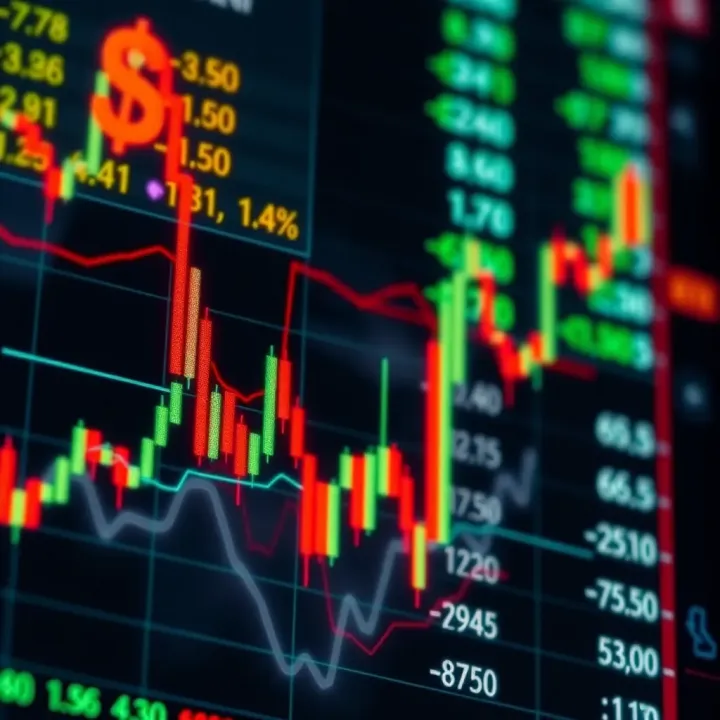
Explore forex trading in Nigeria with insights on regulations, local market, top platforms, risks & tips for beginners. Start smart today! 💹🇳🇬
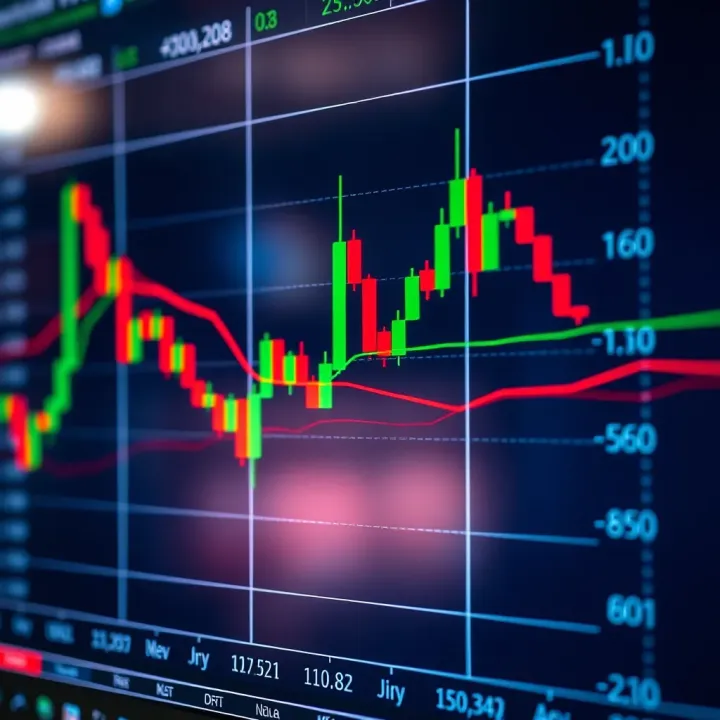
📈 Learn how forex trading charts show market moves in naira and dollars. See top types, key tools & practical tips tailored for Nigerian traders ready to up their game.
Based on 8 reviews