
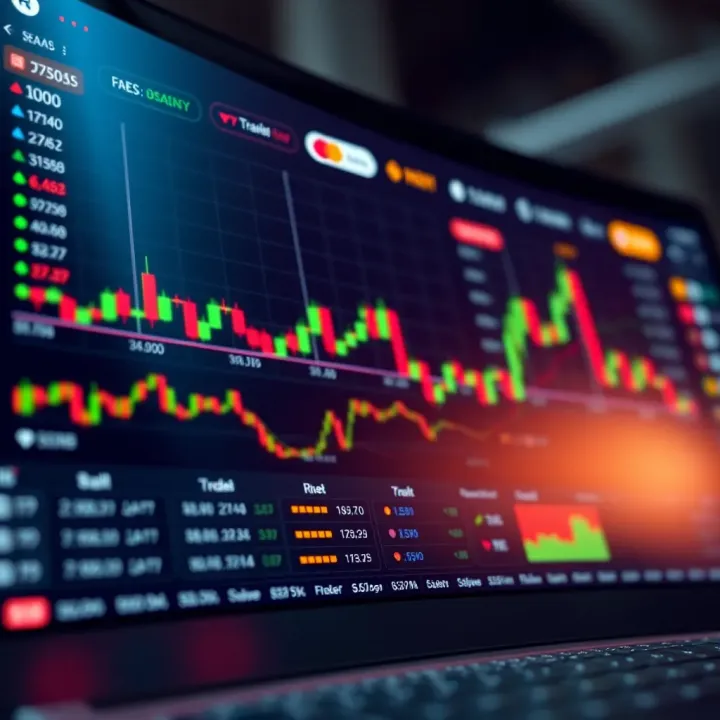
Understanding Crypto Trading Websites in Nigeria
Explore key features of crypto trading websites in Nigeria 🇳🇬, learn how to pick the right platform, and avoid common risks when trading ₦ digital assets safely 🔐.
Edited By
Amelia Wright
Crypto trading websites have become common in Nigeria, serving as vital hubs for buying, selling, and managing digital currencies like Bitcoin, Ethereum, and Ripple. These platforms connect Nigerian traders and investors with the global crypto market, often allowing transactions in naira and sometimes converting to stablecoins pegged to the dollar.
Understanding how these websites operate is key to trading successfully and safely. Unlike traditional stock exchanges, crypto platforms usually work 24/7, meaning you can trade at any hour despite local restrictions or market closures. This flexibility suits Nigerians who want freedom amid daily challenges like power outages or internet disruptions.
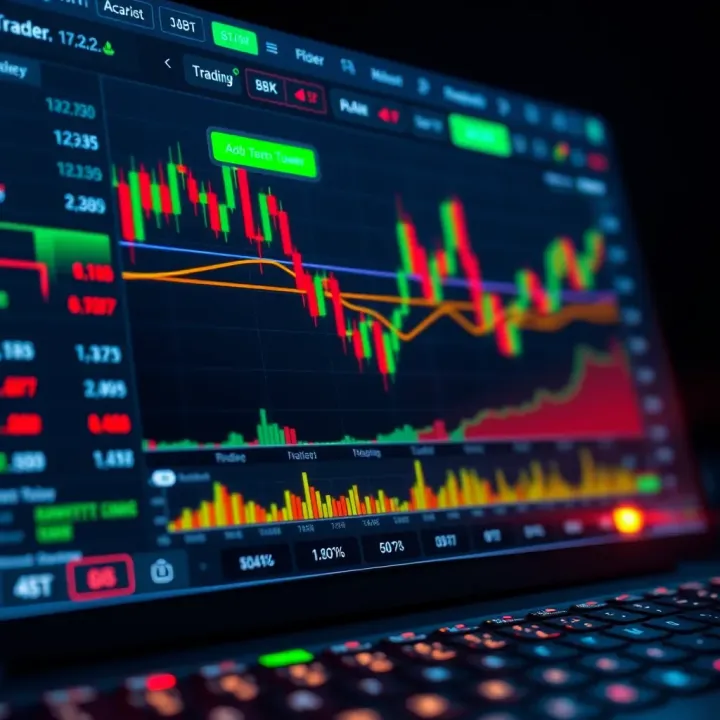
When you visit a crypto trading website, you'll encounter a user account system where you fund your wallet via bank transfer, USSD codes, or payment platforms like Paystack and Flutterwave. Once funded, the site offers live market data, price charts, and order books to guide your trades. Orders can be market orders (immediate buy/sell at current price) or limit orders (execute at a specific price).
Many Nigerian platforms also provide features such as escrow services to hold funds safely until both parties confirm a trade. Others support peer-to-peer (P2P) trading, popular in Nigeria for avoiding direct bank restrictions while retaining local currency liquidity.
_"Choosing a reliable crypto trading website is about balancing convenience, security, and cost. Never put your money on platforms without clear licensing or good reviews from Nigerian users."
Besides convenience, security remains a major concern. Nigerian traders must watch out for platforms without strong two-factor authentication (2FA), cold wallet storage, or clear KYC (Know Your Customer) procedures. Scam websites frequently surface, promising unrealistic returns but vanish with users’ funds.
Some respected Nigerian crypto sites to note include Bundle Africa and BuyCoins, which offer easy dollar-naira conversion and relatively smooth user experiences tailored for Nigeria’s context. Meanwhile, global platforms like Binance and Luno also operate extensively within Nigeria but require due diligence on withdrawal fees and customer support quality.
In summary, crypto trading websites in Nigeria combine innovative technology with unique local challenges. Knowing how they work helps you avoid pitfalls and make informed decisions in this fast-evolving digital financial scene.
Crypto trading websites serve as the main gateways for Nigerians looking to buy, sell, or manage cryptocurrencies. These platforms are crucial because they simplify access to digital currencies, offering a practical alternative to traditional banking systems. By understanding their roles, users can make informed decisions about where and how to trade, avoiding common pitfalls.
Crypto trading websites are online platforms that allow users to exchange cryptocurrencies for other digital assets or fiat currencies like the Nigerian Naira (₦). At their core, these sites facilitate transactions by matching buyers with sellers, providing price information, and securing the process through encryption and user authentication.
There are key differences between exchanges, wallets, and brokers. Exchanges are marketplaces where users trade directly with each other, often offering a variety of cryptocurrencies and trading pairs. Wallets are digital tools that store crypto assets securely but don’t usually allow direct trading. Broker platforms act as middlemen, letting users buy or sell crypto at set prices without interacting with other traders. For example, platforms like Binance and Luno operate as exchanges, while Paxful can serve as both broker and exchange. This distinction matters because it influences fees, available currencies, and ease of use.
The basic process on these websites involves creating an account, funding it with naira or cryptocurrency, and placing orders to buy or sell. Users browse available trading pairs—say, Bitcoin to Naira (BTC/₦)—and decide whether to buy or sell at current prices. Once the order matches another user’s offer, the trade executes automatically.
Trading pairs are crucial because they determine which currencies can be exchanged directly on the platform. Nigerian users often prefer pairs that include Naira alongside major coins like Bitcoin and Ethereum. This makes funding and withdrawing easier without relying on foreign currencies.
Order types allow traders greater control over transactions. A market order executes immediately at the best available price, useful for quick trades. Limit orders let users specify their preferred price, ensuring trades happen only if the market reaches those levels. Understanding these order types helps traders manage costs and risks effectively.
Nigerians turn to crypto trading websites mainly for access to global financial markets that traditional banks may not fully provide. For example, a small business owner in Lagos can invest in Bitcoin to hedge against naira depreciation, which traditional savings options may not cover well.
With the naira’s volatility, crypto platforms offer opportunities to preserve value or profit from price swings. During times when the naira loses value quickly, some traders convert funds into stablecoins—which are pegged to stable currencies like the US dollar—to safeguard their savings.
Moreover, these platforms make investing easier for individuals and businesses without large capital or complex paperwork. Nigerian fintech firms like Paystack have made it simpler to fund accounts via bank cards or USSD codes. This access broadens participation beyond big investors, allowing everyday Nigerians to engage with crypto safely and conveniently.
Crypto trading websites unlock new financial possibilities in Nigeria by bridging local currency challenges and global crypto markets.
When picking a crypto trading website in Nigeria, certain features stand out as essential. These not only protect your investments but also make your trading smoother and more profitable. From solid security to user-friendly interfaces and affordable fees, knowing what to check can save you many headaches.
Two-factor authentication (2FA) adds an extra layer of safety beyond passwords. It usually sends a one-time code to your phone or email to confirm your identity before allowing access. With many Nigerian users facing hacking attempts, 2FA helps keep your account safe from unauthorised logins.
Cold storage for digital assets means the platform keeps most cryptocurrencies offline, away from internet threats. This storage method protects coins from hacking or theft during cyberattacks. For instance, a platform that securely stores 95% of users’ crypto in cold wallets is less likely to lose funds even if its online systems are compromised.
Compliance with Nigerian regulations is vital since Nigeria's government has specific rules affecting crypto trading. Platforms that require identity verification with documents like National Identification Number (NIN) or Bank Verification Number (BVN) help maintain legal operations and protect users. The compliance also aligns the platform with Central Bank of Nigeria (CBN) guidelines, reducing risks of sudden shutdowns.
A tidy website and app design matters because it influences how easily you can find features. Clean layouts with clear menus make trading less stressful, especially when markets move fast. For example, platforms that highlight buying and selling options on the homepage avoid confusion common among beginners.
Ease of navigation for beginners means the site should guide users through basic steps like account creation, deposit, and order placement without jargon. Simple language, tooltips, and tutorial videos can speed up learning for new traders who aren't tech-savvy.
Mobile app availability and performance is a must in Nigeria, where many access the internet mostly via smartphones. A responsive app avoids crashes and loads quickly even with modest data connections. Platforms like Binance and Quidax offer reliable mobile apps that suit daily trading on the go.
Offering popular coins like Bitcoin, Ethereum, and stablecoins such as USDT matters because these assets attract the highest trading volumes and offer more liquidity. Nigerians often trade these as a base for other crypto assets or as safer stores of value.
Having naira (₦) trading pairs helps bypass currency conversion hassles and extra fees. Being able to directly buy Bitcoin or Ethereum with naira saves time and reduces costs, particularly when using platforms with seamless bank transfer integration.
Including emerging crypto assets popular in Nigeria, like some DeFi tokens or memecoins, can provide more investment options. But be sure these assets are supported on reliable platforms to avoid scams.
Trading fees and spreads vary between platforms. Lower fees improve your chances of profit, especially if you trade frequently. Some sites charge a flat fee, while others use percentage-based fees that can add up fast.
Deposit and withdrawal charges affect how much naira you actually get in or out. For instance, some platforms may have zero deposit fees but charge ₦500 or more for withdrawals to Nigerian banks. These costs add up and determine how much you keep after trades.
All these fees impact overall profitability, so traders should calculate total costs before choosing a platform. For example, if a trader makes ₦10,000 monthly profit but pays ₦2,000 in fees, the nett gain is much lower. Always check fee schedules posted clearly by exchanges before committing funds.
When assessing crypto trading websites, security, ease of use, and cost efficiency are priorities that directly affect your experience and success in Nigeria's vibrant crypto scene.
Navigating the crypto space in Nigeria comes with its own sets of hurdles. Traders need to know these risks upfront to avoid costly mistakes. Understanding these challenges helps you make smarter decisions, protect your investments, and use trading websites with greater confidence.
The Central Bank of Nigeria (CBN) has maintained a cautious stance on cryptocurrencies. It has not banned ownership but restricts banks from facilitating crypto transactions directly. This means Nigerian banks often block payments to exchanges, complicating easy funding or withdrawal of naira. For example, many traders resort to peer-to-peer (P2P) platforms or use third-party services to move funds.
This uncertain regulatory environment pushes crypto exchanges to operate partly in the shadows or with limited licences. Users face the risk of sudden policy shifts that could affect access to their funds or trading capabilities. That’s why it is essential to choose platforms that openly comply with local laws or provide clear policies on how regulatory changes are handled.
Phishing and hacking incidents are common in the crypto world. Unsuspecting traders might click fake links or give away login details, leading to loss of assets. For example, an attacker might impersonate a support agent on social media and request your private keys — once shared, your funds are gone.
Fake or scam trading platforms add another layer of danger. Some sites promise huge returns or easy profits but disappear with users’ deposits. The Nigerian market is no stranger to such schemes, so verifying platform legitimacy through forums, reviews, and official channels is critical.
Protecting your personal and financial data requires vigilance. Never reuse passwords, enable two-factor authentication (2FA), and avoid sharing sensitive details. Using reputable wallet services that store keys offline (cold storage) offers extra assurance against hacks.
Crypto prices are notorious for their rapid and large fluctuations. One day Bitcoin might be ₦20 million per coin, and the next it could drop sharply due to global news or market sentiment. This unstable nature can be nerve-racking, especially during periods of economic uncertainty like naira devaluation or geopolitical events.
To manage risk, traders often diversify their holdings rather than putting all funds into a single coin. Setting stop-loss orders and limiting investment sizes helps safeguard against sudden downturns. Keeping an eye on Nigerian crypto news portals and global trends can also guide better trading timing.
The key to surviving Nigeria’s crypto market is awareness—knowing the risks, securing your assets, and staying informed.
Handling these risks carefully makes crypto trading a viable avenue for profit in Nigeria’s challenging economic landscape.
Selecting the right crypto trading website plays a major role in securing your investments and ensuring a smooth trading experience. Given the growing number of platforms available, especially in Nigeria, making the right choice requires considering various factors like reputation, payment options, customer service, and legal compliance. This helps prevent losses from fraud, delays in fund access, or trouble with regulatory bodies.
Checking user feedback on Nigerian forums and social media offers a practical way to gauge a trading website’s reliability. Platforms like Nairaland, Twitter, and fintech-focused Facebook groups give firsthand accounts from users about their trading experiences. If multiple users complain about withdrawal delays or suspicious charges, it’s a clear red flag to beware. On the other hand, glowing reviews can reassure you the platform is trustworthy.
Besides community feedback, following credible fintech news sources helps you stay up to date on major developments. Websites like TechCabal and Nairametrics often report on platform launches, regulatory updates, and scams. This information equips you to avoid risky websites and benefit from new services that suit Nigerian traders.
A reliable crypto trading website must support naira funding methods suitable for Nigerian users. Bank transfers, USSD codes, and debit card payments are commonly used and make depositing funds hassle-free. For example, platforms integrated with Nigeria’s popular banks or USSD services like *737# offer quick, local payment options.
Equally important is the ease of withdrawing funds back to Nigerian bank accounts. You want a platform that doesn’t hold your money or impose excessive withdrawal fees. Fast and straightforward withdrawal processes help you access profits or convert crypto to naira when needed, keeping your finances fluid.
Accessible support channels such as live chat, email, or phone form the backbone of good customer service. When problems arise—say, a transaction fails or account access issues occur—you need prompt assistance to resolve them promptly.
Responsiveness to Nigerian user concerns matters, too. Customer support that understands local quirks, payment systems, and regulatory conditions will communicate solutions clearly. Avoid platforms with slow or generic responses; strong local support reflects a service designed to serve Nigerian traders well.
Verification requirements like National Identification Number (NIN) and Bank Verification Number (BVN) are becoming standard in Nigerian crypto platforms. These checks enhance security and help meet the Central Bank of Nigeria’s compliance rules. Using platforms that demand these documents reduces fraud risk and aligns your activities with Nigerian laws.
Data privacy also deserves attention. Your personal and financial data must be protected by clear privacy policies that conform to Nigeria’s data protection regulations. This guards against misuse or leaks, which is critical when dealing with digital assets and sensitive identity information.
Choosing a crypto trading website isn’t just about technology; it’s about trust, convenience, and legal safety. Taking time to assess these factors will save you stress and protect your investments in the volatile Nigerian crypto space.
Navigating the world of cryptocurrency trading in Nigeria requires more than just understanding market trends. It's vital to adopt practical strategies that protect your investments and personal information from risks common in the crypto space. These tips can help you trade securely while maximising opportunities.
One of the easiest yet often ignored security steps is using strong, unique passwords for your crypto accounts. Avoid common words, birthdays, or simple number sequences. Instead, use a mix of uppercase, lowercase letters, numbers, and special characters. For example, a password like "N!g3r!a2024#" is stronger than "password123".
Enabling Two-Factor Authentication (2FA) adds an extra layer of protection. This means even if someone guesses your password, they will also need a one-time code from your phone or email to access your account. Platforms like Binance and Luno offer 2FA options easily; you should always activate it to reduce the chances of unauthorised access.
Pyramid schemes pose a serious threat to Nigerian crypto traders. These scams promise high returns with little or no risk, often requiring new members to recruit others to earn profits. In reality, only those at the top make money, leaving others with losses.
A practical tip is to be wary of any platform or investment that focuses more on recruitment than actual crypto trading or investment fundamentals. If a scheme asks you to invite others before you can earn decent returns, it's a red flag.
Before sending money or transferring crypto to any platform or individual, verify their legitimacy. Check for reviews on Nigerian forums such as Nairaland or reputable fintech blogs. Confirm whether the platform complies with Nigerian financial regulations—this includes checking for required identification, like NIN (National Identification Number) and BVN (Bank Verification Number) verifications.
For example, fake exchanges often lack transparent information or have poorly maintained websites. If something feels off, trust your instincts and research further. Reach out to trusted contacts in the crypto community for recommendations.
Staying updated with local crypto news helps you understand how national policies and events affect the market. Nigerian platforms like CoinNaira or Naija Crypto Times regularly publish news and analyses tailored for Nigerian traders.
Following these sources allows you to respond quickly to changes such as CBN announcements or local security concerns. This vigilance is especially useful during ember months when scams and fraud attempts often spike.
The cryptocurrency market is global, so international trends influence prices in Nigeria. Keep an eye on indicators like Bitcoin's price movement, the USD exchange rate, or major regulatory news from the US or Europe.
Using apps like CoinGecko or platforms like TradingView helps you track these trends. For instance, when Bitcoin drops globally, Nigerian traders may see similar price shifts, impacting investments. Being aware lets you adjust trading strategies promptly.
Putting all your funds into a single cryptocurrency increases risk, particularly given the volatility of the market. Diversifying—spreading your investment across different coins like Bitcoin (BTC), Ethereum (ETH), and stablecoins such as USDT—can reduce potential losses.
In a Nigerian context, pairing crypto investments with traditional savings or assets can protect you from naira volatility. At the same time, consider starting with small amounts before increasing exposure as you gain confidence.
Security and knowledge work hand in hand. Protect your accounts, stay informed locally and globally, and avoid overexposure to any one crypto asset. These practical steps improve your chances to trade safely and profitably in Nigeria.
Explore key features of crypto trading websites in Nigeria 🇳🇬, learn how to pick the right platform, and avoid common risks when trading ₦ digital assets safely 🔐.
🚀 Dive into crypto trading in Nigeria! Learn key concepts, strategies, risks, and get practical tips for safe, smart investing in Nigeria’s crypto scene.
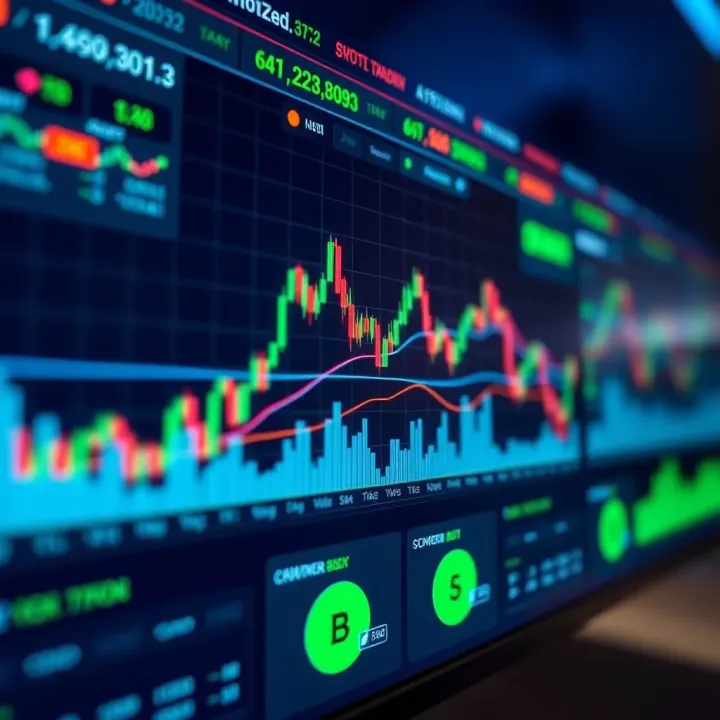
📚 Learn crypto trading in Nigeria with practical courses covering trading basics, platforms, risks, and tools to help you trade confidently and protect ₦ investments.
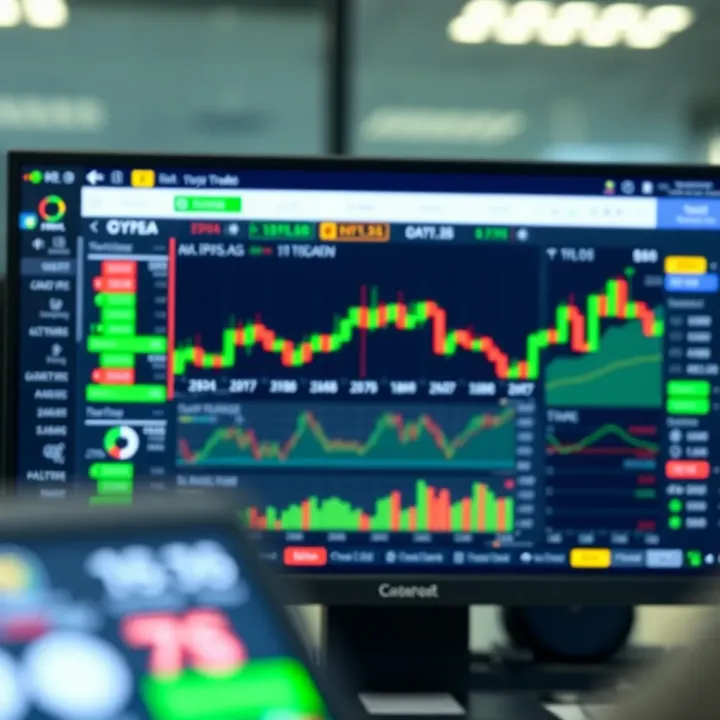
Discover how crypto trading bots can help Nigerian traders automate deals, save time ⏰, manage risk, and navigate legal & security issues in Nigeria's crypto market ₦.
Based on 10 reviews