
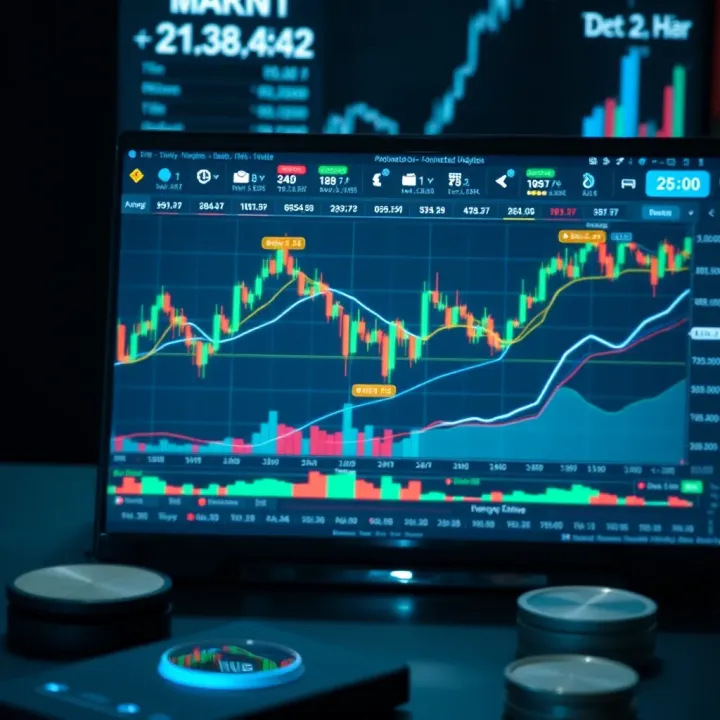
Top Crypto Trading Bots for Nigerian Traders
Explore the best crypto trading bots for Nigerian traders 🤖! Learn how they work, key benefits, risks, and setup tips tailored for the Nigerian market 🇳🇬.
Edited By
Amelia Foster
Crypto trading bots have become a common tool in the Nigerian digital currency scene, helping traders automate their buying and selling activities on crypto exchanges. These bots operate via software algorithms programmed to execute trades based on preset rules, removing much of the need for constant manual monitoring.
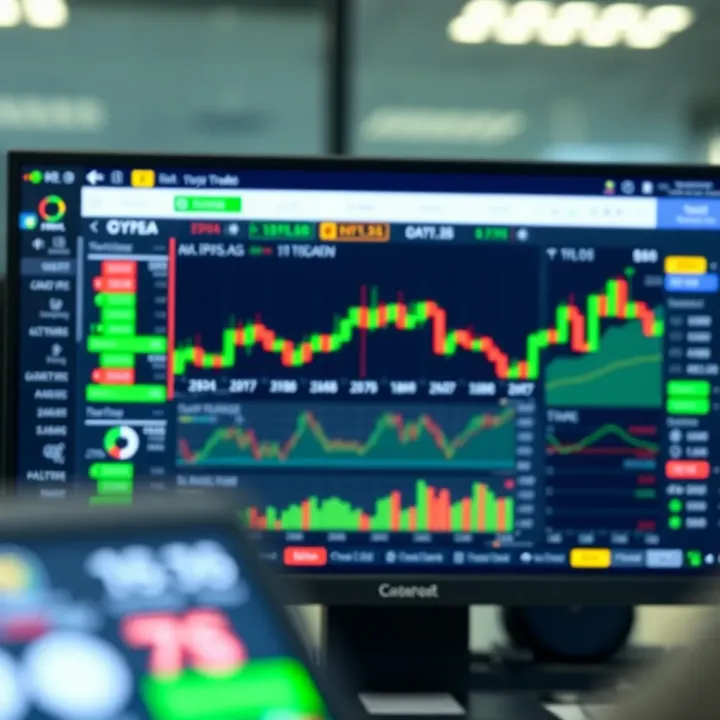
At a practical level, these bots scan the market for price changes, volatility, or any other indicators they are set to follow, and then place orders automatically. For instance, a bot might be coded to buy Bitcoin when its price drops by 2% within an hour and sell once it gains 3%. This automation suits Nigerian traders who are busy and cannot track markets 24/7.
Saving time by outsourcing routine trading tasks.
Reducing emotional decisions which often lead to losses.
Operating around the clock, even when you’re offline or asleep.
Managing multiple currency pairs across several exchanges concurrently.
That said, crypto trading bots are not foolproof. They rely heavily on the strategies programmed by users and the quality of market data fed into them. Poorly configured bots might trigger unnecessary trades or miss market reversals, resulting in losses.
Nigerian traders should also be aware of the local crypto landscape, including exchange liquidity, naira volatility, and service outages common in the market. These factors can affect bot effectiveness and risk.
Choosing the right bot demands a clear understanding of your trading goals, risk appetite, and technical proficiency. Popular bots compatible with Nigerian exchanges include 3Commas, Cryptohopper, and BlinkTrade, each with specific features and subscription fees.
Security is another concern. Bots require access to your exchange account via API keys, so using trusted platforms and regularly updating authentication details is key to preventing losses through hacks.
In sum, crypto trading bots can offer sizeable advantages for Nigerian traders ready to harness automation wisely. Understanding how they work and their limitations helps avoid common pitfalls and make better trading decisions locally.
Crypto trading bots have become indispensable tools for many Nigerian traders looking to automate their investment strategies and handle the fast-paced crypto market. These bots operate continuously, scanning market trends and executing trades faster than any manual approach. Understanding what they are and how they operate is vital for anyone wanting to adopt automation in their crypto ventures.
A crypto trading bot is a software program designed to automatically buy and sell cryptocurrencies based on pre-set rules or strategies. This automation allows traders to save time, avoid emotional decision-making, and potentially increase profits by acting on market signals swiftly. For example, a trader in Lagos might set a bot to buy Bitcoin when its price dips below a certain threshold, eliminating the need to monitor the market all day.
There are several types of bots, each suited for different trading styles. Trend-following bots track price movements and buy or sell accordingly. Arbitrage bots exploit price differences across exchanges to make risk-free profits, which can be handy in Nigeria, where some international exchanges differ in prices from local platforms. Market-making bots place buy and sell orders simultaneously to profit from the spread, helping provide liquidity.
Trading bots connect to crypto exchanges through APIs (Application Programming Interfaces). APIs allow bots to receive real-time market data and submit trade orders securely. Nigerian traders typically use bots on platforms like Binance, Luno, or the newly emerging local exchanges. These connections enable bots to act instantly as market conditions change, something that manual trades can't match in speed.
At the heart of trading bots are algorithmic strategies that follow logical rules built on market indicators. For instance, a bot might be programmed to sell Ethereum if its 24-hour moving average drops below a defined point. This precision removes guesswork, allowing traders in Nigeria to stick to tested strategies even amidst volatile market swings.
APIs are the gatekeepers between bots and exchanges, providing necessary data such as price feeds, order books, and account balances. High-quality, real-time data feeds are essential for accuracy. Nigerian users should consider exchange reliability and API limits to avoid delays or disruptions that could cause costly errors.
Some advanced bots incorporate machine learning to improve over time by recognising patterns in market behaviour. Additionally, technical analysis tools embedded within bots use chart indicators like RSI (Relative Strength Index) or MACD (Moving Average Convergence Divergence) to signal optimal entry and exit points. This level of analysis can give Nigerian traders an edge in interpreting local and global market trends efficiently.
Understanding the technical backbone of crypto trading bots helps Nigerian traders use them wisely and customise strategies that fit their local market conditions and risk tolerance.
In summary, crypto trading bots combine automation, data feeds, and smart algorithms to operate efficiently in cryptocurrency markets. For Nigerian traders aiming to navigate both global markets and local nuances, mastering the basics of these tools is a strong step towards more disciplined and potentially profitable trading.
Crypto trading bots offer several practical advantages that make them well-suited for Nigerian traders aiming to optimise their market moves. Their automated nature addresses some common hurdles such as limited time to monitor markets, emotional mistakes, and the need for speed in decision-making.
Executing trades faster than manual methods is one of the standout benefits of trading bots. In Nigeria’s volatile crypto environment, market prices can swing dramatically within seconds. A bot can place buy or sell orders instantly based on programmed parameters, far quicker than any trader manually clicking through exchange interfaces. For example, if Bitcoin suddenly spikes or dips, a bot can react immediately to lock in profits or cut losses without the delay a human would face.
Bots operate with precision and consistency, eliminating the lag between spotting an opportunity and acting on it. This speed advantage is crucial for traders dealing in highly liquid markets where every second counts.
Operating 24/7 despite Nigerian market hours is a practical advantage since cryptocurrency markets don’t close like traditional stock exchanges. Nigerian traders, especially those who hold full-time jobs or run businesses, might find it impossible to monitor the market around the clock. A trading bot runs nonstop, scanning market conditions and executing trades whenever criteria are met—whether it’s midnight or during the busy ember months.
This means your trading strategy continues to work even when you’re offline or asleep. It also covers different global crypto markets simultaneously, something no individual can realistically do.
Overcoming challenges of manual monitoring is key for busy Nigerian traders. Watching charts, news feeds, and price movements all day is mentally exhausting and impractical. Bots handle this continuous monitoring for you, triggering trades only when market signals align with your strategy.
Without bots, traders often miss profitable moments because of distractions or fatigue, especially given Nigeria’s frequent power outages or unstable internet connections. A well-set bot ensures you don’t lose out when conditions shift unexpectedly.
How bots maintain discipline during volatile periods matters a lot in Nigeria’s often unpredictable crypto landscape. Markets sometimes plunge or surge on rumours or sudden news, pushing human traders to panic-sell or chase unrealistic gains. Bots stick to preset rules, avoiding impulsive reactions to market noise.
For instance, during price crashes, a bot won’t panic sell if the strategy dictates holding or gradual exit. This discipline saves traders from costly mistakes caused by fear or greed, emotions that often skew judgment.
Avoiding impulsive decisions common in crypto trading is another way bots help maintain rationality. It’s common for new traders to jump into trades due to hype on social media or peer pressure, often ending badly. Bots enforce a consistent approach, executing trades only under defined conditions.
By removing spontaneous decisions, bots help Nigerian traders stay focused on long-term goals rather than chasing quick but risky wins. This steadier approach can enhance portfolio growth and risk management over time.
Automated trading tools like bots provide Nigerian crypto traders with the speed and emotional control needed to operate effectively in volatile markets, while also freeing up time that would otherwise be spent glued to screens.
In summary, using crypto trading bots in Nigeria improves trading efficiency, enables round-the-clock market participation, and curbs emotional errors—benefits that make them invaluable for serious traders navigating this dynamic market.
Understanding the risks and limitations tied to crypto trading bots is vital for Nigerian traders. While bots promise efficiency and round-the-clock trading, they are not free from technical hitches or market unpredictability. If you neglect these risks, you could face substantial losses or security breaches, especially in a market like Nigeria’s where infrastructure and regulations are still developing.
System errors in trading bots can trigger unexpected trades or fail to execute orders, leading directly to financial losses. For example, a bot might misinterpret price signals due to a bug and sell a cryptocurrency during a sudden price drop, locking in losses instead of cutting risk. Such technical lapses can cost you serious money, especially when you’re trading with large volumes or high leverage.
Regular bot maintenance is necessary to keep these technical failures at bay. Updating the bot’s software, regularly reviewing performance logs, and tweaking algorithms ensure the system can adapt to evolving market conditions and patch known vulnerabilities. Without this upkeep, a once reliable bot can become unreliable, much like a tokunbo vehicle without proper servicing prone to breaking down unexpectedly.
Crypto markets are famous for their volatile swings, especially around global events or Nigerian local policies affecting the naira or digital currencies. Bots operate strictly on pre-programmed rules and data. When unpredictable events happen—such as sudden policy changes by the Central Bank of Nigeria or unexpected disruptions in global crypto markets—bots may perform poorly because they can't interpret nuanced signals beyond their programming.
This is why trader oversight remains vital. Bots should be treated as tools that assist rather than manage your portfolio entirely. Monitoring your bot’s activity, manually intervening during irregular market movements, and adjusting strategies based on current realities help prevent losses triggered by blind automation. Think of your bot as you would your okada rider: reliable but needing guidance during tricky road conditions.
Crypto trading bots require API keys to access your exchange accounts, which means poor security around these keys exposes you to hacking risks. An exposed API key can let attackers withdraw your funds or manipulate trades without your knowledge. This risk increases in Nigeria where internet security practices can sometimes be lax, and cybercrime rates are growing.
Choosing reputable platforms and bots that prioritise security is essential. Look for bots with strong encryption, two-factor authentication options, and a solid track record. Platforms that support local banks or payments, like Binance Nigeria or Quidax, usually focus more on security to maintain user trust. Using unverified bots or shady platforms can lead to your naira or cryptocurrency being stolen, even if the bot functions perfectly otherwise.
Taking time to evaluate both the technical reliability and security of trading bots safeguards your investments. No bot is perfect, but careful selection and constant vigilance reduce the risk of costly mistakes and threats.
By understanding these risks and limitations clearly, Nigerian traders can use crypto trading bots more wisely, combining automation with hands-on control and strong security practices.
Choosing and properly setting up crypto trading bots is crucial for Nigerian traders to navigate the fast-paced and sometimes unpredictable digital currency market. A good bot choice tailored to local circumstances can improve trade speed, accuracy, and risk management while saving time in a market known for its 24/7 activity across different global time zones.
Not all trading bots work with every exchange or currency, so it's vital to pick one compatible with platforms Nigerians frequently use. For example, bots that integrate easily with Binance Nigeria or Luno offer seamless access to local currency pairs like BTC/NGN. Checking support for popular cryptocurrencies such as Bitcoin, Ethereum, and stablecoins pegged to the naira also matters, since liquidity affects trade execution and spreads.
Look for bots that offer flexible settings to customise trading strategies based on your risk appetite and goals. The ability to monitor performance in real-time, adjust stop-loss and take-profit limits, or pause trading are practical features Nigerian traders should consider. User-friendly dashboards that simplify configuring technical indicators like RSI or MACD add real value, especially when dealing with volatile market swings common in Nigeria’s crypto scene.
Cost transparency is key. Some bots charge flat monthly fees, while others take a cut from profits or a percentage of trade volume. For instance, a subscription costing ₦15,000 monthly could be affordable for active traders, but if the bot hides fees in high spreads, that translates to loss over time. Careful evaluation helps traders avoid unnecessary expenses that chip away at returns.
Connecting bots to exchanges that support naira deposits and withdrawals simplifies capital flow. Make sure the bot’s API connection works smoothly with local exchanges like Quidax or Bundle, which allow direct bank transfers from Nigerian banks. Also, aligning payment options with trusted digital wallets or fintech platforms like OPay or PalmPay offers convenient funding and withdrawal routes.
Given the occasional naira volatility and global crypto market's unpredictability, setting conservative trading parameters can reduce downside risks. For example, using range trading strategies during periods of low liquidity or applying tight risk limits around ember months—when market movements can appear erratic—helps protect capital. Nigerian traders should also schedule periodic reviews of strategy performance to adapt swiftly.
Protecting API keys is critical to avoid unauthorised access and hacking. Use strong, unique passwords and enable two-factor authentication where possible. Always keep your trading bot and exchange accounts separate from other online services. It's wise to limit withdrawal permissions via API and conduct regular audits of bot activity. These steps reduce the chance of losing funds in an environment where cyber threats are increasing.
Always treat crypto trading bots as tools that need careful supervision, not set-and-forget machines. Proper bot selection and setup help you stay in control, especially in Nigeria’s dynamic crypto market.
Understanding the legal backdrop is vital for Nigerian traders using crypto trading bots. The regulatory environment shapes how bots operate, the risks involved, and the responsibilities traders must shoulder. Ignoring these rules can lead to penalties or seizure of assets, so knowing the rules upfront helps avoid costly mistakes.
CBN directives and their implications
The Central Bank of Nigeria (CBN) has maintained a cautious stance on cryptocurrencies. Since February 2021, the CBN has prohibited regulated financial institutions from facilitating crypto transactions. This directive indirectly affects crypto trading bots, particularly those integrated with Nigerian banks. Traders relying on bots to automate trades via local banks may face difficulties as banks refuse crypto-related transactions. While the directive does not ban ownership or trading directly, it complicates fiat-crypto conversions, pushing many traders to use peer-to-peer platforms or offshore exchanges.
For example, Nigerian traders who attempt to link their GTBank or Access Bank accounts with automated trading services might find their transactions blocked. This means bot users should be ready for extra steps in funding and withdrawal, often involving third-party wallets or international exchanges, which can add delays and fees.
SEC stance on crypto trading and automation
The Securities and Exchange Commission (SEC) Nigeria aims to protect investors and ensure orderly markets, including crypto assets. Although the crypto market is still lightly regulated, SEC has expressed interest in monitoring automated trading activities. Crypto trading bots fall under the radar when used in securities-style trading or token sales.
Currently, SEC requires platforms offering token sales or crypto investment schemes to register and comply with investor protection laws. This suggests that Nigerian traders using bots on unapproved platforms might face risks if those platforms do not meet SEC standards. The evolving framework means traders need to stay alert about updates, especially regarding automated trading tools.
Tax implications of automated crypto profits
Profits from crypto trading—whether manual or bot-driven—are potentially taxable under Nigerian tax law. The Federal Inland Revenue Service (FIRS) treats gains from such activities as income or capital gains subject to tax. Therefore, Nigerian traders using bots should keep thorough records to accurately calculate taxable income.
Failing to report profits generated through bots can attract penalties or audits. For instance, if a trader’s automated trades yield ₦5 million in gains in a fiscal year, but these profits remain unreported, it could trigger FIRS investigation. Taxpayers should consult tax professionals familiar with crypto to ensure proper compliance.
Recordkeeping and transparency for regulators
Maintaining clear records is crucial for transparency and regulatory compliance. Nigerian traders who use crypto trading bots must document their transactions, bot configurations, and exchange interactions. This practice aids in accurate tax filing and serves as evidence in case of regulatory inquiries.
Such records typically include transaction dates, amounts, fee structures, exchange names, and wallet histories. Using spreadsheet tools or specialised software can ease this process. This also prepares traders for future audits by bodies like FIRS or SEC, reinforcing legal compliance while managing the automated aspects effectively.
Nigerian traders deploying crypto trading bots must keep an eye on evolving regulations, maintain meticulous records, and align their activities with CBN and SEC guidelines to trade safely and legally.
This awareness not only prevents legal troubles but also strengthens trading strategy by incorporating risk management that considers regulatory impacts.
Entering the world of crypto trading bots can be rewarding but requires a careful and measured approach, especially for Nigerian traders who face unique market conditions and regulatory uncertainties. Practical advice helps traders avoid costly mistakes and build confidence as they navigate automation.
Using demo modes and trial accounts is a smart first step. Many popular crypto bots, like 3Commas and Cryptohopper, provide demo modes that simulate live markets without risking real naira. This lets you test different trading strategies and understand the bot’s behaviour under various market conditions without financial exposure. For instance, you can check how a bot reacts during volatile periods when Bitcoin prices swing sharply—a common sight in Nigerian crypto markets due to global and local influences.
Gradual scaling based on results means starting with limited funds and increasing investment only after observing consistent positive outcomes. Many Nigerian traders make the mistake of funding bots with large sums right away, which can lead to substantial losses if the strategy doesn’t hold. Instead, begin with a small amount like ₦50,000 to ₦100,000 to monitor performance. If the bot yields steady returns over a few weeks, gradually increase your trading capital. This approach preserves capital while allowing room to learn and adjust.
Following Nigerian crypto trader groups on platforms like Telegram, Twitter, and specialized forums connects you with others who share real-time insights about bots and market trends. These communities often discusss bot performance updates, strategy tweaks, and regulatory updates from institutions like the Central Bank of Nigeria (CBN). Engaging with local groups also helps you better understand how bots operate within Nigerian realities, such as frequent power outages and naira volatility.
Updating bots with market changes and new features is essential to maintain effectiveness. Crypto markets are notoriously dynamic, and bots relying on outdated algorithms may underperform or incur losses. Nigerian traders should ensure their bots receive software updates or apply manual strategy changes regularly. For example, a bot adjusted during the US Federal Reserve’s recent interest rate hikes might perform better by recalibrating its risk settings. Constant updates and tuning help bots adapt, making them valuable tools rather than static programs.
Starting small, connecting with local communities, and keeping your bots updated are practical steps to avoid pitfalls and unlock the potential of crypto trading bots in Nigeria. These steps cushion your journey from trial to confident automation in a fluctuating market.
By adopting these practical habits, Nigerian traders can make informed decisions, enhance security, and maximise returns while navigating the complexities of crypto trading bots on local and global fronts.
Explore the best crypto trading bots for Nigerian traders 🤖! Learn how they work, key benefits, risks, and setup tips tailored for the Nigerian market 🇳🇬.
🚀 Dive into crypto trading in Nigeria! Learn key concepts, strategies, risks, and get practical tips for safe, smart investing in Nigeria’s crypto scene.
Explore key features of crypto trading websites in Nigeria 🇳🇬, learn how to pick the right platform, and avoid common risks when trading ₦ digital assets safely 🔐.
Explore the nuts and bolts of crypto trading platforms in Nigeria 🇳🇬: types, security tips, regulatory advice, and how to protect your ₦ investments wisely. 📈💼
Based on 14 reviews