
Crypto Trading Guide for Nigerian Investors
🚀 Dive into crypto trading in Nigeria! Learn key concepts, strategies, risks, and get practical tips for safe, smart investing in Nigeria’s crypto scene.
Edited By
Isabella King
Crypto trading websites have become vital in Nigeria's fast-growing digital economy. These platforms allow individuals and institutions to buy, sell, and exchange cryptocurrencies like Bitcoin, Ethereum, and local tokens, using the Nigerian Naira (₦) and sometimes foreign currencies.
Unlike traditional stock exchanges, crypto trading websites operate 24/7, offering flexibility for traders across time zones and professions. Popular Nigerian-focused platforms include BuyCoins, Yellow Card, and Bundle, alongside global exchanges such as Binance and Coinbase that support ₦ deposits and withdrawals.
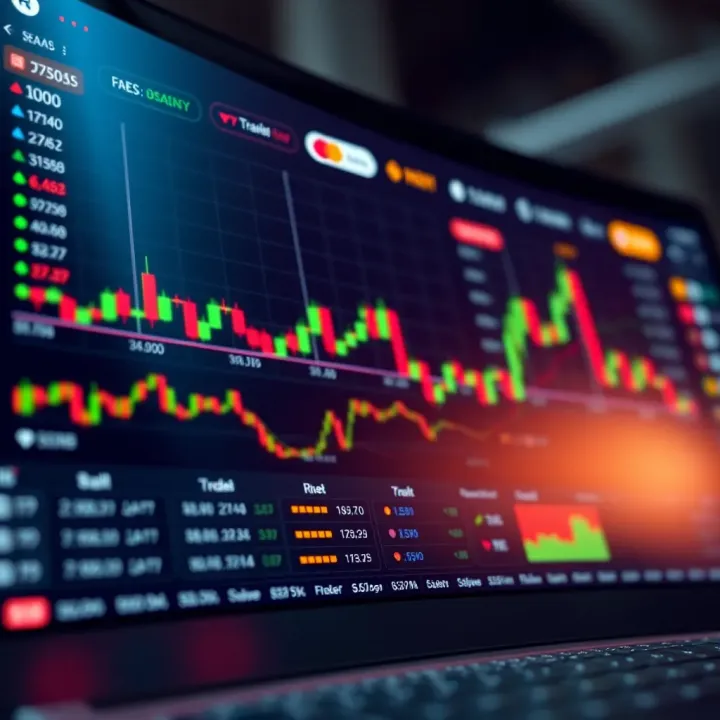
These websites typically feature live market charts, order books, and transaction histories, helping traders make informed decisions. They also integrate payment options relevant to Nigerian users, including local bank transfers, USSD payments, and card transactions. For example, a trader might fund their account via GTBank internet banking or an OPay wallet, then initiate a trade within minutes.
Before choosing a crypto trading website, consider its security measures, ease of use, transaction fees, and customer support. Not all platforms maintain the same standards.
Security is a common concern given the rise in internet scams and naira volatility. Trusted platforms employ two-factor authentication, cold wallet storage, and regular audits to protect user assets.
Additionally, Nigerian regulations surrounding cryptocurrencies remain somewhat fluid, so users must stay alert to policy changes that might impact account accessibility or taxation.
To sum up, understanding what crypto trading websites offer, how they function, and their suitability to your trading needs forms the foundation for responsible participation in Nigeria's digital asset market.
Understanding how crypto trading websites work is essential for Nigerian traders and investors who want to navigate the digital currency market effectively. These platforms act as the gateway for buying, selling, and managing cryptocurrencies, making it vital to grasp their core functions and types. Knowing these basics helps you avoid costly mistakes and make informed decisions when handling your ₦ funds.
Every crypto trading website primarily allows users to buy and sell digital currencies such as Bitcoin, Ethereum, or local favourites like Binance Coin. For example, a Nigerian user may want to buy Bitcoin using ₦20,000. The platform connects buyers and sellers, executes transactions, and updates wallets instantly. This function must be smooth and trustworthy since real money is involved, and delays or errors can cost traders dearly.
Trading platforms display live market data, including real-time price charts and trading volumes. This helps traders monitor price trends and make decisions based on market movements. For instance, a price spike in Bitcoin may signal a good selling opportunity, while a dip is a chance to buy cheaply. Access to reliable, up-to-date market data is particularly useful in volatile markets like crypto, where prices can shift sharply within minutes.
Most websites offer various order types beyond simple buy or sell, such as limit orders, stop-loss orders, and market orders. These give traders more control over when and how their trades execute. For example, a limit order allows a trader to set a specific price to buy or sell a crypto asset rather than trading immediately at the current market rate. Accurate and fast order execution is important to capitalise on opportunities or cut losses efficiently.
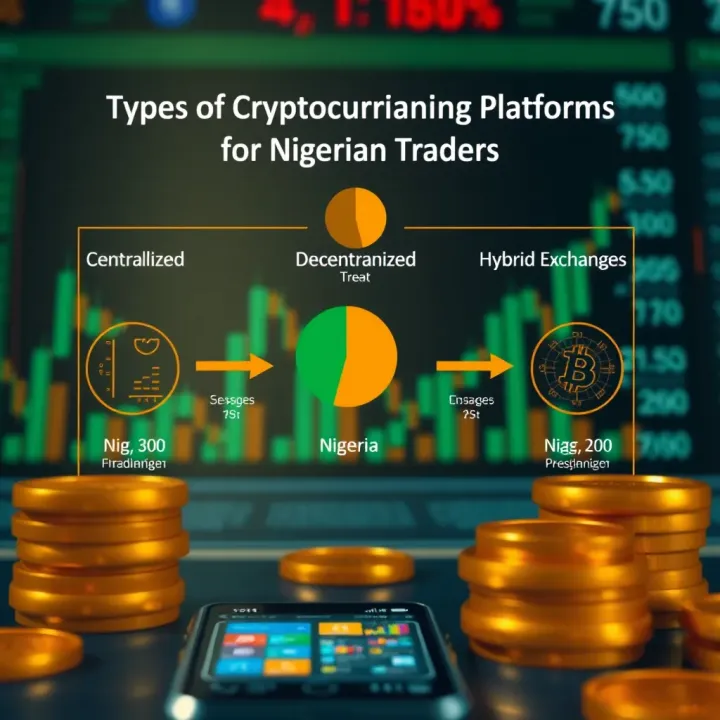
Centralised exchanges like Binance or Luno operate like traditional brokers. They hold users’ funds, manage the order book, and provide liquidity. These platforms are user-friendly and offer customer support, making them popular with beginners and experienced traders in Nigeria. However, since users don’t control private keys directly, security depends heavily on the platform’s practices.
DEXs are platforms like Uniswap or PancakeSwap that allow peer-to-peer trading without a middleman. They work on blockchain networks and give users full control of their assets during trading. While DEXs offer greater privacy and autonomy, they often require more technical know-how and sometimes face liquidity challenges compared to centralised exchanges.
P2P platforms such as Binance P2P or Paxful connect buyers and sellers directly, enabling trades in local currencies like ₦. Users negotiate prices and payment methods, with the platform offering escrow services for safety. P2P facilitates trading even where access to banking is limited, making it valuable in Nigeria’s growing crypto market.
Getting familiar with these core functions and types of crypto trading websites lays the foundation for wise trading decisions in Nigeria’s digital currency space. Each platform type offers distinct features geared towards different user needs and levels of expertise.
Choosing a reliable crypto trading site is essential for Nigerian traders who want to protect their investments and trade efficiently. Not every platform offers the same level of security, user experience, or cost-effectiveness. Before deciding where to trade, it's wise to examine several critical factors that influence your overall trading success and safety.
Two-factor authentication (2FA) adds an extra layer of security by requiring traders to verify their identity using two separate methods—typically a password and a one-time code sent to their phone or generated through an authentication app. For Nigerian users, where cybercrime is a growing concern, enabling 2FA helps reduce the risk of unauthorised access to your account, especially when using public Wi-Fi or shared devices.
Regulatory compliance and licensing reveal whether a platform is operating under legal frameworks that protect users. For example, Nigerian traders should look for exchanges that adhere to guidelines issued by the Central Bank of Nigeria (CBN) or possess licences from recognised financial authorities. Platforms lacking clear compliance often raise red flags and could abruptly shut down, putting your funds at risk.
Past security incidents offer insight into a platform's track record. Researching prior hacks or data breaches allows traders to judge how a site handles security challenges. For instance, some exchanges like Binance have faced security breaches in the past but quickly compensated users and improved their systems. Conversely, platforms with unresolved issues or repeated problems should be avoided.
Mobile app and website interface play a crucial role in seamless trading, especially for Nigerians who rely heavily on smartphones. A well-designed mobile app with smooth navigation and quick load times makes trading less frustrating in areas with unstable internet. If you find an app or website clunky or slow, it may cost you precious seconds in fast-moving markets.
Customer support options matter because issues can arise any time, especially during deposit or withdrawal processes. Platforms offering live chat, email support, or responsive hotlines provide more assurance. Nigerian traders often face delays due to time differences or language barriers on international sites, so having accessible, prompt support can save a lot of hassle.
Ease of account funding and withdrawal involves how quickly and cheaply you can move money in and out. Local payment methods like bank transfers through First Bank or GTBank, or integration with platforms like OPay, help speed up transactions. A site that delays withdrawals or charges high fees for naira transactions is less practical.
Deposit and withdrawal fees vary widely across sites. While some platforms offer free deposits, they may charge slightly higher withdrawal fees. Nigerians should weigh these fees, especially given naira’s volatility. A 1% withdrawal fee on ₦500,000 is already ₦5,000 — not negligible if you trade frequently.
Trading commissions and spreads refer to the actual cost when buying or selling crypto assets. Some exchanges charge flat commissions; others use spreads, which is the difference between buy and sell prices. For example, platforms like Binance typically have low commissions compared to peer-to-peer platforms, but spreads can make a difference when trading smaller amounts.
Hidden charges to watch out for could include platform maintenance fees, inactivity penalties, or conversion costs when exchanging foreign cryptocurrencies back to naira. Always check the fee schedules carefully before committing real funds to avoid surprises.
Selecting a crypto trading site with strong security, user-friendly design, and fair costs helps protect your funds and improves your trading experience. This is particularly vital in Nigeria’s complex market conditions where naira fluctuations and regulatory shifts occur regularly.
Nigeria's crypto scene thrives because of both local and international platforms catering to varied trader needs. Understanding which platforms are popular helps Nigerian traders choose where to buy, sell, or hold digital assets with convenience and safety.
OPay has grown beyond just mobile payments to include a straightforward crypto trading service accessible on its app. Its advantage lies in integration with other financial services like bill payments and airtime purchases, making it a one-stop shop for everyday Nigerians. Given OPay’s local presence, users enjoy quick Naira deposits and withdrawals, bypassing some of the hurdles faced on international sites.
BuyCoins focuses directly on crypto trading with simplicity and security tailored for Nigerians. It supports straightforward bank transfers from Nigerian banks and provides an easy-to-use interface for quick trades. BuyCoins also offers wallet services, allowing users to store multiple cryptocurrencies while benefiting from localised customer support to handle common issues swiftly.
Bundle Africa combines social and trading features, making crypto more accessible for Nigerians new to digital currencies. Users can buy and sell popular coins while chatting within the app, sharing tips or coordinating trades. This social trading angle reduces intimidation for beginners and offers peer learning opportunities.
Binance is the world’s largest crypto exchange and has made efforts to accommodate Nigerian traders through local currency options and tailored customer service. Its platform offers a broad range of coins and advanced trading features, suited for both beginners and serious traders. Nigerians benefit from frequent trading competitions and promotions that add value beyond simple buying and selling.
Binance P2P is a peer-to-peer service within Binance allowing Nigerians to trade directly with each other using Naira without intermediary delays. This service is vital amid frequent banking restrictions on crypto platforms, as it leverages local bank accounts and mobile payment apps for instant fund transfers. Binance P2P thus fills a gap in liquidity and accessibility.
Coinbase is well known for being user-friendly with strict security measures. While Coinbase’s direct support in Nigeria is limited compared to Binance, many Nigerians use it to access global crypto markets and maintain exposure to popular tokens. Its clean interface and educational resources appeal to investors focused on long-term holding rather than frequent trades.
Choosing platforms common among Nigerian traders can ease fiat deposit challenges, enhance trust, and provide localised support, making crypto trading smoother and safer. Be sure to weigh each platform's features against your trading goals and comfort with crypto risks.
Navigating crypto trading websites in Nigeria involves risks that can significantly impact your investment. Understanding these pitfalls and how to avoid them is vital for anyone serious about trading digital assets safely. This section highlights common threats and practical steps you can take to protect your funds.
Fake exchanges and phishing sites pose some of the most immediate dangers. These sites mimic popular platforms, tricking unsuspecting traders into handing over their login details or making deposits to non-existent accounts. For instance, an imitation of Binance or BuyCoins might appear convincing but operate only to defraud users. It's crucial to double-check website URLs, look out for spelling errors, and avoid clicking suspicious links received via email or social media.
Beyond fake sites, promises of unrealistic returns are a common red flag. Some platforms or individuals lure traders by guaranteeing 20% or even 50% returns monthly — figures that rarely, if ever, hold up. Such claims often signal Ponzi schemes or pump-and-dump operations, where early investors benefit at the expense of later ones. Always be wary of anyone who offers fixed returns regardless of market movements.
Knowing how to identify trustworthy platforms greatly reduces risk exposure. Reliable exchanges in Nigeria, like OPay, BuyCoins, and Binance P2P, show clear contact information, have positive user reviews, and are transparent about their fee structures. They also comply with Central Bank of Nigeria (CBN) regulations or have robust security measures like two-factor authentication. Before signing up, check Nigeria-focused crypto forums, trusted news portals, or consult experienced traders for recommendations.
Crypto markets are famously volatile. Price fluctuations impact can be dramatic — Bitcoin, for example, can swing by 10% in a single day. This volatility creates both opportunities and significant risks, especially for traders who may panic sell during sudden dips. In Nigeria, factors like global economic shifts and local forex restrictions can intensify these swings.
Because of this, risk management is essential. Good traders never put all their funds into a single trade or asset. Instead, diversifying your portfolio across several cryptocurrencies can help spread risk. Setting limits on how much of your overall investment to expose to high-risk trades also helps you avoid catastrophic losses.
One practical tool for managing downside risk is using stop-loss orders. These are instructions to sell an asset automatically once it falls below a set price, preventing further losses. For example, if you buy Ethereum at ₦1,000,000, placing a stop-loss order at ₦900,000 will cut losses if prices drop sharply. This kind of strategy is widely supported on reliable Nigerian-friendly platforms and helps traders maintain discipline amid unpredictable markets.
Taking the time to recognise scams and prepare for market movements not only protects your money but builds confidence for long-term success in crypto trading.
Understanding these risks and how to beat them transforms trading from a risky guess game into a more calculated, manageable business.
Crypto trading in Nigeria offers exciting opportunities, but it carries risks that make safety top priority. Nigerian traders face challenges like cybercrime, regulatory uncertainties, and unreliable internet connections, so these tips help protect your funds and personal data effectively.
Passwords are your first line of defence. Use long, unique passwords with a mix of letters, numbers, and symbols for your crypto accounts. Avoid obvious choices such as names or birthdays. Adding Two-Factor Authentication (2FA) makes it much harder for hackers to break in. Apps like Google Authenticator or Authy generate time-sensitive codes you must enter alongside your password, which greatly reduces the risk of unauthorised access.
Public Wi-Fi networks are notorious hotspots for hackers to steal sensitive data. When trading crypto, always steer clear of café or airport Wi-Fi without a trusted VPN. A simple slip here can expose your login credentials or private keys to cybercriminals lurking on the same network. If you must trade away from home, use your mobile data or a reliable VPN service to keep your connection safe.
Private keys grant full control over your crypto wallet; if lost or stolen, your funds could disappear for good. Store these keys offline in secure places, like hardware wallets or encrypted USB drives. Avoid saving them on cloud services or sending them via email or messaging apps, which are vulnerable to hacking. Some savvy traders write their private keys on paper and keep them locked in a safe to prevent digital theft.
The Central Bank of Nigeria (CBN) regularly issues guidelines that influence crypto trading practices. While the CBN has restricted banks from facilitating crypto transactions, many platforms still find ways to serve Nigerian traders via peer-to-peer options. Staying informed on these developments helps you avoid inadvertent violations and ensures your trading activities remain smooth.
Legal risks remain a concern due to shifting policies. Non-compliance could result in frozen accounts or legal action. Nigerian traders should follow SEC (Securities and Exchange Commission) updates, especially when investing in digital assets with security features. Understanding the legal landscape means you can structure your trades to comply with local laws and avoid penalties.
Changes in regulation directly affect liquidity, trading fees, and platform availability. For example, after the 2021 banking ban on crypto transactions, many investors switched to decentralised exchanges or peer-to-peer platforms, changing how Nigerians access cryptocurrencies. Monitoring such developments helps you adjust your trading strategies promptly and avoid interruptions.
Always treat safety as an ongoing process, not a one-time checklist. Regularly review your security setup and stay ahead of regulatory updates to trade crypto with confidence in Nigeria.
🚀 Dive into crypto trading in Nigeria! Learn key concepts, strategies, risks, and get practical tips for safe, smart investing in Nigeria’s crypto scene.
Explore the nuts and bolts of crypto trading platforms in Nigeria 🇳🇬: types, security tips, regulatory advice, and how to protect your ₦ investments wisely. 📈💼
Looking for the best trading app in Nigeria? 📱 Discover key features, security tips, costs, and user-friendly platforms to boost your investing journey today!
🔍 Find the best trading app for Nigerians and beyond! Compare features, fees, security, markets & support to trade with confidence worldwide. 📱💹
Based on 5 reviews