
Best Crypto Trading Platforms in Nigeria
🔍 Explore top crypto trading platforms in Nigeria! Compare features, fees, security, local payments & support to choose the best fit for you.
Edited By
Amelia Wright
Crypto trading platforms serve as the gateway for Nigerians looking to invest or trade cryptocurrencies like Bitcoin, Ethereum, and others. These platforms provide the tools to buy, sell, and manage digital assets, often with just a smartphone and internet connection. However, not all platforms are built the same, and picking the right one can make a big difference in your trading experience and security.
Understanding the types of crypto platforms available in Nigeria is the first step. Generally, you’ll encounter:
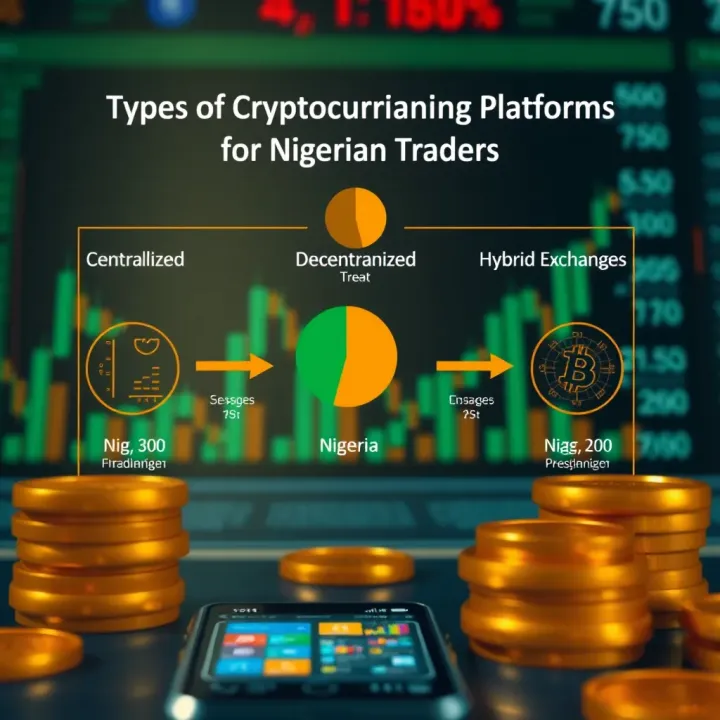
Centralised Exchanges (CEX): These platforms act as middlemen, holding your funds and handling trades on your behalf. Examples include Binance, LUNO, and Quidax. They offer user-friendly interfaces and robust liquidity but require trust since you don’t fully control your assets.
Decentralised Exchanges (DEX): These platforms allow peer-to-peer trading without an intermediary, running on blockchain protocols like Uniswap or PancakeSwap. While DEXes give you more control over your funds, they can be more complex and lack the straightforward customer support found in CEXs.
Brokerage Services: These provide simplified crypto purchases using fiat money, useful for beginners who want to acquire crypto quickly without diving into order books or trading pairs.
Security should be a major concern. Nigerian traders often face phishing scams, fake platforms, or accounts getting hacked. Look for platforms that offer two-factor authentication (2FA), withdrawal whitelist, and cold storage for digital assets — this means they keep most funds offline, away from hackers.
Nigerian regulators have yet to provide comprehensive rules for cryptocurrency, so traders must exercise extra caution. Platforms registered with the Securities and Exchange Commission Nigeria or licensed by reputable international bodies offer a greater layer of protection.
Finally, fees and payment methods matter. Platforms that accept local payment options like bank transfers or mobile wallets can save costs and time. Also, review trading fees, withdrawal charges, and any hidden costs before committing funds.
Knowing these basics will position you better to select a platform that fits your goals and safeguards your ₦ investments. From liquidity and ease of use to security features and payment options, understanding these factors empowers you as a Nigerian trader navigating today's crypto space.
Crypto trading platforms are the backbone of digital currency exchange. In Nigeria, where interest in cryptocurrencies like Bitcoin and Ethereum has surged, understanding what these platforms are and how they work is the first step for any trader. These platforms not only enable buying and selling but also provide necessary tools for market analysis and managing digital assets securely. For Nigerian traders, choosing the right platform affects profitability and safety.
Crypto trading platforms are online services where users buy, sell, or exchange cryptocurrencies. Think of them as digital marketplaces similar to traditional stock exchanges, but specifically for crypto assets. These platforms can vary widely—from simple apps allowing easy coin swaps, to complex systems offering futures trading and leverage. For example, platforms like Binance Nigeria and Luno provide easy Naira deposits for beginners, while others offer advanced charting for seasoned traders.
Most crypto platforms operate by connecting buyers and sellers via an order book or matching engine. When you place a trade, the platform searches for a matching order—say, someone wanting to sell Bitcoin at your desired price. Funds are held securely in digital wallets managed by the platform or, in decentralised cases, directly by users. Nigerian traders often fund accounts using local bank transfers, USSD codes, or fintech wallets. Security features like two-factor authentication are common to keep funds safe.
Nigerian traders use crypto platforms for various reasons. Many buy cryptocurrencies as a hedge against naira inflation or for remittance savings, given the volatile exchange rate. Some engage in active trading to profit from price swings, using spot trading or margin options on platforms such as Quidax or Bundle Africa. Others use peer-to-peer marketplaces to swap crypto for local currency discreetly. Beyond trading, crypto platforms serve as gateways to blockchain-based services like NFTs and DeFi, attracting tech-savvy Nigerians seeking new investment opportunities.
Understanding these basics helps Nigerian traders pick platforms that fit their goals, whether it's long-term holding, day trading, or participating in new blockchain ventures.
Crypto trading platforms come in different shapes and sizes, each offering unique features suited to various trading styles and security preferences. Understanding these types helps Nigerian traders pick the right platform to match their needs, whether for quick trades, long-term investments, or peer-to-peer exchanges.
Centralised Exchanges are the most common and straightforward platforms for crypto trading. Examples like Binance, Binance Nigeria, Luno, and Quidax lead the market, providing a familiar interface similar to traditional stock trading apps. These platforms manage users’ funds directly, which simplifies the trading process by offering easy deposit, withdrawal, and conversion options.
The main advantages of CEXs include high liquidity, fast transaction times, and access to advanced features such as margin and futures trading. However, the flip side is that users rely heavily on the platform’s security. Hacks or regulatory restrictions can affect access to funds, which is a real risk in Nigeria where occasional forex controls or CBN directives may impact crypto exchange operations.
Unlike CEXs, Decentralised Exchanges operate without a central authority. Instead, trades happen directly between users via smart contracts on the blockchain. This means DEXs reduce reliance on a single entity, giving traders more control over their assets.
Popular DEX platforms in Nigeria include PancakeSwap on the Binance Smart Chain and Uniswap on Ethereum. These platforms allow you to swap tokens without creating accounts or going through lengthy verification processes, but they generally have lower liquidity than CEXs. DEXs often appeal to tech-savvy traders who value privacy and decentralisation, though they may face higher transaction fees and slower trades during network congestion.
P2P marketplaces connect buyers and sellers directly, allowing them to negotiate prices and payment terms without intermediary control. Platforms such as Binance P2P and Paxful are popular in Nigeria because they support local bank transfers, USSD payments, and mobile money channels.
For Nigerian traders, P2P trading is especially useful amid fluctuating naira exchange rates and occasional banking restrictions on crypto-related transactions. P2P allows more flexibility in payment methods and can bypass certain regulatory hurdles. However, traders must be cautious to avoid scams by verifying counterparties carefully and using escrow services offered by reputable platforms.
Choosing between CEX, DEX, and P2P platforms depends on your trading goals, security comfort, and payment preferences. Many Nigerian traders use a combination, balancing ease, control, and risk accordingly.
CEX: High liquidity, fast trades, user-friendly but relies on platform security
DEX: Decentralised control, good privacy, but can have liquidity and fee challenges
P2P: Flexible payments, local currency support, requires careful counterpart checks
This classification guides Nigerian traders to navigate crypto markets effectively, aiming for safer and smarter investing with their ₦ assets.
Selecting the right crypto trading platform is more than just finding one with flashy features. Nigerian traders must focus on security, available trading options, fees, payment methods, and the overall user experience. These elements directly impact your ability to trade safely, cheaply, and effectively within the unique Nigerian context.
Two-Factor Authentication (2FA) safeguards your account by requiring a second verification step before access. This usually involves a code sent to your phone or generated by an app. Since cybercrime is common, especially phishing attacks targeting Nigerian users, 2FA acts like an extra lock to keep hackers at bay.
Cold Wallet Storage means the platform keeps most user funds offline and isolated from internet access. This method protects against hacking, which is a real threat on platforms storing crypto online. Nigerian traders should prefer exchanges that clearly state their use of cold wallets, ensuring your ₦ investments aren’t sitting vulnerable on the web.
Insurance and Guarantees offer a safety net when things go wrong. Some exchanges insure user deposits or have compensation policies covering losses from hacking or system failures. While not widespread among Nigerian-friendly platforms, those that provide these protections demonstrate commitment to user trust and risk management.
Platforms offering spot trading let you buy and sell cryptocurrencies immediately at current prices, which is straightforward for beginners. Futures and margin trading, on the other hand, allow more experienced traders to speculate on price movements with leverage, but they come with higher risk—something Nigerian traders should approach carefully.
A wide variety of coins and tokens means you’re not limited to Bitcoin or Ethereum. Nigerian traders benefit from platforms listing altcoins popular locally or promising projects with potential growth. Some platforms include Nigerian-focused tokens, which adds to their appeal.
Transaction and withdrawal fees can quickly eat into your profits if unchecked. Always compare how much platforms charge per trade and for pulling out your funds. Nigerian traders should note that some exchanges have hidden charges when converting from Naira to foreign currencies, so clarity is key.
Supported payment channels in Nigeria matter because they influence ease of funding your account. Popular options include local bank transfers, USSD codes, and mobile money wallets. Platforms integrating with Nigerian banks or fintech services like Paystack offer smoother deposits and withdrawals.
A clear and responsive user interface makes a big difference, especially when market prices change fast. Nigerian traders appreciate platforms that balance simplicity with enough detail for informed trading. Good customer support—via live chat, email, or phone—helps solve issues promptly, crucial in a market where timing matters.
Choosing a crypto trading platform should balance strong security, diverse trading options, low fees, and local payment support. This ensures your trading experience is smooth and safe in the Nigerian environment.
As crypto trading gains traction among Nigerian investors, understanding the associated security risks is vital. Scam cases keep emerging, often hitting unsuspecting traders who may not recognise red flags early enough. By knowing what's out there and how to protect yourself, you keep your hard-earned ₦ investments safer and trade with more confidence.
Phishing scams involve fraudsters impersonating legitimate crypto platforms or sending deceptive emails and messages. For instance, a trader might receive an email resembling official communication from a popular exchange like Binance or Luno, urging immediate action—usually to "verify account details" or "reactivate wallet access." The link leads to a fake site designed to steal login credentials or private keys.
Fake exchanges also lure traders with attractive offers, promising high returns or zero fees but disappear with deposit funds once enough victims fall for the trap. Nigerian traders have reported such scams especially on social media, where impostors copy popular platform branding and contacts. Verifying URLs and official sources before logging in or investing can save you from losing thousands of naira.
Ponzi and multi-level marketing (MLM) schemes promise high returns from cryptocurrency investments or trading, but they depend on recruiting new members to pay earlier investors. Unlike genuine crypto trading, they have no sustainable revenue-generation through market activity.
In Nigeria, several cases emerged where unsuspecting traders were encouraged to buy tokens or participate in ‘investment plans’ that promised daily or weekly payouts. These schemes collapse quickly, leaving most participants at a loss except those at the top. Being cautious about offers that seem too good to be true and researching the real business model can help avoid such traps.
Keeping your crypto safe starts with using a secure wallet. Hardware wallets, like Ledger or Trezor, store private keys offline, reducing the risk of hacking. Even mobile or desktop wallets should have strong passwords and enable two-factor authentication (2FA).
Be careful about sharing seed phrases, the master code to recover your wallet. Anyone with this information can access your funds. Nigerian traders should also back up wallet data securely, preferably offline, to avoid loss during system failure or theft.
Before trading, confirm the platform’s legitimacy through multiple checks. Look for proper registration, transparent contact details, clear terms, and user reviews. Platforms regulated or recognised by Nigerian authorities or known international bodies tend to have better security standards.
Watch out for platforms operating anonymously or refusing to provide clear information. If the platform doesn’t support necessary security features, it might not be safe. Nigerian traders often encounter clones of real platforms; double-check URLs and compare with official sources to stay clear of fraud.
CBN has issued guidelines limiting banks and financial institutions from facilitating crypto transactions. This directive aims to shield citizens from unregulated markets and scams, although it complicates direct fiat-to-crypto transactions.
Understanding these rules helps Nigerian traders navigate funding and withdrawals legally and safely. Using alternative payment means like P2P platforms becomes necessary, but caution remains key to avoid falling prey to counterfeit deals.
Nigeria’s government is contemplating clearer crypto regulation to bring transparency and consumer protection without stifling innovation. Expected measures include licensing of exchange operators, anti-money laundering protocols, and investor education drives.
For traders, this evolving legal framework promises a safer trading environment soon. Keeping up with regulatory updates helps Nigerian traders comply with the law while safeguarding investments against scams and fraudulent operators.
Staying alert to scams and following security practices isn’t just smart; it’s essential to protect your ₦assets in Nigeria’s growing but risky crypto market.
By focusing on these key areas, you stand a better chance against the common risks in crypto trading. Security isn’t just technical; it’s about informed decisions, active vigilance, and practical everyday habits.
Effective use of crypto trading platforms can make a big difference to your success as a trader in Nigeria. With the naira’s volatility and the unique challenges in the local market, understanding how to set up accounts, fund transactions, and manage trades well is crucial. Proper use not only saves costs but also enhances security and maximises gains from market movements.
Starting with a crypto trading platform involves creating an account and completing verification steps. Most reputable platforms require a Know Your Customer (KYC) process, where you provide your National Identification Number (NIN), valid ID, and sometimes proof of address. This step is important to protect against fraud and ensure compliance with Nigerian financial laws.
Although verification may take time, especially if demand is high, completing it early avoids interruptions during trading or cashouts. Platforms like Binance or Quidax have straightforward signup processes but always double-check you’re on the official website to avoid fake sites.
Funding your crypto account can be done via local bank transfers using internet banking or mobile banking apps from GTBank, Access Bank, or Zenith. USSD codes offer quick payment methods on basic phones without internet, often linked to your bank. Mobile money services like Paga and OPay also enable instant deposits, making it simpler to add naira to your wallet.
These options are practical for Nigerian traders who might face challenges with international card payments or forex restrictions. They also lower transaction costs compared to foreign bank wire transfers.
Most Nigerian crypto platforms allow deposits and withdrawals in naira, which protects you from immediate foreign exchange risks. However, some platforms accept or require US dollars or stablecoins like USDT for trading pairs. Knowing how to switch between naira and these foreign currencies is vital for optimising your trades.
You can convert naira into USD via fintech platforms before trading or withdraw profits accordingly. Just remember that exchange rates and FX controls may influence your timing for conversions.
Familiarity with market behaviour is essential for profitable trading. Nigerian markets often react to global crypto news, CBN policy announcements, or local economic events like fuel scarcity or political changes. Following daily price charts, analysing volume trends, and paying attention to sentiment indicators help you decide when to buy or sell.
For example, after a CBN announcement on cryptocurrency policy, there may be sudden price swings. Recognising these patterns lets you act quickly and avoid losses.
Using stop-loss and take-profit orders protects your capital by automatically selling assets when the price hits set levels. For instance, if you buy Bitcoin at ₦28 million and set a stop-loss at ₦27 million, your position will sell if prices drop, limiting bigger losses.
Similarly, take-profit orders lock in gains by selling once a target price is reached. Deploying these tools helps manage risk in Nigeria’s volatile market, especially during ember months when price swings intensify.
Managing your trades with discipline using these strategies keeps your portfolio safer and improves your chances of consistent profits.
Mastering these practical aspects of crypto platforms puts Nigerian traders on solid ground to navigate this exciting but often unpredictable market.
🔍 Explore top crypto trading platforms in Nigeria! Compare features, fees, security, local payments & support to choose the best fit for you.
🚀 Dive into crypto trading in Nigeria! Learn key concepts, strategies, risks, and get practical tips for safe, smart investing in Nigeria’s crypto scene.
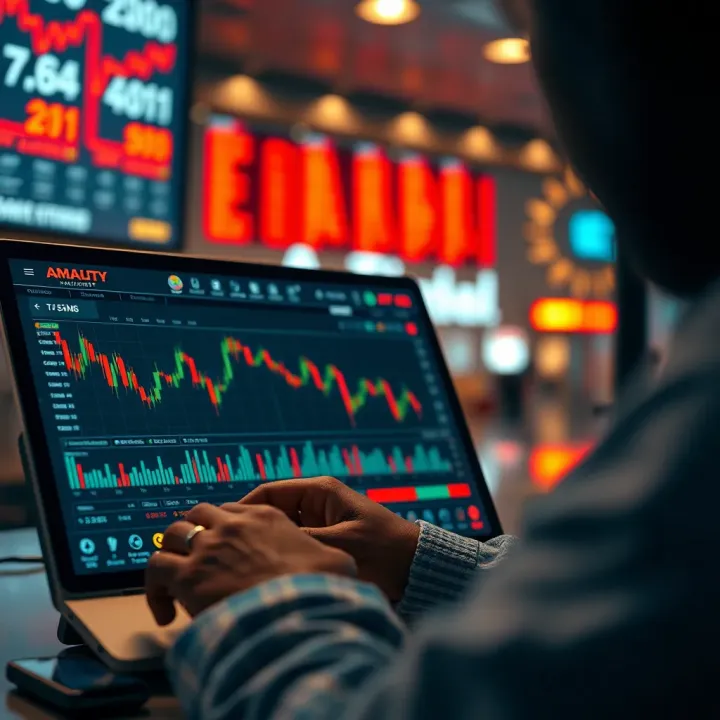
🔍 Find the best crypto trading platforms in Nigeria! Learn about security, fees, ease of use, and support to trade smartly and safely. 💰📱
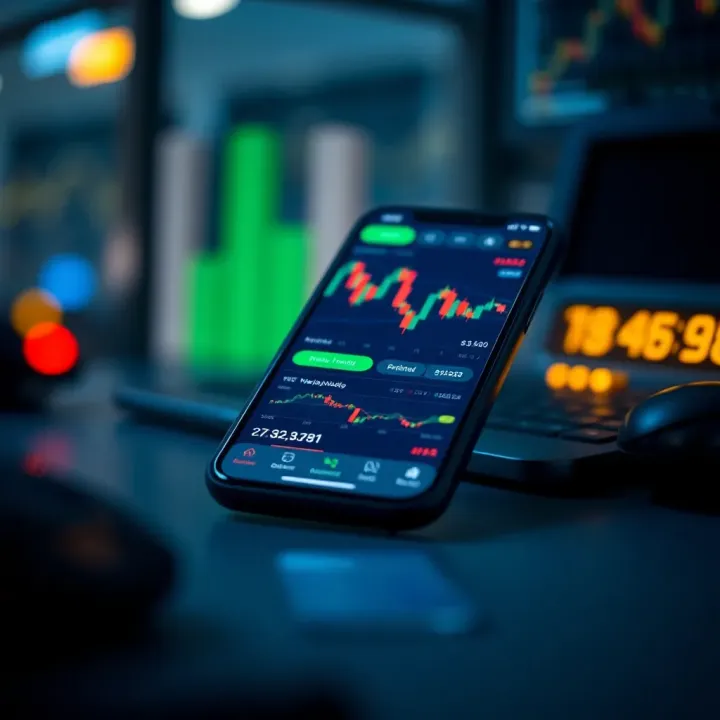
Looking for the best trading app in Nigeria? 📱 Discover key features, security tips, costs, and user-friendly platforms to boost your investing journey today!
Based on 5 reviews