

Crypto Trading Guide for Nigerian Investors
🚀 Dive into crypto trading in Nigeria! Learn key concepts, strategies, risks, and get practical tips for safe, smart investing in Nigeria’s crypto scene.
Edited By
Amelia Sanders
Crypto trading has gained serious traction in Nigeria, attracting investors, traders, analysts and even educators keen on understanding this dynamic market. However, navigating crypto trading without solid training is like riding a danfo without knowing the destination—you might get to somewhere, but it might not be where you intended. That's why crypto trading courses tailored for Nigerian learners are becoming essential.
Unlike traditional stock markets, crypto trading operates 24/7 and spans a global network, making it both thrilling and complex. Nigerian crypto traders frequently face unique challenges: naira volatility, power supply interruptions, and varying regulatory clarity. Practical courses help learners build skills that address these realities, rather than applying generic strategies borrowed from other markets.

Look out for courses that cover core topics such as:
Understanding blockchain technology and cryptocurrencies
How to use popular Nigerian and global platforms like Binance, Luno, and REMITANO
Technical and fundamental analysis tailored to crypto assets
Risk management strategies suited to Nigeria’s economic environment
Courses can vary widely — from short online tutorials focused on basics, to in-depth programmes offering hands-on trade simulations and mentorship. Many Nigerian providers integrate local economic factors and even discuss the impact of ember months on trading volumes.
Starting with a well-structured course can save you from costly mistakes and help you make informed decisions in crypto trading.
When choosing a course, consider:
Credibility of the educators: Look for trainers with proven track records in crypto trading, preferably within Nigeria's context.
Relevant content: The course should address not only theory but practical application, including how to fund your crypto wallets with naira and manage withdrawal limitations.
Accessibility and support: Check if the course offers Q&A forums, community groups, or live sessions to clarify doubts.
In sum, crypto trading courses designed with Nigerian traders in mind empower you with knowledge, practical skills and tools to trade confidently. With the right education, you can better navigate this fast-moving market and protect your ₦ investments from common pitfalls.
Grasping what crypto trading entails is a vital first step for anyone looking to dive into this fast-growing digital market. Without a solid understanding, it's easy to fall for mistakes that could cost ₦ thousands or even millions. This section breaks down the essentials, helping you build a foundation before committing time and money to courses or trades.
Cryptocurrency trading involves buying and selling digital currencies like Bitcoin or Ethereum to make a profit. Unlike cash or bank money, cryptocurrencies operate on blockchain technology—a decentralised ledger that records transactions securely and transparently. What makes crypto trading practical is the possibility of trading 24/7 across global markets without relying on traditional banks.
Trading these assets means speculating on price movements. If you buy Bitcoin at ₦8 million and later sell it at ₦10 million, you make a profit. On the other hand, if prices drop and you sell at a loss, you risk losing part of your initial investment.
Crypto trading differs from traditional stock or forex trading mainly due to its volatility and market hours. Cryptocurrencies can swing wildly within short periods, offering both risks and rewards. Unlike stocks that mostly trade during market hours, crypto markets run all day and night. This means Nigerian traders can engage any time, even during weekends or public holidays.
Common cryptocurrencies traded in Nigeria include Bitcoin (BTC), Ethereum (ETH), and stablecoins like Tether (USDT). Naija traders favour stablecoins and Bitcoin for hedging against naira depreciation, while Ethereum’s smart contract abilities appeal more to tech-savvy investors. Platforms like BuyCoins and Binance allow easy access to these coins, making the market approachable for everyday Nigerians.
Several economic realities push Nigerians towards crypto trading. Persistent inflation, scarce foreign currency, and limited banking options make cryptocurrencies an attractive alternative. For instance, with the naira weakening against the dollar, many see buying Bitcoin or stablecoins as a way to preserve the value of their savings.
Local fintech platforms play a big role by simplifying crypto access. Apps such as OPay and BuyCoins let users trade cryptocurrencies right from their phones, bypassing the usual hurdles of traditional finance. These innovations open doors for thousands who can’t access formal banking but want to benefit from crypto markets.
Exchange rate fluctuations also fuel crypto’s appeal. When the naira falls, converting savings into cryptocurrencies or dollar-backed stablecoins can protect buying power. This hedging effect is particularly valuable during periods of economic uncertainty or when petrol subsidy removals and inflation hit household budgets hard.
Understanding the dynamics of crypto trading in Nigeria — from economic drivers to market mechanisms — equips you with practical insight to make informed decisions and spot real opportunities.
By recognising these factors, you can approach crypto trading courses with clearer expectations and focus on the areas that matter most to Nigerian learners.
Choosing a crypto trading course starts with understanding its core features and how they apply to real trading in Nigeria. The right course will equip you with foundational knowledge, practical skills, and strategies that reflect local market realities. This section breaks down what to expect so you know what to look out for before investing your time and money.
At the heart of crypto trading is blockchain technology. Any solid course explains this as a decentralised ledger that records transactions across many computers. This ensures security and transparency, which banks or traditional exchanges don't always offer. Nigerian traders who understand blockchain are better placed to appreciate why cryptocurrencies like Bitcoin or Ethereum hold value and how transactions happen without middlemen.
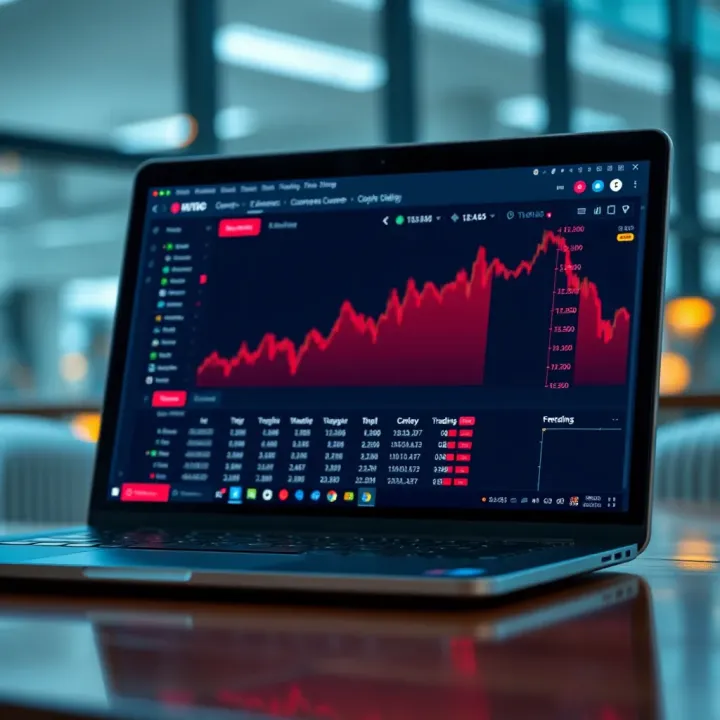
Good courses teach you how to read price charts, spot trends, and use indicators like Moving Averages or RSI (Relative Strength Index). This skill helps predict short-term price movements so you can buy or sell at the right time. For example, a trader using technical analysis on Luno or Binance might spot a pattern indicating a price surge in Bitcoin and act quickly.
You'll learn various approaches such as day trading, swing trading, and HODLing (long-term holding). Each has pros and cons depending on your risk appetite and time. Understanding strategies helps tailor your trading plan—for instance, swing trading suits those who cannot monitor the market every minute, while day trading demands constant attention.
Online courses offer flexibility, crucial for busy Nigerians juggling work and family, with platforms like Udemy or local fintech providers offering access 24/7. In-person classes, however, provide direct engagement and immediate feedback, which some learners find more effective. The key is choosing the mode that matches your learning style and schedule.
Self-paced courses let you learn at your own speed, revisiting tricky topics without pressure. This suits those disciplined enough to stay on track without deadlines. Instructor-led classes offer structured lessons and live Q&A, making them better for beginners who need more guidance.
Look for courses with hands-on elements like demo trading accounts or live market simulations. These help you practise real trades without risking ₦, reinforcing learning far better than just theory. Assignments that require analysing charts or making trading decisions prepare you for actual market conditions and develop your confidence.
Practical learning combined with strong foundational topics shapes a trader ready for Nigeria's unique crypto environment. These key features also safeguard against common pitfalls like scams and poor strategy.
Knowing what to expect helps you pick a crypto trading course that delivers real value, so you build skills you can trust in Nigeria’s dynamic market.
Selecting the right crypto trading course is essential for anyone serious about navigating Nigeria’s fast-evolving digital currency market. The right course can equip you with practical skills, protect your investment, and reduce costly mistakes. Poorly designed courses, however, may leave you confused or expose you to risks, especially in a market known for volatility and regulatory shifts.
Course Credibility and Instructor Expertise
A trustworthy course should come from a credible source with verified instructor credentials. In Nigeria, look for educators who have direct crypto trading experience on local platforms like BuyCoins or OPay. Their background should include a sound understanding of blockchain technology and the nuances of Nigerian market conditions. This expertise directly impacts the quality of teaching and your chance of learning real, actionable skills.
Reviews and Success Stories from Nigerian Participants
Hearing from other Nigerians who have taken the course adds practical perspective. Positive testimonials can highlight how the course addresses local challenges, such as currency exchange rates or payment methods, which generic international courses often overlook. For example, a trader in Lagos sharing how a course helped with understanding naira-crypto conversion issues lends credibility and relevance.
Cost Relative to the Course Content and Depth
Cost matters, but it should match the value offered. Expensive courses aren't always better, and very cheap ones may skimp on crucial content. Evaluate what the course covers—are there live trading sessions, detailed technical analysis, or ongoing mentorship? Weigh these against the fee. A ₦75,000 course offering hands-on practice and lasting access might be more worthwhile than a ₦20,000 course with just basic video lectures.
Local Fintech Firms Providing Courses
Nigerian fintech companies such as BuyCoins and Bundle have started offering crypto education alongside trading services. These courses typically include practical lessons on using their platforms and managing local payment methods like USSD transfers. Choosing a course from such firms can be advantageous because they tailor content to Nigeria’s market realities and regulatory environment.
International Platforms Accessible in Nigeria
Platforms like Binance Academy and Coursera provide globally recognised courses that Nigerians can access online. While their content is thorough and updated regularly, they might lack context on Nigeria’s banking challenges, naira volatility, or local regulatory policies. Using international courses in combination with local resources can provide a more rounded education.
Certification and Professional Development Options
Courses offering certification add value, especially for those seeking to build a career or consultancy in crypto trading. Nigerian traders can look for certificates recognised by local fintech bodies, professional forums, or international blockchain organisations. Such credentials enhance credibility when dealing with clients, employers, or investors.
Choosing wisely is about more than price or promises—it’s about finding a course that fits Nigeria’s unique crypto environment, backed by real expertise and local insight.
By focusing on these factors and platforms, you can find a crypto trading course that truly prepares you for the twists and turns of Nigerian crypto markets.
Using reliable tools and platforms is fundamental for anyone looking to trade cryptocurrency effectively in Nigeria. These resources not only help learners grasp trading concepts but also enable practising traders to execute deals, analyse market trends, and manage risks. Getting familiar with popular Nigerian exchanges, international platforms, and analytical tools paves the way for better decision-making and a smoother trading experience.
OPay, BuyCoins, and other Nigerian exchanges provide localised solutions for crypto trading, tailored to Nigerian users’ specific needs. For instance, OPay offers a simple and fast way to buy and sell Bitcoin and other tokens with naira, making onboard new traders easier. BuyCoins stands out by supporting direct NGN deposits and quick withdrawals, which many Nigerians find essential due to frequent bank restrictions on cryptocurrency-related transactions.
These platforms are practical because they bridge the gap between fiat currency and cryptocurrency in Nigeria's unique financial ecosystem. They often comply with regulatory expectations and offer support in Pidgin or simplified English, which helps many traders who are new to crypto trading.
Features of platforms like Binance and Luno bring global market access to Nigerian traders. Binance, with its wide range of cryptocurrencies and advanced trading options like futures and margin trading, caters to more experienced traders. On the other hand, Luno offers a user-friendly interface and educational resources, making it popular among beginners and those focusing on Bitcoin and Ethereum.
Both platforms provide multiple payment options, wallets, and security features such as two-factor authentication (2FA). Nigerians benefit from their multi-device accessibility and customer support that understands local issues, allowing more confidence when managing their funds.
Mobile apps and desktop interfaces are crucial for crypto traders due to Nigeria’s often unpredictable power and internet availability. Apps from Binance, OPay, Luno, and BuyCoins offer mobile-optimised platforms that allow trading on the go, even during power outages.
Desktop versions typically provide richer charting tools and screen space, useful for detailed technical analysis. Traders who combine mobile and desktop use gain flexibility: checking simple portfolio movements on mobile before settling in for deeper analysis on their laptops.
Charting software and indicators allow traders to decode price movements and predict market trends. Tools like TradingView and Coinigy support integration with Nigerian exchanges, offering indicators such as Moving Averages, RSI (Relative Strength Index), and MACD, which help traders understand momentum and potential price reversals.
Learning to interpret these charts is an essential part of most crypto trading courses because it transforms data into actionable insight rather than guesswork. Nigerian traders who master charting reduce the risk of rash decisions during volatile market swings.
Demo accounts and simulated trading give learners risk-free environments to practise trading strategies before committing real naira. Many international platforms, including Binance and Luno, offer this feature, allowing beginners in Nigeria to familiarise themselves with order types, market behaviour, and timing.
This practical experience, without financial exposure, builds confidence. It helps traders understand how stop-losses or take-profits function, sharpening their skills so that when real money is involved, decisions are better informed.
Community forums and social trading networks such as the Binance Community, Telegram groups, and Reddit offer Nigerian traders access to shared experiences and strategies. These platforms function as informal classrooms where traders ask questions and exchange insights on new developments or regulatory changes.
Some social trading networks allow users to follow experienced traders’ portfolios, copying their moves directly. For Nigerian traders aiming to improve quickly, blending formal course knowledge with peer learning is very effective.
Being conversant with practical tools and platforms isn't just a suggestion; it shapes how well Nigerian traders adapt to fast-changing crypto markets and protect their investments.
This combination of local and international platforms, alongside strong analytical tools and community support, creates an ecosystem where Nigerian crypto traders can learn confidently and trade smartly.
In crypto trading, managing risks and maximising gains is essential, especially in Nigeria where the market is still evolving and fluctuates sharply. Without clear risk controls, traders expose themselves to steep losses that can wipe out their investments overnight. At the same time, sound strategies for maximising gains help Nigerians protect their ₦ investments and capture the upside potential of this volatile market.
Cryptocurrency prices are notorious for wild swings. In Nigeria, where the naira's value shifts unpredictably and external factors impact crypto demand, traders often see sharp spikes or sudden crashes within hours. For example, Bitcoin might jump from ₦25 million to ₦28 million in one day, then drop sharply the next. Such volatility can either swell profits or cause heavy losses, making it crucial to anticipate these swings and avoid panic selling.
Scams in crypto trading remain a significant threat for Nigerian traders. Fraudsters often set up fake platforms, phishing schemes, or pyramid-like investment schemes promising quick returns. Insecure wallets and weak passwords expose traders’ funds to hacking. There have been several cases where unsuspecting users lost millions of naira to impersonators posing as official exchanges or support agents. Awareness and practical security measures are key to safeguarding funds.
The Central Bank of Nigeria (CBN) and Securities and Exchange Commission (SEC) have issued warnings but no clear, definitive legal framework exists for crypto trading yet. This regulatory grey area causes confusion and increases risk for traders. For instance, sudden restrictions on bank transfers linked to crypto platforms have disrupted trading activity in Nigeria before. Staying alert on policy shifts helps traders avoid unexpected closures or fund freezes.
Traders must set clear profit goals and stop-loss limits to control losses when the market turns against them. For example, placing a stop-loss at 10% below the purchase price automatically exits a trade before losses escalate. Realistic targets prevent greed-driven decisions; aiming to double investment overnight usually leads to poor choices. Nigerian traders need to balance ambition with discipline for consistent gains.
Putting all investment in one cryptocurrency increases risk, especially amid unpredictable market trends. Diversifying across coins like Bitcoin, Ethereum, and stablecoins can reduce losses if one asset tanks. For instance, when Bitcoin dipped sharply in 2023, stablecoins like USDT kept value steady, cushioning traders. Nigerian traders should spread their ₦ investments to safeguard overall portfolio value.
Monitoring announcements from the CBN and SEC helps traders anticipate changes affecting crypto operations in Nigeria. Timely awareness enables quick action, such as moving funds from affected platforms or adjusting strategies ahead of policy enforcement. Subscribing to credible financial news sources or following official releases is a practical habit that reduces surprises and saves funds.
Managing risks isn’t about avoiding every loss but controlling them smartly while positioning yourself to benefit from crypto’s potential gains. Nigerian traders who act on risk strategies tend to stay in the game longer and build wealth steadily.
🚀 Dive into crypto trading in Nigeria! Learn key concepts, strategies, risks, and get practical tips for safe, smart investing in Nigeria’s crypto scene.
Discover how crypto trading bots can help Nigerian traders automate deals, save time ⏰, manage risk, and navigate legal & security issues in Nigeria's crypto market ₦.
Explore key features of crypto trading websites in Nigeria 🇳🇬, learn how to pick the right platform, and avoid common risks when trading ₦ digital assets safely 🔐.
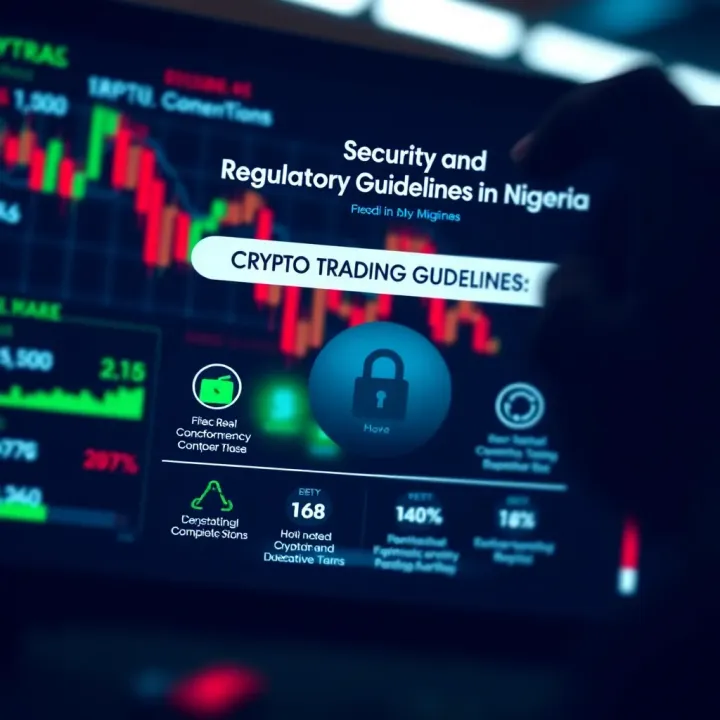
Explore the nuts and bolts of crypto trading platforms in Nigeria 🇳🇬: types, security tips, regulatory advice, and how to protect your ₦ investments wisely. 📈💼
Based on 13 reviews