
How to Choose the Best Crypto Platform in Nigeria
Discover how Nigerian investors can pick the best crypto trading platform 🔍 Explore security, fees, user experience, and top choices for smart trading decisions 📈
Edited By
Sophie Wells
Cryptocurrency trading is gaining solid traction in Nigeria, thanks to growing internet penetration and increased awareness of digital assets. For traders and investors, the choice of a crypto trading site is critical to safety, convenience, and profitability. Picking the right platform is not just about flashy interfaces or hype—it boils down to trustworthiness, security, fees, and ease of use.
In Nigeria, some popular exchanges like Binance, Luno, and Quidax have attracted many users, but new platforms appear regularly, each claiming to offer better deals or lower fees. As a trader, you must look beyond surface-level features and verify the platform’s reputation, regulatory compliance, and user experience.
Always check if the exchange supports Nigerian Naira (₦) trading pairs and local payment methods such as bank transfer or USSD codes. This helps avoid extra conversion fees and delays.
Security remains the cornerstone when dealing with crypto exchanges. Platforms that use two-factor authentication (2FA), cold wallet storage for user funds, and regular security audits can significantly reduce risks. Avoid sites with poor transparency about their security policies or those that have no clear way of handling disputes or fraud.
Look at the fee structure closely. Some exchanges charge variable trading fees depending on trading volume, while others have flat rates. Hidden fees on deposits or withdrawals can erode your profits, so compare before committing. For instance, Binance offers extensive options but can be complex for a beginner, while Luno might provide a more straightforward interface suited to newcomers.
Another helpful tip for Nigerian traders is to read user reviews and community discussions on platforms like Nairaland or Reddit Nigeria threads. These sources often reveal experiences that official websites do not mention.
Finally, check the platform’s regulations status relative to Nigerian law. Although the Central Bank of Nigeria (CBN) has restrictions on banks facilitating crypto transactions, some exchanges operate within these constraints by partnering with fintech firms or using peer-to-peer (P2P) channels.
By starting with the right trading site that caters well to Nigerian users, you lay a strong foundation for successful crypto trading in a market that can be as rewarding as it is challenging.
Cryptocurrency trading has become a compelling activity for many Nigerians seeking alternative ways to manage wealth and income. Understanding crypto trading is essential because it offers new financial avenues beyond traditional banking and investment systems, especially in the face of naira instability and rising inflation. This section explains the basics of crypto trading and why it resonates strongly with Nigerians today.
At its core, cryptocurrency trading involves buying and selling digital currencies like Bitcoin, Ethereum, or Litecoin on online platforms. Unlike physical money, cryptocurrencies exist as codes secured by cryptography on blockchain networks. Traders aim to profit by buying when prices are low and selling when prices rise, capitalising on market fluctuations. For example, a trader might buy Bitcoin at ₦15 million and sell later at a higher rate, making a profit from the difference.
Crypto trading differs from traditional investing in that it's usually short-term and more speculative. While investing often means holding assets over years to benefit from long-term growth or dividends, trading is about reacting to price changes on shorter timescales, sometimes minutes or hours. Nigerian traders often engage in daily or weekly trades to maximise returns amid volatile market swings. This approach requires constant attention to market trends and news rather than a buy-and-hold mindset.
One main driver is hedging against naira volatility. The Nigerian naira experiences frequent depreciation due to economic challenges, inflation, and foreign exchange scarcity. By converting some savings into cryptocurrencies, Nigerians try to preserve value and avoid losing purchasing power. For instance, during periods of naira drop against the US dollar, crypto prices denominated in USD can provide a buffer, helping traders protect their wealth.
Another factor is the potential for quick profits during the ember months, the period from September through December. These months come with increased spending on festivities and events like Sallah and Christmas, motivating traders to earn extra income fast. Crypto markets often become more active due to global interest, providing more trading opportunities for Nigerians looking to capitalise on price swings.
Finally, fintech innovation and mobile access make crypto trading more accessible than ever. Platforms like Binance, BuyCoins, and Yellow Card offer Nigerian users apps and websites compatible with mobile devices, enabling seamless trading even in traffic-choked Lagos or remote areas. Moreover, integration with local payment systems and use of Nigerian Banking Verification Numbers (BVN) smoothen transactions, encouraging wider adoption among young traders who prefer cashless, fast digital solutions.
Understanding these practical realities helps Nigerian traders and investors make informed choices when engaging with crypto trading platforms.
In summary, crypto trading in Nigeria emerges as a response to economic conditions, cultural spending patterns, and technological progress, making it an important sector for anyone involved in the country's evolving financial landscape.
Choosing a trustworthy crypto trading site in Nigeria is no playing; it can make or break your trading experience and financial security. Reliable platforms not only protect your funds but also offer smooth trading with low risks of fraud or technical glitches. With dozens of sites popping up daily, knowing which one measures up is key.
Two-factor authentication (2FA) is a must-have security feature for crypto platforms. It requires you to provide two types of identification before accessing your account, usually something you know (password) and something you have (a code sent to your phone). This extra layer helps guard against hackers trying to break in, especially important in Nigeria where online scams run rife. For instance, a platform without 2FA leaves your wallet vulnerable — even if someone cracks your password.
A crypto site should feel intuitive and easy to navigate, whether you're a newbie or a pro. Platforms like Binance and BuyCoins have apps that run well on Nigerian smartphones and use simple language, ensuring users can trade anytime, anywhere. Given Nigeria's heavy mobile internet usage, a mobile-friendly site can mean the difference between catching a profitable trade and missing out due to clunky design or slow loading.
Trading fees eat into your profits, so picking a platform with reasonable, clearly stated charges is vital. Some sites sneak in hidden fees on deposits or withdrawals. Reliable sites in Nigeria openly show fee structures upfront, so you can plan your trades better. For example, Paystack recently adjusted fees to remain competitive, and traders appreciate the transparency. Don't overlook how conversion rates impact fees when using Nigerian naira (₦).
Know Your Customer (KYC) and Anti-Money Laundering (AML) processes protect both traders and platforms from fraud and illegal activities. Nigerian crypto sites usually require you to submit a valid ID and sometimes proof of address before trading. While some find this tedious, it adds credibility and helps avoid issues like frozen accounts or scam platforms. Proper KYC/AML safeguards the whole ecosystem, so pick platforms that actively enforce these checks without delay.
Although Nigeria's crypto regulatory landscape is still evolving, checking if a platform has any form of license or recognition is useful. The Central Bank of Nigeria (CBN) has issued warnings but no outright ban on trading, so many platforms operate under various regulatory frameworks. Trusted platforms will be upfront about their status and comply with Nigerian financial laws. Lack of licensing can signal risk — meaning your funds might not be safe if problems arise.
Good crypto platforms provide reliable customer service with multiple channels like phone, email, or live chat. In Nigeria, where internet challenges and fraud attempts can cause confusion, responsive support can quickly resolve issues like account lockouts or deposit delays. Check reviews or test their customer care before committing; slow or unhelpful responses spell trouble especially in volatile markets.
Prioritising these features when choosing a crypto trading site can shield you from loss and give peace of mind. Always research thoroughly; a little due diligence upfront saves you many headaches later on.
Understanding which crypto trading platforms are popular in Nigeria helps traders navigate the options that best suit local needs. These platforms differ in accessibility, currency options, fees, and customer support. Knowing their strengths and limitations can save both time and money, especially for beginners or those trading naira (₦).
Binance holds an edge as one of the largest crypto exchanges worldwide, and its support for Nigerian users is significant. Importantly, Binance allows users to deposit and withdraw in Nigerian Naira (NGN), simplifying transactions and avoiding expensive conversion fees. Nigerians can fund their Binance wallets through local banks or payment platforms, making it practical for those who want to trade without hassle.
Apart from naira deposits, Binance offers a wide range of cryptocurrencies and trading pairs, making it a good fit both for beginners and more seasoned traders. Its advanced security measures and frequent platform updates add to its reliability in the Nigerian context, where trust remains a key concern.
Coinbase, known for its user-friendly interface, is also accessible in Nigeria but with certain limitations. While it accepts international cards and wire transfers, Coinbase does not support direct naira deposits as conveniently as Binance. This can add to the cost and processing time when converting funds.
Nevertheless, Coinbase remains popular among Nigerians looking for a straightforward introduction to crypto trading, thanks to its ease of use and educational resources. Its regulatory compliance provides an extra layer of safety, which matters heavily in a market where scams are common.
Local platforms like BuyCoins and Yellow Card have grown in popularity because they cater specifically to Nigerian traders. These platforms support NGN deposits and withdrawals through local banks, making funding and cashing out faster and more affordable. They also offer customer service in local languages and understand Nigerian payment habits.
BuyCoins, for example, offers a simple interface and supports peer-to-peer transactions, which help traders get better exchange rates. Yellow Card is praised for low fees and quick verification processes. Both platforms aim to bridge the gap between traditional banking and crypto trading in Nigeria.
Local trading sites excel at offering quick access to crypto for Nigerians, often with lower fees and support for Nigerian banking channels. They tend to be more approachable for first-timers due to simpler interfaces and strong local customer care.
However, their limited cryptocurrency selections and occasional liquidity issues can frustrate more active traders. Also, regulatory uncertainty around crypto in Nigeria means some local platforms operate without clear licence, raising concerns about long-term stability and security. That said, for many Nigerians, these platforms remain practical gateways into the crypto space.
Choosing your platform depends on whether you prioritise convenience with naira payments or access to a wider crypto market. Global giants like Binance offer broad options, while local platforms provide seamless naira integration and localised support.
Consider:
Deposit and withdrawal methods
Fees and exchange rates
Available cryptocurrencies
Security credentials
Customer service responsiveness
Making an informed choice will improve your trading experience and reduce risks in Nigeria’s evolving crypto market.
Trading cryptocurrency in Nigeria demands more than just picking the right platform; you must also be alert to risks and smart about your approach. Practical tips help you shield your investment and make smarter moves in a volatile market. Understanding how to avoid scams, protect your digital assets, and adopt effective strategies can save you from costly mistakes.
Crypto scams in Nigeria often come in the form of fake investment schemes, phishing websites, or impersonation of legitimate exchanges. Scammers may reach out via social media or WhatsApp, promising quick returns or insider tips, but end up stealing your funds. It’s common to see Ponzi schemes disguised as trading opportunities, especially during ember months when many are eager to multiply savings. Recognising these red flags, such as unrealistic returns or urgent pressure to invest, is crucial to safeguarding your money.
Securing your digital wallets is just as essential. Many Nigerians lose cryptocurrencies due to weak password practices or phishing attacks targeting wallet login details. Always enable two-factor authentication (2FA) and use hardware wallets or reputable mobile wallets like Trust Wallet or Ledger. Avoid storing large sums on exchanges alone; transfer funds to your private wallet for better control. Making regular backups of your wallet’s seed phrase and keeping it offline ensures you won’t lose access due to technical glitches or hacks.
Starting small and diversifying your investments helps reduce risk, especially for newcomers. Instead of putting all ₦100,000 into one cryptocurrency, consider splitting it across three or four options like Bitcoin, Ethereum, and a promising altcoin. This approach spreads potential losses and gains, so a dip in one asset won’t wipe you out. It also gives you exposure to different market movements, enhancing learning.
Watching market trends and news keeps you informed when timing your trades. Nigerian traders should follow updates on naira exchange rates, CBN policies affecting cryptocurrencies, and global events influencing crypto prices. For instance, sudden changes in US Federal Reserve rates or Nigerian regulatory announcements can trigger price swings. Using platforms like Binance news feed or reputable financial news apps keeps you ahead. Avoid making impulsive decisions driven by hype; instead, look for patterns and credible information before buying or selling.
Staying cautious and informed is the best way to protect your capital and navigate Nigeria’s crypto market with confidence.
These practical steps aren’t just about avoiding loss, but about making steady progress that builds your crypto portfolio over time. Always approach trading with care and continuous learning.
Understanding the regulatory environment is key for anyone trading crypto in Nigeria. It shapes what platforms you can trust, how you handle your taxes, and what risks you might face legally. The laws around cryptocurrencies are still evolving, so it's important to stay up to date with official rules and announcements from Nigerian authorities.
The Central Bank of Nigeria (CBN) has been quite firm on its position regarding cryptocurrencies. Since February 2021, the CBN directed banks and financial institutions to close accounts linked to crypto trading platforms and discourage crypto transactions. This move aimed to limit the use of crypto in the formal banking system, citing risks of fraud and money laundering.
For traders and investors, this means you might not be able to use your local bank account to fund or withdraw from some crypto exchanges directly. Many Nigerians have adapted by relying on peer-to-peer (P2P) platforms or crypto-friendly fintech apps that convert Naira to crypto outside traditional banks.
The Federal Inland Revenue Service (FIRS) has indicated that gains from cryptocurrency trading are taxable under Nigerian law. This includes capital gains tax on profits made from selling or exchanging cryptocurrencies. However, enforcement remains inconsistent, and many traders remain unaware of their tax obligations.
Practically, it’s wise to keep detailed records of your crypto transactions, including purchase prices and dates, to calculate gains or losses accurately. Proper documentation will help you stay compliant if FIRS steps up audits or tax collections in the future.
There is ongoing discussion among Nigerian regulators about crafting clearer rules specifically for cryptocurrencies. An expected approach is a regulatory framework that legitimises crypto trading but under strict compliance rules to protect users without stifling innovation.
Such future regulations might include formal registration requirements for crypto exchanges and tighter anti-money laundering checks. These changes will likely improve investor confidence but might introduce more steps or restrictions when trading crypto.
When choosing crypto trading platforms, consider how Nigerian regulations affect their operations. Platforms compliant with local financial regulations or those offering robust KYC (Know Your Customer) and AML (Anti-Money Laundering) processes tend to provide better security and trustworthiness.
Some global platforms have limited certain services to Nigerian users due to regulatory pressures. On the other hand, local platforms like BuyCoins or Yellow Card often navigate regulatory hurdles more smoothly, although they might face liquidity or technical challenges.
Staying informed about Nigeria’s crypto policies helps you pick platforms that fit both your trading needs and compliance standards, reducing the chance of frozen accounts or legal hassles.
In summary, navigating Nigeria's regulatory environment requires awareness of CBN directives, tax responsibilities with FIRS, and how upcoming rules might shape the market. Choosing the right platform depends as much on legal adherence as on user experience and fee structure. This approach ensures smoother and safer crypto trading in Nigeria’s unique financial landscape.
Discover how Nigerian investors can pick the best crypto trading platform 🔍 Explore security, fees, user experience, and top choices for smart trading decisions 📈

Looking for the best forex trading site in Nigeria? Discover key features, safety tips, costs, and tools to pick the platform that fits your trading style 📊💹.
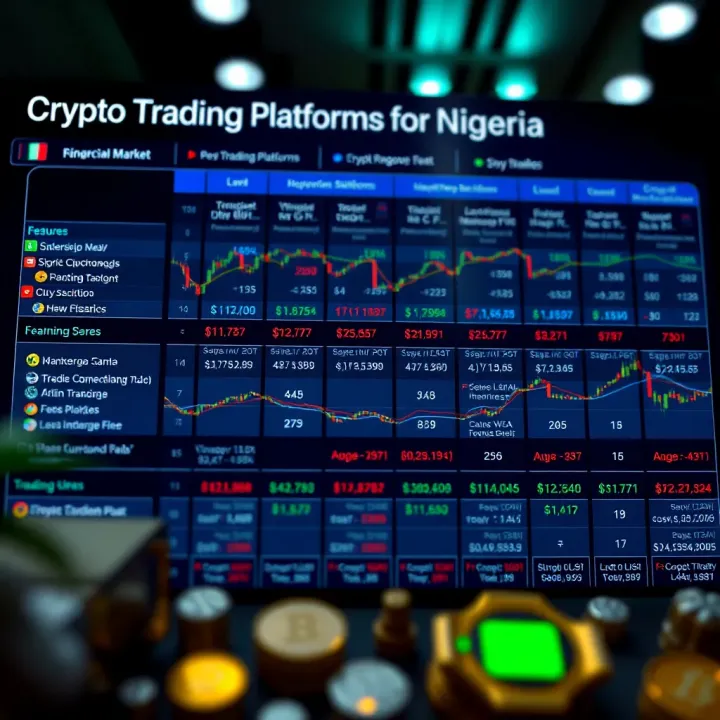
🔍 Explore top crypto trading platforms in Nigeria! Compare features, fees, security, local payments & support to choose the best fit for you.
Explore the best crypto trading bots for Nigerian traders 🤖! Learn how they work, key benefits, risks, and setup tips tailored for the Nigerian market 🇳🇬.
Based on 12 reviews