
Best Forex Trading Platforms for Nigerians
Explore top forex trading platforms in Nigeria 🇳🇬! Learn about features, security, fees, and usability to choose the best fit for your trading goals 💹.
Edited By
Thomas Reed
Forex trading in Nigeria has gained traction over the years, drawing many investors eager to tap into the global currency market. Yet, the first step towards success lies in picking the right trading platform. A platform is your gateway to the market — it needs to be trustworthy, user-friendly, and tailored to the Nigerian trading environment.
There are various types of forex platforms: some are web-based, others desktop applications, and many now focus on mobile trading to accommodate busy Nigerian traders on the go. Each comes with distinct strengths and potential drawbacks.
When choosing a forex trading platform in Nigeria, consider the following essentials:
Regulation and Safety: The platform should be regulated by recognised authorities, like the Nigerian SEC (Securities and Exchange Commission) or reputable international bodies. This helps protect your funds from shady operators.
Costs and Fees: Look beyond just spreads; check for commissions, deposit/withdrawal fees, and hidden charges. In Nigeria, payment options such as bank transfers or USSD codes (used widely for mobile banking) may impact your costs and the speed of transactions.
Trading Tools and Features: Qualitative charting tools, real-time price updates, and technical indicators are vital for making informed decisions. Platforms like MetaTrader 4/5, which many Nigerians favour, offer extensive built-in analysis tools.
Ease of Use: The interface needs to be clear and responsive across devices. Given Nigeria’s frequent power fluctuations and data costs, a lightweight, fast platform can save you stress.
Customer Support: Always check if the platform offers prompt help in local time zones, preferably with options like phone, email, and live chat.
Choosing a platform without thorough checking is like heading into Lagos traffic without knowing the routes: you might end up stuck or facing unnecessary delays.
Examples of popular platforms in Nigeria include MetaTrader 4, MetaTrader 5, and proprietary platforms from brokers like FXTM and HotForex. Each offers different benefits, so your choice should align with your trading style and objectives.
In the next section, we will explore the types of forex platforms available and the specific features Nigerian traders should prioritise to maximise their chances of success.
Understanding forex trading platforms is fundamental for anyone keen on trading currencies in Nigeria’s evolving financial landscape. These platforms serve as the gateway to the forex market, and the right choice can streamline your trading activities, improve decision-making, and protect your funds. This chapter breaks down what these platforms are, how they operate, and the popular types available, focusing on practical insights tailored for Nigerian traders.
A forex trading platform is software that connects traders to the global currency markets. It acts like a digital marketplace where buyers and sellers meet to exchange currencies. For Nigerian traders, using a reliable platform is essential because it affects how efficiently orders get executed and how much control you have over your trades.
The purpose of these platforms is to offer tools and resources that let you analyse currency pairs, place trades, monitor your portfolio, and manage risk. For example, a platform may provide charts reflecting the Nigerian Naira's performance against the US dollar, helping you decide when to buy or sell.
Forex platforms facilitate currency trading by providing real-time market data and tools to execute trades immediately or at predefined prices. This swift interaction between data and execution matters, especially given the fast-moving forex market where a delay of mere seconds can affect profit or loss.
Web-based forex platforms run directly in your internet browser without the need for additional downloads. For Nigerian traders with limited space or older systems, this is a convenient option. For instance, platforms like MetaTrader WebTrader deliver access to essential charts and tools, ideal for casual traders who value accessibility from anywhere.
One drawback, however, is dependency on internet quality. In Nigeria, inconsistent connections could affect your trading experience, risking delays at crucial moments.
Desktop platforms require installation on your computer and often come with more advanced features and customisation options. MetaTrader 4 and 5 remain top examples, widely favoured in Nigeria for their speed and comprehensive toolkits.
These suited those with stable power supply and reliable internet as they offer powerful charting, automated trading (Expert Advisors), and multi-account management. Though installation is required, the enhanced performance often outweighs the hassle.
Mobile forex apps cater to traders on the move, letting you place trades and check market updates straight from your phone. Given Nigeria’s rising smartphone penetration, apps like MetaTrader Mobile and cTrader Mobile provide flexibility, especially for those who juggle trading with busy schedules.
Mobile platforms usually combine simplicity with core functionalities, but they may lack the depth of tools available on desktop versions. Still, the convenience factor makes them an indispensable tool in the Nigerian market where traders often rely on mobile data.
Proprietary platforms are developed by brokers specifically for their customers, offering unique features that tie into their services. An example from a Nigerian broker might include direct integration with local payment solutions like Paystack or Flutterwave.
On the other hand, third-party software such as MetaTrader is independent and widely used across brokers. These platforms benefit from regular upgrades and a large user community, which often translates to better stability and more tools.
Traders should weigh whether exclusive tools from proprietary software justify potentially less flexibility compared to the broader compatibility of third-party platforms.
A solid grasp of these platform types helps Nigerian traders pick tools that fit their trading styles, technical setups, and connectivity realities, improving overall trading outcomes.
When selecting a forex trading platform, Nigerian traders must focus on specific key features that directly affect their trading experience and success. These features can make the difference between smooth trades and costly errors, especially in the fast-moving forex market.
Ease of navigation is essential for any trader, whether novice or experienced. A platform cluttered with buttons or hard-to-find tools slows decision-making and can lead to missed opportunities. For example, a beginner struggling to place a simple market order could quickly lose confidence if the interface is confusing. Ideally, the platform should present charts, order types, and balances clearly, allowing traders to execute trades with minimal clicks.
Availability in Nigeria is another critical factor. Not all platforms are accessible or function smoothly in Nigeria due to restrictions or poor server connections. Traders should confirm that the platform supports Nigerian IP addresses and offers local customer support where possible. Platforms that integrate well with Nigerian payment gateways like Paystack or Flutterwave provide better deposit and withdrawal experiences, removing unnecessary obstacles.
Technical indicators help traders analyse price movements and detect trends. Common tools like Moving Averages, Relative Strength Index (RSI), and Bollinger Bands provide insight into potential market direction, aiding well-timed decisions. Without these, traders would rely purely on guesswork, risking their hard-earned capital.
Real-time data is indispensable for reacting to market changes quickly, especially in volatile situations. A delay of even a few seconds can mean the difference between profit and loss. Therefore, a quality platform should offer up-to-the-second price feeds to Nigerian traders, considering latency issues often caused by distant servers.
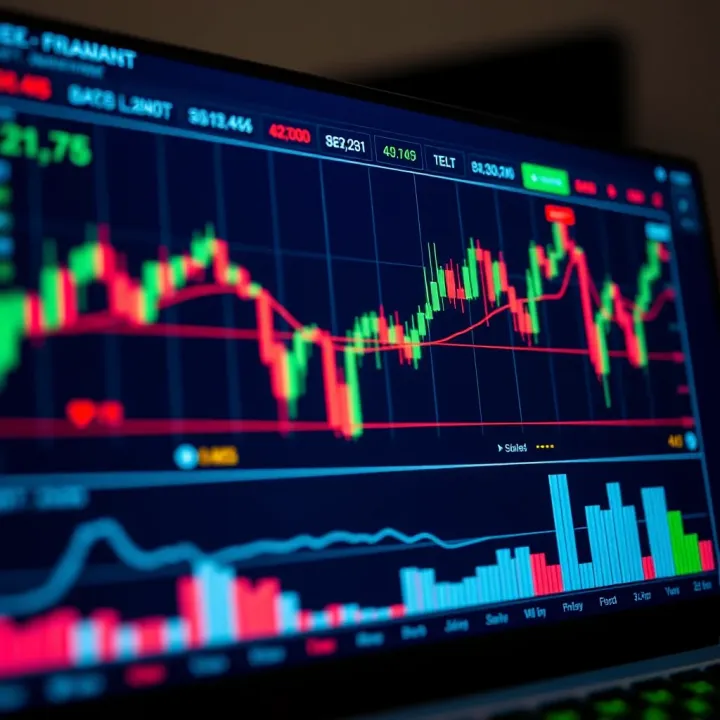
Customisable charts allow traders to tailor their view to their strategies. Being able to adjust time frames, add or remove indicators, and change chart types (like candlestick or line charts) helps traders maintain clarity and focus when analysing currency pairs. This flexibility supports diverse trading styles, from scalping to swing trading.
Market orders execute immediately at current prices, useful for traders who want instant trades, while pending orders allow setting predetermined entry or exit points. Both types matter; beginners may prefer pending orders to plan trades carefully, while experienced scalpers need fast market executions.
Latency and slippage affect the actual price your order is filled at versus the expected price. High latency (delay in data transmission) or slippage (price moving during order execution) can lead to unexpected losses. Nigerian traders dealing with unstable internet or platforms without regional servers should watch this closely, choosing platforms optimised for low latency within West Africa.
Data encryption ensures that personal information and transaction details are protected from hackers. Platforms adopting modern encryption standards (like SSL/TLS) minimise risks of data breaches, which is crucial as Nigerian cybercrime rates rise.
Two-factor authentication (2FA) adds an extra layer of security beyond passwords. With 2FA, even if a password is stolen, unauthorized access is tougher. Platforms that offer 2FA options, such as Google Authenticator or SMS codes, add peace of mind for Nigerian traders.
Compliance with Nigerian regulations safeguards traders against platforms that might not follow local laws or CBN guidelines. Choosing regulated platforms aligned with the Nigerian Securities and Exchange Commission (SEC) reduces the risk of fraud and ensures better dispute resolution options if issues arise.
Always prioritise platforms blending ease of use, powerful tools, quick execution, and solid security to trade confidently and protect your investments.
Understanding regulation and safety is essential for Nigerian traders selecting a forex trading platform. Regulation provides a framework that brokers and platforms must operate within to protect users from fraud, malpractice, and unfair practices. Since forex trading involves real money, ensuring your platform respects licensing and safety standards guards your funds and personal data.
The Nigerian Securities and Exchange Commission (SEC) oversees capital markets and investment activities, including forex trading within Nigeria. Their role includes licensing forex brokers, ensuring they comply with set operational and financial standards. When a forex platform is SEC-licensed, it means the SEC has vetted its operations, which can reassure traders about the platform's legitimacy.
For example, a platform with SEC registration is required to maintain proper records and is subject to regular audits. This reduces the risk of sudden shutdowns or fraud, which have plagued unregulated operators in the Nigerian market. Traders should therefore verify if their platform is SEC-approved before committing funds.
The Central Bank of Nigeria (CBN) also influences forex trading by setting monetary policies and foreign exchange guidelines. One notable regulation is the CBN’s directive that offshore forex trading accounts must be funded through authorised dealers or banks. This protects traders from unauthorised channels and reduces exposure to currency-related fraud.
Additionally, CBN restricts unauthorised currency speculation to maintain the naira's stability. Platforms complying with CBN policies demonstrate better regulatory adherence.
Beyond Nigerian bodies, international regulators such as the UK's Financial Conduct Authority (FCA), Cyprus Securities and Exchange Commission (CySEC), and the Australian Securities and Investments Commission (ASIC) supervise many forex brokers globally. Their approval indicates a platform meets strict financial security and transparency measures.
Platforms regulated by these bodies often offer traders compensation schemes, transparency in execution and fee structures, and higher standards for customer protection. This is why popular platforms like MetaTrader 4 and 5 often partner with brokers authorised by such regulators.
For Nigerian traders, choosing platforms licensed by FCA, CySEC, or ASIC adds an extra layer of trust, especially for those trading with larger sums or wanting assurance beyond local regulations. These international regulators have well-established processes for handling disputes and safeguarding client funds.
That said, traders should ensure that these platforms also comply with local Nigerian rules, such as CBN’s guidelines on funding accounts and SEC's licensing rules. This dual compliance avoids legal complications and ensures safer trading experiences.
Trading on regulated platforms doesn’t eliminate risk but drastically minimises the chances of falling victim to scams or unfair trading practices. Always verify the platform’s licensing credentials before opening an account.
In summary, regulation and safety are non-negotiable when selecting a forex trading platform in Nigeria. Confirm licensing with the SEC and CBN, alongside recognised international regulators, to secure your trading activities effectively.
The choice of a forex trading platform is a critical step for Nigerian traders, as it directly influences their trading efficiency and safety. Popular platforms not only come with tested features but also enjoy large user bases, making access to community support and educational resources easier. For Nigerian traders, familiarity and local relevance are key, which is why certain platforms command greater trust and widespread use.
MetaTrader 4 (MT4) and MetaTrader 5 (MT5) are arguably the most widely used platforms globally, and their dominance spills over into the Nigerian forex market. MT4 is known for its simplicity, offering an intuitive interface that beginners appreciate while still packing technical indicators suitable for advanced analysis. MT5 builds on MT4 by adding more timeframes, an economic calendar, and expanded capabilities for trading instruments beyond forex, such as stocks and commodities.
These platforms support automated trading through Expert Advisors (EAs), letting traders run programmed strategies, which is a big plus for those who want to avoid manual errors. They also allow for custom indicators and have reliable mobile versions useful for Nigerian traders who often trade on the go, especially given the sometimes erratic power and internet supply.
Among Nigerian traders, MT4 remains popular for its low resource requirements and user-friendly design, making it accessible even on lower-end devices. MT5 has gained traction as more traders seek diverse assets and deeper market data. Both platforms have strong community support, with many local forex training centres and forums built around them.
cTrader is a platform tailored for those seeking advanced trading tools and a more sophisticated interface. It offers superior charting capabilities, level II pricing (market depth), and a user-friendly automated trading environment through cAlgo. Its customisable workspace allows traders to reorganise charts and windows to suit their style, which appeals to professionals.
Experienced Nigerian traders find cTrader suitable because it provides comprehensive analytical tools and faster order execution, which are essential for scalping and intraday strategies. The platform's transparency with order books helps traders understand market liquidity better than most platforms, giving them an edge in volatile markets. However, due to its complexity, cTrader tends to be preferred by those who have moved beyond basic trading and require detailed analytics.
Apart from cTrader, platforms like TradingView and NinjaTrader offer powerful charting and analysis tools but are less common as primary trading platforms among Nigerian retail traders. Their advanced features make them more favoured by analysts and highly active traders.
As Nigerian traders seek platforms tailored to their unique market conditions, local and emerging platforms have begun to appear. These platforms focus on addressing payment barriers, regulatory compliance, and local customer support needs. For example, platforms like AxionFX and MiamiFX offer services with an understanding of Nigerian challenges such as frequent naira fluctuations and power outages.
Integration with local payment systems such as Paga, Paystack, and Opay is a major advantage of these platforms. They allow deposits and withdrawals in naira seamlessly, avoiding the headache of foreign currency conversions and delays common with international brokers. This also makes fund management simpler and often reduces transaction costs.
Additionally, local platforms tend to provide customer service that understands local challenges, languages, and payment habits. For Nigerian traders just starting or unwilling to risk funds on foreign platforms, these emerging options offer practical alternatives without compromising accessibility or basic trading functions.
Choosing the right platform means evaluating not just the tools but also the trading environment support, including payments and regulations. Popular platforms like MT4/MT5 balance global reliability with local usability, while professional and emerging local platforms cater to specific trader needs in Nigeria.
Understanding the costs and trading conditions on a forex platform is essential for Nigerian traders aiming to protect their profits and manage risks effectively. These factors directly influence how much you pay to enter and exit trades and how much leverage you can safely use. Ignoring these details could turn promising strategies into costly mistakes.
When you trade forex, the spread—the difference between the buying (ask) and selling (bid) price—is a primary cost. A tight spread means less expense per trade, which adds up over time and improves your net gains. For example, a spread of 1.5 pips on EUR/USD might seem small, but multiplied across multiple trading positions, this expense can eat significantly into potential profits.
Commissions may be charged separately by some brokers, on top of the spread. These are usually fixed amounts per trade or a percentage of the trade value. Nigerian traders must carefully calculate both spreads and commissions when choosing a platform to ensure they aren't losing too much to fees. Additionally, there are other costs such as swap or rollover fees for holding positions overnight, which vary between brokers and currency pairs.
Most platforms offer either "spread-only" pricing or a combination of spreads plus commissions. Spread-only models are straightforward: what you see is what you pay, making it easier to estimate costs. Commission-based platforms often advertise lower spreads, but the added commission must be factored in, especially if you trade frequently.
Some brokers may also charge account maintenance fees or withdrawal charges, especially if you don’t meet minimum monthly trading volumes or have a dormant account. Nigerian traders should read the fee schedules carefully to avoid unexpected costs. For example, if a trader uses a broker who charges ₦2,000 to withdraw funds, this cuts into net earnings, particularly for small-scale traders.
Leverage allows traders to control larger positions with a smaller amount of capital, which can magnify gains but also increase losses. For instance, using 50:1 leverage means that with just ₦10,000, you could control ₦500,000 worth of currency. While this can be attractive, it requires stringent risk management because losses can quickly exceed your initial investment if the market moves against you.
Nigerian traders must understand margin requirements—the minimum funds a broker requires to open or maintain a position. Falling below this margin can trigger a margin call, forcing liquidation of positions, often at unfavourable prices. Proper use of stop-loss orders and limiting leverage levels help manage these risks effectively.
The Central Bank of Nigeria (CBN) has guidelines to curb excessive risk-taking in forex trading. While specific leverage limits for retail forex may depend on the platform and regulatory framework, the CBN generally discourages retail traders from using very high leverage due to the volatile nature of foreign exchange markets.
Many brokers accessible in Nigeria offer leverage ratios ranging from 10:1 to 100:1, but it’s wise to choose modest leverage aligned with your experience level and capital size. Following CBN recommendations helps shield traders from devastating losses, especially given the naira’s volatility against major currencies.
Understanding these costs and conditions helps Nigerian traders make informed choices, control expenses, and approach forex trading with realistic expectations. This attention to detail is key to maintaining long-term profitability and success.
Trading forex through online platforms can be rewarding, but it also carries risks that traders must manage carefully. This section highlights practical tips that Nigerian traders should follow to trade safely and maximise their chances of success. Understanding these guidelines helps prevent losses, avoid scams, and develop disciplined trading habits.
Red flags to watch for: When selecting forex platforms, it’s vital to be alert to suspicious signs. Unusually high promised returns with little risk, unclear fee structures, and pressure to deposit funds quickly often indicate scams. For instance, platforms asking for excessive personal information upfront or lacking transparent regulatory details should be treated with caution. Nigerian traders have fallen victim to bogus platforms that vanish once deposits are made, leaving users stranded with no recourse.
Checking platform reputation: Before committing your money, research the platform’s background thoroughly. Look for reviews on trusted forums, feedback from experienced traders, and any warnings issued by the Nigerian Securities and Exchange Commission (SEC) or international regulators such as the FCA or CySEC. Platforms popular in Nigeria often have active user communities where you can glean honest opinions. Also, verify whether the platform complies with Nigerian regulations and supports local payment methods to increase trustworthiness.
Importance of testing platforms: Demo accounts allow you to explore trading features without risking real money. Testing how a platform works with virtual funds can reveal if it suits your style and needs. For example, some platforms provide better charting tools or faster execution speeds. Trying these out on a demo account helps avoid surprises when you switch to live trading.
Learning before investment: These practice accounts are excellent for building trading skills and understanding market behaviour in real time. They let you experiment with strategies and see how stop-loss, take-profit, and other tools perform under different conditions. For Nigerian traders especially, demo trading is a safe way to get familiar with the foreign exchange market and the platform’s nuances before risking ₦.
Stop-loss orders: Setting stop-loss orders protects your capital by automatically closing a trade at a predetermined loss level. For example, if you enter a trade on USD/NGN but the market turns against you, the stop-loss limits how much you lose, preventing deeper damage especially in volatile markets.
Take profit settings: Take profit orders close a position once a certain profit level is reached, locking in gains without the need to monitor the market constantly. This tool is essential for Nigerian traders who may not always watch charts due to the country's frequent power outages or busy schedules.
Risk management features: Many platforms offer additional tools like trailing stops, margin call alerts, and risk calculators. Using these features helps you trade within your means and avoid heavy losses. For example, margin alerts warn you before your position is liquidated, enabling timely decisions. Proper use of risk management tools supports sustained profitability rather than short-term wins.
Effective trading on forex platforms isn’t just about making the right calls but managing risks and trading on trusted platforms. Nigerian traders who harness these tips position themselves to trade confidently in a challenging market.
Explore top forex trading platforms in Nigeria 🇳🇬! Learn about features, security, fees, and usability to choose the best fit for your trading goals 💹.
🤑 New to forex trading in Nigeria? Discover how to pick a beginner-friendly platform with low fees, strong regulation, helpful tools, and guides! 📈
Explore top forex trading platforms in Nigeria 🇳🇬, understand regulations ⚖️, and master strategies for smart, secure trading in the local market 💹.
Discover top forex trading apps for Nigerian traders 📱, learn key features, security tips, and how to start trading smartly for better results 💹.
Based on 9 reviews