

Top Trading Apps to Earn Money in Nigeria
Explore the best trading apps in Nigeria 📱 for stocks, forex, and crypto. Get tips on choosing reliable platforms and earning money safely as a beginner.
Edited By
Isabella Green
The economic calendar is a key tool that tracks scheduled economic events and data releases impacting financial markets globally. For traders, investors, and analysts in Nigeria and beyond, understanding this calendar is essential for timing decisions and managing risk.
At its core, the calendar lists activities like central bank meetings, inflation reports, employment data, trade balances, and GDP figures. These events often lead to price fluctuations in currencies, stocks, and commodities. For example, when the Central Bank of Nigeria (CBN) announces a new monetary policy rate, it typically affects the naira's value against the dollar and other currencies.
Moreover, global events such as the US non-farm payroll figures or crude oil inventory reports also influence Nigerian markets. Since Nigeria depends heavily on oil exports, shifts in crude prices following such data releases can affect stock valuations on the Nigerian Exchange (NGX) and broader economic sentiment.
Using the economic calendar effectively means knowing the timing and potential impact of these events. Nigerian investors often access calendars from financial news platforms like Nairametrics or international sites that cover major economies, ensuring they stay updated on crucial releases.
Economic data drives markets. Missing a key report like inflation numbers or CBN policy decisions can leave investors exposed or cause them to miss profit opportunities.
Monetary Policy Decisions: Changes in interest rates by the CBN or the US Federal Reserve
Inflation Data: Consumer Price Index (CPI) releases
Employment Statistics: Nigeria’s unemployment rate; US non-farm payrolls
Gross Domestic Product (GDP): Growth rates that signal economic health
Trade Balance Reports: Exports versus imports figures
Plan trades around event times to minimise exposure during volatile releases
Adjust portfolios when inflation or GDP data signal shifts in economic conditions
Follow commodity prices closely, especially crude oil, due to Nigeria's dependence on oil revenues
Compare local data with international markets for broader trend insights
Knowing the economic calendar helps Nigerian market participants avoid surprises and align their strategies with economic realities. It’s a vital component in making well-informed financial decisions amid an unpredictable market environment.
An economic calendar is a practical tool that lists scheduled economic events, data releases, and policy announcements that typically influence financial markets. For traders and investors, especially in Nigeria, it serves as a timely guide to anticipate market volatility and adjust strategies accordingly. For example, when the Central Bank of Nigeria (CBN) announces its monetary policy rate, currency traders often watch the economic calendar closely to prepare for potential naira fluctuations.
The economic calendar is essentially a timetable of upcoming economic events, such as inflation reports, unemployment figures, and central bank meetings. Its main purpose is to provide market participants with a forecast of information flow that can drive price movements in forex, stocks, commodities, and bonds. For instance, knowing when Nigeria’s Gross Domestic Product (GDP) figures are due helps investors assess the economy's health and consider their stock market positions accordingly.
Beyond just dates and times, a solid economic calendar will indicate the expected impact of each event, helping users prioritise their focus. This means a trader might treat a presidential budget speech as a higher priority than lesser-known fiscal updates, given their potential to move local markets. Having this insight avoids surprises and supports informed decisions.
Various groups rely on economic calendars to shape their market actions. Traders in forex and equities use it to predict short-term price swings; for example, a sudden rise in Nigeria’s inflation rate might trigger an immediate reaction in the naira-dollar exchange rate. Brokers keep an eye on these events to advise clients and manage risks.
Analysts and educators also use economic calendars to track economic trends and explain market behaviours in training or reports. Institutional investors review upcoming data releases to decide when to enter or exit positions, reducing exposure during volatile announcements.
Moreover, individual investors and even business owners interested in macroeconomic conditions consult economic calendars to plan ahead. Imagine a manufacturer scaling exports based on trade policy announcements; timely knowledge from the calendar can influence inventory and pricing decisions.
Understanding the economic calendar is like having the market’s timetable. It equips you with the foresight to act proactively rather than reactively, potentially shielding your investments from unforeseen shocks.
In sum, the economic calendar matters because it converts a flood of economic information into a manageable schedule. This schedule empowers traders, investors, and analysts in Nigeria and worldwide to stay ahead, balancing risk and opportunity with greater precision.
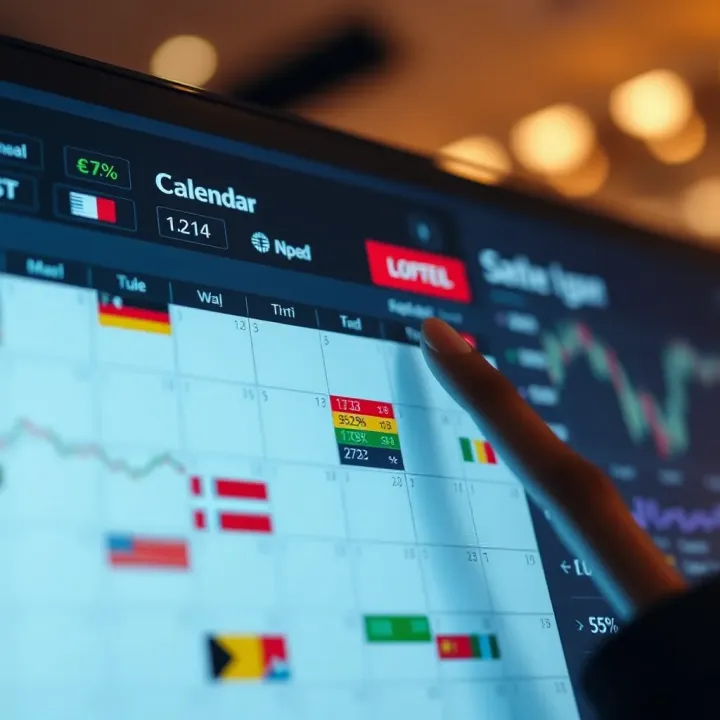
Economic calendars list events that can shift market moods and reveal the health of economies. Traders and investors in Nigeria closely track these, since understanding when and why major figures drop helps navigate volatility and spot opportunities.
Inflation Reports
Inflation shows how much prices rise over time. In Nigeria, inflation data from the National Bureau of Statistics (NBS) influences the naira's value and consumer confidence. For example, a sudden jump to 20% inflation can make the Central Bank of Nigeria (CBN) tighten monetary policy, pushing interest rates up and impacting loans and business costs.
Gross Domestic Product (GDP) Figures
GDP measures total economic output and offers a snapshot of growth or contraction. When Nigeria's GDP grows slower than expected, investors worry about business prospects and spending power. Conversely, robust GDP growth signals opportunity, boosting stock market optimism and foreign investment.
Unemployment Rates
High unemployment in Nigeria hints at economic struggles. It affects consumer purchasing and indirectly pressures the government to stimulate growth. For investors, rising unemployment often forecasts weaker demand for goods and services, influencing stock valuations.
Central Bank Interest Rate Decisions
CBN's interest rate decisions impact borrowing costs and investment returns. An increase typically aims to control inflation but can slow growth, reducing stock market appetite. Traders watch announcements carefully, adjusting forex and bond positions accordingly.
Fiscal Policy Updates
Fiscal policy involves government spending and taxation. Changes, like increased infrastructure spending or new taxes, can boost or dampen economic activity. Nigerian businesses recalibrate strategies on such announcements, affecting equities in sectors like construction or telecom.
Trade and Tariff Changes
Adjustments in tariffs or trade agreements alter import costs and export competitiveness. For instance, a rise in import tariffs on tokunbo cars or electronics influences prices and demand, impacting related stock prices and inflation.
Budget Statements
The federal budget outlines government priorities and funding. A budget heavy on social programmes may stimulate consumption, while heavy cuts signal austerity. Investors use budget details to anticipate fiscal discipline or deficits and adjust portfolios.
Oil Price Reports
Nigeria’s economy heavily depends on oil. Global oil price updates, often by OPEC or market analysts, can cause sharp naira swings and stock market reactions, especially in oil companies. A dip below $40 per barrel, for example, tightens government revenues.
Global Economic Summits
Events like G20 meetings influence policy coordination and trade deals. Outcomes can improve investor confidence or spark uncertainty, affecting Nigerian markets indirectly through global risk appetite.
Foreign Exchange Reserves Publication
Reports on Nigeria’s dollar reserves indicate capacity to defend the naira or fund imports. A drawdown in reserves often triggers naira depreciation concerns, affecting forex trading and prices of imported goods.
Watching these economic calendar events helps Nigerian investors anticipate market moves and manage risks. Each announcement can shift multiple sectors, making timing and interpretation key for trading success.
Economic data plays a critical role in shaping Nigeria’s financial markets. Investors, traders, and analysts closely monitor economic releases to anticipate market movements and adjust their strategies. Understanding how Nigerian economic indicators affect financial assets can help market participants make timely and informed decisions.
The Nigerian Naira (₦) sees notable fluctuations following key economic data releases. For example, when the Central Bank of Nigeria (CBN) announces its monetary policy rate or publishes inflation figures, the forex market reacts sharply. Higher inflation reports, indicating rising consumer prices, tend to weaken the naira as confidence drops and foreign investors look elsewhere. Conversely, positive GDP growth or improved trade balance numbers can strengthen the naira by signalling economic stability. Traders often watch for CBN interventions too, such as changes in foreign exchange reserves levels or new FX policies, which directly influence liquidity and naira demand.
Nigerian equities, particularly on the Nigerian Exchange Group (NGX), are sensitive to government fiscal reports and macroeconomic data. Announcements like budget statements or changes in corporate taxes impact various sectors differently. For instance, if the government increases fuel subsidies or adjusts tariffs, related industries such as oil marketers or manufacturing firms respond accordingly. Positive economic growth figures tend to boost investor confidence, leading to rallies in stocks, while recession signals can trigger sell-offs. For example, during periods of high inflation or currency volatility, consumer stocks may underperform as purchasing power falls.
As a leading oil producer, Nigeria’s commodity prices are closely tied to global and local economic factors. Oil prices, driven by international supply-demand dynamics, are also affected by domestic reports such as crude oil production data released by the Nigerian National Petroleum Company Limited (NNPCL). Shifts in production quotas directly alter market supply, affecting prices at home and abroad. Similarly, agricultural commodities like cocoa and rubber respond to rainfall reports, export data, and trade policies. When agricultural output drops due to poor weather or policy changes, prices generally rise, impacting local food costs and export earnings.
For Nigerian investors, staying updated with economic data is not just about numbers; it’s about reading the pulse of the market and adapting investment plays accordingly.
By paying attention to how these economic indicators interact with financial markets, traders and investors in Nigeria can better manage risks and seize opportunities in a fluctuating environment.
Knowing how to access and use economic calendars efficiently can make a real difference for traders and investors. The economic calendar outlines when key data and events are released, letting you plan your trades or investment moves ahead of time. This saves you from reacting to surprises that could wipe out your gains or expose you to unnecessary risks.
The Central Bank of Nigeria regularly publishes reports and announcements that affect the naira, interest rates, and monetary policy. These include updates on inflation, foreign reserves, and intervention measures. Traders who monitor CBN releases closely can better anticipate currency fluctuations or shifts in loan conditions. For example, when the CBN changes its monetary policy rate, it often triggers immediate moves in the forex and fixed income markets.
Global bodies like the International Monetary Fund (IMF), World Bank, and Organisation of Petroleum Exporting Countries (OPEC) provide economic forecasts and reports affecting Nigeria's trade and financial environment. For instance, OPEC's oil production decisions influence crude prices, directly impacting Nigeria’s economy and stock market. Keeping tabs on such updates helps investors spot emerging trends and adjust portfolios accordingly.
Platforms such as Bloomberg, Reuters, and Nigerian-focused financial outlets like Nairametrics or BusinessDay aggregate data from multiple sources in real-time. These platforms simplify tracking economic events by offering calendar tools, expert analysis, and live updates. For Nigerian traders, this means staying informed without wading through scattered reports, helping optimise market timing.
Initial economic figures sometimes get revised later when more accurate information becomes available. For example, Nigeria’s GDP growth rate might be adjusted months after the first report. Traders should be cautious not to overreact to preliminary data without accounting for possible revisions, as these can alter market sentiment significantly.
Markets often price in expected economic results ahead of announcements. If actual data meets or beats expectations, markets might rally. But if data disappoints or misses forecasts, it can cause sell-offs. For example, if inflation comes in higher than anticipated, the naira may weaken. Always compare released figures against market consensus to predict possible movements.
Knowing when specific data drops and how often they appear is important. Some reports, like unemployment figures, come monthly; others, like GDP, quarterly. The timing also matters—a key report published during Nigerian market hours often causes more immediate reactions. Planning trades around these schedules helps avoid being caught off-guard.
Mobile economic calendar apps designed for Nigerian users provide on-the-go access to crucial data. Apps like Investing.com or dedicated financial news apps send notifications for upcoming releases. This convenience means you can act immediately on vital economic news, even while commuting in Lagos traffic.
Reliable web platforms offer detailed economic calendars with filters to focus on Nigerian and global events that matter to you. Using desktop versions of sites like Trading Economics allows for deeper analysis with historical data comparisons. Web tools are essential for brokers and analysts who require precise timing and comprehensive data.
Setting up alerts ensures you don’t miss important updates from the economic calendar. Both apps and web services allow customised notifications based on the event type, country, or expected impact. Nigerian investors can benefit a lot from alerts on CBN announcements or NGX market-moving news, which lets them respond promptly.
Efficiently accessing and interpreting economic calendars helps investors stay ahead in a fast-changing market, preventing costly surprises and seizing opportunities as they come. Keep your sources trustworthy, understand the data nuances, and use the right digital tools to gain an edge in Nigeria's financial markets.
Explore the best trading apps in Nigeria 📱 for stocks, forex, and crypto. Get tips on choosing reliable platforms and earning money safely as a beginner.
🔍 Explore how binary option trading works in Nigeria, learn key terms, spot risks, and find trusted platforms to trade confidently and safely today! 💹🇳🇬
🤖 Explore how binary bots function in automated trading, their benefits, risks, and legal aspects. Get practical tips tailored for Nigerian traders. 📈
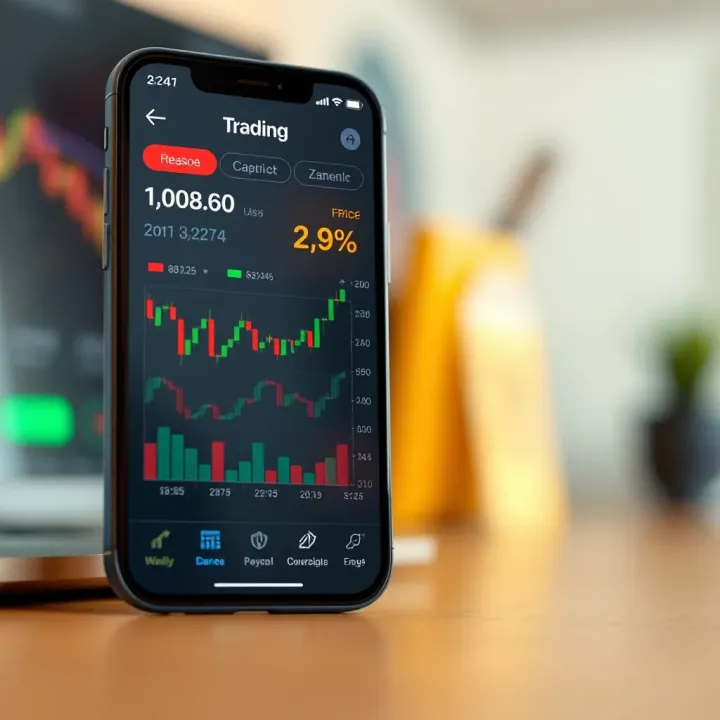
📱 Looking for the best trading app in Nigeria? Discover top features, app picks, security tips, & advice tailored for beginner traders. Start smart today!
Based on 8 reviews