
Forex Trading Basics: A Simple Guide for Beginners
📈 Discover forex trading basics for Nigerian traders! Learn how the market works, key currency pairs, safe strategies, common pitfalls, and smart tips.
Edited By
Liam Foster
Forex trading, or foreign exchange trading, is a bustling global market where currencies change hands every second. It's not just for Wall Street suits; anyone with a bit of savvy and patience can dip their toes into this ocean of opportunity. But, as they say around Lagos, "not every fish gets caught with the same bait." This means understanding the market’s rhythm before jumping in can save you from costly mistakes.
In this guide, we’ll walk through the key aspects that shape forex trading. We’ll explore how currencies behave, the different trading methods you might use, and essential tips on managing risks—because, without good risk control, you might as well be throwing money into the wind. Whether you're a trader looking to polish your skills, an investor scouting new opportunities, or an educator aiming to demystify forex to your students, this article offers clear, practical insights to help you navigate the market confidently.
Remember, forex trading isn't a get-rich-quick scheme; it's a terrain that rewards knowledge and discipline more than luck.
Through real-world examples and down-to-earth tips, we’ll help you build a solid understanding of how the forex market ticks and what to watch out for before making your moves. By the end, you’ll be equipped to take smart, informed steps toward trading forex responsibly and effectively.
Before diving into the ins and outs of forex trading, it’s crucial to grasp what the basics actually are. Think of forex trading like learning to swim — you need to understand the water before you try to stay afloat. Knowing the fundamentals helps beginners avoid costly mistakes and builds the foundation for more advanced strategies down the line.
The forex market, or foreign exchange market, is where currencies are bought and sold. It operates 24 hours a day, five days a week, making it the world’s largest financial market by volume. Traders exchange one currency for another, hoping to profit from the changes in exchange rates. For example, if you believe the US dollar will strengthen against the euro, you might buy USD/EUR hoping to sell it later at a higher rate.
Understanding that the forex market isn't centralized like a stock exchange but spread across global networks can help traders appreciate its liquidity and nonstop nature.
In forex trading, currencies are quoted in pairs. You buy one currency and sell another at the same time. The first currency in the pair is called the base currency, and the second is the quote currency. For instance, in the pair GBP/USD, GBP is the base, and USD is the quote.
If GBP/USD is quoted at 1.30, it means 1 British pound equals 1.30 US dollars. If the rate moves to 1.35, it suggests the pound has strengthened relative to the dollar. Traders profit by buying low and selling high or vice versa. This pairing system is foundational and understanding it is the first step toward reading price charts and making trades.
The forex market hosts a variety of players, each with different goals and strategies.
Retail traders are individual investors like you and me, participating via online brokers such as IG or FXTM. They often trade smaller amounts and rely on strategies ranging from scalping to swing trading. While retail traders make up a relatively small chunk of total volume, they're crucial because they add liquidity and diversity to the market.
Understanding the challenges faced by retail traders, like emotional trading and leverage misuse, equips newcomers to adopt smarter habits.
Banks form the backbone of forex trading. They not only trade for their accounts but also facilitate currency exchange for clients. Giant players like JPMorgan Chase or Barclays move billions daily and can influence market trends. Banks offer vast liquidity and tighter spreads, advantages not always accessible to retail traders.
Recognizing banks’ role helps traders understand why price moves can be abrupt and sometimes unpredictable.
Central banks like the Federal Reserve or Nigeria’s Central Bank play an important role by adjusting interest rates or intervening in currency markets to stabilize or boost their economies. When a central bank signals a policy change, it often triggers significant market reactions.
For example, if the Central Bank of Nigeria decides to adjust its monetary policy, it can directly affect the naira’s exchange rate, impacting traders globally.
Corporations engage in forex to manage currency risk in international trade. Imagine a Nigerian exporter receiving payments in euros; they might use forex markets to convert earnings to naira, locking in rates to avoid sudden losses due to currency swings.
Hedge funds, on the other hand, are professional money managers who trade large positions looking for profits. They often use complex strategies and can affect market liquidity and volatility.
Getting to know these participants clarifies why forex is a dynamic mix of speculation, investment, and practical currency exchange.
Understanding these basics arms you with the right mindset and facts, foundations without which jumping into forex trading can feel like shooting in the dark. With a clear picture of what forex trading is and who drives the market, you’re better poised to make informed decisions and develop strategies that suit your style and goals.
Understanding how the forex market functions is like getting a behind-the-scenes look at a fast-moving, 24/7 global exchange hub. For traders and investors, knowing the nuts and bolts can make the difference between guessing blindly and making smart moves. This section unpacks the operational details—like when markets open and close and the types of currency pairs you’ll bump into. Armed with this knowledge, you’re better equipped to time your trades and pick pairs that suit your style.
Forex trading never really sleeps, mostly because the market follows the sun around the world. The major sessions reflect the business hours in financial centers like London, New York, Tokyo, and Sydney. For example, the London session starts at 8:00 AM GMT and lasts until about 4:00 PM, overlapping with the start of the New York session around noon GMT. This overlap period is often the busiest, as traders from both continents are active.
For practical purposes, understanding these overlapping hours helps traders catch those pockets of higher liquidity and better pricing, boosting chances for smoother entries and exits.
If you’re trading from Nigeria, note that London’s session overlaps conveniently with your working hours, making it easier to stay engaged in the market without burning the midnight oil.
Volatility tends to spike during these overlaps because there is more trading activity—think of it as rush hour for forex. Price swings are usually more pronounced, offering both opportunities and risks. For instance, the EUR/USD pair often sees significant moves between 1:00 PM and 4:00 PM Nigerian time, when both London and New York desks are buzzing.
Knowing when volatility peaks can help traders set tighter stop-losses or position sizes accordingly to tame potential downsides. Conversely, quieter times, like the Sydney session, might appeal to scalpers who prefer smaller, more predictable moves.
Major currency pairs feature the most traded currencies worldwide, typically involving the US dollar against currencies like the euro (EUR/USD), Japanese yen (USD/JPY), or British pound (GBP/USD). These pairs are popular because of their liquidity and tighter spreads, meaning fewer costs when entering and exiting trades.
For an investor focusing on the Nigerian market, EUR/USD offers exposure to Europe's economy and is often a reliable gauge of global health. These pairs tend to react quickly to major economic announcements, making them ideal for those who follow news-driven trading.
Minor pairs combine currencies that aren’t paired with the US dollar, such as EUR/GBP or AUD/NZD. They typically have less liquidity, which can lead to wider spreads but also unique trading chances. These pairs are often influenced more by local events than global developments, so knowing the background economics matters here.
For example, the AUD/NZD pair can be sensitive to shifts in commodity prices or seasonal changes affecting agriculture, sectors critical in Australia and New Zealand’s economies.
Exotic pairs include one major currency and one from an emerging or smaller economy, like USD/TRY (US dollar vs Turkish lira) or USD/NGN (US dollar vs Nigerian naira). These pairs are less liquid and can have larger price swings, presenting both risks and rewards.
Trading exotic pairs requires caution; think of it as navigating a narrow, twisting road rather than a highway. Currency fluctuations may be driven by political events, central bank moves, or economic instability. For Nigeria-based traders interested in USD/NGN, it’s crucial to track local monetary policy and external factors like oil prices, which heavily impact the naira.
Getting familiar with how the markets tick—when to trade, what to trade—gives traders an edge. Whether you prefer the steady flow of major pairs or want to venture into less-traveled exotic territory, understanding forex market operations can help you trade smarter and with more confidence.
Getting into forex trading can feel a bit like stepping into a bustling marketplace where currencies are exchanged non-stop, twenty-four seven. Knowing how to start trading forex is your first step toward navigating this fast-moving environment and making informed decisions. It’s about setting yourself up with the right tools and knowledge so that you avoid rookie pitfalls and trade confidently.
Practical benefits of understanding how to start include avoiding costly mistakes, choosing the right platform, and managing your funds wisely from day one. For instance, imagine rushing into trading with a broker who slaps on high fees or has slow execution times. That alone can eat into your profits before you even place a single trade. So, grasping the basics of setting up your account and using proper trading tools saves time, money, and headaches.
Picking a trustworthy broker is critical – think of it like choosing a driver for a long road trip. You want someone reliable, transparent, and professional. Not all brokers are created equal, and some may prey on beginners with hidden fees or poor customer support. Look for brokers regulated by well-known authorities such as the Financial Conduct Authority (FCA), or those recognized in Nigeria by the Securities and Exchange Commission (SEC).
A good broker should offer clear spreads, fast order execution, and responsive customer service. For example, brokers like FXTM or IG Markets have built solid reputations over time, providing good service to traders globally, including in Nigeria. Always check reviews, compare fee structures, and try demo accounts first to test the platform.
Once you've chosen a broker, the next step is selecting an account type that suits your trading style and budget. Common types include standard, mini, and micro accounts, which differ mainly in trade sizes and capital requirements. If you're starting small, a micro account might be best since it lets you trade smaller amounts, reducing your risk.
As for funding, brokers usually offer several options like bank transfers, credit/debit cards, and e-wallets such as Skrill or Neteller. Nigerian traders often prefer bank transfers or online payment methods due to convenience and local availability. Be sure to check funding fees and processing times because some methods may cause delays that affect your ability to trade promptly.
A well-designed trading platform is your command center. It’s where you analyze markets, place orders, and manage your trades. MetaTrader 4 (MT4) and MetaTrader 5 (MT5) are by far the most popular among forex traders worldwide due to their user-friendly interface and advanced features. They offer automated trading through Expert Advisors, and tons of customizable indicators.
Other notable platforms include cTrader and NinjaTrader, which cater to traders looking for smoother execution and sophisticated charting options. When selecting a platform, pay attention to usability, speed, and mobile compatibility since many traders like to keep an eye on the market on-the-go.
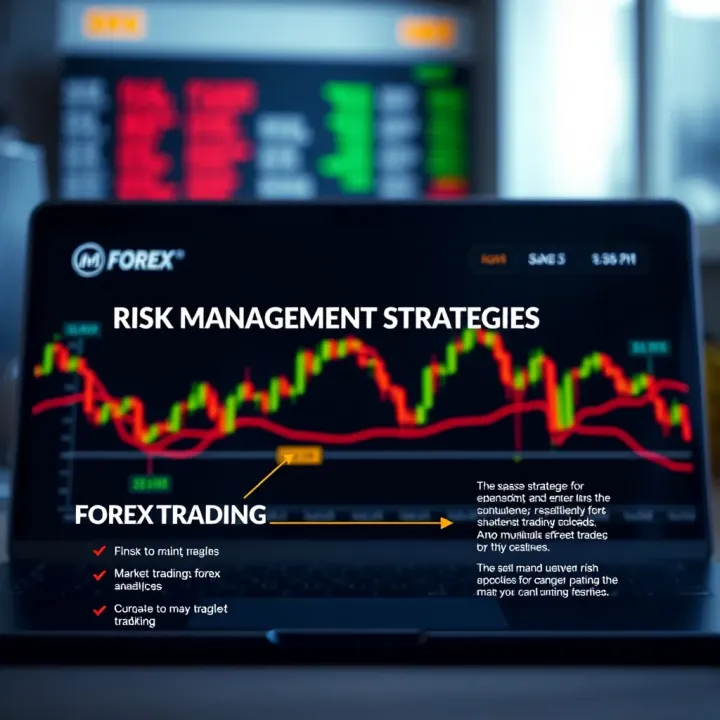
Charting tools are where traders analyze market trends and predict future price movements. Good platforms include built-in charts with various timeframes and support numerous technical indicators like Moving Averages, RSI, and Bollinger Bands.
For example, you might spot a double bottom pattern on the EUR/USD chart, hinting at potential upward movement. Combining indicators helps you confirm these patterns and time your entries better. Some platforms even offer news feeds and economic calendars integrated, providing useful fundamental context right where you trade.
Remember, the right tools don’t guarantee profits, but they sharply improve your chances by helping you make informed trades and manage risks effectively.
By understanding these key steps—choosing a solid broker, picking the right account, and mastering basic platforms—you’re well on your way to stepping into forex trading as a prepared and confident player. It’s about laying a strong foundation before diving into the hustle of the market.
Trading strategies and techniques form the backbone of any successful forex trading journey. Without a clear plan, traders often wander aimlessly in the market, risking unnecessary losses. This section dives into the different approaches traders use to analyze the market and make informed decisions. Understanding these methods helps you adapt to the ever-changing forex market and improves your chances of success.
Fundamental analysis is all about digging into the economic health and political climate of countries whose currencies you trade. Rather than looking at charts, this approach focuses on real-world information.
Economic indicators, like GDP growth, unemployment rates, and inflation figures, act as the pulse check for a nation’s economy. For example, if Nigeria’s inflation rate spikes, the Naira might depreciate because high inflation typically reduces a currency's buying power. Traders keep a close eye on reports from institutions like the Central Bank of Nigeria (CBN) or the National Bureau of Statistics (NBS) to gauge the likely direction of currency movements. Watching these indicators helps traders anticipate shifts rather than react after the fact.
Big news events can send shockwaves through forex markets. Take interest rate decisions, for instance. If the US Federal Reserve suddenly hikes rates, the dollar tends to strengthen as investors seek higher returns. Political events, such as elections or policy changes, can equally sway currency values. It’s wise to monitor economic calendars that list upcoming announcements to avoid being caught off-guard. In practice, a trader might choose to step back from the market before a key report, or jump in if they expect significant movement.
Technical analysis leans on historical price data to predict future currency movements. It's like reading a map, looking for signs and patterns to follow.
Certain shapes that prices form on charts have specific meanings. For example, a "head and shoulders" pattern often signals a market reversal. Recognizing these patterns can help traders spot entry and exit points with better confidence. Unlike guessing, these chart designs reflect collective behavior in the market, making them useful clues.
Indicators like the Moving Average or RSI (Relative Strength Index) help smooth out price action and show momentum or potential reversals. Oscillators such as the Stochastic indicator signal overbought or oversold conditions. While no indicator is foolproof alone, combining a few can give you a clearer picture. For example, pairing a moving average crossover with RSI levels might confirm a buy signal.
Traders often choose a style that fits their time, risk appetite, and personality. Here’s a look at three popular strategies.
Scalping means squeezing tiny profits from very short trades, sometimes lasting just seconds or minutes. It’s high-paced and demands intense concentration and quick decision-making. Scalpers usually work with tight spreads and rely heavily on technical analysis. For example, they might jump in and out when EUR/USD fluctuates by a few pips during active market hours.
Day trading involves opening and closing trades within the same day to avoid overnight risk. Traders might monitor the market for trends or news-driven moves, capitalizing on short-term opportunities. It fits those who can devote considerable time during trading hours. A Nigerian trader might target the London or New York sessions, where volatility is higher, for better chances of profit.
Swing trading takes a longer-term view, holding positions for days or weeks to catch bigger price moves. This method suits those who can't watch the markets constantly but want to benefit from broader market trends. For example, detecting a sustained uptrend in GBP/USD through technical indicators can provide a chance to ride the momentum until signs of reversal appear.
Successful trading is less about luck and more about applying a strategy consistently while managing risk carefully. Combining fundamental insights with technical tools often leads to the best outcomes.
In summary, mastering these trading strategies and techniques allows you to navigate forex markets with more confidence, tailoring your approach to what suits you best and responding effectively to market signals.
Managing risk effectively is the backbone of long-term success in forex trading. Without it, even the best strategies can end in losses. This section digs into why keeping tabs on risk isn't just a suggestion but an absolute necessity for every trader.
Trading forex is like walking a tightrope where one misstep can cost you a lot. Controlling losses means setting clear limits on the amount you're willing to risk on any single trade. For instance, if you invest $1000, a common rule of thumb is to risk no more than 1-2% on a trade—that's only $10 to $20. This way, if the market moves against you, your damage is contained, and you don’t wipe out your account with one bad trade.
Think of it like wearing a helmet while riding a bike; it's not going to stop you from falling but will certainly reduce the impact. Using stop-loss orders and defining your exit points before entering a trade are practical ways of keeping those losses in check.
Preserving your capital is all about making sure you have enough funds left to keep trading after a few bad days. If you let losses pile up without managing them, you’ll shrink your trading capital to the point where it’s tough to make any meaningful returns.
A neat example: imagine you start with ₦500,000 and lose 20% on your first trade—that's ₦100,000 gone. If you then take a 25% loss on the remaining balance, you'd lose another ₦100,000, and you'd only have ₦300,000 left. That’s not the math any trader wants to see.
Maintaining your bankroll means you stay ready to seize good opportunities when the market swings back in your favor.
A stop-loss order is like a safety net that kicks in to close your trade automatically once the price hits a certain level. It’s there to protect you from runaway losses when the market doesn’t do what you expected.
Imagine you bought the EUR/USD pair at 1.1000, but you set a stop-loss at 1.0950. If the price falls to 1.0950, your position closes, saving you from deeper losses. This takes emotion out of the equation, preventing you from holding on hoping the market will turn around.
When setting stop-loss orders, think about market volatility and avoid placing them too close; else, you might be stopped out on mere price noise.
How much you trade is just as important as when you trade. Position sizing is about deciding the volume of currency you buy or sell based on your risk appetite and account size.
Say you have a ₦1,000,000 trading account and want to risk 1% per trade, which is ₦10,000. If your stop-loss is 50 pips away, you calculate the size of your position accordingly so that if the stop-loss is triggered, you don’t lose more than ₦10,000.
This calculation safeguards your account and helps you stick to your risk management rules consistently, even when tempting to go big on a “sure thing.”
A good trader knows the drill: protect your money first. Trading without solid risk management is like jumping into a storm without an umbrella—chances are you’ll get drenched.
Managing risk means not just surviving the forex market but setting yourself up to thrive amid its ups and downs. Always keep your losses controlled, guard your capital, and use practical tools like stop-loss orders and position sizing to keep your trading journey smart and sustainable.
Understanding what makes currency values shift is vital for anyone trying to navigate the forex markets. It's not just numbers on a screen; various real-world factors twist and turn currency prices every day. Getting a handle on these influences can help traders spot opportunities or steer clear of risks before they hit your trading account.
Economic indicators act as a heartbeat for currency markets. Reports like GDP growth rates, unemployment figures, inflation numbers, and retail sales give traders clues about a country's economic health. For example, if Nigeria’s inflation rate suddenly rises, the Naira might weaken as investors worry about purchasing power. On the other hand, strong GDP growth in South Africa could boost the Rand, luring forex traders to buy.
Specific reports matter more in some cases—non-farm payrolls in the US or Bank of England interest rate decisions often spark sharp moves in related currencies. Traders often watch these releases closely, sometimes even avoiding trades just before the announcements to dodge wild swings.
Politics and currency values go hand in hand more than many realize. Political uncertainty or stability can influence how confident investors feel about holding a country's currency. When elections approach, or there's talk of policy shifts, currencies might start wobbling. For instance, if a major election in Brazil brings in regulatory worries or unsettles markets, the Brazilian Real typically feels the pressure.
Things like coups, trade disputes, or government debt crises also send ripple effects through forex markets. A recent example is how trade tensions between the US and China impacted the US Dollar and Chinese Yuan drastically, as traders adjusted bets based on expected outcomes.
Sometimes, currency moves aren’t just about hard facts but how traders feel about those facts. Market sentiment — the overall attitude of traders and investors — can drive prices beyond what the data alone suggests. Sentiment turns especially important when markets react to rumors or vague signals.
Speculation can lead to rapid price changes, often short-lived but intense. Think about when traders expect the European Central Bank to raise rates; that buzz alone can prop up the Euro even before any official announcement. When sentiment shifts, it potentially triggers a domino effect as traders rush to buy or sell, pushing prices further in one direction.
Keep in mind: Even the most concrete economic reports don't work in isolation. Prices reflect a mix of actual data, political news, and the emotional mood of the market. Smart traders watch all three closely to avoid getting caught off guard.
By keeping these factors in view, you can better anticipate why currencies move and plan your trades accordingly. It's all about piecing together the puzzle of numbers, policies, and psychology to stay ahead in the forex game.
Entering the world of forex trading, many newcomers find themselves navigating through a maze of unexpected hurdles. It’s one thing to understand the basics and quite another to apply them effectively under pressure. These early challenges can trip up even the most eager learners, so recognizing them early helps you stay on track and avoid costly mistakes.
One of the biggest snags beginners run into is letting their emotions steer their trades. Forex markets can move fast, and it’s easy to get caught up in the excitement or panic when prices swing wildly. Imagine buying the EUR/USD pair just as it’s climbing after some positive economic news, only to panic-sell when a sudden reversal hits. This is a classic emotional reaction — fear and greed messing with your judgment.
Emotional trading often leads to impulsive decisions without proper analysis, causing losses that could have been avoided. Successful traders learn to keep their cool, sticking to their trading plans even when the market feels unpredictable. One practical step is using preset stop-loss orders to automatically cut losses, removing the emotional burden from decision-making.
Traders who can manage their emotions typically have better long-term success than those who don’t.
Overtrading is another pitfall that sneaks up on new traders, often when they feel the urge to make up for a loss or ride a market streak. This means jumping into too many trades at once or entering without proper analysis just to stay active. For example, a beginner might open multiple positions across several currency pairs without a clear strategy, thinking more trades mean more chances to profit. In reality, this often drains capital and leads to poor results.
Lack of discipline ties into this, where traders skip their own rules about trade size, risk levels, or timing. Forex markets demand patience and consistency. Having a well-defined trading plan and following it—even on slow days—helps avoid burnout and keeps losses manageable.
Discipline in trading isn’t just about sticking to strategies; it’s about knowing when to step back and wait for the right opportunity.
By understanding and tackling these challenges early on, traders can build a more solid foundation, increasing their chances of a steady path to profitability.
Forex trading is not a set-it-and-forget-it kind of game—it demands ongoing skill development and adaptation. Improving your skills consistently can make the difference between breaking even and turning a profit. This section focuses on practical ways to sharpen your trading abilities, crucial for both newbies and seasoned players in the forex market.
Learning never stops in forex trading. The market's nature means what works today might lose steam tomorrow, so staying updated with market changes is key. For example, if a trader had mastered indicators like RSI and MACD five years ago, they’d now find a lot of new tools and patterns to explore, like Ichimoku clouds or machine learning-based signals. Getting your hands dirty with demo accounts helps tremendously. Take a broker like IG or Pepperstone, which offer demo platforms—the risk is nil since you're using virtual money, yet it provides real-world experience that textbooks can't offer.
Also, attending webinars, reading forex-specific books, and following market news enable you to tune your strategies continuously. Suppose you learned about how central bank meetings impact currencies; you’d then practice trading before and after these events to see how volatility spikes and how to make the most of those swings.
If you think you can remember every trade you make, think again. A trading journal is like your financial diary—it records your actions, thoughts, and emotions during trading. This habit helps spot patterns in your decision-making, both good and bad. For instance, you might realize you tend to enter trades impulsively after a series of losses or hold onto losing trades too long hoping for a turnaround.
Your journal should cover:
Entry and exit points
Trade reasoning
Market conditions
Emotional state and psychological comments
By reviewing your journal weekly or monthly, you can identify consistent mistakes or highlight successful strategies. Many traders find that this method reduces emotional trading, improving discipline and ultimately profitability.
Keeping a trading journal isn't just for record-keeping—it's a powerful tool to refine your approach, sharpen discipline, and keep emotions in check.
Together, continuous learning and a well-kept trading journal form the backbone of skill improvement in forex. They keep you grounded, informed, and more aware of your trading habits, setting the stage for long-term success in the volatile forex markets.
When it comes to forex trading, understanding the costs involved is as important as knowing how to read the charts. These costs directly affect your profitability and can turn what looks like a good trade into a less attractive one once fees are factored in. For Nigerian traders or anyone dipping their toes into forex, knowing exactly what you'll pay — and when — helps you manage your trades better and avoid unpleasant surprises.
Costs in forex trading come in a few common forms, each with their own quirks. They aren’t always obvious at first glance but add up quickly if you’re not careful. Getting these right means you’re not unintentionally eating away at your gains.
The spread is like the bread and butter of forex costs — it’s the difference between the price at which you can buy a currency and the price at which you can sell it at the same time. Imagine walking into a bazaar where the vendor sets the buying price a bit higher than the selling price; that gap is the spread.
Brokers often build their profit into this spread. For example, if the EUR/USD pair is offered at 1.2050 for buying and 1.2048 for selling, the spread is 2 pips. On a standard micro lot (1,000 units), that might translate to about $0.20 per trade. It doesn’t sound much, but if you’re scalping or making loads of trades, it can add up.
Some brokers, like IC Markets or Pepperstone, offer very tight spreads but charge a separate commission per trade. The value here lies in transparency: you see exactly what you pay in commission and get a fairer spread on the currency pair.
Choosing between spread-only or spread-plus-commission brokers depends on your trading style. Day traders or scalpers might prefer commission-based models with tighter spreads, while long-term traders might not mind wider spreads without commissions.
Swap fees, also known as overnight charges, come into play if you hold a forex position past the broker’s cutoff time (usually 5 pm New York time). This fee reflects the interest rate differential between the two currencies you're trading.
For instance, if you buy the USD/JPY pair and keep the position open overnight, you might either earn or pay interest depending on the interest rates in the US and Japan. If the US interest rate is higher, you earn a bit; if lower, you pay a fee.
Swap charges are especially relevant for traders who hold positions long-term, like swing traders or investors who don't close trades daily. Brokers like FXTM provide clear swap rate information, allowing traders to estimate potential costs or earnings.
Remember, swap fees can become a silent profit killer if ignored. Always check the swap rates on your broker’s platform before holding positions overnight.
In summary, understanding these fees helps you:
Avoid unexpected losses
Choose brokers that align with your trading style
Incorporate costs into your overall trading plan
Keeping an eye on spreads, commissions, and swap fees ensures that your hard-earned money isn’t slowly drained by hidden charges. And for Nigerian traders using local brokers or global platforms, always confirm fees to avoid currency conversion or transactional hiccups.
Understanding the subtle but significant costs in forex will give you a clearer picture and keep your trading strategy on solid ground.
Trading forex can be a profitable venture but it’s also fraught with risks, especially for those who overlook the importance of regulations and safety. Regulations aren’t just red tape; they serve as guardrails protecting traders from fraud, unfair practices, and financial losses. Safety measures ensure that your investments are secure and that brokers are held accountable. For Nigerian traders, operating within a well-regulated environment means more peace of mind and better odds of success.
Nigerian forex traders need to be aware of local and international regulatory bodies that oversee forex trading activities. The primary regulator in Nigeria is the Securities and Exchange Commission (SEC). This agency monitors forex brokers and investment firms to ensure they follow the law and maintain transparent operations. Outside Nigeria, traders should look at regulators like the Financial Conduct Authority (FCA) in the UK, the Australian Securities and Investments Commission (ASIC), or the Commodity Futures Trading Commission (CFTC) in the US. These organizations enforce strict rules on brokers regarding capital requirements, transparency, and fair trading practices.
Before signing up with any forex broker, check if they are registered with the SEC or a recognised regulator. Many fraudulent operators claim to be based in Nigeria but are unlicensed and run from offshore locations without oversight. For example, a broker regulated by the FCA must hold client funds in separate accounts distinct from their own operational money, providing a layer of protection if the broker goes bankrupt.
Forex scams are unfortunately common, and new traders can easily fall victim if they don’t know what to watch out for. The most typical scams include fake signal services promising huge returns, Ponzi schemes where early investors get paid with new investors’ money, and unlicensed brokers who vanish with client deposits.
Spotting a scam often comes down to being alert and doing your homework. For instance, if a broker guarantees profits with little or no risk, that's a huge red flag. Also, unsolicited offers via social media or spam emails should be treated with suspicion. Real brokers don’t cold-call to push you into opening accounts.
To stay safe:
Double-check broker credentials via official regulatory websites.
Avoid sharing sensitive information or sending money before verifying the broker’s legitimacy.
Use brokers that provide transparent fee structures and clear terms and conditions.
Remember: if something sounds too good to be true, it most likely is.
In Nigeria, the SEC regularly issues warnings on suspected forex scams. Traders should keep an eye on these alerts and report suspicious cases immediately. Additionally, sticking to well-known brokers like FXTM or HotForex, both regulated and with a strong presence in Africa, can reduce risk.
By understanding the regulatory landscape and taking precautions, Nigerian traders can trade forex with more confidence, avoiding pitfalls that have trapped many beginners. It’s not just about following rules—it’s about protecting your hard-earned money.
Making forex trading effective in your financial plan isn't about hitting home runs every time. It's about understanding your personal goals, applying sound strategies, and managing your expectations. This section will guide you through the practical steps to tailor forex trading so that it fits your lifestyle, risk tolerance, and ambitions.
Starting forex trading can be exciting, but expecting instant riches is a common pitfall many newcomers fall into. The market's volatility means profits are possible, but losses can come just as fast. For example, a trader who expects to double their money in a week is more likely to chase risky trades and burn through their capital. Instead, aim for steady returns and manageable growth, like targeting a modest 2-5% monthly gain. This approach aligns better with how market fluctuations naturally occur.
By setting realistic goals, you avoid emotional decisions that lead to irrational trades. This mindset also helps you stick to your trading plan and accept losses as part of the game—not signs of failure. Remember, successful traders often see forex as a long-term skill rather than a quick ticket to wealth.
Forex trading should never put your broader financial health at risk. It's important to keep it balanced with other financial priorities like saving for emergencies, retirement, or debt repayment. For instance, it’s wise to allocate only a small portion of your disposable income to forex—money you can afford to lose without affecting your daily life.
Many traders set up a separate fund exclusively for trading activities. This way, they maintain clear boundaries between their trading funds and essential savings. Having this separation ensures that you won’t be tempted to dip into emergency cash just to cover trading losses.
Additionally, balancing forex with other income sources helps cushion the impact of periods when the market is unfavorable. Picture a trader relying solely on forex signals for their monthly bills; a rough patch could spell disaster. Contrast this with one who treats forex as a side activity alongside a regular job or other investments—that’s a safer and stress-free approach.
Forex trading can work for you when it complements your financial goals, not replaces them. Stay realistic, manage your risks, and keep your eyes on the bigger picture.
In summary, success in forex comes from setting achievable goals and integrating trading into your financial life responsibly. This mindset keeps your trading sustainable and frees you from the trap of high-risk chasing or emotional trading mistakes.
📈 Discover forex trading basics for Nigerian traders! Learn how the market works, key currency pairs, safe strategies, common pitfalls, and smart tips.
📈 New to forex trading in Nigeria? Learn how currency markets work, discover major pairs, risk tips, and practical steps to start confidently trading today!
📊 Learn the basics of Forex trading in Nigeria: understand currency pairs, key terms, strategies, risk control, and start trading confidently today!
Learn forex trading basics, strategies, risks, and best platforms tailored for Nigerian traders. Gain practical tips to trade confidently and securely 📈💱🇳🇬
Based on 5 reviews