
Top Books to Master Forex Trading in Nigeria
📚 Discover top forex trading books tailored for Nigerian traders! From basics to risk tips, boost your skills and trade smarter today. 💹
Edited By
Ethan Scott
Forex trading has become a popular avenue for many Nigerian investors seeking to diversify their portfolios and capitalise on global currency movements. Yet, navigating the foreign exchange market requires more than just intuition. It demands a sound understanding of market behaviour, effective strategies, and an awareness of risks—especially given Nigeria’s unique economic factors, such as naira volatility and foreign exchange controls.
Books remain one of the most reliable resources for acquiring this knowledge. Unlike scattered online information, well-written forex trading books provide structured learning, covering basics to advanced concepts with real-world examples. More importantly, for Nigerian investors, it helps to target books that consider the nuances of local market dynamics and the global forex environment.

These books teach:
Core principles of forex trading, including how currency pairs like USD/NGN function.
Strategies adapted for different trading styles, such as day trading or swing trading.
Risk management techniques critical for protecting capital amid Nigeria’s market fluctuations.
Insights from seasoned traders who share lessons from their successes and failures.
Moreover, reading these books prepares traders to use tools and platforms commonly available in Nigeria, like MetaTrader, and Nigerian fintechs facilitating forex transactions.
"A solid foundation built on trusted resources can turn novice traders into confident investors who understand both the technical and fundamental aspects of forex trading."
By focusing on quality forex trading books, Nigerian investors can avoid common pitfalls and approach the market with strategies that consider Nigeria’s forex regulations and economic realities. This solid base will help you adapt to changing market conditions, maximise earnings, and safeguard your investments effectively.
Getting a firm grasp of the forex market is vital for any Nigerian investor serious about trading. This market operates 24/5 across the globe, but Nigeria’s unique economic climate and regulatory landscape make understanding local nuances absolutely necessary. Knowing how foreign exchange works, especially with the naira’s position and the Central Bank of Nigeria’s (CBN) involvement, helps traders make smarter decisions and anticipate shifts.
How forex trading works globally: Forex trading is the buying and selling of currencies on a global scale, driven by supply and demand dynamics shaped by factors like interest rates, geopolitical events, and economic data. In practice, a trader in Lagos might buy euros against the US dollar expecting the euro to strengthen, or vice versa. The market never sleeps during weekdays, oscillating through major financial centres such as London, New York, Tokyo, and Sydney.
Major currency pairs and their relevance to Nigeria: Globally, currency pairs like EUR/USD, USD/JPY, and GBP/USD dominate trading volumes. For Nigerian investors, pairs involving the US dollar (USD/NGN), euro (EUR/NGN), and British pound (GBP/NGN) are particularly significant. These currencies influence import costs, fuel prices, and remittances—key to Nigeria’s economy. Understanding these pairs allows traders to position themselves around economic events such as US Federal Reserve announcements or Brexit developments which impact the naira indirectly.
Role of the Central Bank of Nigeria (CBN) in forex: The CBN plays an active role by regulating forex availability and managing interventions in the currency market. Its policies influence liquidity and exchange rates. For instance, when the CBN restricts dollar access to certain sectors or maintains an official exchange rate that differs from the parallel market, traders find themselves navigating a complex terrain. Being aware of CBN’s moves helps one avoid pitfalls like sudden tight forex allocation or market bottlenecks.
Impact of exchange rate policies on traders: Nigeria’s exchange rate regime combines managed float mechanisms and official interventions. This setup often leads to a gap between official and black-market rates. Traders must weigh these differences and anticipate policy changes, especially during ember months when demand spikes. For example, a sharp naira depreciation might offer profit opportunities but can also increase risk if the trader doesn’t hedge effectively.
Naira volatility and liquidity issues: The naira’s volatility reflects both internal economic pressures and external shocks—like oil price fluctuations—which affect liquidity in the forex market. Rapid changes can erode profits or trigger margin calls. Traders must factor in the naira’s tendency to move abruptly, particularly during political seasons or CBN policy shifts, making risk management tools like stop losses essential.
Power supply and internet connectivity hurdles: Reliable electricity and internet remain inconsistent in Nigeria, posing practical challenges. A trader might lose connection during a crucial market movement or miss critical alerts due to power outages. This reality means many rely on backup generators and mobile data, often increasing operational costs and the risk of delayed executions.
Access to reliable brokers and platforms: Getting access to trustworthy forex brokers is another challenge. Due to Nigeria’s complex regulatory environment, some brokers might offer questionable services or fail to provide adequate customer support. Selecting a regulated broker with transparent fees and local customer service improves safety and confidence. Platforms like MetaTrader 4 or 5 remain popular, but one must ensure the broker supports Nigerian clients and allows deposit and withdrawal in naira.
Understanding these elements isn’t just academic; it's the foundation of smart trading in Nigeria’s forex scene. Without this insight, even the best strategies struggle to hold water. By knowing the market’s makeup and local challenges, you’re better equipped to navigate trades and protect your capital from unexpected swings.
Mastering the basics of forex trading is the bedrock for any investor, especially in Nigeria where market dynamics often shift without warning. The right books on forex trading fundamentals empower traders to navigate the complex foreign exchange market with confidence and practical knowledge. These resources break down the core concepts, demystify technical jargon, and offer a solid grounding in how forex operates worldwide and locally.
Books that break down key forex concepts simplify the jargon that risks overwhelming new traders. Titles such as "Currency Trading for Dummies" and John J. Murphy's "Forex for Beginners" outline the essential ideas: what forex trading involves, how currency pairs function, and the role of pips and spreads. For Nigerian investors, these books serve as a launchpad to understand how global events affect exchange rates and the unique impact of naira fluctuations on trading.
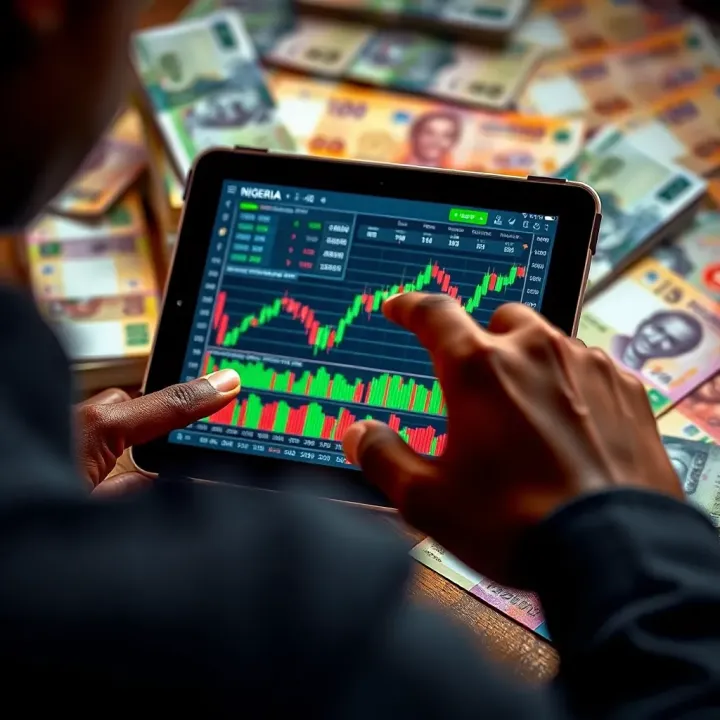
Understanding charts, pips, and leverage is crucial. Beginner books often provide step-by-step explanations on reading candlestick and bar charts, interpreting price movements, and calculating pip value — the unit measuring price changes. They also highlight leverage’s double-edged nature: while it amplifies gains, it can multiply losses, a warning particularly urgent for Nigerian traders dealing with high naira volatility. Grasping these concepts early protects beginners from common pitfalls.
How these books fit Nigerian beginners depends on their ability to blend global principles with local examples. Some authors include case studies showing how CBN policies or liquidity constraints affect trading decisions. This contextualisation helps Nigerian novices appreciate the differences in market behaviour compared to, say, the US dollar or euro markets. Furthermore, many beginner books recommend practical steps like using demo accounts before committing real ₦, a crucial advice in Nigeria's fast-changing forex scene.
Popular resources for learning chart patterns include classics such as Murphy's "Technical Analysis of the Financial Markets" and Steve Nison's "Japanese Candlestick Charting Techniques." These books teach traders how to spot setups like head and shoulders, double tops, or flags—patterns that signal potential price shifts. For Nigerian traders, recognising these patterns helps time entries and exits more effectively, especially during periods of naira instability.
Use of indicators and signals is another key focus. Books cover oscillators like RSI (Relative Strength Index), MACD (Moving Average Convergence Divergence), and Bollinger Bands, which help detect overbought or oversold conditions. These tools enable Nigerian traders to freeze impulsive decisions during turbulent sessions and instead follow systematic, indicator-backed strategies.
Applicability to Nigerian market conditions lies in adapting technical analysis to irregular liquidity and sudden policy shifts common in the country. Nigerian forex books often advise combining technical signals with awareness of local economics, such as CBN’s interventions or importers’ demand patterns. This hybrid approach increases the relevance of chart patterns and indicators in a market where fundamental forces sometimes trump pure technical trends.
Beginners and seasoned traders alike benefit from having a robust grasp of fundamentals. This knowledge integrates with technical skills to build a trading approach that can withstand Nigeria’s unique forex challenges.
Trading psychology and risk management are parts of forex trading often overlooked but deeply important, especially for Nigerian investors dealing with the market’s notorious unpredictability. Books that focus on these areas teach not just how to trade but how to think like a trader and protect your investment capital in markets known for their swings. Traders in Nigeria face unique pressures like naira volatility and economic policy shifts that test emotional control and risk strategies to the limit.
A steady mindset is vital when trading forex, particularly in Nigeria where rapid currency fluctuations can cause knee-jerk reactions. If traders let fear or greed dictate decisions, they often suffer losses. Books on trading psychology help readers recognise emotional triggers and maintain discipline during turbulent times. For example, when naira weakens sharply against the dollar, panic selling is common, but the disciplined trader sticks to a plan rather than chasing the market.
Losses are part of trading, but it’s how you handle them that determines long-term success. Quality books emphasise detaching emotions from setbacks to avoid revenge trading or abandoning a tested strategy. Nigerian traders sometimes react to a few bad trades by abandoning risk controls, which worsens losses. Learning to stay consistent, even when down, helps build confidence and control.
Certain behaviours frequently surface in local forex circles—overtrading, neglecting stop-loss orders, and chasing quick profits. Books that highlight these pitfalls help traders self-audit their habits. For instance, impatience with long-term strategies in favour of high-risk, short-term gains often leads to rapid capital depletion. Awareness of such tendencies enables traders to correct course before suffering major setbacks.
Successful risk management boils down to limiting losses on any single trade. Books focusing on this teach how to calculate proper position sizes relative to total capital and set stop-loss orders to cap downside. Nigerian traders often overlook this, risking too large a percentage of their portfolio on one position. By adopting these strategies, traders reduce the chance of wiping out their capital from one bad move.
Many books describe mistakes like overleverage, trading on tips without analysis, and ignoring market signals. These pitfalls remain common in Nigeria’s forex scene, where excitement about quick gains sometimes trumps careful planning. Learning to avoid them through tested principles enables investors to protect both capital and morale.
Risk approaches must consider local challenges like erratic power supply, internet interruptions, and broker reliability. Good trading books detail how to factor these in—for example, by setting wider stops during unstable periods or using brokers with local support. Understanding these realities helps Nigerian traders tailor generic techniques to their environment, improving effectiveness and resilience.
Discipline in trading is not just about rules but controlling your reactions and protecting your investment against the market’s twists and turns. In Nigeria's volatile forex landscape, mastering psychology and risk is the backbone of steady growth.
By focusing on psychology and risk management, Nigerian investors can build trading practices that won’t just survive market shocks but potentially profit from them through calm and calculated moves.
Learning directly from seasoned forex traders offers invaluable insights that theory alone cannot provide. Books containing real-life lessons reveal tested strategies, mistakes to avoid, and mindset shifts necessary for success — especially relevant given Nigeria’s unique market challenges.
Tested approaches in forex trading often stem from years of trial and error. Such books present strategies that have shown consistent results, helping Nigerian traders sidestep the trial-and-error phase. For instance, a common tested strategy is trend following, which identifies and capitalises on sustained market direction. This method has helped both local and global traders catch major moves rather than chasing noise.
How to develop and customise your trading plan is another key insight these books provide. No one-size-fits-all exists in forex; a plan tailored to your risk appetite, time availability, and capital is crucial. Nigerian traders gain especially by learning how to adjust stop-loss levels and position size to cope with frequent naira volatility. Customising a plan also includes setting clear entry and exit rules to reduce emotional decisions common among new traders.
Stories of Nigerian traders succeeding or failing add a rich layer of context. Such narratives offer lessons grounded in local realities: the impact of unreliable power supply, brokerage scams, or sudden regulatory changes. For example, a trader failing to hedge against naira devaluation lost large capital, while another who adopted strict discipline and risk management made steady profits over years. These stories motivate and caution readers simultaneously.
Comparing international forex trends with local context helps Nigerian traders understand global events’ ripple effects on the naira and local currencies. Books that juxtapose market behaviour during US Federal Reserve announcements or Brexit decisions alongside Nigerian economic reactions help traders craft better responses. This knowledge is vital because local markets often react differently than developed markets.
Adjusting strategies to economic and regulatory changes is critical for longevity. Nigeria’s forex environment can change abruptly due to CBN policies or foreign exchange restrictions. Experienced traders adapt by shifting from speculative to more conservative approaches or by trading assets less affected by local controls. Books discussing these aspects guide traders to stay ahead rather than get caught off guard.
Use of fintech platforms like OPay and Kuda in trading has revolutionised access to the forex market for many Nigerians. These apps simplify fund transfers, currency conversion, and even offer in-app forex trading features. Books mentioning these fintech tools show how integrating technology can reduce transaction costs and increase trading efficiency. As Nigerian banks tighten forex controls, fintech platforms offer alternative channels for executing trades swiftly.
Real-life trading experiences sharpen theoretical knowledge, especially in a dynamic market like Nigeria’s. Understanding practical strategies, adapting to local shifts, and leveraging fintech platforms can significantly improve trading success.
By focusing on these aspects, Nigerian investors can turn lessons from seasoned traders into their own winning formulas.
Picking the right forex trading book isn’t just about expanding your bookshelf. For Nigerian investors, it’s a strategic step that can save time, money, and frustration while sharpening trading skills. The forex market has many layers—from basic concepts to complex strategies—so choosing a book that matches your current experience and addresses local realities improves your learning curve and trading outcomes.
Not all forex books suit every trader. If you’re just setting out, beginner-friendly titles that explain fundamental concepts like pips, leverage, and currency pairs in straightforward language will serve you best. For example, a newbie might start with a book that explains "How Forex Markets Work" before diving into books full of technical analysis jargon.
Intermediate and advanced traders should seek books that deepen understanding of chart patterns, trading psychology, and sophisticated strategies. Nigerian traders, who often face unique challenges such as sudden Naira volatility or regulatory changes, will benefit from materials that bridge global theory and local practice.
Matching a book’s content with your personal learning goals is equally important. If your goal is to master risk management, pick books focusing on capital protection techniques rather than general market history. For instance, if you want to specialise in scalping or day trading, look for resources dedicated to fast-paced strategies instead of long-term investments.
Forex books that tackle local challenges hold particular value. Not many global titles cover Nigeria’s frequent exchange rate adjustments or the role of the Central Bank of Nigeria (CBN) in managing foreign reserves. Books that include examples tied to Nigeria’s economy help traders make better decisions.
Apart from books, staying updated with Nigerian financial news and policy changes is essential. The forex market reacts swiftly to government policies, subsidies, and inflation reports. Regularly consulting local business newspapers or CBN press releases alongside your reading helps put lessons into current context.
Reading alone won’t make you a skilled trader. Using trading simulators and demo accounts, such as those offered by local brokers or international platforms servicing Nigeria, allows you to practice strategies risk-free. These tools help you apply theoretical knowledge and understand market dynamics without risking your money.
Additionally, Nigerian forex communities on social media and forums serve as real-time platforms for traders to exchange tips, alerts, and experiences. Engaging with these groups enriches your learning and keeps you informed about local market quirks, scams, or broker reviews. This practical engagement complements the knowledge from books, building a well-rounded forex expertise.
Choosing the right forex trading book is not just about content but fitting it to your experience, goals, and local market context. Supplement the reading with hands-on practice and local insights to trade with confidence in Nigeria’s unique forex environment.
📚 Discover top forex trading books tailored for Nigerian traders! From basics to risk tips, boost your skills and trade smarter today. 💹

📚 Discover top forex trading books tailored for Nigerian traders! Master forex basics, strategies, and risk management to boost your skills and confidence.

📚 Discover top forex trading books tailored for Nigerian traders! Learn key strategies, risk management, and psychology to boost your trading skills today.

Discover top forex trading books 📚 every Nigerian trader should read! Boost your skills with strategies, risk tips & market insights for smarter trading 🇳🇬💹.
Based on 8 reviews