
Understanding Forex Trading for Nigerian Traders
Learn forex trading basics, strategies, risks, and best platforms tailored for Nigerian traders. Gain practical tips to trade confidently and securely 📈💱🇳🇬
Edited By
Charlotte Moore
Forex trading involves buying and selling foreign currencies with the aim of making profit from exchange rate fluctuations. In Nigeria, this market has gained traction over the years due to increased internet access, mobile trading platforms, and a growing interest in alternative investment opportunities.
Unlike investing in stocks or real estate, forex trading operates 24 hours a day across global markets, allowing Nigerian traders to engage whenever it suits their schedule. The key pairs often traded include USD/NGN, EUR/USD, and GBP/USD, with the Nigerian Naira (₦) playing a central role for local investors.
That said, forex trading carries significant risks alongside the opportunities. Volatile currency movements can lead to profits but also sizeable losses. It’s essential to understand market fundamentals like supply and demand, economic indicators, and geopolitical events that influence currency prices.
Successful forex trading requires a mix of technical knowledge, market insight, and disciplined risk management.
Most Nigerians start trading through online platforms like MetaTrader 4 or 5, or local brokers regulated by the Securities and Exchange Commission (SEC). These platforms provide real-time charts, order execution, and leverage options, though leverage must be used cautiously to avoid margin calls.
Practical steps for beginners include:
Learning basic forex terminology (pips, lots, leverage, spread)
Practising with demo accounts before investing real money
Setting clear goals and risk limits
Staying updated on global economic news affecting currencies
Trading without proper preparation is akin to navigating Lagos traffic on a rainy day without knowing the routes—it’s risky and likely to end in loss. But with steady learning, consistent strategies, and reliable brokers, Nigerians can tap into forex trading as a viable investment avenue.
This article will guide you through the essentials to make your forex journey informed, confident and appropriately cautious.
Forex trading, or foreign exchange trading, plays a significant role in Nigeria’s growing investment landscape. Grasping the basics isn’t just helpful; it’s necessary for anyone keen to trade currencies effectively and protect their ₦-assets from volatile markets. Understanding how the forex market operates helps you make smarter decisions rather than blindly following trends.
The foreign exchange market, often called Forex or FX, is where currencies are bought and sold. It’s a vast global marketplace open 24 hours a day where traders exchange one currency for another. For example, if you have US dollars and want to buy euros, you participate in this market. The forex market is crucial for international trade and investment, allowing businesses to convert currencies easily.
Forex trading involves currency pairs like USD/NGN or EUR/USD. The first currency in the pair is the ‘base’ currency, while the second is the ‘quote’ currency. The pair’s price shows how much of the quote currency you need to buy one unit of the base currency. So, if USD/NGN is 460, it means one US dollar costs ₦460. Understanding pairs helps traders anticipate market moves, like when Nigeria’s economy strengthens and the naira appreciates.
Forex markets process over US$6 trillion daily, making them the largest financial market worldwide. This enormous volume shows deep liquidity, meaning you can buy or sell currencies easily without big price changes. For Nigerian traders, this liquidity is advantageous because you can enter or exit trades at almost any time without huge spreads, unlike less liquid markets.
In forex, you buy a currency pair if you expect the base currency to strengthen, or sell if you think it will weaken. For instance, if you anticipate that the naira will lose value against the dollar, you sell USD/NGN pair to profit from the exchange rate change. This buying and selling happen electronically through trading platforms provided by brokers.
Every forex pair has two prices: the bid (price buyers offer) and the ask (price sellers want). The difference between these is called the spread, which is how brokers make money. Suppose USD/NGN has a bid of 459.80 and an ask of 460.00, the spread is ₦0.20. Knowing this helps traders understand transaction costs and choose brokers with competitive spreads.
Leverage allows traders to control larger positions with a smaller deposit, called margin. For example, with 1:100 leverage, ₦1,000 can control ₦100,000 worth of currency. While leverage boosts profit potential, it also increases risk, especially in volatile markets like Nigeria’s. Using leverage sensibly helps protect your capital and avoid losses that wipe out your funds unexpectedly.
Forex trading in Nigeria demands clear understanding of these basics since forex is fast-moving and can be risky. Proper grasp of currency pairs, market volume, prices, and leverage ensures you trade with confidence and safeguard your investments.
Entering forex trading in Nigeria demands a clear understanding of how to set up properly, aligned with local regulations and realities. Getting started well reduces risks and positions you to trade confidently, avoiding common pitfalls that many beginners face.
The Central Bank of Nigeria (CBN) and the Securities and Exchange Commission (SEC) are the primary regulators overseeing forex trading activities. Choosing a broker licensed by SEC Nigeria offers you some protection, such as compliance with local laws and operational transparency. Many international brokers allow Nigerians to trade but lack local oversight, increasing the chance of scams. For instance, brokers regulated outside Nigeria may not adhere to Nigerian consumer protections, making it harder to resolve disputes.
Nigerian traders often turn to global brokers like ForexTime (FXTM), XM, and HotForex, which welcome Nigerian clients and support naira funding. These companies offer platforms in English, customer service tailored to Nigerian users, and local deposit options. Also, some local brokers like Tradepass are emerging with SEC licences, offering more direct compliance with Nigerian regulations.
Before committing, check how brokers segregate clients’ deposits to keep funds safe in case of insolvency. Quality brokers have clear policies on fund protection and provide effective customer service. For example, MTN has an extensive network of agents for local transactions; similarly, a broker with local support reduces delays in withdrawals and answers queries promptly.
To open a legitimate account, you’ll usually need your Bank Verification Number (BVN) and National Identification Number (NIN). These ensure your identity is verified securely and help brokers meet anti-money laundering rules. Without these documents, access can be restricted, so make sure your BVN and NIN are active and correct before applying.
Funding accounts often happens through bank transfers, card payments, or fintech platforms like Paystack or Flutterwave. Brokers accepting naira deposits save you from currency conversion charges and delays. For instance, with direct bank payment options, you avoid the middleman costs compared to using US dollars.
Most brokers offer demo accounts free of charge to practise trading without risking real money. This is important for learning market dynamics, testing strategies, or simply getting comfortable with the trading platform’s interface. For example, a newbie can simulate buying and selling the USD/NGN pair several times to build confidence before making real trades.
Starting forex trading in Nigeria needs careful steps—picking the right broker and setting up your account properly lets you avoid scams and manage risks effectively while learning the ropes.
By focusing on licensed brokers, understanding local requirements, and starting with demo accounts, you’ll lay a strong foundation for successful forex trading in the Nigerian market.
Forex trading isn't just about guessing which way a currency will move. It demands a combination of well-grounded strategies and practical tools. These help you study market behaviour, assess potential risks, and make informed decisions. In Nigeria's dynamic forex environment, understanding these tools is essential to avoid costly mistakes and increase your chances of profit.
Technical analysis relies on past market data to predict future price movements. One key skill here is reading charts, especially candlestick patterns. Candlesticks show you the opening, closing, high, and low prices for specific time frames. For example, a bullish engulfing pattern — where a smaller red candle is followed by a larger green one — can signal a potential price bounce. Traders use this to spot possible entry or exit points.
Common indicators like moving averages and the Relative Strength Index (RSI) add another layer to technical analysis. Moving averages smooth out price data, highlighting the trend direction. For instance, when the 50-day moving average crosses above the 200-day moving average (a golden cross), it often suggests a bullish trend. RSI measures the speed and change of price movements, signalling if an asset is overbought or oversold. An RSI above 70 may indicate that a currency pair is overbought and due for a correction.
Support and resistance levels act like invisible walls for price movements. Support is a price level where demand tends to stop prices from falling further, while resistance marks where supply prevents prices from going higher. Knowing these levels helps traders set realistic stop-loss or take-profit points. For example, if the USD/NGN pair repeatedly bounces off ₦410, ₦410 becomes a support level worth watching.
Fundamental analysis examines economic data and events to gauge currency value. Interest rates and inflation figures hold significant weight. When Nigeria's inflation rises sharply, the naira might weaken as purchasing power drops. Conversely, higher interest rates can attract foreign investments seeking better returns, supporting stronger naira demand.
Central bank policies, especially those of the Central Bank of Nigeria (CBN), directly influence forex rates. CBN decisions on foreign exchange availability, currency controls, or monetary policy affect the naira's liquidity and value. For instance, tightening forex controls to stop naira depreciation can restrict market supply, causing price volatility.
Geopolitical events also shape forex trends. Political instability in Nigeria or major trading partners, elections, or policy shifts can create market uncertainty. For example, before a key election, traders might avoid large positions due to unpredictable outcomes, impacting demand for the naira or foreign currencies.
Understanding both technical and fundamental aspects equips you better for the forex market's ups and downs. Combining these helps you make careful, practical trading calls instead of relying on guesswork alone.
Managing risks is vital for anyone interested in forex trading in Nigeria. The foreign exchange market can be very rewarding but also highly volatile, meaning losses can come swiftly if you are not careful. Applying risk management techniques helps you protect your capital while maintaining chances to profit. Additionally, being aware of common mistakes prevents unnecessary setbacks that could wipe out gains and frustrate your trading journey.
Setting stop-loss and take-profit points is one of the first steps traders must take to safeguard investments. A stop-loss automatically closes your trade if the market moves against you beyond a set level, limiting your losses. Likewise, a take-profit point locks in gains when the price reaches your desired target. For example, if you buy the USD/NGN pair at ₦500 and set a stop-loss at ₦480 with a take-profit at ₦520, your risk is contained between ₦20 loss and ₦20 profit per unit. This removes the emotional burden of deciding when to exit and keeps your strategy disciplined.
Limiting leverage to avoid large losses is equally important. Many brokers offer high leverage, sometimes as much as 100:1 or more, meaning you can control ₦100,000 with just ₦1,000 of your own money. However, excessive leverage multiplies losses quickly. For instance, a 1% move against your position with 100:1 leverage wipes out your equity entirely. Nigerian traders should stick to lower leverage ratios like 10:1 or 20:1 to manage risks better, especially if you are new. Your goal is sustainable growth, not quick hits that could cause a total wipeout.
Diversifying trades and position sizing also reduces the impact of losing streaks. Instead of putting all your funds in one currency pair, spreading investments across different assets or timeframes softens volatility exposure. For example, combining trades on USD/NGN, EUR/USD, and GBP/USD can balance out regional fluctuations or geopolitical risks affecting individual currencies. Moreover, adjusting your position size in proportion to your account value—never risking more than 1-2% on any single trade—helps you survive bad days and stay in the game longer.
Overtrading and emotional decisions are pitfalls Nigerian traders must avoid. Sometimes, traders jump into many trades without a clear plan or chase losses after a bad trade, rewarded by tense market reactions. This behaviour often results in bigger losses instead of recovery. Discipline matters; stick to your strategy and only trade when clear opportunities arise. Avoid trading based on gut feelings or frustration, as this clouds judgement.
Ignoring market news and signals is another critical error. Forex rates react to data releases—such as Nigeria’s inflation figures, CBN policy announcements, or global economic events. Missing these cues can mean entering trades just before sudden swings, causing unwanted losses. Keeping informed through trusted financial news platforms or economic calendars sharpens your timing and improves decision-making.
Falling for scams and unreliable platforms remains a major risk for Nigerian forex traders. The promise of quick riches attracts many fraudulent operators who often disappear with clients' funds. Always verify broker licences with the Securities and Exchange Commission (SEC) Nigeria or check for CBN recognition. Avoid brokers with poor customer feedback or unclear terms. Better to trade with well-known platforms like MT5-enabled brokers, which offer transparency and regulation.
Protecting your capital is the foundation of profitable forex trading. Bad decisions, overconfidence, or trusting the wrong sources have cost many Nigerians dearly. Become a smart trader by managing your risks well and steering clear of common mistakes.
Maintaining focus on these key aspects puts you ahead in the Nigerian forex environment and builds a trading practice that can withstand market ups and downs.
The regulatory framework around forex trading in Nigeria shapes how traders operate, ensuring the market remains fair and protects investors from fraud. Understanding this environment is key to navigating forex trading safely and legally. Traders and investors benefit from knowing which institutions hold regulatory authority, what policies exist, and how to verify the authenticity of brokers.
The Central Bank of Nigeria (CBN) enforces forex policies and currency controls designed to stabilise Nigeria's foreign exchange market and manage naira value. These policies influence how forex traders in Nigeria can access foreign currencies and the limits on currency transactions. For instance, CBN’s restrictions on access to the official forex market affect availability for importers and exporters, impacting demand and supply dynamics.
Restrictions on foreign exchange transactions are part of CBN's measures to limit naira volatility and conserve foreign reserves. Individuals and businesses often face limits on amounts and purposes for buying foreign currency through official channels. This means that forex traders must comply strictly with these regulations to avoid penalties or delays in their transactions, especially when moving large sums across borders.
Local forex brokers operate under licences issued or recognised by Nigerian authorities, primarily the CBN or the Nigerian Securities and Exchange Commission (SEC). These licences confirm that brokers meet minimum standards for capital, transparency, and client fund safety. Trading through licensed brokers reduces the risk of falling victim to scams or unregulated platforms, which have become a serious challenge with many unregistered operators targeting Nigerian traders.
Verifying broker authenticity is the first step in legal protection. Traders should confirm that brokers hold valid licences with the SEC or CBN, and avoid platforms lacking clear regulatory status. This could involve checking official lists published by these agencies or seeking referrals from trusted financial sources in Nigeria.
In case of fraud, reporting promptly to Nigerian authorities such as the Economic and Financial Crimes Commission (EFCC) or SEC can help recover funds or prevent future losses by shutting down fraudulent brokers. Awareness of reporting channels and maintaining transaction records supports swift action against fraud.
Understanding tax implications on forex gains is crucial for all traders. Forex profits are taxable under Nigerian law as part of personal or corporate income. Traders are expected to declare profits to the Federal Inland Revenue Service (FIRS) and pay applicable taxes. Failure to comply can lead to penalties or legal scrutiny. Keeping accurate records of trades, gains, and losses simplifies tax filing and ensures full compliance.
Protecting yourself legally in forex trading means knowing the rules, confirming your broker's legitimacy, and staying accountable with tax authorities. These steps are essential to trade safely and sustainably in Nigeria.
This regulatory knowledge equips Nigerian traders to make smarter decisions, avoid legal pitfalls, and operate with confidence in an often complex forex landscape.
Learn forex trading basics, strategies, risks, and best platforms tailored for Nigerian traders. Gain practical tips to trade confidently and securely 📈💱🇳🇬
Explore forex trading in Nigeria with insights on regulations, local market, top platforms, risks & tips for beginners. Start smart today! 💹🇳🇬
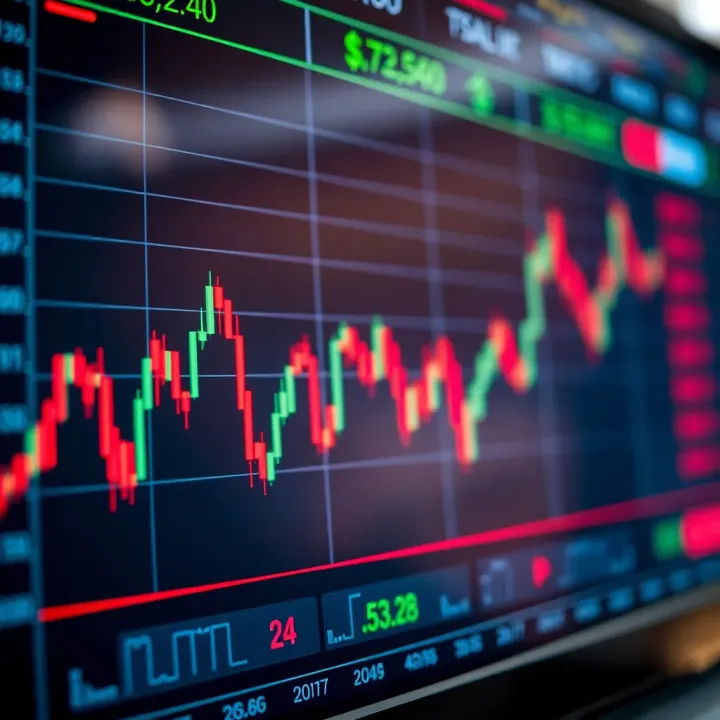
📈 New to forex trading in Nigeria? Learn how currency markets work, discover major pairs, risk tips, and practical steps to start confidently trading today!
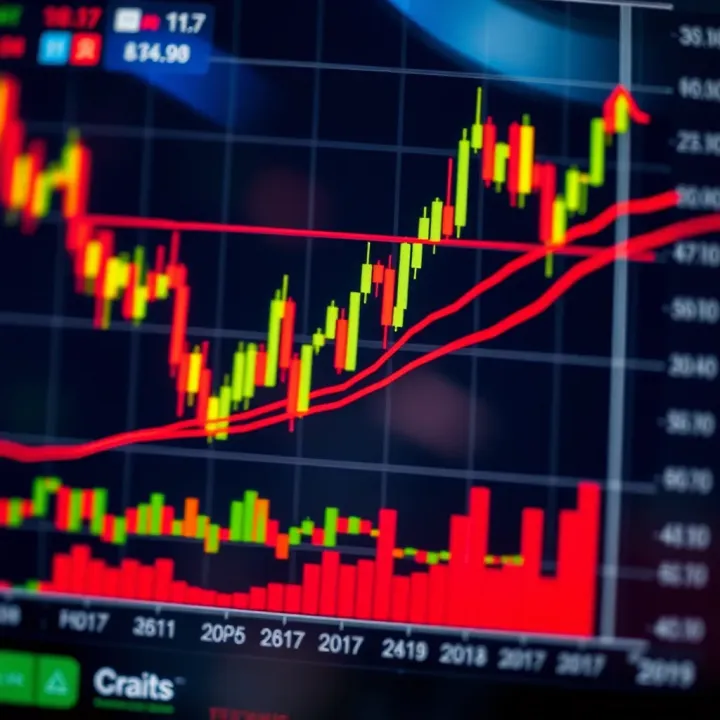
📈 Ready to start forex trading in Nigeria? Learn essential terms, market basics, risk tips, and how to build a solid trading plan step-by-step.
Based on 13 reviews