
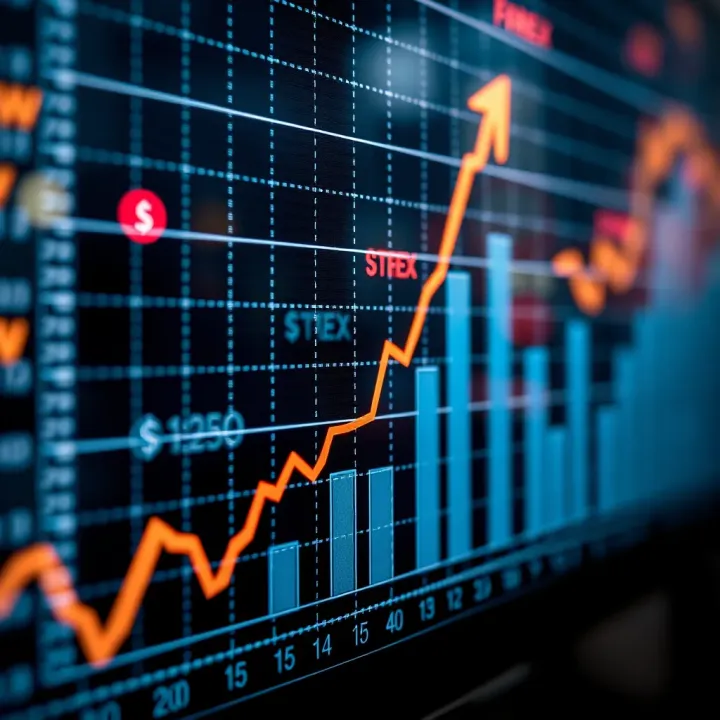
Top Forex Trading Strategies for Nigerian Traders
📈 Explore smart Forex trading strategies tailored for Nigeria 🇳🇬. Learn essential tools, risk management, market analysis & avoid common trader mistakes.
Edited By
Ethan Parker
Forex trading has captured the interest of many Nigerian traders and investors looking to grow wealth beyond traditional avenues. Yet, a big question nags a lot of Muslim traders: Is forex trading halal in Islam? This concern isn’t about market risks alone but about whether the activity aligns with Islamic principles.
Islamic finance has unique rules that differ substantially from conventional finance, especially regarding riba (interest), gharar (excessive uncertainty), and speculation. These core principles help determine whether any financial act is compliant (halal) or not.

In Nigeria's context, where a sizeable Muslim population actively participates in forex trading, understanding how Islamic law views such activity becomes essential. Practical clarity can guide traders on how to avoid prohibited elements while engaging in forex profitably and ethically.
"Forex trading can be halal if it strictly follows Islamic guidelines avoiding interest, speculative excess, and ensures fairness in every transaction."
Islam prohibits earning money from interest or uncertain transactions. Riba refers to forbidden interest, often in lending or borrowing situations. Forex trading may involve interest charges through rollover fees (swap rates) if positions stay open overnight.
Gharar relates to ambiguity or risk. Excessive speculation that resembles gambling is frowned upon. Therefore, straightforward currency exchanges on spot markets without delay or added interest tend to be acceptable.
Immediate exchange of currencies: The trade must settle instantly or within a very short period.
No overnight interest (swap) fees: Avoiding rollover charges keeps the trade free from riba.
Avoiding highly speculative practices: Trading should not resemble gambling or uncertain betting.
Transparency and fairness: Both parties in the transaction must know and agree on terms without deceit.
Use Islamic forex accounts offered by brokers like FXTM, IG, or XM, which waive interest fees.
Engage in spot forex trading where transactions complete immediately.
Avoid leverage beyond what Islamic guidelines or personal ethics permit.
Consult knowledgeable Islamic scholars with experience in finance for personalised advice.
This balanced approach ensures Muslim traders in Nigeria can participate in forex without conflicting with Islamic teachings, protecting both their wealth and faith integrity.
Islamic finance offers a unique set of rules grounded in Shariah law, which influences how Muslims can engage in financial activities like forex trading. Understanding these fundamentals helps traders align their forex practices with Islamic principles, ensuring that their investments remain halal and ethically sound. This section breaks down these core ideas and relates them directly to forex trading scenarios.
In Islamic finance, charging or paying interest—known as riba—is strictly forbidden. This principle stems from the view that money itself should not generate profit without being tied to real economic activity. For example, earning profit by simply lending money at interest, without sharing risk or effort, is viewed as unjust.
Applying this to forex trading, any transaction that includes earning or paying interest, such as rollover fees on overnight positions, may violate this prohibition. So, Muslim traders often seek swap-free accounts to avoid riba in their forex dealings.
Gharar refers to uncertainty, deception, or ambiguity in contracts and transactions. Islamic finance discourages deals where the outcome is too uncertain or speculative—think of selling fish that haven’t been caught yet or making bets with unclear terms.
In forex trading, this means speculative practices, such as high-risk leveraged trading or trading on margin with unpredictable outcomes, may breach this principle. The goal is to conduct trades based on clear terms and reasonable risk, not pure guesswork or gambling-like behaviour.
Islamic finance demands honesty and transparency, ensuring all parties fully understand the trade terms. Contracts must avoid hidden fees, misleading information, or unfair advantages.
For forex traders, this means brokers should disclose all charges, risks, and trade conditions upfront. Transparency builds trust and helps avoid disputes, making sure the trade is just and clear for everyone involved.
Forex trading involves buying one currency while simultaneously selling another in pairs, for instance, USD/NGN. Traders speculate on currency fluctuations to make a profit. These movements are driven by economic data, geopolitical events, and market sentiment.
For a Nigerian trader, understanding how naira pairs react to global events or local policies helps make informed decisions. Since forex is mostly short-term and dynamic, knowing market rhythms prevents impulsive, risky trades.
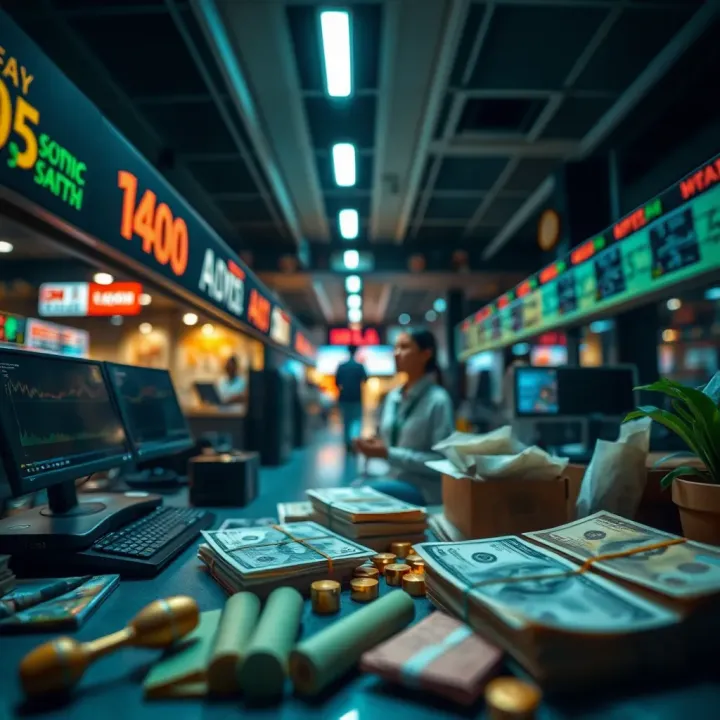
Typical forex activities include spot trading (immediate exchange), futures, options, and CFDs (contracts for difference). Spot trading is the direct exchange of currencies, while futures and options involve contracts for future exchange at predetermined prices.
Muslim traders usually prefer spot trading, as it aligns with immediate possession rules in Shariah. Instruments involving delayed settlement or uncertain deliverables tend to raise ethical flags.
Leverage lets traders control larger amounts with a small capital deposit (margin). For example, with 1:100 leverage, ₦10,000 controls ₦1 million. While this can boost profits, it also magnifies losses.
In Islam, high leverage that resembles gambling or exposes traders to excessive risk may not be permissible, as it conflicts with gharar prohibitions. Responsible leverage means using amounts you can afford to lose and maintaining clear risk management.
Understanding these fundamentals helps Muslim traders navigate forex markets without crossing ethical or religious lines. It’s about combining market savvy with Islamic finance principles to achieve halal trading practices.
Islamic finance principles stress avoiding unfair gain, excessive risk, and injustices in transactions. When it comes to forex trading, certain features commonly practiced provoke concerns among Muslim traders. These revolve mainly around interest (riba), uncertainty or speculation (gharar), and how currency transactions are conducted. Understanding these issues helps traders spot which forex activities align with Shariah law and which do not.
Forex brokers often charge swap or rollover fees when a position is held overnight. These fees are essentially interest payments based on the interest rate differential between currency pairs. For Muslims, this presents a problem because paying or receiving interest (riba) is forbidden under Islamic law. For instance, when a trader holds a position past the market close, a daily swap fee can apply, which conflicts with the Islamic ban on riba.
Riba is strictly prohibited because it leads to unfair enrichment without labour or risk-sharing. It can also exploit the financially vulnerable. In forex terms, earning or paying interest through swap charges violates this principle. Hence, many Islamic traders prefer brokers that offer swap-free accounts, eliminating overnight interest fees and helping ensure their trading remains halal.
Gharar refers to excessive uncertainty or ambiguity in contracts that can lead to unjust outcomes. In forex, this mostly relates to speculative trading where decisions are based on rapid price swings rather than underlying economic fundamentals. Unlike investment, which involves calculated risk and value creation, speculation focuses on short-term price movements often driven by rumours or hype.
Such speculative behaviour introduces gharar because the outcome is highly uncertain and resembles gambling. High leverage compounds this issue by magnifying both potential profits and losses. Some Shariah scholars view this as crossing into prohibited territory, arguing it encourages reckless risk-taking and unfairness. Therefore, traders should be cautious with leverage, ideally keeping it low to avoid excessive gharar.
Islamic law requires that currency exchange must be immediate and on the spot. Spot trading in forex, where trades settle instantly, is generally permissible. However, derivative products like futures and options involve delayed delivery and contractual uncertainty, which raises Shariah concerns.
For example, futures contracts specify a currency exchange at a future date, exposing parties to gharar due to price changes during the waiting period. Similarly, options create conditional rights that can resemble gambling. Hence, spot trading aligns better with the Islamic requirement of immediate exchange, reducing uncertainty and making it more acceptable for Muslim traders.
For forex trading to be halal, the exchange of currencies must be immediate with no delay, and transactions should avoid interest and excessive uncertainty.
Traders in Nigeria should focus on spot forex transactions and consider swap-free account options to remain within Islamic guidelines, whilst also managing risk carefully to avoid excessive speculation.
To engage in forex trading while respecting Islamic principles, traders must follow clear criteria that distinguish halal practices from those involving prohibited elements like riba (interest) and gharar (excessive uncertainty). These criteria aim to ensure transactions are transparent, immediate, and free from unethical risks. Applying these guidelines helps Muslim traders avoid conflicts with their faith, offering peace of mind alongside financial opportunity.
Spot forex trading, where currencies are exchanged instantly at current market rates, generally qualifies as halal under Islamic law. The key is that the transaction happens immediately, without delay in settlement. This immediacy aligns with Islamic rulings that prohibit deferred exchanges in certain contexts because postponement can lead to uncertainty or speculation.
For example, a Nigerian trader exchanging US dollars for naira and receiving the funds immediately in their account meets the spot trade criteria. This contrasts with futures or forward contracts, which involve a promise to exchange currencies at a later date, often carrying interest or additional risks.
Another crucial aspect is avoiding interest and delay. Many conventional forex trading platforms charge swap or rollover fees when positions remain open overnight. These fees often resemble riba, which is forbidden in Islam. Traders using spot trades without rollover delays eliminate the risk of accruing such fees, maintaining compliance.
Islamic forex accounts, also known as swap-free accounts, cater specifically to Muslim traders by removing interest-based charges from the equation. These accounts adjust the brokerage conditions to avoid swaps or rollover fees, enabling traders to hold positions without incurring prohibited costs.
In Nigeria, brokers like OctaFX and FXTM offer Islamic accounts, adapting their trading infrastructure to meet local Muslim clients' needs. This accommodation allows traders to perform spot forex trading in a manner consistent with Islamic finance principles, without worrying about unexpected interest payments that breach halal guidelines.
Islamic finance emphasises fairness and caution, making responsible trading key to halal forex. Excessive leverage or speculative strategies can expose traders to undue risks, which clashes with Islamic norms against gharar. A responsible trader limits leverage, calculates position sizes carefully, and avoids reckless trades.
Transparency also matters greatly. Brokers and traders must provide clear information about costs, risks, and trade execution. This openness protects traders from hidden fees or deceptive practices common in some forex environments. For instance, clear disclosure of spreads, commissions, and withdrawal policies helps build trust and ensures shariah-compliant operations.
Practising halal forex trading means more than just avoiding interest; it requires conscientious attention to immediate trade execution, honest dealings, and prudent risk management, especially when navigating complex markets like forex.
By following these criteria, Muslim traders in Nigeria and beyond can pursue forex trading without compromising their beliefs while engaging in a market that offers significant financial potential.
Navigating forex trading as a Muslim trader in Nigeria demands more than just market knowledge; it requires practical steps aligned with Islamic principles. This guidance helps traders avoid prohibited elements like riba (interest) and gharar (excessive uncertainty) while managing the risks inherent in volatile currency markets. By focusing on Shariah-compliant brokerages, risk control, and local regulations, Muslim traders can operate confidently and ethically in Nigeria's forex space.
Selecting a Shariah-compliant broker is crucial to ensure your trades respect Islamic law. Look for brokers offering swap-free accounts that remove overnight interest charges, a common source of riba. A good broker will also provide transparency on fees and avoid hidden charges. For example, in Nigeria, some brokers clearly distinguish Islamic accounts, while others do not, so verifying this upfront can save trouble.
Besides interest avoidance, check if the broker limits leverage to reasonable levels to prevent highly speculative trades, which often contradict Shariah principles. Clear communication and robust customer support are also signs of ethical practice worth considering.
Nigerian traders can choose between local brokers familiar with the domestic regulatory landscape and international brokers with global reach. Local brokers often provide easier fund transfers via Nigerian banks and USSD codes, plus customer service attuned to Nigerian traders’ needs.
International brokers, meanwhile, may offer more advanced platforms and a wider range of currency pairs but sometimes lack clear Shariah-compliant options for Nigerian clients. It's smart to compare features and confirm Islamic account availability before committing. For instance, some foreign firms now cater to Muslims by providing certified halal forex accounts, a development increasing accessibility.
Islamic guidelines discourage excessive risk, so managing position sizes cautiously is vital. This means not risking more than a small percentage of your trading capital on any single position. Restricting leverage is also important because high leverage can amplify losses and is often viewed as speculative.
A practical approach is to use leverage levels that align with risk tolerance, such as 1:10 or lower, which reduces chances of large unexpected losses. Nigerian traders often face temptation to use leverage as high as 1:500 on some platforms, but this runs counter to Islamic risk principles.
Diversification spreads risk across different assets or currency pairs, helping to reduce gharar, the excessive uncertainty forbidden in Islam. Instead of putting all funds into volatile pairs like USD/NGN alone, consider adding more stable pairs or mixing forex trading with less speculative investments.
This strategy lessens susceptibility to sharp swings common in emerging markets and supports a more balanced portfolio. Diversification also encourages a thoughtful, long-term trading approach rather than chasing quick, risky gains.
Forex trading in Nigeria is regulated primarily by the Securities and Exchange Commission (SEC) and the Central Bank of Nigeria (CBN). Adhering to their rules isn't just legal compliance, but also ensures market stability and protection against fraud.
For example, SEC requires brokers operating in Nigeria to obtain licences, and CBN issues guidelines on foreign exchange dealings. Traders should verify their broker’s registration status to avoid unregulated operators, which can be common in local and online spaces.
Profits from forex trading in Nigeria are subject to tax under the Personal Income Tax Act (PITA). Traders must declare earnings and pay taxes accordingly to avoid penalties. Maintaining clear records of trades and profits is essential for compliance.
Also, consider the impact of naira volatility on reported income and consult tax professionals experienced in forex to handle complexities. Being upfront with tax obligations aligns with Islamic ethics of honesty and responsibility.
Ensuring your forex trading is both Shariah-compliant and locally legal builds a strong foundation for ethical and profitable trading in Nigeria. Prioritising proper brokers, managing risks sensibly, and observing legal duties empower Muslim traders to prosper without compromising their faith.
📈 Explore smart Forex trading strategies tailored for Nigeria 🇳🇬. Learn essential tools, risk management, market analysis & avoid common trader mistakes.

🤖Explore how to pick the best forex trading robot for your style. Learn key features, risk tips, and top platforms trusted by Nigerian traders.💡

Explore top forex trading tips and strategies tailored for Nigerian traders 🇳🇬. Learn to choose platforms, manage risks, and understand market rules for better results 💹.

Explore practical forex trading strategies tailored for Nigerian traders 🇳🇬. Learn essential principles, proven techniques, and risk management tips to boost your trading skills 📈.
Based on 5 reviews