
Top Forex Trading Strategies for Nigerian Traders
📈 Explore smart Forex trading strategies tailored for Nigeria 🇳🇬. Learn essential tools, risk management, market analysis & avoid common trader mistakes.
Edited By
Amelia Price
Forex trading ID cards have become a key part of how Nigeria manages its forex market. These cards act as official documents recognising individuals authorised to buy and sell foreign exchange within the country. They exist primarily to prevent fraud, money laundering, and unregulated trading practices which have plagued the market for many years.
In practice, the Central Bank of Nigeria (CBN) mandates that forex traders or brokers register for these ID cards before participating in the foreign exchange market. This regulation aims to bring more transparency and security to forex dealings, which is crucial given Nigeria's dependence on stable exchange rates and the naira's vulnerability to volatility.
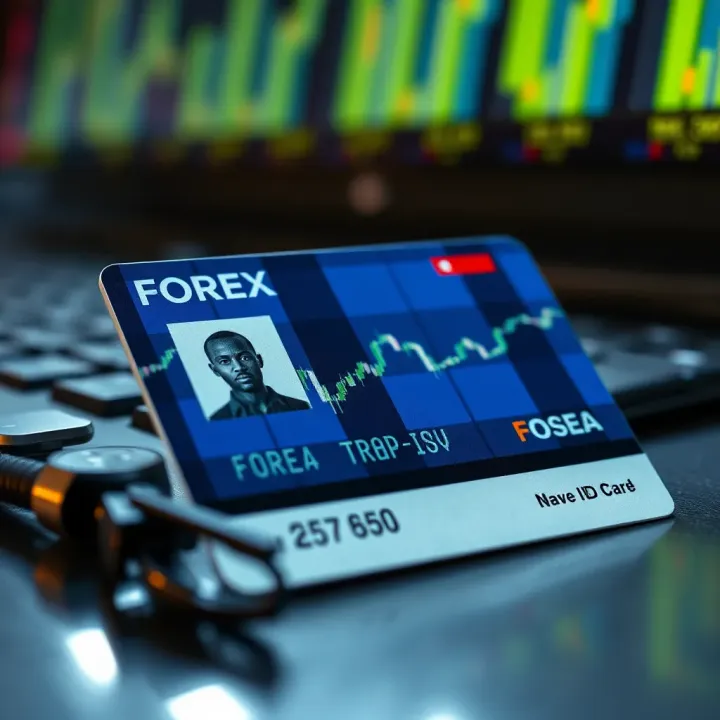
Obtaining a forex trading ID card involves submitting valid identification, proof of address, and sometimes proof of capital or business registration depending on the scale of trading operations. The process can be done through authorised dealers or financial institutions licensed by the CBN. For example, a trader operating through a bank like GTBank or Access Bank will typically meet their compliance requirements by securing this ID card.
Forex trading ID cards help create a controlled environment, reducing the risk of scams and ensuring compliance with Nigeria’s strict foreign exchange policies.
The emergence of these ID cards fits into Nigeria's broader efforts to regulate the forex market alongside other measures such as the use of the Bank Verification Number (BVN) and enhanced reporting requirements for forex transactions. They provide a practical way for the government to monitor who is trading, how much forex moves, and ensure all parties act within the law.
For traders and investors, having the right forex trading ID card means smoother transactions without unnecessary delays. It also offers legal protection, signalling that you operate legitimately under CBN rules. Brokers use these cards to verify clients and strengthen due diligence processes.
In short, forex trading ID cards matter because they protect the market and its participants. Whether you’re a small-time forex dealer or a large investment firm, understanding how these cards work helps you stay compliant and trade confidently within Nigeria’s evolving forex landscape.
A forex trading ID card in Nigeria acts as a specialised identification document issued to individuals and entities involved in forex trading activities. It serves not just as proof of identity but also as a regulatory tool to confirm that the holder is authorised to operate within Nigeria's forex market. These cards help both traders and regulators maintain order and transparency in a market that involves high volumes of foreign currency transactions.
Forex trading ID cards are used specifically within forex activities to identify legitimate traders, brokers, and operators. For example, if you trade on platforms like the NSE's currency segment or with licensed brokers, having this ID card verifies your status, ensuring smoother access to trading services. Without it, you risk being flagged for illegal trading or operating outside supervisory frameworks.
Besides identification, these cards support regulatory compliance by linking traders' information with official databases such as the Central Bank of Nigeria (CBN) and Securities and Exchange Commission (SEC). These organisations monitor forex flows closely to curb illegal activities like money laundering or forex scams. The ID card system helps by providing a straightforward way to track, validate, and sanction forex participants when necessary.
It is important to understand the distinction between the forex trading ID card and other identity documents like the National Identification Number (NIN) or Bank Verification Number (BVN). While NIN and BVN confirm general identity and banking information respectively, the forex trading ID card specifically relates to permissions in the forex market. For instance, a trader may have a NIN and BVN but cannot legally participate in forex trading without the dedicated ID card.
The primary holders of forex trading ID cards are traders and brokers. Individual traders aiming to buy or sell foreign currency must register and get an ID card to ensure their transactions are tracked and legitimate. Brokers, who act as intermediaries between traders and forex platforms, also require these cards to operate within legal frameworks and prove their legitimacy to clients and regulators.
Forex companies and agents—firms facilitating forex trading or providing advisory services—also need to obtain these cards for their representatives. This is crucial for maintaining transparent business activities and ensuring their operations align with CBN and SEC guidelines. For example, a forex company offering online trading services will register its staff via this card system to legitimize their dealings.
From a regulatory perspective, mandatory registration helps the CBN and SEC enforce compliance across the market. By requiring ID cards, regulators close loopholes often exploited by scammers or unregistered operators. The systematic registration of market participants strengthens the overall integrity and reputation of Nigeria's forex market, encouraging safer participation.
Having a forex trading ID card is more than a bureaucratic step — it is a protective shield for traders, brokers, and regulators alike, helping to secure Nigeria's forex ecosystem from fraud and improper conduct.
In sum, obtaining and using a forex trading ID card is essential for anyone serious about participating in Nigeria's forex market legally and efficiently. It guarantees not only personal compliance but also contributes to a more organised and credible forex environment nationwide.
Reducing fraud and scams is a major reason forex trading ID cards are necessary in Nigeria. The forex market has seen cases where unverified individuals pose as brokers or agents, tricking unsuspecting traders out of their funds. With an ID card, traders can easily verify if the person or company they deal with has gone through proper regulatory checks. For example, a new trader planning to invest ₦500,000 can ask to see the ID card before transferring any money. This minimal step helps weed out fraudsters who operate with fake or no documentation.
Safeguarding traders and investors goes beyond fraud prevention. The ID card links each trader to a verified identity, allowing authorities to track their activities and protect their interests. If disputes arise regarding transactions or fund withdrawals, having users registered gives room for legal recourse. This form of protection is crucial given the volatile nature of forex markets. Traders gain confidence knowing their transactions are traceable and backed by regulation. It also encourages more Nigerians to participate without fear of losing their savings in questionable deals.
Building accountability in the forex space requires clear identification of all participants. The ID card system forces individuals and companies to be more responsible for their actions since they can be traced and held answerable. In practical terms, this discourages reckless marketing promises and unethical behaviour, which have plagued Nigeria’s forex scene before. A trader who knows their activity is registered with the Central Bank of Nigeria (CBN) or Securities and Exchange Commission (SEC) will naturally operate more cautiously and transparently.
The role of the Central Bank of Nigeria (CBN) and the Securities and Exchange Commission (SEC) in forex trading oversight strengthens considerably when traders have ID cards. Both bodies rely on verified information to monitor and regulate market activities effectively. The ID card provides a structured way for regulators to collect data on who is trading, the volume of transactions, and adherence to rules. This data helps prevent unlicensed operations and ensures only credible participants remain active in the market.
Monitoring and enforcement of forex laws become more manageable with the ID card framework. Regulators can detect unusual activities, such as sudden large transfers or suspicious accounts, by cross-checking details on the ID cards against trade records. This setup supports timely interventions and penalties where necessary. As a result, Nigeria’s forex market moves towards more order and lawfulness, which in turn attracts genuine foreign investors and boosts local confidence.
Link to anti-money laundering measures is a key practical gain from forex ID cards. Trading without proper identification poses a risk for laundering illicit funds through forex platforms. By mandating ID cards, the CBN and SEC align with global standards where anti-money laundering (AML) policies require customer verification. This limits the chance for criminals to disguise dirty money as legitimate forex gains. For traders, this means cleaner transactions and less chance of regulatory clampdowns affecting their accounts unexpectedly.
Having a forex trading ID card is not just paperwork — it is a tool that builds a safer, more trustworthy market, benefiting traders, regulators, and Nigeria’s economy overall.
Verified identity cuts down fraud
Legal backing offers dispute protection
Accountability encourages ethical conduct
Regulators get real-time monitoring
Supports anti-money laundering compliance
These points highlight why investing time and effort to obtain and use a forex trading ID card is worthwhile for anyone serious about forex trading in Nigeria.
Getting a forex trading ID card in Nigeria is essential for anyone serious about engaging in the forex market legally and securely. This card acts as proof of registration and compliance with regulations set by the Central Bank of Nigeria (CBN) and relevant authorities. Without it, traders risk penalties or being shut out of legitimate platforms.
To apply for a forex trading ID card, you need to prepare some official documents. Your National Identification Number (NIN) and Bank Verification Number (BVN) are mandatory, serving as a reliable means to verify your identity across financial and regulatory systems. Alongside these, a recent proof of address — like a utility bill or bank statement — must be submitted to confirm your residence. These documents help cut down on fraud and ensure the applicant is properly traceable.
The application can be made through a few authorised channels. The CBN directly offers registration services but many applicants find it easier to apply via licensed forex brokers or recognised forex trading associations. For example, brokers like GTForex and foreclosure associations provide an accessible point for submission and initial checks. Using these intermediaries speeds up the process and addresses any common errors before final submission to authorities.
Applicants are usually required to fill standard registration forms, either online or at physical centres. These forms collect personal and trading-related information. The official fee charged for the ID card is typically around ₦5,000 – ₦10,000, varying slightly depending on the point of application. It's a reasonable cost considering the legal clearance and added layer of security it affords the trader.
Once the application is received, background verification kicks in. Regulatory agencies cross-check the submitted documents against national databases and financial records to confirm authenticity. This step helps detect any fraudulent attempts or double registrations. For instance, any mismatch in BVN details or expired address proofs may lead to rejection.
The approval period ranges from a few days to about two weeks. This depends mainly on how promptly the applicant provides accurate information and the workload at the approval body. Traders are encouraged to track their application status regularly, especially during busy periods like the ember months when forex activity peaks.
Once approved, the forex trading ID card can be collected physically or downloaded digitally, depending on the issuing authority’s system. Traders must keep this card secure as it serves as identification for opening accounts, making transactions, and participating in authorised forex activities. Using this card also speeds up verification with brokers and reduces delays during withdrawals or deposits.
Obtaining a forex trading ID card is not just about compliance; it directly improves your trading experience by building trust and simplifying your transactions in Nigeria’s forex market.
Using a forex trading ID card in Nigeria carries both legal weight and practical advantages. This document does not only serve as proof of a trader's legitimacy but also helps streamline daily trading activities while protecting traders from potential penalties.
Trading without a forex trading ID card can expose individuals and companies to legal trouble. Regulators like the Central Bank of Nigeria (CBN) and the Securities and Exchange Commission (SEC) have made it clear that unregistered forex dealings are unlawful. For instance, a trader caught operating without the necessary ID risks hefty fines or even prosecution, which can result in loss of assets or business licences. Many traders have found themselves at the mercy of authorities due to ignorance or deliberate circumvention.
On the other hand, holding a valid forex trading ID card offers legal protection. It signifies compliance with Nigeria’s forex laws and shows that the trader operates within the approved framework. This registration safeguards traders from arbitrary crackdowns and enhances their credibility when dealing with financial institutions. A well-known case involved a Lagos-based forex trader who was able to continue operations unhindered after being flagged because he produced his registered forex ID card.
There have been several enforcement actions in Nigeria emphasizing the importance of these IDs. In 2022, the CBN publicly sanctioned a few forex brokers who failed to register their operations, freezing their accounts and halting their activities. Such examples serve as warnings and highlight the critical role of forex trading ID cards in maintaining an accountable and legal forex market.
Access to reliable forex platforms is smoother with a forex trading ID card. Licensed platforms require traders to show proof of registration before granting full account functionalities such as access to higher leverage levels or advanced trading features. This requirement helps prevent fraud and safeguard client funds. For example, Kuda, a popular Nigerian digital bank, allows forex transactions only from verified traders, giving users a safer trading environment.
Transaction processes also speed up when traders hold the correct ID card. Verification steps, which often delay deposits and withdrawals, are shortened because platforms can cross-check a trader’s identity against official records quickly. Consequently, traders avoid losing valuable time, especially during volatile market hours where minutes matter.
Moreover, forex trading ID cards build confidence among counterparties. Buyers, sellers, and brokers trust someone whose identity and status are officially confirmed. This trust reduces the risk of scams or dishonest dealings. A seasoned trader in Abuja recounts how having an official ID fostered stronger business relationships, as clients saw him as a credible and responsible player.
Without a forex trading ID card, a trader is like an okada riding through heavy traffic without a licence—constantly at risk of being stopped, challenged, or penalised.
In short, forex trading ID cards in Nigeria are more than just regulatory requirements; they offer practical solutions that enhance security, efficiency, and trust in forex trading activities. For any serious trader or broker, securing and using this ID card is a step that should not be overlooked.
The role of forex trading ID cards is set to become more pronounced as Nigeria’s forex market evolves. These cards not only tighten regulatory oversight but also usher in a more transparent and secure trading environment. Traders, brokers, and investors should anticipate shifts that affect how they operate daily, especially concerning compliance requirements and technological integration.
The Central Bank of Nigeria (CBN) and the Securities and Exchange Commission (SEC) are expected to update regulations related to forex trading ID cards to address challenges such as fraud and market manipulation. These updates will likely include stricter verification steps and possibly mandatory digital submission of documents to ease accessibility. For example, traders might soon need to renew their ID cards periodically or verify changes in personal information electronically, ensuring all records are accurate and up-to-date.
Besides tighter rules, regulatory bodies may introduce penalties for non-compliance that are more effectively enforced, reducing the number of unregistered or illicit operators in the market. This is vital given the increasing volume of forex trading activity in Nigeria and the sector’s vulnerability to scams.
Integration with digital identity systems will also be a key focus. Linking forex trading ID cards with Nigeria’s National Identity Number (NIN) framework and Bank Verification Number (BVN) systems promises faster validation and verification processes. This means that forex platforms can quickly confirm trader identities, thereby reducing onboarding time and possible identity theft.
From a practical standpoint, digital integration could allow the use of mobile apps where the ID card is accessible and verifiable in real-time. For instance, a trader using platforms like Paystack or Flutterwave might only need to authenticate via a linked digital ID, making transactions smoother and more secure.
The implications for fintech innovation are significant. As trading ID cards become digitised and integrated, fintech companies focusing on forex trading can create smarter compliance tools. These tools might automate background checks or flag suspicious activity without manual intervention, cutting costs for forex brokers and improving user trust.
Moreover, fintech firms could develop easy-to-use apps or dashboards for traders to manage their IDs, monitor compliance deadlines, and receive alerts about policy updates. This will encourage more Nigerians to participate in the forex market while remaining compliant.
Traders need to focus on keeping documentation ready. This means regularly updating personal information linked to their forex trading ID cards, such as addresses or phone numbers, with the issuing bodies. Having valid documents like NIN and BVN at hand will speed up renewals or new application processes, especially when new regulations demand stricter identity verification.
Staying organised with documents becomes even more critical when digital systems start verifying details instantly. Imagine needing to quickly prove your ID during an online trade; having complete and updated files ready prevents delays and loss of opportunities.
Staying informed on policy changes is another crucial step. Forex traders should monitor announcements from CBN, SEC, and reputable forex associations, since delays in adapting to new rules could lead to penalties or account suspensions. Subscribing to newsletters or joining trader communities are good ways to keep up with evolving compliance expectations.
Lastly, choosing compliant forex service providers will safeguard traders against fraud or regulatory risks. Selecting brokers registered with the correct authorities and who enforce the use of valid forex trading ID cards ensures safer trading environments.
For example, a trader using a licensed broker like a CBN-registered firm can expect better security and customer support compared to unregulated platforms. This reduces the risk of scams commonly seen with unverified providers and helps build long-term confidence for investors.
The future of forex trading ID cards in Nigeria points to a more regulated and technology-driven market. Traders who prepare now by keeping documents updated, following policies closely, and working with compliant providers will be better placed to operate smoothly and securely.
📈 Explore smart Forex trading strategies tailored for Nigeria 🇳🇬. Learn essential tools, risk management, market analysis & avoid common trader mistakes.

🤖Explore how to pick the best forex trading robot for your style. Learn key features, risk tips, and top platforms trusted by Nigerian traders.💡

Explore top forex trading tips and strategies tailored for Nigerian traders 🇳🇬. Learn to choose platforms, manage risks, and understand market rules for better results 💹.

Explore practical forex trading strategies tailored for Nigerian traders 🇳🇬. Learn essential principles, proven techniques, and risk management tips to boost your trading skills 📈.
Based on 9 reviews