

Top Forex Trading Strategies for Nigerian Traders
📈 Explore smart Forex trading strategies tailored for Nigeria 🇳🇬. Learn essential tools, risk management, market analysis & avoid common trader mistakes.
Edited By
Amelia Foster
Forex trading operates on a clear structure, built around specific formats and practices that traders, brokers, and platforms consistently follow. Understanding these formats is crucial for anyone aiming to trade profitably, especially within the Nigerian market where local factors like naira fluctuations and platform availability shape the experience.
At its core, forex trading involves buying and selling currency pairs—for example, USD/NGN or EUR/USD—where one currency is exchanged for another. The main formats Nigerian traders encounter are the spot market, forward contracts, and derivative products like futures and options. Among these, the spot market is most popular, offering immediate currency exchange typically settled within two business days.
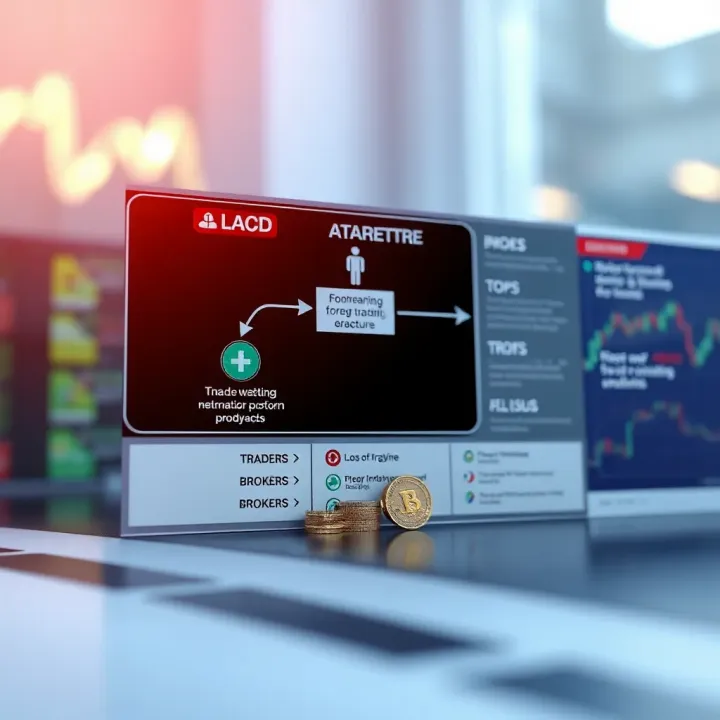
Trading platforms form the backbone of execution, enabling retail traders in Nigeria to access global forex markets. Platforms like MetaTrader 4 and MetaTrader 5 remain widespread due to their reliability and features. Meanwhile, local fintech players such as OPay and Flutterwave provide integrated options for fund transfers and payment processing, useful for simple deposit and withdrawal.
Brokers act as intermediaries, connecting traders to liquidity providers—usually large banks or financial institutions. Most Nigerian brokers operate under the over-the-counter (OTC) model, meaning trades are settled directly between parties without going through a central exchange. This setup highlights the importance of choosing regulated brokers to minimise counterparty risk.
Orders in forex trading come in various types: market orders (executed immediately at current prices), limit orders (executed at a specified better price), and stop-loss orders (intended to cut losses automatically once a price threshold is hit). Using these orders strategically helps manage risk, a key priority given Nigeria’s volatile naira exchange rate.
Successful forex trading hinges on grasping the operational formats and understanding the roles of platforms and brokers. Without this foundation, traders risk losing both money and time.
To sum up, Nigerian traders must focus on:
Choosing the right broker with transparent practices and regulatory oversight
Familiarising themselves with different order types and their uses
Picking a trading platform that supports local payment options and provides reliable market data
With these basics, the path to structured, informed forex trading becomes clearer, especially in a challenging but opportunity-rich environment like Nigeria.
Forex trading is the process of buying one currency while simultaneously selling another. This simultaneous exchange is done through currency pairs, and the value of one currency relative to another is what traders speculate on. Understanding the basics is vital because it lays the foundation for all trading activities and decisions.
Forex trading involves a decentralised global market where currencies are exchanged 24 hours a day, five days a week. Unlike stock markets that close, forex operates non-stop, connecting financial centres worldwide—from Lagos to London to New York. Traders aim to profit from fluctuations in exchange rates between currency pairs.
For example, a Nigerian trader might anticipate the US dollar (USD) strengthening against the Nigerian naira (₦) and therefore buy USD/NGN. If the dollar gains value as expected, they can sell at a higher rate, making a profit. This simple act, however, involves complex factors like geopolitical events, CBN policies, and economic indicators such as inflation rates or oil prices.
Forex trading demands a clear grasp of global economic factors and local market conditions, especially given naira's volatility.
Currencies are always traded in pairs, meaning one is bought while the other is sold. The first currency is called the base currency, whereas the second is the quote currency. The pair shows how much of the quote currency is needed to buy one unit of the base currency.
Common pairs include majors like EUR/USD, USD/JPY, and GBP/USD, but Nigerian traders often focus on USD/NGN because of direct economic ties and its high demand for importers, exporters, and remittances.
Understanding currency pairs is crucial for these reasons:
Price Movement: Each pair behaves differently depending on political or economic shifts. For example, the naira struggles with fluctuations when oil revenues drop.
Liquidity: Major pairs tend to have higher liquidity, making it easier to enter or exit trades without significant price changes.
Volatility: Currency pairs involving emerging market currencies like NGN often show more volatility, meaning greater risk but also more potential reward.
By mastering the behaviour of currency pairs, traders can better predict market reactions and position their trades accordingly.
In essence, knowing the basics of how forex trading works and why currency pairs matter gives Nigerian traders the edge to make informed decisions, helping them navigate the complex forex market with confidence and clarity.
Forex trading operates through different formats, each offering distinct advantages and risks. Understanding these common formats helps traders choose the method that aligns best with their goals, risk tolerance, and capital availability. In Nigeria, where forex trading is gaining traction, knowing these formats is vital for effective participation.
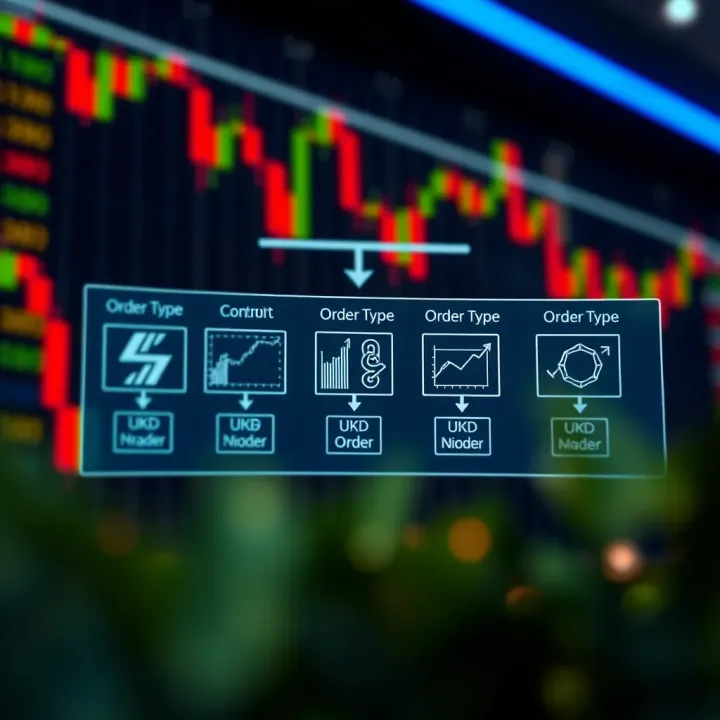
Spot forex trading involves the immediate exchange of currency pairs at current market prices, typically settled within two business days. This format is popular among retail traders due to its simplicity and straightforward nature. For instance, a trader buying USD/NGN on a spot basis benefits from real-time price movements without dealing with expiry dates or contracts. However, since it reflects instant market rates, spot trading requires timely decisions and good market understanding.
Futures and options are derivative contracts that give traders the right or obligation to buy or sell currency pairs at a predetermined price on a specific future date. Futures contracts are standardised and traded on organised exchanges, offering a regulated environment. Options allow more flexibility, where traders can choose whether to exercise the contract. These formats serve well for hedging exposure or speculative efforts with controlled risk. For example, an exporter in Lagos might use a futures contract to lock in favourable USD/NGN rates, protecting against adverse currency swings.
CFDs provide an opportunity to speculate on currency price movements without owning the underlying asset. When you trade CFDs, you enter a contract with a broker, profiting from price differences between opening and closing positions. This format allows leverage, thereby intensifying gains or losses. Many Nigerian traders prefer CFDs because of lower capital requirements and access to diverse instruments beyond forex pairs, such as commodities and indices. However, CFDs carry significant risk due to leverage and require disciplined risk management.
Spot trading suits those who want fast-paced trading reflecting real-time exchange rates, while futures, options, and CFDs introduce elements of contract obligations and leverage.
In summary, selecting the right forex trading format depends on your trading style, risk appetite, and capital. Spot forex is direct and liquid; futures and options add structure and hedging potential; CFDs offer versatility and leverage but with higher risk. Nigerian traders should weigh these factors carefully alongside regulatory and market considerations.
Understanding how forex trades are executed is vital for traders aiming to navigate currency markets effectively. Trade execution determines the speed, price, and success of your transactions, which can directly impact your profits or losses. Especially for Nigerian traders, where internet reliability and platform choices vary, knowing how trades happen helps manage expectations and fine-tune strategies.
Forex brokers act as the bridge between you and the global forex market. They provide access through trading platforms, which are software applications enabling you to place orders, monitor price movements, and manage your trades. In Nigeria, popular platforms like MetaTrader 4, MetaTrader 5, and local offerings from brokers such as FXTM Nigeria or Alpari are widely used. These platforms offer real-time quotes, charts, and analytical tools.
Brokers can be market makers or Electronic Communication Networks (ECN). Market makers set their own prices and profit from spreads, while ECN brokers connect buyers and sellers directly, offering tighter spreads but charging commissions. Your choice affects trade execution speed and cost. For instance, an ECN broker might execute a trade faster with less slippage but for a commission fee.
Besides speed, brokers ensure regulatory compliance and security. Nigerian traders should confirm brokers are registered with bodies like the Securities and Exchange Commission (SEC) Nigeria to avoid scams.
A market order executes a trade instantly at the current market price. It is the quickest way to enter or exit a trade because it bypasses price limits. For example, if the USD/NGN pair is trading at 410, a market order to buy will be executed near this price immediately.
Market orders are useful when timing is key — when you want to act fast on breaking news or a sudden price movement. The downside is you may get a slightly different price if the market moves just before execution, especially during volatile periods or low liquidity.
Limit orders allow you to set a specific price at which you want to buy or sell a currency. A buy limit order is placed below the current market price, and the trade executes only if the price falls to that level. Conversely, a sell limit order is set above the current price.
This type helps Nigerians trading on budget or seeking better entry points without constantly watching the market. For example, if EUR/USD is at 1.10 but you believe it will drop to 1.08 before rising, you place a buy limit at 1.08 to catch a more favourable rate. However, there is a risk the price never reaches it and your order remains unfilled.
These orders manage risk and lock in profits. A stop-loss order automatically closes your trade if the price moves against you by a certain amount, limiting potential losses. Meanwhile, a take-profit order locks in gains by closing the trade when a target price is reached.
For example, if you buy GBP/USD at 1.30 and want to risk no more than ₦50,000, you set a stop-loss at 1.28. Likewise, if your profit target is 1.35, you set your take-profit there. These orders help Nigerians control emotions and avoid letting trades run indefinitely, especially during ember months with increased volatility.
Having clear knowledge of trade execution and order types arms you with control over your forex journey and helps manage risk effectively in Nigeria's unique trading environment.
By combining the right broker, platform, and order types suited to your strategy, you can improve your chances of a successful forex trading experience.
Nigerian forex traders face unique challenges and opportunities compared to global markets. Understanding practical aspects like selecting the right trading format, managing risks, and navigating regulations can make a real difference. These considerations help you trade smarter, avoid costly mistakes, and comply with local laws.
Choosing a forex trading format depends on your trading goals, capital, and risk appetite. Spot forex trading is popular among Nigerian retail traders because of its simplicity and immediate settlement. For example, if you want fast execution and lower capital requirements, spot trading suits you better. Meanwhile, futures and options contracts offer more complex strategies but demand larger capital and deeper market knowledge, which might be overwhelming without proper preparation.
Additionally, Contracts for Difference (CFDs) allow leverage and trading on price movements without owning the currency, but they can increase risk considerably. A trader using ₦100,000 in CFDs can face swift liquidation during volatile naira exchange rate swings. Therefore, understanding the pros and cons of each format based on your comfort and capital size is critical.
Effective risk management separates successful traders from those who burn through capital quickly. Start by determining your risk tolerance. Nigerian market volatility, largely driven by currency fluctuations, fuel prices, and economic factors, means stop-loss orders are essential tools. Avoid risking more than 1-2% of your trading capital on any single trade to preserve your funds during rough patches.
For instance, if you trade with ₦500,000, your maximum loss per trade should be around ₦5,000 to ₦10,000. Also, consider using trading accounts with appropriate leverage levels. High leverage may amplify profits but can also wipe out your capital faster, especially when unexpected events impact the NGN/USD pair.
Setting aside a portion of your funds as a buffer against unexpected market moves is another wise move. This realistic approach helps traders in Lagos or Abuja manage everyday expenses while staying active in the forex market.
Nigeria’s forex regulation involves bodies like the Central Bank of Nigeria (CBN) and the Securities and Exchange Commission (SEC). Working with licensed brokers who comply with CBN guidelines safeguards your funds and ensures fair trading conditions.
For example, the CBN mandates increased transparency in foreign exchange dealings to combat naira volatility and curb speculative practices. Choosing brokers registered with Nigerian regulators or recognised international authorities adds a layer of protection. Beware of unregistered platforms promising unrealistic returns; these often lead to scams that many Nigerian traders have fallen victim to in recent years.
Also, Nigerian forex traders should maintain proper records for tax purposes, adhering to Federal Inland Revenue Service (FIRS) guidelines on capital gains and income from forex trading. Staying compliant helps avoid legal troubles and builds a sustainable trading practice.
Trading forex in Nigeria demands more than knowing charts and orders. Practical choices about format, managing capital smartly, and respecting regulations can shield you from common pitfalls and set the stage for lasting success.
By factoring in these key considerations, Nigerian traders can navigate the forex market with greater confidence and improved outcomes.
Understanding the different formats of forex trading helps traders choose the approach that matches their goals and risk appetite. Each format—from spot trading to contracts for difference (CFDs)—offers distinct features regarding timing, cost, and complexity. This summary highlights key points to remember as you navigate forex trading.
Selecting the right trading format depends largely on your objectives and resources. For instance, if you prefer quick transactions and lower capital requirements, spot forex trading suits well. It allows you to buy or sell currency pairs on the spot, with immediate settlement, making it ideal for short-term strategies.
On the other hand, futures and options provide more long-term exposure with predefined expiry dates, appealing if you want to hedge or speculate on currency movements without owning the physical currency. CFDs offer flexibility in leverage and position size but come with higher risk, so they fit experienced traders comfortable monitoring their trades closely.
For example, a Nigerian trader aiming to capitalise on daily market fluctuations with moderate capital could lean towards spot trading through platforms like MTN's fintech services or OPay. Meanwhile, a more seasoned investor, looking to hedge naira devaluation risks across months, might consider currency options.
Forex trading does not happen in a vacuum; it is influenced by economic data, political events, and global developments. Traders must keep an eye on key indicators such as interest rate decisions by the Central Bank of Nigeria (CBN), inflation reports, and geopolitical shifts.
Staying updated enables timely adjustments in your trading format or strategy. For instance, during periods of high volatility or naira instability, some traders switch from leveraged CFDs to spot trading to reduce exposure.
Consistent market awareness allows you to adapt trading formats proactively, avoiding unnecessary losses and maximising opportunities.
Use reliable sources like financial news platforms, CBN announcements, and local market analysis to inform your decisions. Employing tools such as economic calendars and technical charts helps anticipate market turns.
In summary, aligning your trading format with your goals and remaining responsive to changing market conditions are essential for effective forex trading. These tactics help you navigate complexities and keep your trading venture viable and profitable in Nigeria’s evolving forex landscape.
📈 Explore smart Forex trading strategies tailored for Nigeria 🇳🇬. Learn essential tools, risk management, market analysis & avoid common trader mistakes.

🤖Explore how to pick the best forex trading robot for your style. Learn key features, risk tips, and top platforms trusted by Nigerian traders.💡

Explore top forex trading tips and strategies tailored for Nigerian traders 🇳🇬. Learn to choose platforms, manage risks, and understand market rules for better results 💹.

Explore practical forex trading strategies tailored for Nigerian traders 🇳🇬. Learn essential principles, proven techniques, and risk management tips to boost your trading skills 📈.
Based on 7 reviews