
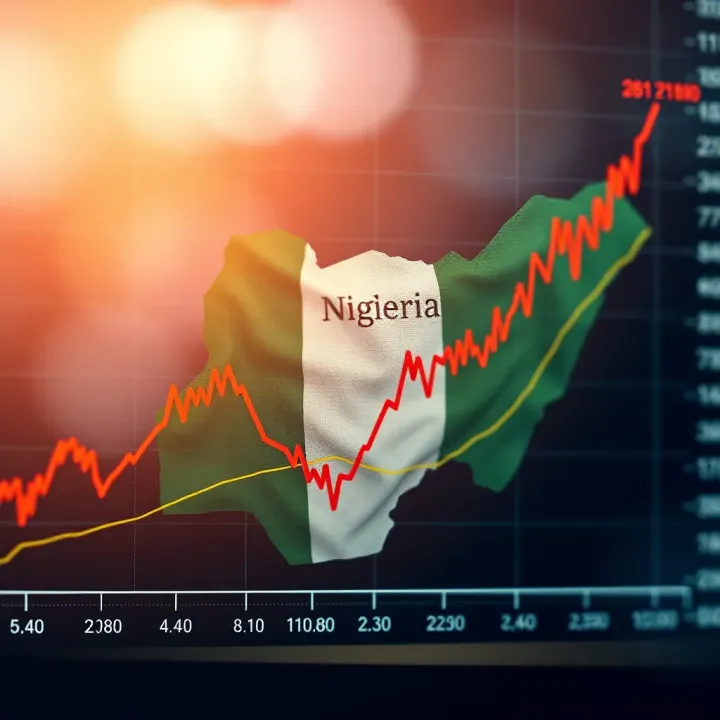
Benefits of Forex Trading for Nigerian Investors
Discover why forex trading is a smart move for Nigerian investors 🇳🇬. Benefit from flexible hours, easy market access, and real profit chances 📈💰.
Edited By
Charlotte Green
Forex trading, also called foreign exchange trading, is the buying and selling of different currencies to benefit from changes in exchange rates. In Nigeria, this market opens opportunities for investors to grow their wealth by trading currency pairs such as the US dollar (USD) against the Nigerian naira (₦). However, understanding how forex trading works is essential before putting your money into the market.
Unlike buying shares on the Nigerian Stock Exchange, forex trading occurs 24 hours a day across global financial centres. This continuous nature offers flexibility but also demands vigilance from traders. The market involves participants like banks, brokers, hedge funds, and individual investors. In Nigeria, access mostly comes through regulated brokers who provide trading platforms.
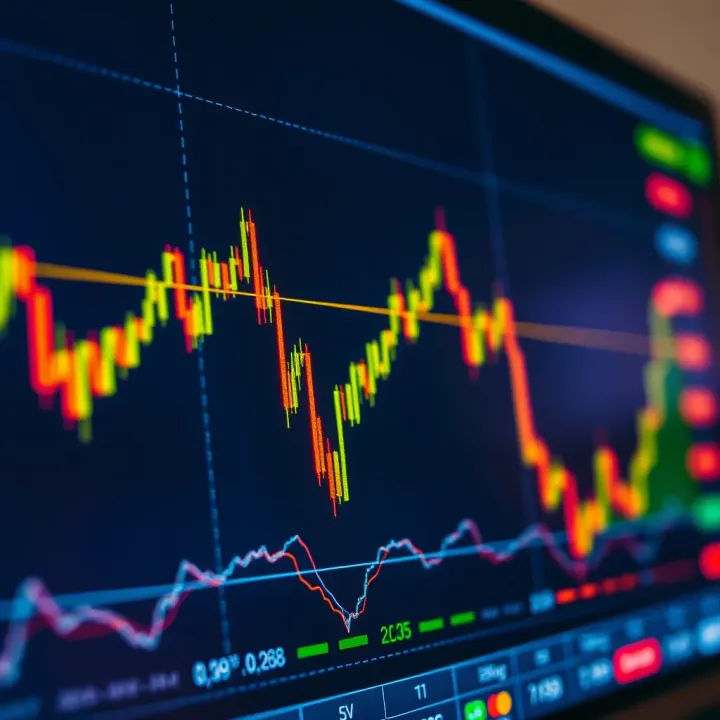
Success in forex trading depends not only on predicting currency movements but also managing risk carefully through strategies that protect your capital.
Traders profit by buying a currency when it is undervalued and selling when its price rises relative to another currency. For example, if you buy USD/₦ and the dollar strengthens against the naira, you can close your position for a profit. On the other hand, if the naira strengthens or dollar weakens, the trade results in a loss.
It's vital to understand terms such as:
Spread: the difference between buying and selling price
Leverage: borrowing capital to increase trade size, common in forex but risky
Pip: smallest price change in a currency pair
This guide will help Nigerian investors grasp these concepts, navigate market mechanics, and adopt practical steps to begin trading. We will also highlight how local factors like naira liquidity, government policies, and CBN regulations influence forex trading here.
Getting the basics right equips you to explore this vibrant market prudently and with greater confidence.
Grasping the forex market is fundamental for Nigerian investors who want to navigate currency trading successfully. This market operates 24 hours a day, allowing individuals to buy and sell currencies based on exchange rate fluctuations. Its importance lies in the vast liquidity and accessibility it offers, enabling even retail traders to participate with relatively low capital.
Forex trading involves exchanging one currency for another, aiming to profit from the changes in their relative values. For example, a trader might buy the US dollar (USD) expecting it to strengthen against the Nigerian naira (₦). If the dollar appreciates, they sell it back at a higher naira value, making a gain. Unlike investing in stocks, forex deals mostly with pairs of currencies, and prices move quickly, offering multiple opportunities daily.
Nigerian traders mostly focus on major currency pairs that include the naira or widely traded currencies globally. The USD/NGN pair is the most relevant, given Nigeria’s heavy reliance on the dollar for imports and oil revenue. Others include EUR/USD, GBP/USD, and USD/JPY, which are popular due to their high liquidity and tighter spreads. Traders should note currency pairs like USD/ZAR and USD/GHS can also attract attention due to their regional relevance in West Africa.
Participation in forex ranges from big financial institutions and multinational corporations to individual Nigerians. Banks and companies use forex to manage international payments and hedge risks. On the retail side, individuals use online platforms offered by brokers to speculate on currency movements. In Nigeria, brokers authorised by the Securities and Exchange Commission (SEC) provide the gateway for these retail investors. Understanding who is trading and why helps Nigerians better grasp market trends and the factors affecting currency prices.
Understanding these fundamentals equips Nigerian investors to make informed trading decisions, leveraging real examples and local market nuances. Without grasping these basics, engaging in forex trading would feel like groping in the dark.
By focusing on clear definitions, the most relevant currency pairs, and the various market players, Nigerian traders gain a solid foundation for more advanced strategies ahead. This section reads like a practical introduction tailored for Nigeria’s specific forex environment, setting the stage for deeper insights.
Forex trading transactions hinge on a few key steps and players that Nigerian investors need to understand clearly. It's not just about buying and selling currencies; the process involves brokers, trading platforms, leverage, and timing trades to lock in profits or cut losses. Mastering how transactions occur can help you navigate the forex market with greater confidence.
Forex brokers act as intermediaries, connecting you to the global currency market. In Nigeria, brokers often provide online platforms where you can execute trades directly. These platforms—ranging from MetaTrader 4 and 5 to local apps like Chestertons or international platforms offered by brokers such as FXTM—display live pricing and allow instant order placement. Choosing a broker with a valid licence from the Securities and Exchange Commission (SEC) Nigeria ensures your funds are protected and trading conditions are transparent.
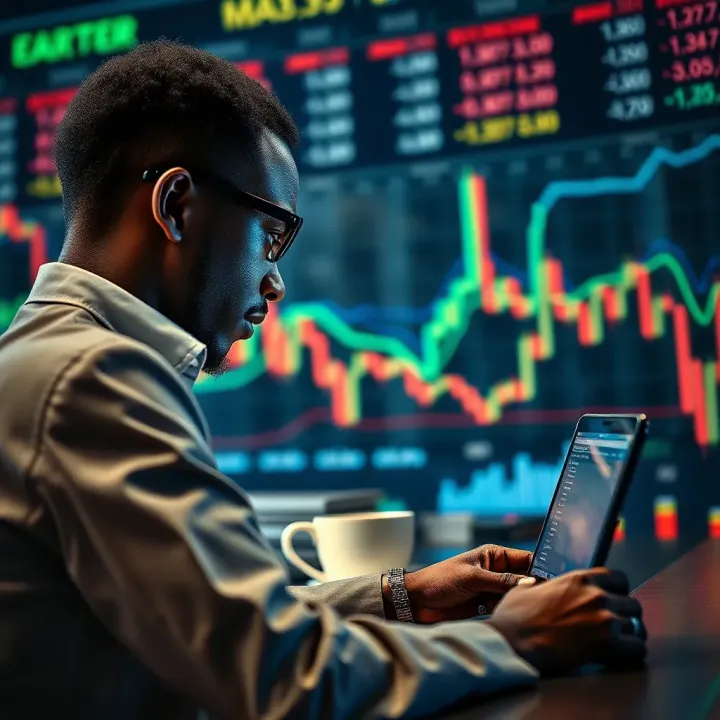
Platforms also offer features like charting tools, news feeds, and technical indicators, making analysis easier. For example, if you want to trade the USD/NGN pair, you'll need a platform that supports it, with real-time quotes. Without a reliable platform, timely trade execution becomes difficult, which is critical when prices move fast.
Leverage allows you to control a larger position than your actual deposit, effectively magnifying potential profits. If a broker offers 50:1 leverage, ₦10,000 can control ₦500,000 worth of currency. While attractive, leverage increases risk. A small adverse price move can wipe out your capital quickly.
Take a Nigerian trader buying EUR/USD with ₦20,000 using 30:1 leverage. If the euro strengthens by 1%, the trader’s position gains ₦600, but if it drops 1%, the loss equals ₦600. With sharp naira volatility and global economic shifts, unwise leverage use can lead to swift losses, so managing it carefully is critical.
Every forex transaction involves opening a trade (either buying or selling a currency pair) and closing it later to secure profits or accept losses. The price difference between these points determines your result.
For instance, if you anticipate the dollar will strengthen against the euro, you open a buy order on USD/EUR. When the rate rises as expected, you close the trade, locking in your gains. If it falls instead, closing stops further losses.
In Nigeria, traders must monitor spreads (the difference between buy and sell price) carefully, as wide spreads can erode profits. Also, timing is vital. Reacting too slowly during rapid price changes may increase losses or lose profit opportunities.
Understanding transaction mechanics—from brokers, platforms, leverage, to trade timing—is essential for Nigerian forex traders to build a sustainable edge in the market.
By grasping these elements, Nigerian investors can approach forex trading with practical knowledge tailored to local market realities and international currency flows.
Understanding what drives currency prices is key for any Nigerian investor in the forex market. These prices rarely move randomly; they're shaped by identifiable forces that traders pay close attention to when making decisions. Grasping these factors helps you anticipate currency movements and manage trades more effectively.
Economic indicators like inflation, unemployment rates, and GDP growth give clues about a country’s economic health. For example, Nigeria’s inflation rate affects the naira’s value; high inflation generally weakens the naira against other currencies. Central banks, notably the Central Bank of Nigeria (CBN), play a vital role through monetary policies. When the CBN changes interest rates, it influences forex rates directly. If they increase rates to control inflation, foreign investors may rush in for better returns, strengthening the naira. Conversely, rate cuts can lead to naira depreciation as yields become less attractive.
Political events have a way of shaking markets, sometimes more than economic data. For instance, times around general elections in Nigeria can cause volatility as investors weigh the prospects of new policies or instability. If a government is perceived as stable and business-friendly, foreign investment tends to rise, supporting the local currency. Market sentiment, the overall mood among traders and investors, can also push prices up or down. Rumours of unrest, policy changes, or corruption scandals can harm confidence in the naira or other currencies, causing sharp swings.
Currency markets don't operate in isolation; they're entwined with global happenings. Events such as shifts in crude oil prices impact the naira significantly since Nigeria's economy depends heavily on oil exports. When oil prices fall, the naira usually weakens because foreign exchange earnings dip. Similarly, crises in major economies like the US or China, or changes in US dollar policies, ripple through forex rates worldwide, including Nigeria’s market. Traders need to watch international news and how global central banks act since these can cause sudden moves.
Successful forex trading involves keeping a close eye on these key factors — economic reports, political developments, and global events — to make informed decisions rather than guessing. In Nigeria’s case, knowing how the CBN acts, following political climate closely, and staying updated on global market trends is essential for profitable trading.
By tracking these elements systematically, you stand a better chance of making smarter trades that align with real-world shifts in currency valuations.
Forex trading offers appealing profit opportunities, but it comes wrapped with significant risks, especially for Nigerian investors navigating both local and global market factors. Understanding these risks and managing them carefully can mean the difference between steady gains and heavy losses.
Nigerian traders encounter several unique challenges in forex trading. One big risk is exchange rate volatility caused by unstable macroeconomic conditions here. For example, sudden changes in CBN policies on foreign exchange or diesel subsidy removals can cause abrupt swings in the naira-dollar pair. Poor internet connectivity and power outages also create execution risks during critical trading moments, leading to missed opportunities or forced positions at unfavourable prices.
Another common pitfall is falling for unregulated offshore brokers who promise unrealistic returns. These entities rarely submit to Nigerian financial laws, exposing traders to scams and withdrawal difficulties. Moreover, leverage misuse is a frequent challenge among Nigerian beginners, where a small margin error can wipe out a trading account quickly due to overexposure.
Implementing risk controls like stop-loss orders helps reduce losses by automatically closing a trade when a currency moves against you beyond a set point. For instance, if you buy USD/NGN at ₦520 and place a stop-loss at ₦515, your position closes before losses deepen. This control is vital given how fast Nigerian forex markets can swing during political unrest or crude oil price shocks.
Besides stop-losses, setting daily loss limits and avoiding emotional doubling down on losing trades form practical risk strategies. Risk management tools available on platforms like MetaTrader or cTrader allow traders to define maximum risk per trade, helping keep capital intact.
One often overlooked factor is trading psychology. The thrill of quick gains or fear of losses can cloud judgment, causing poor decisions. Nigerian traders must develop discipline and emotional resilience. For example, sticking to a well-tested trading plan, rather than chasing losses after a bad day, improves consistency.
Mindsets prone to impulsive decisions or overconfidence often lead to reckless trading, particularly when naira depreciation or ember months market activity tempt hasty moves. Trading education, journaling trade decisions, and taking breaks during volatile periods can help maintain focus and rationality.
Effective risk management combines solid technical controls with emotional discipline. Nigerian forex investors who understand this balance stand much better chances to grow their funds steadily without falling prey to common hazards.
In short, recognising local market quirks, using tools like stop-loss orders, and managing your mindset are key to navigating forex trading risks successfully in Nigeria.
Starting forex trading in Nigeria involves careful planning and understanding of practical steps tailored to the local market. Nigerian investors must navigate regulatory requirements, currency fluctuations, and capital controls, so having a step-by-step approach boosts your chances of success and helps avoid common pitfalls.
Selecting a licensed forex broker is crucial for security and compliance. In Nigeria, the Securities and Exchange Commission (SEC) regulates brokerage firms, so work only with brokers registered with SEC to avoid scams and fraud. Licensed brokers provide safeguards for your funds and adhere to transparent trading practices. For instance, brokers like FXTM and Alpari are widely used because they offer local customer support and provide access to popular trading platforms like MetaTrader 4.
Look for brokers that allow deposits and withdrawals in naira to minimise currency conversion costs. Also, check reviews for prompt payment of withdrawals and good trading conditions, such as reasonable spreads and fast execution.
After choosing a broker, the next practical step is opening a trading account. Generally, brokers offer demo accounts where you can practise without risking real money — this is a good space to familiarise yourself before committing capital. When you upgrade to a live account, you’ll be asked for identification documents like your National Identification Number (NIN) and a utility bill to comply with Know Your Customer (KYC) rules.
Making deposits is usually straightforward via bank transfer or card payment. Some platforms also accept payments through Nigerian fintech services like Paystack or OPay, which speed up the process. Start with a manageable amount, maybe ₦50,000 or ₦100,000, to test the waters and limit initial risks.
For those just starting, simplicity helps avoid overwhelming losses. Beginners should start with basic strategies such as:
Trend Following: Buy when a currency pair shows a sustained upward trend and sell during a downtrend. This works well as it follows the market’s momentum.
Range Trading: Identify price levels where a currency tends to bounce between support and resistance. Buy near support and sell near resistance.
News Trading: Reacting to economic news releases like CBN policy changes or US Federal Reserve announcements can offer profit opportunities but requires staying updated regularly.
Implementing stop-loss orders is essential to manage risks, especially with leverage, so you don’t lose more than you can afford. Also, avoid chasing quick profits; consistent small wins build trading confidence and skills.
Practical steps grounded in local regulations and clear strategies prevent reckless risk-taking and pave a smooth pathway into forex trading for Nigerian investors.
By following these steps—choosing a licensed broker, setting up your account carefully, and applying simple but effective trading strategies—you’re positioned well to engage confidently in forex trading within Nigeria’s unique financial environment.
Discover why forex trading is a smart move for Nigerian investors 🇳🇬. Benefit from flexible hours, easy market access, and real profit chances 📈💰.
📈 Explore smart Forex trading strategies tailored for Nigeria 🇳🇬. Learn essential tools, risk management, market analysis & avoid common trader mistakes.
🤖Explore how to pick the best forex trading robot for your style. Learn key features, risk tips, and top platforms trusted by Nigerian traders.💡
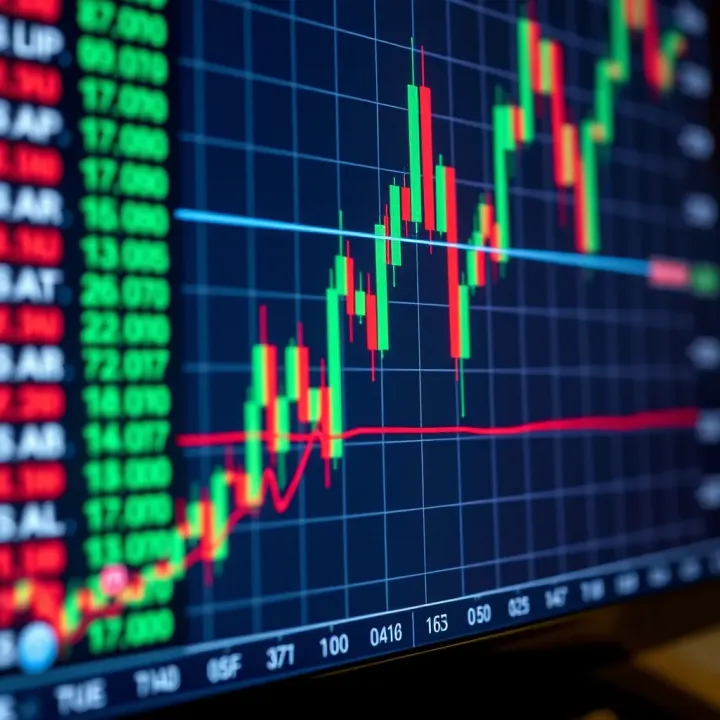
📈 Explore key forex indicators popular among Nigerian traders, learn their pros and cons, and get tips to use them effectively for better trading decisions.
Based on 9 reviews