
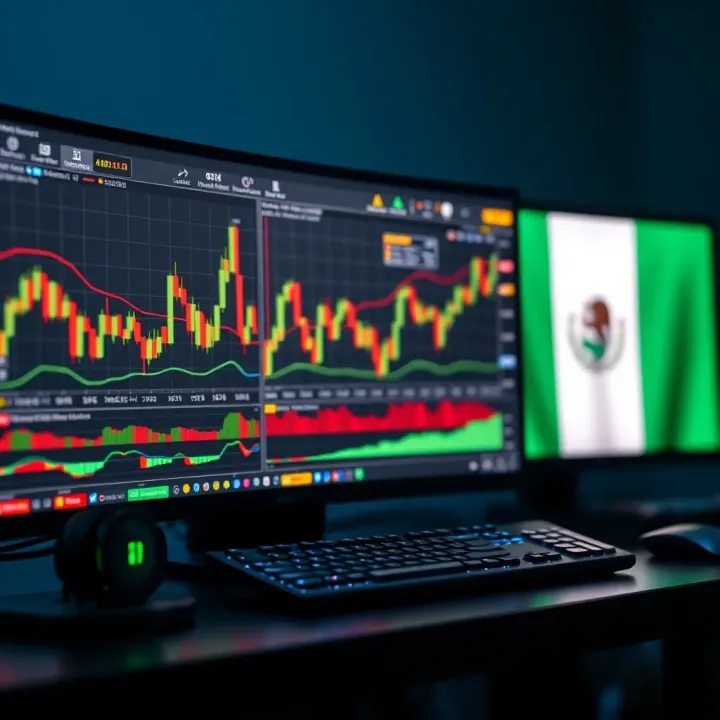
How to Start Forex Trading in Nigeria: A Simple Guide
📈 Ready to start forex trading in Nigeria? Learn how to pick brokers, open accounts, understand key terms, apply winning strategies, and manage risks with confidence.
Edited By
Charlotte Moore
Forex trading in Nigeria has become increasingly popular, thanks to easier internet access and growing financial awareness. But before you jump in, it’s vital to understand the basics and have a clear roadmap. Starting forex trading without proper knowledge is like boarding an okada without knowing the destination—you might end up lost or worse.
The forex market involves buying and selling currencies to profit from their changing values. Unlike the Nigerian Stock Exchange (NGX), forex operates 24 hours a day, five days a week, giving traders flexibility in timing. However, this global market requires that you are disciplined and aware of the risks involved.
To begin, select a reliable broker registered with the Securities and Exchange Commission (SEC) Nigeria or a well-known international broker that accepts Nigerian traders. This step is critical to protect your funds from fraudsters who often target beginners in Nigeria. Pay attention to brokers that offer the naira (₦) as a funding currency and provide straightforward deposit methods such as bank transfers or USSD.
Once you have your broker, open a trading account. Most brokers offer demo accounts—try these first for practice before risking real money. Use the demo period to familiarise yourself with the trading platform, chart analysis tools, and order types.
Before you start, ensure you understand basic tools like candlestick charts, support and resistance levels, and indicators such as the Relative Strength Index (RSI) or Moving Averages. These help you identify potential entry and exit points in the market.
Starting with a clear plan and risk management strategy can help preserve your capital. Never risk more than 1-2% of your trading capital on a single trade.
Avoid common pitfalls like chasing losses, overtrading, or ignoring economic news that influences currency movements. Economic events such as CBN policy changes or global oil price shifts directly affect the naira, so staying informed is key.
This guide will walk you through the step-by-step process, helping you build a solid foundation for forex trading in Nigeria. By applying these principles, you can trade confidently instead of blindly following trends or tips.
Understanding forex trading is the first step for anyone looking to enter this market confidently. Forex, short for foreign exchange, involves buying and selling currencies from different countries. This market stands out because it’s the largest financial market worldwide, with trillions of dollars traded daily. For Nigerians, grasping how forex works is essential before risking capital, especially given the volatile nature of the naira and local economic factors.
Forex trading simply means exchanging one currency for another, directly reflecting their value against each other. For example, when you exchange ₦450 for one US dollar, you are participating in forex. This market operates globally, connecting banks, corporations, governments, and individual traders. Unlike stock markets with fixed hours, forex works across time zones, opening Sunday evening and closing Friday night Nigerian time.
The rates fluctuate constantly due to economic events, political developments, interest rates, and global trade flows. That makes currency trading dynamic but challenging. For instance, a sudden hike in US interest rates can strengthen the dollar against the naira, affecting how much naira you’d need to buy a dollar.
Traders aim to profit by speculating on whether a currency pair will go up or down. Suppose you expect the euro to strengthen against the dollar; you might buy EUR/USD at one rate and sell it later at a higher rate to earn the difference. Alternatively, if you predict a drop in that pair, you could sell first and buy back cheaper.
The key lies in timing these movements correctly, often using technical analysis or following economic indicators. For Nigerian traders, trading well-timed forex contracts can supplement earnings or serve as a primary income source, though it carries risks especially if leverage is involved.
Forex appeals because it requires relatively low capital compared to other investments like real estate or shares. Traders can start with just a few thousand naira, thanks to brokers offering leverage. This accessibility makes it attractive for young Nigerians and those outside major cities.
Another advantage is flexibility; you don’t need a physical office or large team. Many traders work from home with a good internet connection and a laptop or smartphone, fitting forex into their daily routine.
The forex market runs 24 hours on weekdays, which fits well with Nigeria's busy economic life. For example, someone can trade forex in the early morning before heading to their day job or late at night after the power supply stabilises. Unlike other investments, forex trading’s round-the-clock nature offers opportunities regardless of local working hours.
This continuous access helps traders respond faster to global news—important in times of economic uncertainty when currency values swing sharply.
With the naira often under pressure due to inflation, fuel subsidy removal, or foreign exchange scarcity, forex trading offers a way to earn in foreign currency or hedge against naira weakness. Many Nigerians use earnings from forex to cover school fees, support families, or invest in businesses.
However, forex is not a guaranteed way to get rich quickly. Practical knowledge and responsible money management are essential to avoid losses that could worsen one's financial situation.
Understanding the basics and local factors affecting forex can help Nigerians approach the market with realistic expectations and increase chances for success.
In summary, forex trading appeals to Nigerians due to its accessibility, flexibility, and potential to generate income in a challenging economic environment. Grasping the core principles is crucial before engaging with this fast-paced market.
Selecting the right forex broker sits at the heart of success in trading. For Nigerian traders, a reliable broker is not just a service provider but a partner who safeguards funds, offers a trustworthy platform, and aligns with local market realities. Since forex trading can be risky, the choice of broker greatly influences your ability to trade smoothly and avoid scams.
Regulatory oversight is non-negotiable when picking a forex broker. In Nigeria, the Securities and Exchange Commission (SEC) regulates financial markets but forex brokers mostly fall under international regulators like the UK's FCA, CySEC, or Australia's ASIC. A broker properly licensed by a recognised authority signals accountability and fair treatment for clients. This reduces the risk of fraud or sudden closure.
For example, a broker with FCA regulation follows strict capital requirements and client fund segregation rules, protecting your money even if the broker faces trouble. Thus, always check your broker’s licence status on official regulator websites before committing funds.
The trading platform is your day-to-day interface, so its reliability and features matter. MetaTrader 4 (MT4) and MetaTrader 5 (MT5) have become industry standards globally because of their user-friendly design, charting tools, and customisable features.
A broker offering MT4 or MT5 shows commitment to providing a stable environment where trades execute smoothly and data remains accurate. Some brokers develop proprietary apps, but these may lack the robustness or analytical tools traders expect. For beginners, starting with MT4 or MT5 can minimise technical frustrations, improve decision-making, and ultimately lead to better trading performance.
Transaction costs directly affect your profitability. This includes spreads—the difference between buy and sell prices—and commissions. Brokers with narrow spreads make trading cheaper, especially for high-volume traders or those using short-term strategies like scalping.
For example, a broker offering a spread of 1 pip on the EUR/USD pair costs less per trade than one with a 3-pip spread. Besides spreads, also consider hidden fees such as withdrawal charges or inactivity fees, which can pile up quietly. Practical traders balance low costs with broker reliability rather than chasing the absolute cheapest option.
Nigerian traders have access to a blend of local and international brokers. Local brokers like MTS Markets or Trove Finance provide naira-denominated accounts, making funding and withdrawals easier. International brokers such as FXTM, HotForex, or Alpari offer wide instrument ranges and exposure to global liquidity.
Choosing between the two types depends on your trading goals and comfort with cross-border payments. Local brokers simplify transfers with Nigerian banks and mobile money, while international brokers typically provide deeper forex liquidity and advanced tools.
Flexibility in deposits and withdrawals can make or break your trading experience. Reliable brokers accept naira via Nigerian bank transfers, USSD, and popular e-wallets like OPay or PalmPay. Having multiple payment options reduces delays and currency conversion hassles.
For instance, funding your account using a bank transfer or a seamless USSD payment through your bank (such as GTBank’s USSD service) avoids extra currency conversion fees. Also, brokers that support quick payout via local channels ensure you access your profits without long waits or high charges.
In summary, choosing a forex broker with proper regulation, a trusted platform, fair transaction costs, and convenient payment methods tailored to Nigerians is the foundation for safe and efficient trading. Taking time to find the right broker will save you from unnecessary risks and position you for steady growth in the forex market.
Setting up a forex trading account is the gateway for any Nigerian eager to trade currencies confidently and responsibly. This step involves more than just signing up online; it sets the foundation for secure trading and smooth transactions. Understanding the documentation and verification process, alongside practical ways to fund your account in naira, can save you time and avoid unnecessary hassle.
When opening a forex trading account in Nigeria, brokers typically require key identification documents to comply with regulatory standards. Among the essentials are your Bank Verification Number (BVN) and National Identification Number (NIN). The BVN links your banking activities, helping the broker verify your identity and prevent fraud. Meanwhile, the NIN serves as your unique government-issued ID, proving your citizenship and legal status. Having these documents ready accelerates your application and builds trust with the broker.
The verification process itself usually involves uploading scanned copies or clear photos of these documents via the broker’s platform. You may also be asked to submit a recent utility bill or bank statement to confirm your residential address. Once submitted, brokers perform checks to ensure all details match and are authentic. This step is crucial; a verified account grants access to full trading features, including deposits, withdrawals, and customer support services. Incomplete or failed verification can lead to delayed funding and trading restrictions.
Funding your forex trading account from Nigeria should be straightforward. Most brokers accept bank transfers directly from Nigerian banks, which remains the most common and secure method. Additionally, some platforms support payments via USSD codes—popular among Nigerians for their convenience—enabling you to fund accounts without internet access directly from your mobile phone. This flexibility is handy during periods of unstable internet or for those in remote areas.
Keep in mind, the naira-dollar conversion impacts how much you effectively invest in forex. Since most forex trades involve currency pairs with the US dollar, your naira must be exchanged for dollars at prevailing rates. Brokers may apply conversion fees or require using official or parallel market exchange rates, which can affect costs. For example, funding ₦100,000 might differ by a few thousand naira depending on the conversion method and timing. It's wise to check your broker’s policies on currency conversion to avoid unexpected charges and ensure you maximise your trading capital.
Securing the right documents and understanding funding channels lays the groundwork for a smooth start in forex trading, helping you avoid common pitfalls related to verification delays and fund transfer issues.
By handling account setup carefully, beginners can trade with confidence knowing their accounts are legitimate and properly funded in naira, ready to tap into the opportunities the forex market offers.
Starting forex trading without the right tools and strategies is like trying to navigate Lagos traffic without a reliable map. These essentials help beginners understand the market better and avoid costly mistakes. Knowing how to use trading platforms effectively and interpreting market data are key steps to making informed decisions.
MetaTrader 4 (MT4) and MetaTrader 5 (MT5) are the most popular platforms among Nigerian traders. MT4 offers a straightforward interface with charting tools, custom indicators, and automated trading (Expert Advisors). MT5 builds on that, adding more asset classes and advanced analytics, which can be handy once you’re more experienced. These platforms enable traders to view real-time price movements and execute trades instantly.
Executing trades on these platforms is fairly simple but requires attention to detail. When placing an order, you choose the currency pair, specify the trade size, and decide whether to buy or sell. Setting stop-loss orders is critical — it’s like setting a safety net that automatically closes a trade to limit losses if the market moves against you. For instance, if you buy EUR/USD at 1.1500, setting a stop-loss at 1.1450 limits your potential loss to 50 pips, helping to protect your capital.
Economic indicators play a big role in forex price movements. Reports on inflation rates, interest rate decisions from the Central Bank of Nigeria (CBN) and other major economies, as well as employment data, often cause volatility. For example, if US inflation rises unexpectedly, the USD might strengthen, affecting pairs like USD/NGN. Keeping an eye on such events helps traders anticipate market direction.
Reading charts is how traders track currency price trends and identify entry or exit points. Popular technical indicators include the Moving Average, Relative Strength Index (RSI), and Bollinger Bands. These tools help spot patterns such as overbought conditions or trend reversals. For example, if the RSI signals that a currency is oversold, it might be a good time to buy.
Mastering these tools and strategies will empower you to approach forex trading with more confidence and reduce impulsive decisions that often hurt beginners.
By combining platform skills with fundamental and technical analysis, Nigerian forex traders can increase their chance of success while managing risk in this fast-moving market.
Managing risk is not just an extra step in forex trading — it’s the backbone of your entire strategy. Forex markets are notoriously volatile, especially for beginners in Nigeria where market fluctuations can be more intense due to naira instability and geopolitical factors. Without proper risk controls, a small misstep could lead to significant losses. Knowing how to manage risk helps you protect your capital, trade with confidence, and stay in the game longer.
Avoiding common mistakes is equally essential because many new traders fall into traps that could have been dodged with a bit of caution and knowledge. From choosing unreliable brokers to emotional overtrading, these errors can wipe out gains quickly. This section focuses on practical ways to keep your trading on the right track through solid risk management and awareness of typical pitfalls.
Setting appropriate stop-loss and take-profit levels is a fundamental tactic every trader must master. A stop-loss order closes your trade automatically once it hits a specified loss level, limiting the damage if the market goes against you. Conversely, a take-profit order locks in gains when prices reach your target. For example, if you buy the USD/NGN pair at ₦460 and decide a 2% loss is your limit, your stop-loss would be set at around ₦450. This way, you protect your funds without constantly monitoring the market.
Establishing these thresholds also helps you trade objectively, cutting out guesswork and emotion. It encourages discipline by forcing you to accept losses and secure profits systematically. Many beginners start trading without clear stop or take-profit points, which often results in holding losing positions longer or exiting winning trades too soon.
Limiting leverage to reduce exposure is another key measure to control risk. Leverage lets you trade larger positions than your capital allows, amplifying both gains and losses. While brokers may offer high leverage like 1:500, using maximum leverage is reckless, especially for new traders. For instance, with leverage of 1:100, a ₦10,000 investment controls ₦1,000,000 worth of currency, which is a huge risk if the market moves against you.
Using lower leverage, such as 1:10 or 1:20, provides a safer cushion. It not only reduces the chance of blowing your account through small price swings, but it also gives you more room for thoughtful analysis. Think of it as driving a car: faster speeds increase risk of accidents; lower speeds offer more time to react. Many Nigerian brokers now allow traders to set their preferred leverage level — always opt for a balanced ratio rather than maximum exposure.
Falling for scams and unregulated platforms is a frequent hazard for Nigerian traders. The growing interest in forex has attracted unscrupulous operators promising quick riches or guaranteed profits. Such platforms usually lack proper regulation from bodies like the Securities and Exchange Commission (SEC) Nigeria or international regulators.
Traders who deposit funds with these brokers risk losing their money without recourse. Always verify if a broker is licensed and check user reviews for red flags like withdrawal delays or poor customer service. Remember, no legitimate forex platform will promise you guaranteed returns — if it sounds too good to be true, it probably is.
Overtrading and emotional decision-making undermine many beginner attempts. It is tempting to jump into multiple trades to chase profits or to recover losses, but this can drain your account quickly. Emotional trading, driven by fear or greed, clouds judgment and leads to reckless risks.
A common scenario is a new trader losing on a position and immediately doubling bets to break even, which often results in deeper losses. Developing patience, sticking to a clear trading plan, and reviewing performance calmly helps to avoid these traps. Keep a trading journal to track your decisions and emotions — this practice sharpens discipline and reduces impulsive moves.
Effective risk management paired with awareness of common mistakes sets a strong foundation for sustainable forex trading. It’s your best protection against the market’s unpredictability, especially in the Nigerian context.
By applying these principles, you not only protect your money but also build the resilience needed to succeed in the long run.
📈 Ready to start forex trading in Nigeria? Learn how to pick brokers, open accounts, understand key terms, apply winning strategies, and manage risks with confidence.
Wondering how much ₦ you need to start forex trading in Nigeria? Learn the minimum funds, risk management tips, and how to pick the right broker 📈💰
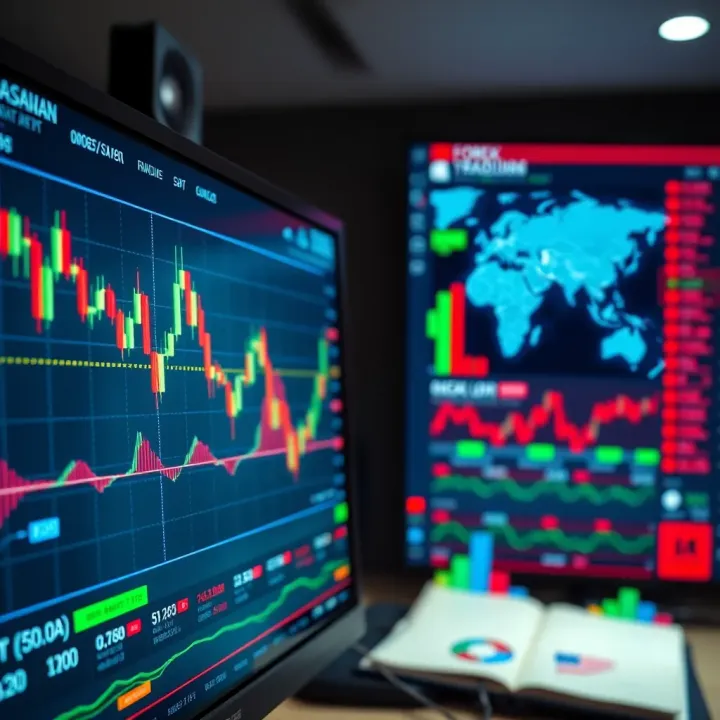
Start forex trading in Nigeria with just $1! Learn to pick low-deposit brokers, manage risks, and grow your ₦ account smartly 💹📈
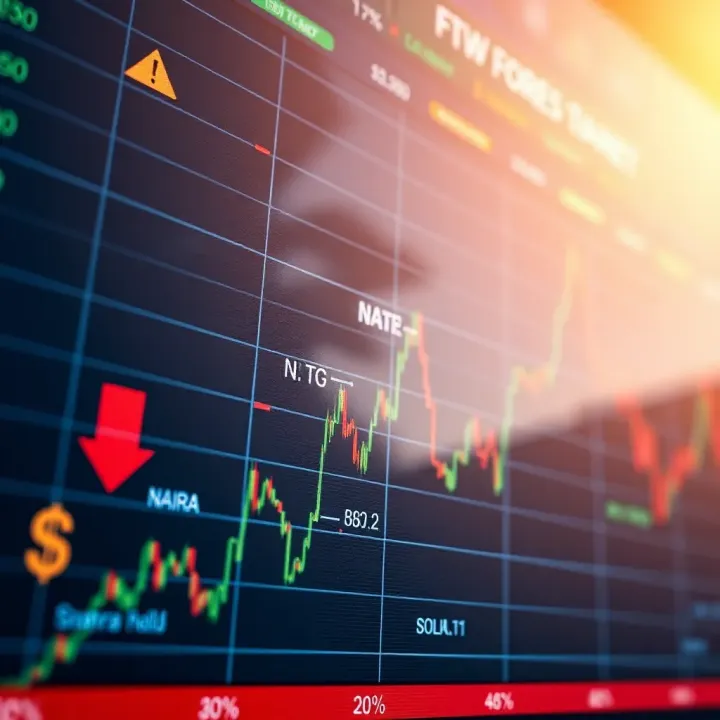
Learn how to earn from forex trading in Nigeria 🇳🇬 with practical steps: picking brokers, strategies, risk management, and top fintech tools to boost your ₦income 📈
Based on 10 reviews