

How to Trade Binary Options in Nigeria
📈 Learn how to trade binary options in Nigeria with step-by-step tips, risk management, strategies, and insights tailored for the local market. ₦ gains made easy!
Edited By
Isabella King
Binary options trading has attracted many Nigerians looking to increase their investment returns beyond traditional avenues. However, the market remains tricky, with fast-paced decisions and a risk of losses if key principles are not well understood. This section lays the groundwork by explaining what binary options are, how they work, and why Nigerians must approach this form of trading with careful planning.
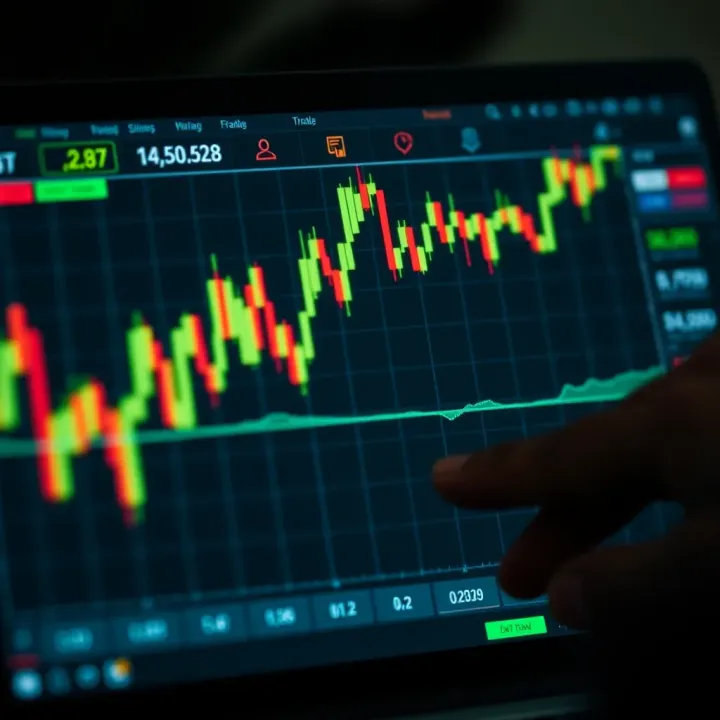
Binary options are financial instruments allowing you to predict whether an asset’s price will rise or fall within a set time. Unlike typical securities where profit corresponds directly with price movement, binary options offer a fixed payout if your prediction is correct, or you lose your stake if it’s wrong. For instance, you could bet ₦10,000 that the price of a certain stock will be above ₦200 at 3 pm. If you’re right, you get a pre-agreed return, say ₦18,000; if wrong, you lose your ₦10,000.
Many platforms claim to offer binary trading services, but not all are trustworthy or regulated by Nigerian authorities like the Securities and Exchange Commission (SEC). It’s vital to pick platforms with proper licensing to avoid scams. Poor internet reliability and naira volatility also complicate trading, meaning you need to choose execution strategies that withstand delay and price swings.
Trading binary options can be profitable but carries high risks; understanding the market and carefully selecting your platform are non-negotiable steps.
Binary options aren’t a shortcut to quick wealth. Nigerian traders often fall into the trap of high-stake bets hoping for huge gains. Instead, it’s better to start small, study market signals, and develop a disciplined trading plan. Some traders use technical analysis or follow news in sectors like oil and banking, which have significant impacts on Nigerian equities.
By mastering the basics and recognising unique local challenges—from power outages that affect trading setups to forex fluctuations affecting investment size—you’re positioned to trade binary options wisely and sustainably. The following sections will walk you through choosing reliable platforms, managing risk effectively, and using strategies attuned to Nigeria’s trading environment.
Getting a firm grasp of binary options trading is essential before putting your money on the line. In Nigeria, where financial markets can be tricky and fast-moving, understanding how binary options work helps you make informed choices and avoid common pitfalls. This knowledge reduces guesswork and improves your chances of turning a profit.
Binary options are a type of financial instrument where you bet on the price movement of an asset, like stocks or currency pairs, within a fixed timeframe. The name "binary" means there are only two possible outcomes: you either win a fixed payout if your prediction is right or lose your stake if you’re wrong. For example, you might predict that the price of the Nigerian Naira (₦) against the US dollar will rise within the next hour. If it does, you get the profit; if it doesn't, you lose the amount you invested.
This simplicity attracts many Nigerian traders, but it requires a decent understanding of markets to avoid treating it like gambling.
The process begins by choosing an asset and deciding whether its price will go up or down by the trade’s expiry time—this could be as short as 60 seconds or as long as several months. Once you place your trade, you wait for the expiry to see the outcome.
For example, if you predict that the price of MTN Nigeria shares will go up in the next 15 minutes and it rises by that time, the broker pays you a predetermined return, often between 70% to 90% of your investment. If the price moves against your prediction, you lose your stake.
Binary options are popular for their straightforward payoff structure but require careful timing and analysis to succeed.
Getting familiar with the jargon makes trading less intimidating. Here are some key terms:
Strike Price: The price level you predict the asset will move above or below.
Expiry Time: The moment your trade is evaluated.
Call Option: A bet that the asset price will rise.
Put Option: A bet that the asset price will fall.
Payout: The fixed profit you get if your prediction is correct.
Risk: Your initial stake amount, which you can lose if wrong.
Knowing these terms lets you navigate trading platforms and communicate more confidently with brokers or advisors.
Understanding these basics prepares you better to jump into binary options trading in Nigeria. You’ll avoid costly mistakes and can focus on developing effective trading strategies, which we’ll cover next.
Choosing the right binary trading platform is a key step that can make or break your trading experience. In Nigeria, where options abound, it’s crucial to pick a platform that prioritises safety, offers user-friendly features, and supports local payment methods. Your platform is the tool that connects you to the market, so it needs to work well, be reliable, and ideally, regulated.

Regulation is the first filter you should apply. A regulated platform operates under specific guidelines designed to protect traders from fraud and malpractice. For Nigerian traders, looking for platforms regulated by reputable bodies such as the UK’s Financial Conduct Authority (FCA) or the Cyprus Securities and Exchange Commission (CySEC) adds a layer of confidence. While Nigeria’s own regulatory environment for binary options is still evolving, international regulation serves as a benchmark.
Additionally, safety entails secure handling of your data and funds. Platforms must use strong encryption methods and comply with Know Your Customer (KYC) policies to prevent fraud. Always verify if the platform has a transparent procedure for account verification and withdrawal processes.
Not all platforms are built equal. You want one that offers a clear, intuitive interface, as confusing layouts can lead to costly mistakes. Look for features like real-time price charts, several asset classes (forex, stocks, commodities), and different expiry times that match your trading strategies.
Another practical feature is local currency support and payment methods. Since most Nigerians deal in naira, platforms that allow deposits and withdrawals in ₦ using options like bank transfer, USSD, or local wallets (OPay, PalmPay) will save you from unnecessary conversion fees and delays.
Customer support is often overlooked but vital. Responsive support that understands Nigerian trading realities can help resolve issues quickly, especially regarding withdrawals or technical glitches.
Nigerian traders tend to favour platforms such as Pocket Option, IQ Option, and ExpertOption. These have gained traction for their ease of use, diverse asset ranges, and relatively smooth local payment integration.
For example, Pocket Option offers deposits through local payment channels like Paystack and Flutterwave, making it easier to fund accounts with naira. IQ Option is known for its educational resources and demo accounts, which are excellent for beginners. ExpertOption presents a variety of expiry times and straightforward mobile app options, which suit traders on the move in cities like Lagos or Abuja.
Always test a platform first using a demo account before committing real funds. This helps you understand how the interface works and if the platform aligns with your trading style.
Selecting a trading platform is more than ticking boxes; it’s about choosing a reliable partner for your trading ambitions. Make sure to weigh regulation, features, and payments before diving in to avoid unnecessary challenges later on.
Building a solid strategy is essential for anyone serious about binary options trading in Nigeria. Without it, you risk making trades based on impulse or hearsay, which can quickly drain your capital. A good strategy blends technical know-how with the ability to read the market and time your trades right.
Technical analysis involves studying charts and indicators to predict price movements. For binary options, common tools like moving averages, support and resistance levels, and candlestick patterns help traders identify entry and exit points. For example, if the price of a stock approaches a strong support level, you might consider a ‘call’ option expecting the price to bounce back up. Conversely, a resistance zone could hint at a ‘put’ option. While it’s not foolproof, technical analysis gives you a more structured way to make decisions than guessing.
News events from local and global markets can sway asset prices dramatically. Economic reports such as Nigeria’s inflation rate or CBN policy changes often create short-term volatility. Staying updated on these can help you make timely trades before the market adjusts. Meanwhile, some traders use signal services that alert them to favourable conditions based on algorithmic patterns or expert insights. While useful, be wary of blindly following signals without understanding the rationale; signals should support your own analysis, not replace it.
Choosing the right expiry time is crucial in binary options. Short expiries (like 30 seconds to 5 minutes) might appeal for quick wins but carry more risk from sudden market noise. Longer expiries offer more time for your prediction to come true but can tie up your capital. Suppose you notice strong momentum in the Naira to Dollar exchange rate following a CBN announcement; a 15- to 30-minute expiry could capture that trend. Many successful Nigerian traders adjust expiry based on market conditions, not fixed rules.
Developing a clear, consistent trading plan tailored to your understanding of the market improves your chances of success. Approaching binary options with a mix of technical analysis, current news, and smart timing lets you trade with both confidence and caution.
By blending these elements, you avoid reckless trading and build a strategy that matches your risk appetite and goals. Remember, no strategy guarantees profit but using these tools wisely helps you trade smarter in Nigeria’s dynamic binary options market.
Trading binary options without solid risk management plans invites losses you could have avoided. Managing risk protects your capital, allowing you to trade over the long haul instead of burning out quickly. Meanwhile, understanding common pitfalls sharpens your awareness to steer clear of costly mistakes, especially in Nigeria's complex trading environment.
Treat your trading capital like seed money for a farm—it needs careful tending. Start by allocating only what you can lose comfortably, considering your financial responsibilities in everyday life. For example, if you set aside ₦50,000 for trading, don't risk it all on a single trade or even multiple trades at once.
A common method is to risk a fixed small percentage of your capital per trade, often 1–2%. This means if your capital is ₦50,000, you'd stake about ₦500 to ₦1,000 per trade. This limits damage when you hit a losing streak. Nigerian traders should also factor in currency fluctuations and withdrawal costs, which can chip away at gains.
Keep track of your trades in a simple spreadsheet or trading journal. Recording wins, losses, and reasons behind trades helps you spot patterns and avoid repeating mistakes.
Scams targeting Nigerian traders abound, from platforms promising guaranteed returns to fake brokers pushing investments with false hype. To steer clear, always confirm that a platform is regulated by a credible authority, such as Nigeria's Securities and Exchange Commission (SEC) or reputable international bodies.
Beware of unsolicited offers received via social media or messaging apps promising quick riches. If a platform pressures you to deposit large sums upfront or guarantees unrealistic profits, that's a major red flag.
Always verify withdrawal processes by starting with small cashouts before scaling investments. If withdrawing your funds becomes difficult or delayed without explanation, pull out immediately.
The desire to make quick money can cloud judgement, causing traders to overtrade or ignore their strategies. In binary options, the outcome is all or nothing, which can tempt you to chase losses or double stakes impulsively.
Set clear, achievable goals based on your capital, such as aiming for a steady 5–10% monthly return rather than trying to double your money overnight. This mindset keeps you grounded and helps prevent emotional decision-making.
Develop routines to handle stress—take breaks after losses and avoid trading when agitated or pressured. Nigerian traders often face external pressures like power outages or busy urban life, so being mentally prepared is crucial.
Consistent trading depends more on discipline and risk management than on spotting the “perfect” trade.
Managing your funds with care, staying alert to scams, and keeping realistic goals solidifies your foundation in binary trading. Avoid these common traps and you'll trade smarter, not just harder.
Starting to trade binary options involves clear, practical steps that every trader in Nigeria should follow to avoid common pitfalls and build a steady foundation. This section highlights what you need to get going, from setting up an account to placing your first trade.
The first step is to choose a reliable binary options platform and open an account. Nigerian traders must pay attention to platforms that comply with local and international regulations to ensure safety. During registration, you’ll be asked to provide personal details like your name, phone number, and email address.
Verification usually involves submitting valid identification documents such as your National Identification Number (NIN), International Passport, or Driver's Licence. This process helps the platform confirm your identity and prevent fraudulent activities.
For example, platforms like IQ Option and ExpertOption require KYC (Know Your Customer) verification before you can fully access trading features. Completing this step early avoids delays when you want to withdraw profits later.
Once verified, the next move is funding your trading account. Many platforms now accept deposits in Nigerian Naira (₦), which makes it convenient and eliminates multiple currency conversion fees.
You can fund your account using various methods such as bank transfers, debit/credit cards, or fintech wallets like Paystack and Flutterwave, which are commonly integrated into Nigerian platforms.
Be mindful of minimum deposit rules; some platforms require as low as ₦5,000, while others may expect ₦50,000 or more. Always check the charges and processing time since that affects your ability to trade immediately.
With funds ready, placing your first trade becomes straightforward. Start by selecting an asset you are familiar with—stocks, commodities, currency pairs, or indices.
Decide whether the asset price will go up or down within a defined time frame. For your first trade, choose a short expiry period like 15 minutes or 30 minutes to limit exposure.
For instance, if you believe the USD/NGN exchange rate will rise in the next 15 minutes, place a 'Call' option. Conversely, select 'Put' if you expect a decline. Decide how much you want to invest, keeping initial amounts low, say ₦2,000 to ₦5,000, to minimise risk.
Monitor the trade, and after expiry, you’ll either receive a fixed return or lose the stake, depending on the outcome.
Starting carefully and following these practical steps builds confidence and reduces unnecessary losses when trading binary options in Nigeria.
By following these steps—opening your account, funding it with naira, and executing your first trade—you set yourself on a path that is not just about chances, but informed decision-making and control over your investments.
📈 Learn how to trade binary options in Nigeria with step-by-step tips, risk management, strategies, and insights tailored for the local market. ₦ gains made easy!

📊 Explore binary options trading in Nigeria: learn how it works, understand risks, navigate regulations, and get practical tips for smarter investing.

Discover how to pick the top binary options broker in Nigeria 🇳🇬 with smart tips, legal insights, and trusted platforms for safer trading 📊💼.

📈 Understand how binary options trading platforms work in Nigeria, spot risks, check regulations, and learn tips to pick safe platforms for trading ₦ and foreign assets wisely.
Based on 7 reviews