
Best Crypto Trading Platforms in Nigeria
🔍 Explore top crypto trading platforms in Nigeria! Compare features, fees, security, local payments & support to choose the best fit for you.
Edited By
Henry Mitchell
Getting started with crypto trading in Nigeria doesn't have to drain your wallet. Many beginners think they need to spend thousands on courses or signals, but smart traders know that learning the basics is free and within reach if you know where to look.
Crypto trading involves buying and selling digital currencies like Bitcoin, Ethereum, or local crypto tokens to make a profit over time. Given Nigeria's youthful population and growing tech-savvy culture, more people are eager to join this space. However, understanding how to trade well is key to avoiding common pitfalls.
To build a solid foundation, focus on these core areas:
Learn the Fundamentals: Grasp key terms such as blockchain, wallets, exchanges, and candlestick charts. This forms the groundwork for understanding market moves.
Use Free Educational Resources: Platforms like Binance Academy, CryptoCompare, and Investopedia offer Nigerian-friendly guides and videos you can study at your own pace.
Practise with Simulated Trading: Paper trading platforms simulate the crypto market without risking actual money. This hands-on experience boosts your confidence before investing real naira.
Remember, confidence in trading comes from knowledge and practice, not luck or hearsay.
Nigerian traders should also stay alert to the specific risks in our market. High volatility, scams, and regulatory changes are common. Therefore, monitor credible local news, follow verified crypto influencers, and join forums where serious traders discuss strategies.
This guide will help you get off the ground without spending a dime, showing how to learn crypto trading in a practical, Nigerian context. You'll discover reliable resources, step-by-step practice methods, and tips on keeping your investments safe. Whether you dream of trading alongside youths in Lagos's tech hubs or just want to understand the hype around digital currencies, this article sets you on the right path.
Grasping the fundamentals of cryptocurrency trading is key for anyone looking to join Nigeria's rapidly growing crypto space. Understanding basic concepts like what crypto trading entails, how it differs from traditional stock or forex trading, and knowing the essential terminology helps you make informed decisions, reduces costly mistakes, and builds your confidence before real-money trading.
Cryptocurrency trading involves buying and selling digital currencies on online platforms called exchanges. Unlike traditional trading where you might buy shares in a company or foreign currencies, crypto trading deals with digital assets secured by blockchain technology. This technology decentralises control, making it different from conventional markets where central banks or regulatory bodies have full oversight.
For example, when trading Bitcoin or Ethereum, you're dealing with assets that don't belong to any country or central authority. Their prices are affected by global demand, adoption, and news about blockchain developments. This makes the market more volatile and often faster-moving than traditional trading, which means traders need to keep a close eye on fluctuations and trends.
Popular cryptocurrencies to start with include Bitcoin (BTC), Ethereum (ETH), and Binance Coin (BNB). These coins have established trading volumes and liquidity, making it easier for beginners to enter and exit positions without huge price swings. Starting with well-known coins also helps you understand market behaviour before exploring smaller altcoins with higher risks.
To trade confidently, you should first familiarise yourself with some essential terms. A wallet is where you store your cryptocurrencies; it could be a mobile app (hot wallet) or a hardware device (cold wallet). Exchanges like Binance or Luno are platforms where trades occur—think of them as the marketplaces for buying and selling crypto.
Understanding blockchain is also necessary since it’s the ledger that records all transactions — essential for verifying authenticity and preventing fraud. When trading, a market order means buying or selling immediately at the current price, while a stop loss helps protect your investment by automatically selling your asset if its price falls to a set level. For instance, if you bought Bitcoin at ₦3 million and set a stop loss at ₦2.7 million, you limit potential losses without watching the market nonstop.
Knowing these terms keeps you in control and less likely to fall for scams or make snap decisions based on hype.
With a firm grasp of these basics, you’re better positioned to navigate Nigeria’s unique crypto trading scene confidently and safely.
Free resources offer Nigerian traders a practical way to build crypto trading skills without spending money. Using these tools properly helps you avoid common mistakes and gain solid knowledge from experienced traders. Also, since the Nigerian crypto space changes fast, tapping into reliable, up-to-date materials keeps you informed and ready to act.
There are several online platforms like Coursera, Udemy (free sections), and Binance Academy that provide quality crypto trading courses at no cost. These courses cover basics such as how crypto exchanges work, technical analysis, and risk management. Picking courses designed for beginners helps you build a solid foundation before moving into real trading.
In Nigeria, YouTube channels have become vital in crypto education. Channels like CryptoTV Nigeria and Foolish Crypto are popular for explaining trading strategies in clear, relatable terms. They often discuss local challenges, such as navigating naira exchange rates and local exchanges like Quidax or BuyCoins. Watching these videos lets you learn at your own pace and see practical examples tailored to the Nigerian market.
Joining Telegram and WhatsApp groups focused on crypto trading in Nigeria connects you to active traders sharing tips and market news. Groups like "Naija Crypto Traders" and "Crypto Alerts Nigeria" often offer timely insights on market movements and regulatory changes. Be mindful to observe group rules and avoid blindly following advice without analysis.
Following Nigerian crypto influencers on Twitter and Instagram also offers ongoing education. Influencers such as Olumide Babalola and CryptoManNaira combine daily market updates with educational threads. Their localized perspective helps you understand how global crypto trends affect Nigerian traders, especially around issues like power outages affecting trading hours or disruptive fintech platforms.
Reading news from websites that focus on Nigeria’s crypto environment, like Nairametrics and TechCabal, helps you stay updated on policy changes by the Central Bank of Nigeria (CBN) or developments in local exchanges. Understanding these factors is crucial for making informed trading decisions.
Learning to read whitepapers and project documentation sharpens your ability to evaluate new cryptocurrencies or tokens critically. A whitepaper usually outlines a project’s aims, technology, and token economics. Even if complex, grasping the basics lets you identify red flags early and avoid scam projects common in Nigerian crypto circles. Taking the time to study these documents builds your confidence to pick promising investments rather than chasing hype.
Using free resources well is less about quantity and more about choosing quality materials tailored to Nigeria’s unique crypto market realities. This approach builds strong foundations without risking naira upfront.
Practising crypto trading without risking real money helps Nigerian beginners gain confidence and understand market dynamics safely. It allows you to test strategies, learn how platforms operate, and observe how different orders perform under changing market conditions without the fear of losing ₦. This approach is particularly crucial in Nigeria where market volatility and scams make cautious learning vital.
Platforms like Binance offer virtual training accounts, also known as demo accounts, where you can trade cryptocurrencies using fake money. Signing up is straightforward—once logged in, you switch to the demo mode and start placing trades just as you would in a live environment, but without risking any actual funds. This hands-on practice familiarises you with chart reading, order types, and market timing.
Besides Binance, apps like eToro and Kraken also have demo accounts that replicate real market data. For a Nigerian trader, using these platforms virtually means you can get used to handling naira conversions and even experience how fees might affect your trades, all without spending a kobo.
The benefit of practising with virtual money is huge. It removes emotional pressure—since no real money is involved, you are free to make and learn from mistakes. This builds your trading skills and reduces the risk of blowing your capital early on. Many successful traders started by practising for months or even years using demo accounts before moving to real funds.
Another practical way to hone your crypto skills is through paper trading—this involves journalling your hypothetical trades, tracking outcomes, and learning from mistakes. You manually record entry price, exit price, stop losses, and profits on a notebook or spreadsheet, then analyse how well your strategy works over time.
Paper trading sharpens your focus on discipline and helps create a habit of reviewing trades critically. It's like keeping a training log in sports; without it, you might repeat the same errors unnoticed. For example, noting how you react to sudden market swings can reveal if you panic sell or hold your ground. Awareness of such behaviour is key for growth.
Building trading discipline and strategies through these methods means you develop a consistent approach before risking real naira. You learn to control impulses, set realistic targets, and avoid chasing losses. Many traders fail because they jump straight into live trading without a solid plan, but practising first gives you a tested strategy to rely on.
Trading crypto without financial risk is the best way to develop the skills and mindset needed for long-term success. Use demo accounts and paper trading to sharpen your instincts and protect your funds.
By combining these practical tools—demo trading platforms and paper trading methods—you pave a solid learning path that helps navigate Nigeria’s unique crypto market with much more confidence and less stress.
Avoiding scams and pitfalls is vital when learning crypto trading, especially in Nigeria where the market can be crowded with dubious schemes. Many beginners have lost funds to fake platforms or Ponzi schemes that promise quick returns but deliver nothing. Understanding these risks not only protects your money but builds your trading confidence.
Ponzi schemes and fake exchanges frequently target Nigerian traders, appealing with promises of huge profits and low entry barriers. A common example is platforms that demand upfront payments or ask you to recruit others before seeing any returns. These schemes collapse fast, leaving many with losses and no recourse.
Similarly, counterfeit exchanges often mimic real ones but lack proper licensing or user protections. They may display attractive interfaces, but deposits disappear without traces. It's common for such platforms to claim partnerships with reputable firms to lure users without evidence.
Verifying the credibility of platforms and offers requires due diligence. Check for registration with Nigerian authorities like the Securities and Exchange Commission (SEC) or the Central Bank of Nigeria (CBN). Legitimate exchanges will disclose licensing information clearly. Also, watch out for unrealistic promises; if it sounds too good to be true, it usually is.
Research user reviews on trusted forums and avoid platforms with multiple complaints about withdrawals or account freezes. Use cryptocurrency community platforms like Bitcointalk or reputable Nigerian crypto forums to gauge feedback. Official partnerships, transparent teams, and clear terms of service boost a platform’s trustworthiness.
Using secure wallets and two-factor authentication (2FA) is essential. Hardware wallets like Ledger or Trezor offer strong protection by keeping your private keys offline, limiting exposure to hacks. For mobile or desktop wallets, always activate 2FA to add an extra layer of security beyond just passwords.
Strong, unique passwords should accompany 2FA to safeguard accounts on exchanges and wallets. Avoid reusing passwords you use elsewhere, reducing risk if other sites get compromised. Regularly update software and wallet apps to patch vulnerabilities.
Safe practices when dealing with peer-to-peer (P2P) trades involve careful vetting of the other party. Always use platforms with escrow services that hold funds until both buyer and seller confirm the transaction. This prevents scams where one party disappears after payment.
Meet your trading counterpart in well-known online groups with active moderation or use official P2P features from platforms like Binance P2P or Paxful. Avoid sharing unnecessary personal information and never rush transactions; scams often prey on haste and pressure.
Staying alert to red flags and maintaining strong security habits safeguards your funds and data, letting you trade crypto confidently in Nigeria's evolving market.
Getting into real crypto trading after learning the basics and practising with simulations demands more than just understanding charts and terms. Confidence builds from consistent practice, risk management, and staying informed about market trends. Nigerian traders especially need caution because of our local market quirks and the volatile naira, which can affect capital and returns.
Setting budgets and managing risk in naira terms is key when moving to real trading. Many Nigerian beginners tend to think they need large sums to start, but it’s safer to set aside a small amount—perhaps ₦10,000 to ₦50,000—that you can afford to lose without disrupting your finances. This approach helps manage emotional stress and avoid the temptation of clearing out your savings at once. Calculating risks in naira terms also means tracking how the naira’s value shifts against major currencies because this affects the real value of your investments.
When you’re handling small budgets, using local exchanges with low fees often makes better sense. Platforms like BuyCoins, Quidax, or Yellowcard charge minimal fees and support naira deposits and withdrawals. This lowers the cost of entry and exit, especially compared to international exchanges with high foreign exchange charges and withdrawal fees. Nigerian platforms also tend to have more responsive customer support which is a lifeline when issues arise.
Keeping up with crypto developments in Nigeria remains a solid step for any trader wanting to succeed long-term. The Nigerian crypto scene is fast-moving with changes in CBN regulations, exchange updates, and shifts in market sentiment following global events. Following trusted Nigerian news sources like Nairametrics for crypto updates or watching expert analyses on YouTube channels helps you remain sharp. Understanding how macro factors, like the Central Bank of Nigeria’s policies, impact crypto is practical knowledge that shapes smarter trades.
Moreover, joining webinars and local meetups for ongoing learning offers valuable peer engagement and knowledge sharing. Many Nigerian crypto communities organise online webinars where experienced traders discuss strategies or new projects. Physical meetups in Lagos or Abuja provide opportunities to network with fellow traders, discuss challenges, and hear firsthand experiences. Such forums also introduce you to emerging trading tools and platforms, enhancing your trading edge. Being part of active communities turns theoretical knowledge into practical insight.
Starting small and learning continuously reduces the cost of mistakes and builds solid ground for a sustainable trading journey in Nigeria’s unique crypto market.
By moving deliberately and staying connected, you transform growing confidence into tangible trading success.
🔍 Explore top crypto trading platforms in Nigeria! Compare features, fees, security, local payments & support to choose the best fit for you.
Explore the best crypto trading bots for Nigerian traders 🤖! Learn how they work, key benefits, risks, and setup tips tailored for the Nigerian market 🇳🇬.
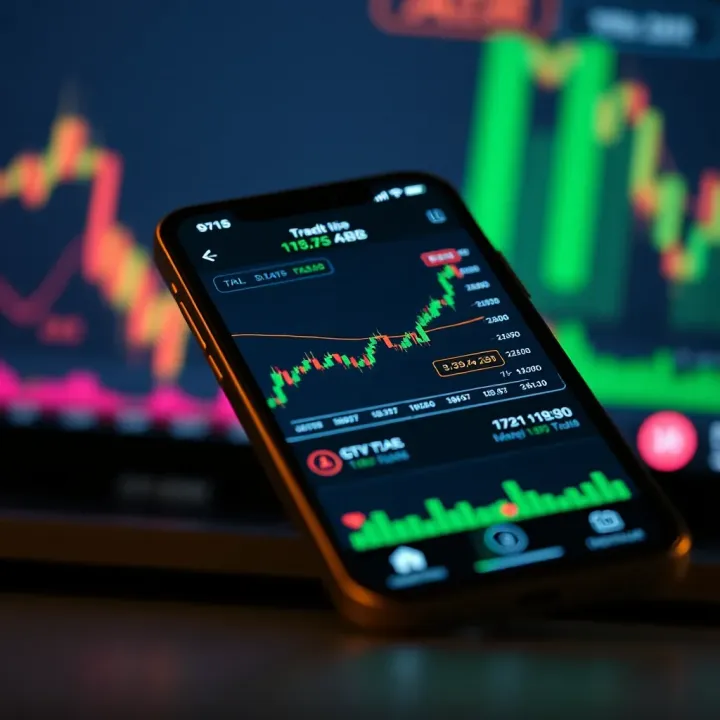
Looking for the best crypto trading app in Nigeria? 📱 Discover top features, security tips 🔒, fees, user experience, and trusted options to trade safely.
💰 Discover how Nigerian investors can profit from crypto arbitrage trading by finding price gaps across exchanges. Learn strategies, tools, and risks! 📈
Based on 13 reviews