
Understanding Binary Division Basics and Uses
Explore binary division basics, step-by-step methods, and real-world uses in coding and hardware 🔢💻. Understand challenges and why it matters today.
Edited By
Edward Hughes
Non-binary identities refer to gender experiences that do not fit neatly into the traditional categories of male or female. In Nigeria, understanding non-binary people involves recognising gender beyond this binary framework. Unlike the common view that sees gender strictly as male or female, non-binary individuals may identify somewhere in between, both, neither, or beyond these labels.
The concept of non-binary identity challenges deeply rooted cultural norms in Nigeria, where gender roles are often rigid and clearly defined. Many Nigerians grow up with the expectation that a person’s gender aligns strictly with their biological sex, influencing everything from social interactions to career choices. However, non-binary identities exist across Nigerian ethnicities and regions, though awareness remains limited.
For instance, some non-binary Nigerians prefer gender-neutral pronouns or alternate between masculine and feminine expressions depending on context. Their lived experiences can be complex: they face misunderstandings within families, workplaces, and public spaces, where binary gender norms dominate. This can limit access to services such as healthcare, identification documents, and legal recognition.
Non-binary people in Nigeria frequently navigate social pressures and legal challenges, underscoring the urgent need for education and inclusive policies.
In recent times, growing visibility of LGBTQ+ narratives and conversations on platforms like Twitter, Instagram, and community forums have helped bring non-binary identities into public discourse—though stigma remains a major barrier. Support networks, both online and offline, have emerged, offering safe spaces where non-binary Nigerians exchange advice and resources.
Understanding non-binary identities requires moving beyond stereotypes and acknowledging the diversity within Nigerian societies. Definitions must be clear, and the unique challenges faced by non-binary individuals recognised to foster inclusivity, whether in educational settings, workplaces, or healthcare systems.
Key points:
Non-binary refers to gender identities outside male/female categories
Nigerian cultural norms predominantly enforce a binary gender view
Non-binary Nigerians face social and legal challenges
Awareness and support networks are growing but remain limited
Recognising these realities helps traders, educators, and analysts appreciate broader social dynamics affecting Nigerian communities. Such insight is vital for informed decision-making, policy formulation, and social development efforts.
Defining non-binary identity is essential for understanding how people experience gender outside the usual categories of male and female, especially in Nigeria where gender norms are often rigid. Clear definitions help traders, investors, educators, and analysts appreciate the diversity within Nigerian society, enabling more inclusive policies and business practices. Knowing these distinctions can reduce misunderstandings and open doors for better support systems.
Understanding gender beyond male and female means recognising that not everyone fits strictly into ‘male’ or ‘female’ categories. Non-binary people identify outside this binary, expressing gender in ways that may blend, reject, or exist apart from these traditional categories. Practically, this challenges institutions like workplaces or schools in Nigeria to reconsider structures that depend solely on male/female distinctions, such as uniform policies or public facilities.
Common terms and labels within non-binary communities include words like ‘genderqueer’, ‘agender’ (no gender), and ‘bigender’ (two genders). These labels allow individuals to describe their gender experience more precisely. For example, a Nigerian youth might describe themselves as genderfluid, meaning their gender identity shifts over time. Understanding these terms helps educators and employers create respectful environments that accommodate such expressions.
Differences between non-binary, transgender, and genderfluid identities lie in how a person relates to the gender they were assigned at birth. Transgender people identify with a gender different from their birth assignment but may align clearly as male or female. Non-binary individuals do not identify exclusively as male or female, while genderfluid persons experience their gender identity as changing over time. This distinction has practical impacts in health care and legal recognition sectors in Nigeria, influencing the kind of support and documentation needed.
How non-binary fits into Nigerian cultural and traditional views is complex. Nigerian society often relies on clear gender roles linked to ethnicity and tradition. Still, many Nigerian cultures have historical recognition of gender diversity beyond male and female. For instance, some Igbo and Yoruba traditions speak of roles for people who don’t fit into the binary, though modern Nigerian mainstream society largely overlooks this.
Acknowledging non-binary people in Nigeria requires balancing respect for cultural values with recognition of evolving understandings of gender.
This cultural context affects how non-binary individuals express themselves and seek acceptance or protection within their communities. For businesses, educating staff about these intersections can improve inclusivity and reduce discrimination risks.
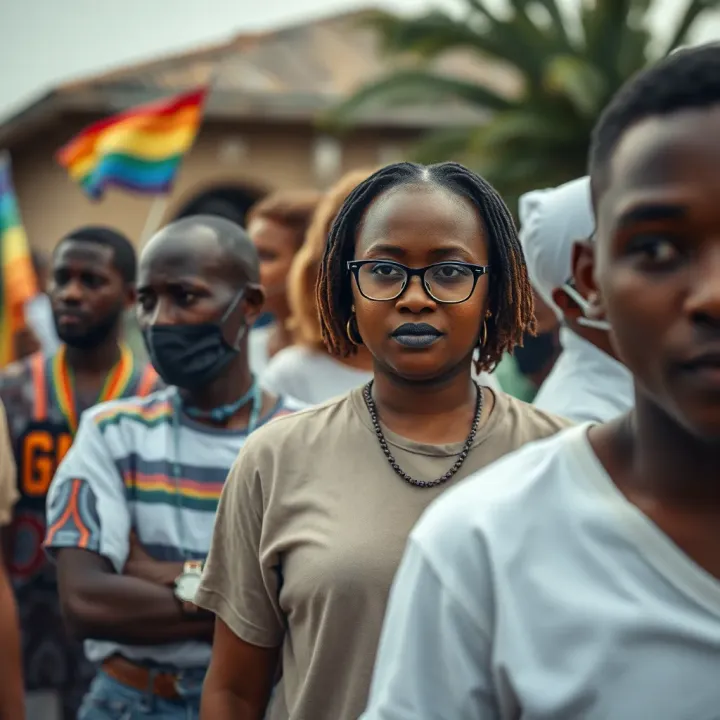
The experiences of non-binary individuals in Nigeria shed light on the unique challenges and realities they face daily. Understanding these experiences is critical for investors, analysts, educators, and traders who wish to grasp the broader social context affecting many Nigerians. This insight informs business practices, educational policies, and market trends, especially in sectors interacting directly with diverse individuals. Furthermore, recognising these experiences aids in advocating for inclusion and adaptability in Nigerian institutions.
Non-binary Nigerians often face difficulty fitting into rigid gender roles deeply embedded in Nigerian society. Traditional expectations define clear roles for men and women, influencing behaviour, dress, occupation, and social standing. For example, a non-binary person who prefers non-conforming attire or avoids gendered activities may encounter social disapproval or isolation at work or within their community. This pressure limits freedom of self-expression and creates constant tension, with some individuals needing to suppress their identity to avoid conflict.
The family unit remains central in Nigeria, and non-binary people frequently struggle to gain acceptance at home. Elders and relatives might reject identities they consider foreign or confusing, leading to emotional strain or even being disowned. At work, non-binary individuals risk discrimination in hiring, promotion, or daily interactions due to uncommon gender expressions. In community settings, such as religious groups or local markets, their presence might attract negative attention or prejudice. Despite this, many non-binary Nigerians create support networks with friends or online spaces to alleviate isolation and foster resilience.
Nigerian law does not recognise non-binary gender identities explicitly. Legal documents like birth certificates, identity cards, and passports require selection between male or female, excluding non-binary options. Laws relating to marriage, employment, and public conduct implicitly assume binary gender, leaving non-binary persons without legal safeguards or recognition. This absence reflects broader societal norms but also perpetuates exclusion.
Without official recognition, non-binary Nigerians face practical issues that impact their daily lives and economic opportunities. For instance, applying for formal jobs, opening bank accounts, or enrolling in education requires identity verification that often conflicts with their lived gender. This gap causes bureaucratic delays, rejection, or forced misrepresentation. Moreover, the lack of legal protection exposes non-binary individuals to discrimination without recourse, reinforcing social marginalisation and economic vulnerability.
Addressing these realities requires informed policy intervention and increased public awareness to foster inclusion and respect for all gender identities in Nigeria.
Businesses should consider creating inclusive policies recognizing gender diversity.
Educators can incorporate gender identity awareness into curricula to reduce stigma.
Investors might view supportive workplaces as socially responsible and beneficial to talent retention.
Understanding non-binary experiences paints a clearer picture of Nigeria’s social fabric and highlights where improvements can enhance societal cohesion and economic progress.
Healthcare is a vital part of overall wellbeing for non-binary individuals in Nigeria. Unfortunately, access to appropriate medical care remains limited, creating significant barriers to health and happiness. Understanding these concerns helps expose the practical challenges non-binary people face beyond social acceptance, shining a light on a critical area needing urgent attention.
Availability of gender-affirming healthcare is severely scarce within Nigeria’s medical system. While gender-affirming procedures like hormone therapy or surgeries exist globally, few Nigerian hospitals offer them openly, due largely to legal restrictions and conservative attitudes. Consequently, many non-binary Nigerians must seek treatment abroad or resort to unregulated sources, increasing health risks. For example, some may try hormone therapy without supervision, leading to serious complications. This lack of safe, affordable options effectively sidelines non-binary people from receiving proper medical support.
Mental health challenges and stigma intensify the healthcare gap. Non-binary individuals often face rejection and misunderstanding from family and society, contributing to anxiety, depression, and feelings of isolation. In Nigeria, mental health services are generally underfunded and inaccessible for many. Added to this, mental health issues related to gender identity may be wrongly dismissed or pathologised, discouraging many from seeking help. The stigma around mental wellbeing compounds the obstacles, making emotional support just as essential as physical healthcare for non-binary Nigerians.
Community organisations and online platforms play a crucial role in providing non-binary Nigerians with necessary solidarity. Groups such as The Initiative for Equal Rights (TIERs) offer safe spaces and advocacy, while various online forums connect individuals across the country and beyond. These platforms facilitate information sharing about health, legal rights, and personal experiences, serving as informal lifelines where official support may fail. For example, social media groups can guide newcomers on how to approach healthcare providers sensitively or where to find sympathetic medical practitioners.
Role of counselling and peer support cannot be overstated in this context. Professional counselling tailored to gender identity concerns remains rare. Thus, peer support networks often fill the void, offering understanding and guidance in a familiar Nigerian context. Such interactions can boost confidence, lower stigma-induced stress, and improve mental health outcomes. In Lagos or Abuja, some NGOs organise workshops and group sessions where non-binary people share experiences, advice, and coping strategies — a practical resource to navigate complex healthcare and social landscapes.
Addressing healthcare and wellbeing challenges is fundamental for empowering non-binary Nigerians. Without proper medical access and supportive communities, their ability to fully participate in society remains hindered.
Addressing misconceptions about non-binary people is essential for fostering understanding and inclusion in Nigerian society. Misunderstandings often lead to discrimination and exclusion, affecting non-binary individuals' mental health, employment, and social lives. By correcting false beliefs, Nigerians can create a more respectful environment both at home and at work, where people feel safe to express their true identities.
Many Nigerians still view gender as strictly male or female, which fuels several myths about non-binary people. Some assume non-binary individuals are confused or simply seeking attention, which ignores the validity and deeply felt experience of their gender identity. For example, a non-binary person preferring gender-neutral pronouns isn’t just being difficult; it reflects how they see themselves. Challenging these myths helps reduce stigma and builds a more informed society.
Non-binary identities have existed across cultures and history, yet Nigerian conversations often leave this out, creating gaps in awareness. Emphasising lived experiences and respectful language can bridge this gap, allowing more informed attitudes to take root.
Education plays a vital role in clearing misconceptions. Schools, workplaces, and media can provide accurate information about non-binary identities, explaining that gender is not simply male or female but a spectrum. Workshops and awareness campaigns can expose people to real stories of non-binary Nigerians, which helps humanise the topic beyond stereotypes.
For instance, highlighting Nigerian non-binary role models and community leaders can show that gender diversity is part of our society. This approach shifts attitudes from fear or misunderstanding to acceptance and support.
Support begins with simple acts of respect: using correct pronouns, avoiding assumptions about gender, and offering a safe space for people to talk openly. Employers and institutions should also update policies to protect non-binary employees, including flexible dress codes and recognition in official records where possible.
Organisations can collaborate with local LGBTQ+ groups to provide training and resources. This not only benefits non-binary Nigerians but also promotes diversity that improves creativity and productivity.
Families are often the first place non-binary people face misunderstanding. Open conversations guided by compassion can challenge entrenched views. For example, parents who listen without judgment create an environment for their children to thrive.
In workplaces, a respectful culture helps reduce harassment and discrimination. Simple steps like gender-neutral restrooms, inclusive language in communication, and clear anti-discrimination policies go a long way. Respect at work also improves morale and retention, proving that inclusion is not just right but smart for business.
Correcting false beliefs about non-binary identities strengthens Nigerian society by fostering respect, reducing harm, and creating opportunities for all citizens to contribute fully.
Explore binary division basics, step-by-step methods, and real-world uses in coding and hardware 🔢💻. Understand challenges and why it matters today.

📊 Explore binary options trading in Nigeria: learn how it works, understand risks, navigate regulations, and get practical tips for smarter investing.

🔍 Explore how binary option trading works in Nigeria, learn key terms, spot risks, and find trusted platforms to trade confidently and safely today! 💹🇳🇬

Learn how binary brokers work, key risks, and regulatory tips to safely trade binary options in Nigeria 🇳🇬. Make informed choices with expert advice.
Based on 5 reviews