
Finding the Best Trading App in the World: What You Need to Know
Looking for the best trading app in Nigeria? 📱 Discover key features, security tips, costs, and user-friendly platforms to boost your investing journey today!
Edited By
Matthew Reynolds
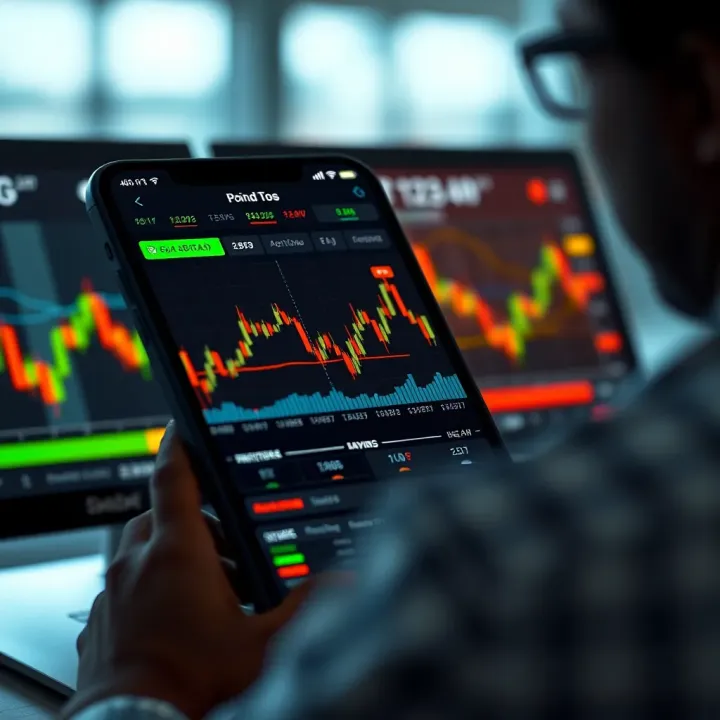
Mobile trading apps have reshaped how Nigerians invest in stocks, forex, and cryptocurrencies. These platforms bring the market right to your palm, eliminating the need to visit physical broker offices or rely solely on desktop computers. For investors today, having the right trading app is no longer a luxury but a necessity.
Understanding trading apps means recognising their ability to provide real-time market data, execute buy and sell orders swiftly, and offer tools for analysis. Popular apps like Chaka, Risevest, Binance, and MTN Mobile Money Trading offer diverse features tailored to different investor needs, allowing you to buy Nigerian Exchange Group (NGX) listed stocks or participate in global markets.
The key is to choose apps that fit your trading style, whether you prefer long-term investing or active day trading. Apps with excellent user interfaces and reliable customer support tend to reduce stress, especially when market volatility spikes.
Below are core points to consider as you explore trading apps in Nigeria:
Security and regulation: Opt for platforms regulated by Nigerian authorities such as the SEC (Securities and Exchange Commission). Platforms must safeguard your funds and personal data.
Fees and commissions: Trading costs vary widely. Some apps charge flat rates, others take a percentage of trade value. Look out for hidden fees on withdrawals or inactive accounts.
Market access: Not all apps cover the same assets. Nigerian investors might want straightforward access to NGX stocks, but some may prefer international exposure.
Ease of funding and withdrawal: Seamless deposit and withdrawal in naira is vital. Support for local bank transfers, USSD transactions, and integration with Nigerian payment gateways simplifies your cash flow.
Educational resources and tools: Some platforms provide market news, tutorials, charts with technical indicators, or community forums that can sharpen your investment decisions.
Starting with the right trading app puts you on better footing against challenges like naira depreciation, unreliable power supply, and network issues that often complicate online activities in Nigeria. Knowing what to look out for will help you avoid costly mistakes and position your portfolio for growth.
This guide will navigate you through these factors and more, ensuring you select a quality app that matches your goals and trading style.
Trading apps have become the main gateway for Nigerian investors eager to tap into financial markets without the hustle of traditional brokers. Understanding the popular trading apps and their features helps you make smarter investment decisions. These apps pack practical tools that bring the markets to your fingertips, whether you're aiming for stocks, forex, crypto, or commodities.
Real-time market data is the heartbeat of effective trading apps. It gives investors instant updates on prices, volume, and market trends, which is essential to making timely decisions. For example, an app showing the Nigerian Stock Exchange (NGX) All-Share Index in real-time allows traders to act fast when the market shifts during the day.
Order placement and execution allow you to buy or sell assets swiftly and securely within the app. Reliable apps process your orders promptly, avoiding frustrating delays that can cost you money, especially in volatile markets like Forex where prices change every second. Apps often provide market orders (immediate trades at current price) and limit orders (executed only at target price), giving you control over your trades.
Portfolio tracking and analytics help you keep an eye on your investments’ performance over time. Nigerian investors benefit from apps that offer intuitive dashboards showing profit, loss, and asset allocation. Some apps include charting tools, good for spotting trends or evaluating risks — very handy when managing multiple investments across stocks, forex, or cryptos.
Educational resources add value by providing tutorials, glossaries, and market insights. Many Nigerian trading apps offer content designed for beginners and experienced investors alike. For example, Quickteller Invest or Cowrywise provide guides on investment fundamentals, helping users build confidence before risking capital.
Stock market trading apps focus on Nigerian equities, allowing users to buy shares listed on NGX like Dangote Cement or Access Bank. These apps usually connect directly to brokers licensed in Nigeria, ensuring compliance. They also provide news updates on company performance and dividends, important for long-term investment decisions.
Foreign exchange platforms specialise in currency trading — for instance, trading USD/NGN pairs or other foreign currency pairs. Apps like FXTM or Alpari cater to Nigerians keen on Forex trading, offering leverage options and access to global markets. Given the naira’s volatility, these platforms attract traders looking for quick gains but require careful risk management.
Cryptocurrency apps have surged due to growing interest in Bitcoin, Ethereum, and stablecoins. Platforms like Bundle Africa and Yellow Card enable Nigerians to buy, sell, and store crypto securely. These apps provide wallet functionalities and real-time price alerts, important due to crypto’s notorious price swings.
Commodities and derivatives trading apps allow investments in gold, oil, or derivative contracts. While less common in Nigeria compared to forex or stocks, some platforms like IG Group offer access to commodities. These products can diversify portfolios but also bring complexity and higher risk, so apps often integrate educational support to help users understand margin and leverage.
Selecting the right app means balancing the features you need with security, market access, and usability. Knowing the popular apps and what they offer puts you ahead in Nigeria’s growing investing scene.
Selecting the right trading app in Nigeria is vital for both new and experienced investors. It affects not only your ease of access to the markets but also your security, cost efficiency, and overall trading success. With several platforms available, understanding key factors such as regulatory compliance, user-friendliness, and fees helps you avoid avoidable losses and headaches.
The SEC monitors and regulates capital markets activities in Nigeria, including online trading platforms. Choosing an app registered with SEC ensures it operates within Nigerian law and meets minimum standards for transparency and investor protection. For instance, apps like Chaka and Trove have SEC approval, giving you confidence your investments are safeguarded under Nigerian regulations.
Trading apps handle sensitive information, such as your bank details and personal identification numbers. Apps that employ strong encryption protocols safeguard this data from hackers. Look for platforms using SSL certificates and two-factor encryption. This protection is non-negotiable since Nigeria experiences rising cybercrime rates, which affect online financial transactions.
Strong user identification helps stop unauthorised access to your account. Beyond simple passwords, good trading apps often use biometric verification (fingerprint or face recognition) or OTP (one-time password) mechanisms sent via SMS or email. This reduces the risk of account hacking, especially critical when using mobile devices over public Wi-Fi.
A clear and intuitive interface matters. Investors prefer apps where they can quickly locate stocks, place orders, and review their portfolio without fuss. For example, the Bamboo app offers a simple dashboard that suits beginners, while more advanced users might find apps like Trove better for their in-depth analytics tools.
An app must respond swiftly, especially when market prices shift within seconds. Delays or crashes might cause missed opportunities or unintended trades. Reliable apps often invest in robust server infrastructure and optimise for Nigerian 3G and 4G networks, ensuring smooth access even in busy locations like Lagos or Abuja.
Good support is a lifesaver when technical issues arise. Check if the trading app provides multiple support channels: live chat, phone calls, email, or WhatsApp. Fast response from local support teams familiar with Nigerian market peculiarities can make huge difference, especially during period of high market volatility.
Trading costs affect your overall returns. Many Nigerian apps offer zero commission on stock trades but charge for other services or forex transactions. For example, Chaka charges a small percentage on forex trades, so understanding these fees upfront avoids surprises.
Efficient payments matter. Does the app support instant deposits and withdrawals from Nigerian banks or mobile wallets like OPay or Paystack? Some platforms take days to process withdrawals, limiting your cash flow. Convenient payment methods simplify managing funds and responding to market changes fast.

Beware of hidden costs such as inactivity fees, currency conversion fees, or withdrawal charges. These can erode your profits without obvious notice. Always read the terms and conditions carefully and compare fees across different apps to pick the most affordable option for your trading style.
Choosing your trading app wisely isn’t just about shiny features—it secures your investments, improves your trading efficiency, and keeps costs low. Prioritise your needs and keep these practical areas in mind to find an app that matches your goals in Nigeria’s vibrant market.
Starting your journey with trading apps in Nigeria requires a clear grasp of the essential setup steps. This foundation ensures you trade safely, efficiently, and with confidence. From verifying your identity to placing your first trade, understanding the process helps you avoid common pitfalls and make the most out of your investment.
To register on most trading platforms, you must provide your Bank Verification Number (BVN) and National Identification Number (NIN). The BVN links your trading account to your bank, allowing secure deposits and withdrawals. Meanwhile, the NIN validates your identity for regulatory compliance. Without these, your account risks being flagged or restricted by platforms enforcing Nigeria Securities and Exchange Commission (SEC) rules.
Platforms usually request scanned copies of your government-issued ID (like your Nigerian driver’s licence or international passport) alongside proof of address such as utility bills or tenancy agreements. These checks help prevent fraud and confirm you’re the legitimate account owner. Though it might seem like extra hassle, this step safeguards your funds and ensures smooth withdrawals when needed.
Connecting your bank account or payment wallets like OPay or PalmPay is necessary to move money in and out of your trading app. Most platforms support multiple Nigerian banks to ease transactions. Ensure the bank details you link match your BVN information to avoid failed transfers. Also, some wallets charge transfer fees, so consider these costs before funding your account.
Begin by selecting assets you understand. Nigerian investors often start with NSE-listed stocks like Dangote Cement or MTN Nigeria. Alternatively, you might explore forex pairs involving the naira, or crypto like Bitcoin through regulated platforms. Starting with familiar assets helps you grasp market behaviour and minimise mistakes.
Market orders execute trades immediately at the current price. This is useful if you want swift entry or exit. Limit orders, however, let you specify a price to buy or sell, providing control when markets fluctuate. For example, if MTN shares trade at ₦170 but you prefer ₦165, a limit order waits till that price hits before executing.
Some apps offer leverage, allowing you to trade with more funds than you actually have. While this can multiply profits, it increases risk significantly. Margin is the collateral you must keep to hold leveraged positions. For instance, with 10x leverage, a ₦10,000 deposit lets you control ₦100,000 worth of assets—but losses also scale. Start conservatively to avoid wiping out your capital.
Regularly monitoring your portfolio’s value and individual assets’ performance is crucial. Most apps provide real-time charts and profit/loss reports. This helps you spot trends or underperformers early, allowing timely decisions instead of emotional reactions.
These are automated orders designed to protect profits and limit losses. For example, if you buy a stock at ₦200, a stop-loss at ₦180 prevents further loss if prices drop while a take-profit at ₦230 locks in gains when the price rises. This discipline keeps trading rational, especially during volatile periods.
Your initial asset mix may shift over time due to different growth rates. It’s wise to review your holdings every few months and rebalance by selling some winners or buying others to maintain your desired risk level. For instance, if your stocks grow to dominate your portfolio, consider trimming some to avoid overexposure.
Getting started well sets the tone for your entire trading experience. Taking time with setup, trading basics, and portfolio care safeguards your investments and builds lasting confidence.
Trading apps have made investing more accessible in Nigeria, but they come with challenges that every user needs to understand. Knowing these risks helps you safeguard your money and navigate the market smoothly. This section breaks down the main difficulties you might face, offering practical insights to keep your trading journey safe.
The naira’s value against major currencies can swing unpredictably, affecting your investments, especially if you trade forex or import-export related stocks. For example, if you hold assets priced in dollars but your returns convert back to naira when the exchange rate is weak, your gains might shrink or even turn to losses.
These fluctuations can also impact companies listed on Nigerian exchanges, whose revenues depend on foreign currencies. Keeping an eye on naira trends alongside your trading decisions is essential to avoid hidden losses caused by currency movements.
Key events like changes in government policy, fuel subsidy adjustments, or Central Bank of Nigeria (CBN) announcements tend to impact market behaviour sharply. For instance, during the 2022 fuel subsidy removal, many investors saw stock prices react within hours.
Understanding the Nigerian economy’s pulse helps you anticipate possible market swings. Traders who ignore factors like election cycles, inflation reports, or trade restrictions risk getting caught off guard, which affects profits and risk management.
Cryptocurrency and forex markets are notoriously unstable worldwide, but Nigeria’s market has added layers of unpredictability due to regulatory changes and infrastructural challenges. Price swings can be sudden and large—sometimes moving 10% or more within hours.
Traders need to exercise caution, especially with leveraged positions, as losses can accumulate quickly. Using proper stop-loss orders and maintaining a clear exit plan prevents letting market wild swings erase your capital.
Nigeria’s power supply remains unreliable in many regions. When trading apps freeze or disconnect during strategic moments, you might miss critical trade opportunities or fail to close risky positions.
Similarly, internet data disruptions—especially in rural or remote areas—can cause delays or failures in order execution. If your app fails to sync properly, it may show outdated prices, leading to poor decisions.
Even popular apps occasionally crash or suffer delays, particularly during market peaks or volatile sessions. Imagine trying to execute a limit order, but the app hangs or fails to register your commands—you could lose a chance to buy at a desired price.
This frustration is common but avoidable by regularly updating app versions, clearing cache, and using devices with enough processing capacity.
To reduce technical risks, Nigerian traders often take simple but effective steps:
Use backup power sources like generators or UPS during trading hours
Maintain a stable network connection with multiple providers if possible
Keep apps updated and close unused background apps to optimise speed
Practice placing trades casually before live sessions to understand app behaviour
Being prepared helps avoid losses triggered by technical faults rather than market movements.
Fraudulent trading platforms mimic legitimate ones to steal money or data. Nigerian investors have reported fake apps pretending to be GTBank or Access Bank-affiliated trading tools.
Always download apps from trusted sources like official app stores, verify developer credentials, and avoid platforms without clear regulatory approval from SEC Nigeria.
Trading apps require sensitive information like Bank Verification Number (BVN), National Identification Number (NIN), and bank account details. Sharing these data on unsecure platforms risks identity theft.
Use strong, unique passwords and enable two-factor authentication (2FA). Avoid public Wi-Fi during financial activities to keep your credentials safe.
If you suspect fraud or experience suspicious transactions, immediately report to your app provider, SEC Nigeria, and your bank. Prompt action can limit losses and help authorities track scammers.
Knowing the contacts for fraud reporting and having backups of transaction records can make a big difference when resolving issues.
Awareness and vigilance are your first defence against losses, technical hiccups, and scams. Understanding challenges helps you trade smarter, especially in Nigeria’s dynamic market environment.
Trading in Nigeria goes beyond picking the right app or strategy. Understanding the regulatory framework and tax implications is a must for every trader. Keeping pace with regulations helps you avoid penalties and ensures your investments remain safe and legitimate. On the tax side, being deliberate with reporting helps you steer clear of trouble with tax authorities like the Federal Inland Revenue Service (FIRS).
The Nigerian Securities and Exchange Commission (SEC) plays a key role in regulating trading platforms. Only platforms approved and registered by the SEC should be trusted. This approval means the platform follows Nigeria’s financial rules and standards, giving you some assurance that your money is managed well.
For example, apps linked to the Nigerian Stock Exchange (now NGX) or those backed by licensed brokers typically meet SEC’s stringent requirements. Using these platforms reduces your risk of running into scams or illegitimate operations. Before signing up, check if the app's registration details are public or verified by the SEC.
Besides being approved, trading platforms must comply with broader Nigerian regulations like anti-money laundering (AML) laws and data protection rules. This compliance guards against illegal financial activities that could harm investors.
Practically, this means the platforms require robust identity verification—for instance, ensuring your Bank Verification Number (BVN) matches your trading account. It also means platforms must handle your data securely, avoiding leaks which could lead to fraud. Staying within legal boundaries protects both traders and the platform operators.
Profits from trading are subject to personal income tax in Nigeria. When you earn from stocks, forex, or cryptocurrencies, the gains add to your taxable income. The Federal Inland Revenue Service (FIRS) expects traders to declare these earnings during annual tax returns.
Ignoring this can result in penalties or audits that disrupt your trading activities. For example, if you profit ₦500,000 from trading in a year, this amount should be included in your income, possibly affecting your tax bracket depending on your other earnings.
Filing accurate tax returns is essential. Traders should include all gains and losses related to trading activities. FIRS guidelines require keeping your filings timely and truthful to avoid complications.
If you trade frequently, it helps to maintain clear records of each transaction. You can use these to calculate net gains or losses before reporting. Being prompt and transparent with FIRS can also build trust and reduce the risk of penalties.
Maintaining detailed records is useful not just for tax filing but also for personal tracking. Keep copies of trade confirmations, bank statements showing deposits and withdrawals, and receipts for any fees paid.
Good documentation helps during audits by providing evidence supporting your declared profits or losses. Some Nigerian traders rely on spreadsheet tools or specialised software to organise these details. This habit also makes portfolio management easier, especially when balancing risk and returns.
Staying on top of regulatory and tax matters gives Nigerian traders a stronger footing. It protects your investments and builds confidence in the fast-developing trading ecosystem.
Looking for the best trading app in Nigeria? 📱 Discover key features, security tips, costs, and user-friendly platforms to boost your investing journey today!
📱 Discover how arbitrage trading apps help Nigerian traders profit from market price gaps. Learn app features, risks, and tips for smart investing today!
Explore the best trading apps in Nigeria 📱 for stocks, forex, and crypto. Get tips on choosing reliable platforms and earning money safely as a beginner.
🔍 Find the best trading app for Nigerians and beyond! Compare features, fees, security, markets & support to trade with confidence worldwide. 📱💹
Based on 13 reviews