
Understanding Binary Fission with Examples
Explore how binary fission, a simple asexual reproduction in prokaryotes, helps growth and survival with real-life examples 🦠🔬🌱
Edited By
Isabella Wright
Binary fission is a basic yet fascinating process of asexual reproduction seen in many single-celled organisms. It's like nature’s simple recipe for making copies without the fuss of complex interactions or partnerships. For traders, investors, and analysts interested in biotech or pharmaceutical sectors, understanding this process can provide valuable insights into how bacteria multiply, resist antibiotics, or how biotech products based on microbes are developed.
In this article, we’ll break down the steps in binary fission, look at some concrete examples from bacteria and other organisms, and discuss how this reproductive method fits into the bigger picture of biology and medicine. Along the way, we'll explore how it contrasts with other reproduction types and why it matters beyond the lab—like in managing infections or developing new treatments.
Whether you’re educating others or digging into biotech market dynamics, getting a grip on this fundamental biological process is a great place to start.
Understanding binary fission is essential for anyone looking to get a grip on how many microorganisms multiply. This process is fundamental not just in microbiology, but also in fields like medicine and biotechnology where knowing how bacteria grow can impact treatment strategies and research outcomes.
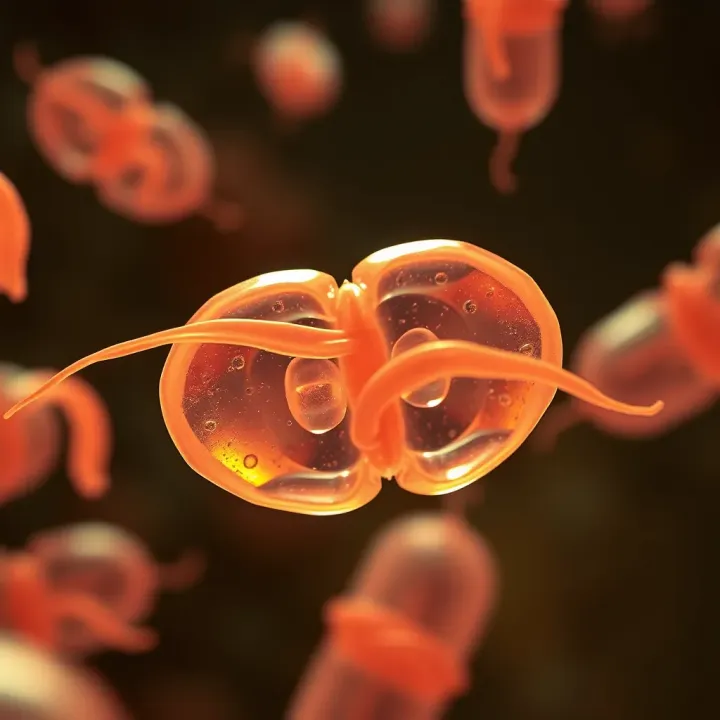
Binary fission is a straightforward method of asexual reproduction where one cell splits into two identical cells. It’s the main way many bacteria and some single-celled eukaryotes reproduce, making it a major driver of population growth and genetic stability within these groups.
For traders and investors focused on biotech stocks, grasping binary fission helps clarify how fast bacterial cultures can grow, which can affect production yields or drug resistance trends. Educators, on the other hand, value this clarity to build solid biology concepts for students without complicating the fundamental idea.
Binary fission offers a direct look at life's simplest form of reproduction—understanding it means understanding the foundation of many living systems.
Binary fission is a type of asexual reproduction common among prokaryotes like bacteria. Simply put, a single cell duplicates its genetic material and divides into two new, identical cells. Unlike mitosis in eukaryotes, the process skips complex stages like spindle formation and proceeds relatively fast.
To visualize it, imagine a bacterial cell as a balloon. When ready, it replicates its DNA, stretches, and pinches in the middle until two smaller balloons emerge, each carrying a copy of the original DNA. This method ensures quick population growth in favorable conditions without the need for sexual recombination.
Binary fission stands out for several reasons:
Rapid division: Many bacteria complete binary fission in as little as 20 minutes.
No genetic recombination: The offspring are genetic clones of the parent.
Simplicity: The process is less complex than other cell division methods.
Environmental sensitivity: The rate can be affected by factors like temperature, nutrient availability, and pH.
For instance, Escherichia coli, a common bacterium in the human gut, can double its population roughly every 20 minutes under ideal lab conditions. This speed shows why infections can escalate quickly and why antibiotic targeting must be precise.
Understanding these characteristics offers practical benefits. It aids analysts and educators in anticipating microbial growth rates and their implications. In investment terms, it might influence how quickly biotech firms develop bacterial cultures for products or research.
By grasping the what and why of binary fission, stakeholders can better appreciate its role and implications in science and industry.
To really get a grip on binary fission, it's essential to break down what actually happens, step by step. This process might seem straightforward at a glance—after all, it's just one cell becoming two—but the finer details reveal a surprisingly intricate dance of biology. For traders and analysts interested in biotech stocks, understanding this process gives insight into how fast bacteria can multiply, which ties directly into antibiotic resistance concerns and drug development.
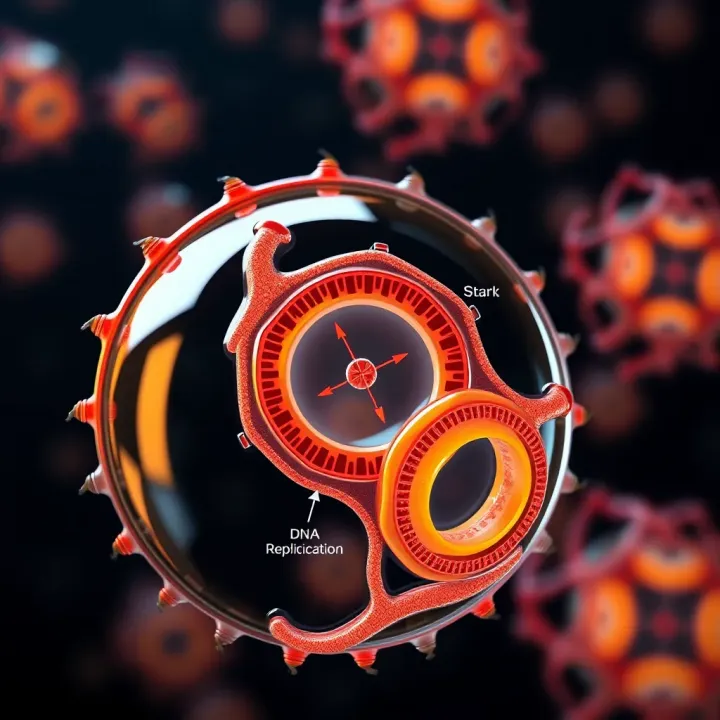
The very first step is DNA replication, where the cell makes an exact copy of its genetic material. Picture a photocopier that creates a duplicate instruction manual—only here, the cell uses enzymes to unwind the double helix and assemble a perfect copy. For example, Escherichia coli, a common gut bacterium, uses DNA polymerase to replicate its circular chromosome rapidly. This is no slow process—it can happen within minutes under ideal conditions.
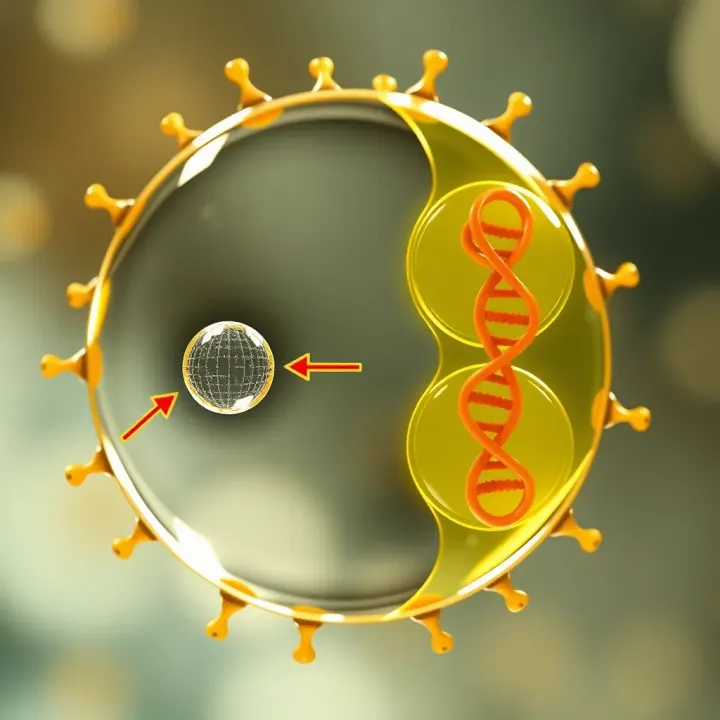
The accuracy of this step is crucial; errors can lead to mutations, which might affect the cell’s survival or lead to antibiotic resistance. Think of it like copying vital accounting records—one wrong digit could throw off the whole report.
Once the DNA duplicates, the cell needs to make sure each new cell gets one complete set. This is where chromosome segregation comes into play. The two copies are pulled apart and moved to opposite ends of the cell. Imagine a tug-of-war where the two DNA strands are the ropes being pulled to ensure they don’t tangle or end up on the same side.
In bacteria, this is often facilitated by proteins like ParA and ParB that help position the chromosomes properly. Without proper segregation, daughter cells might be born with missing or extra genetic material, which can be disastrous for their functionality.
Finally, the cell itself splits in two during cytokinesis. Here, the cell membrane pinches inward at the center where a structure called the FtsZ ring forms, similar to a tightening belt that squeezes the cell into two separate entities. This physical division completes the process and results in two genetically identical cells.
A handy everyday analogy would be slicing a loaf of bread; the knife (FtsZ ring) makes a clean cut so you end up with two neat slices. This stage is fundamental because any hiccup can cause cells to stay stuck together or form irregular shapes, affecting their ability to thrive.
Note: Understanding these steps not only helps in grasping microbial life but also has practical implications for antibiotic development and handling bacterial infections. Every stage offers potential targets for drugs aiming to slow down or stop bacterial growth.
Getting these steps right ensures fast and efficient reproduction, which explains how bacterial populations can explode seemingly overnight—something investors should keep on their radar when evaluating pharmaceutical research sectors that deal with infectious diseases.
Binary fission isn’t just a textbook concept; it’s the bread and butter of reproduction for many single-celled organisms. Understanding which organisms use this method gives insight into their growth, survival strategies, and impact on their environments. Plus, it sheds light on why controlling certain bacteria is such a headache in medical and industrial fields.
Bacteria are the poster children for binary fission. These tiny creatures multiply rapidly by splitting into two identical cells, allowing populations to explode — sometimes overnight. Take Escherichia coli (E. coli), commonly found in the human gut; it can double every 20 minutes under ideal conditions. This pace is why bacterial infections can seem to flare up so quickly. Binary fission in bacteria is simple but effective: once the circular DNA duplicates, the cell elongates, divides, and voilà, two bacteria.
Importantly, this rapid reproduction also makes bacteria prime players in biotechnology, where strains can be engineered to produce insulin or clean up oil spills. But on the flip side, it’s also why antibiotic resistance can spread so fast — the bacterial clones quickly share genetic mutations that help them survive treatment.
Archaeal species, often found in extreme places like hot springs and salty lakes, also rely on binary fission though their cell machinery differs from bacteria’s. For instance, Sulfolobus, which thrives in volcanic vents, reproduces by binary fission but with a somewhat more complex DNA replication process. Because archaea occupy such unusual niches, their binary fission has adapted to withstand harsh conditions where most life would perish.
Though less well-known than bacteria, archaea’s ability to duplicate efficiently makes them important for studying life's limits and potential applications in industry, like biofuel production or waste treatment in extreme environments.
Not all protozoa reproduce asexually by binary fission, but several notable species do. Protozoans like Amoeba split their cells to multiply, but unlike bacteria, their nucleus divides first through a specialized process before the cell splits. This ensures genetic material is carefully allocated to offspring.
This method is crucial for protozoa to exploit resources quickly in water or soil ecosystems. For example, during favorable conditions, Paramecium can double via binary fission, increasing their numbers in ponds and lakes. Their rapid increase affects food chain dynamics by controlling bacteria populations and serving as food for larger organisms.
Whether it’s bacteria, archaea, or protozoa, binary fission serves as a lightning-fast way to grow populations, with broad implications for health, industry, and ecosystems alike.
Understanding these various examples helps us appreciate not just the mechanics of binary fission but also its real-world effects on everything from human health to environmental balance.
Binary fission stands out as a straightforward, no-frills way cells make more of themselves. But in the big picture of reproduction—especially when you toss in methods like mitosis and budding—it’s good to know where it fits and what makes it tick differently. Each method has its quirks, benefits, and drawbacks, which become clear once you start putting them side by side.
Despite sounding similar at a glance, binary fission and mitosis aren’t twins. Binary fission is a simpler process mostly found in prokaryotic organisms like bacteria. Here, the cell copies its DNA and splits into two parts, each getting a copy. Mitosis, by contrast, happens in eukaryotic cells—those with a nucleus. It’s a more intricate dance where chromosomes condense, line up, and segregate to ensure each daughter cell gets the exact set. For example, human skin cells undergo mitosis to repair damage, something binary fission can’t do. The takeaway is binary fission is fast and efficient for single-celled organisms, but mitosis supports the complexity of multicellular life.
Budding operates a bit like binary fission’s cousin with a twist. Instead of snapping right in half, the parent cell grows out a bud that eventually detaches as a new individual. Yeast cells bounce around budding, which can sometimes leave the offspring a bit smaller at first glance. Binary fission, on the other hand, tends to produce two roughly equal halves. This distinction matters in how populations grow and adapt—budding allows some forms of differentiation right away, while binary fission keeps offspring clones nearly identical.
Binary fission’s main charm lies in its simplicity and speed; bacteria can double every 20 minutes under perfect conditions. This rapid reproduction helps microbial populations expand swiftly, making it a powerful tool for survival. But it’s not all sunshine. The downside? Lack of genetic diversity. Without mixing genes the way sexual reproduction allows, a harmful mutation can spread fast or environmental changes may wipe out an entire population. That’s why bacteria sometimes rely on horizontal gene transfer to shuffle genes around and keep things interesting.
Binary fission is a toolbox staple for many microbes. Quick, reliable, and energy efficient—but a bit of a genetic straightjacket.
In summary, understanding these reproductive methods side by side enhances insight into how life adapts and thrives. Binary fission is a winning strategy for rapid growth in steady environments, mitosis supports complexity in multicellular animals, and budding adds a bit of flair to reproduction strategies in fungi and some animals. Recognizing these differences helps both scientists and investors appreciate the biological mechanisms that underpin growth and change in various systems.
Binary fission plays a massive role in nature and science, acting as one of the most straightforward methods cells use to reproduce. It’s not just about splitting in two; it's about how life proliferates at microscopic levels and influences broader ecosystems as well as human fields like medicine and industry.
Microorganisms rely heavily on binary fission to multiply swiftly, which is why the population of bacteria can skyrocket in no time under favorable conditions. For example, Escherichia coli, a common bacterium found in the gut, can divide roughly every 20 minutes under optimal environments. This rapid replication means a single E. coli cell could lead to a colony of millions within hours, impacting everything from digestion to disease outbreaks.
This explosive growth is beneficial in natural environments where microbes break down organic matter and recycle nutrients, keeping ecosystems balanced. Yet in clinical settings, it can lead to infections progressing rapidly, so understanding this process helps in designing effective treatments.
Binary fission doesn't just allow bacteria to multiply; it also plays a central role in the rise of antibiotic resistance. When bacteria undergo binary fission, any genetic mutations—including those granting antibiotic resistance—are passed directly to daughter cells. Over time, this can lead to entire populations of resistant bacteria.
For instance, Staphylococcus aureus strains resistant to methicillin (MRSA) have become widespread partly because they reproduce via binary fission, quickly spreading resistant genes. This presents a major challenge in healthcare since infections become harder to treat, pushing scientists and clinicians to constantly develop new antibiotics and strategies.
Rapid bacterial growth through binary fission fuels both infection spread and the development of antibiotic resistance, making it a double-edged sword in medical science.
Binary fission's simplicity and reliability are gold mines for biotechnology. Take genetic engineering, for example: scientists often use E. coli because it reproduces quickly by binary fission, making it a perfect host to clone genes or produce proteins like insulin.
In experimental research, tracking binary fission helps in studying cell cycle regulation, mutation rates, and microbial evolution. The straightforward nature of this reproductive process allows researchers to make predictions about growth patterns and genetic changes, crucial for fields ranging from pharmacology to environmental science.
Overall, binary fission’s impact stretches beyond biology textbooks, influencing practical applications that affect everyday life and future scientific advances. This method underpins the success of many microbial organisms and serves as a key focus for managing health risks and advancing technology.
Explore how binary fission, a simple asexual reproduction in prokaryotes, helps growth and survival with real-life examples 🦠🔬🌱
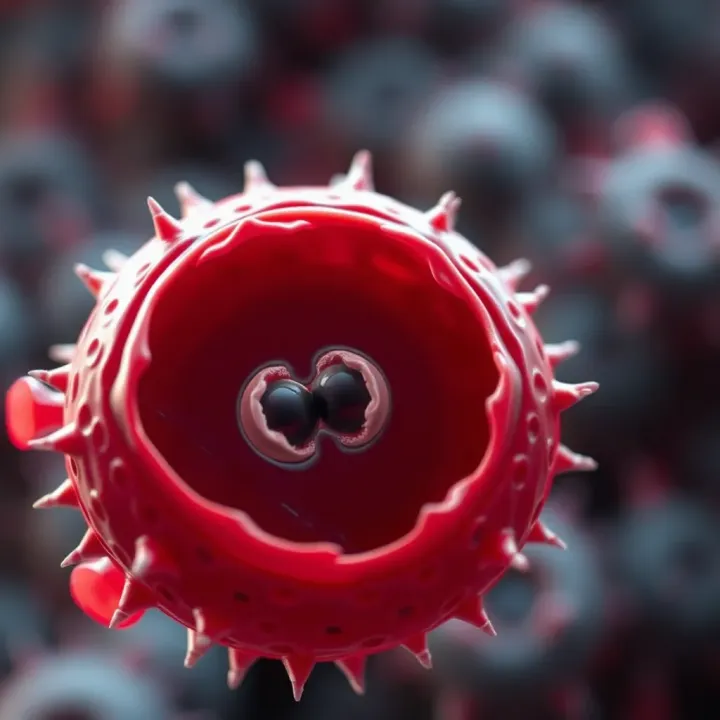
Discover how binary fission enables single-celled organisms to reproduce asexually, driving growth and shaping populations. 🦠 Learn the key cellular steps involved.
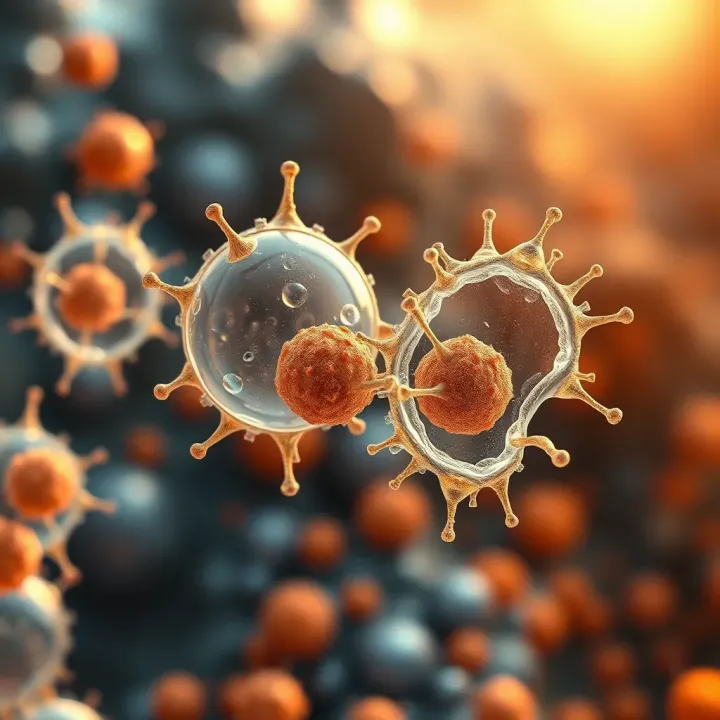
Learn the step-by-step process of binary fission in bacteria 🦠, why it's vital for microbial survival, and its impact on health and the environment 🌍.

Learn how to master binary addition with step-by-step examples and clear tips 🧮. Understand its role in computing and how it's different from decimal math 🔢.
Based on 13 reviews