
Is Forex Trading Profitable for Nigerians?
📈 Forex trading in Nigeria promises quick gains, but risks and strategies matter. Understand market conditions and realistic outcomes before risking your ₦ to trade smart.
Edited By
Oliver Bennett
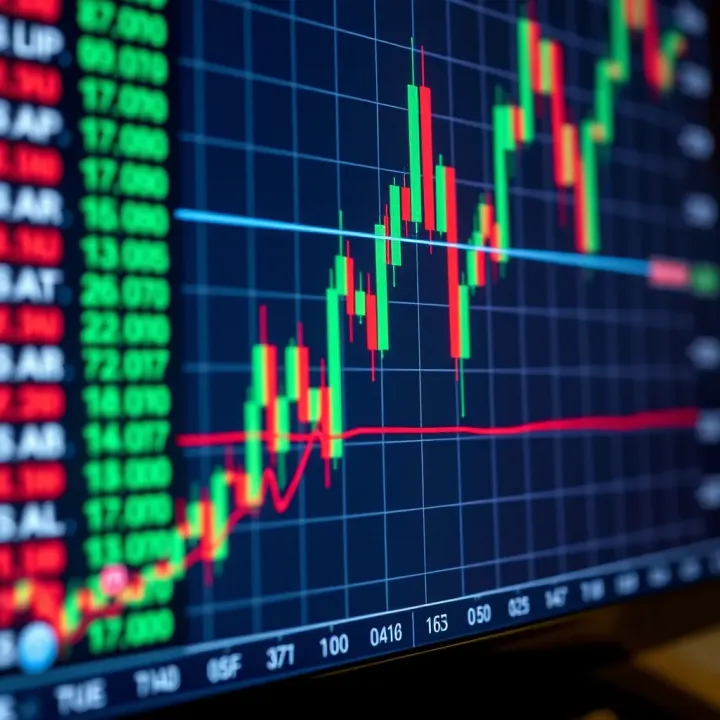
Visual data plays a major role in forex trading, especially for Nigerian traders looking to make sharp, informed decisions. Charts, graphs, and other trading images offer a snapshot of market behaviour, helping you spot trends, reversals, and key levels without sifting through piles of numbers.
Forex trading images typically include candlestick charts, line charts, bar charts, heat maps, and order book visuals. Each type shows different aspects of price movements and market depth, giving you a broader understanding of what’s driving currency pairs.
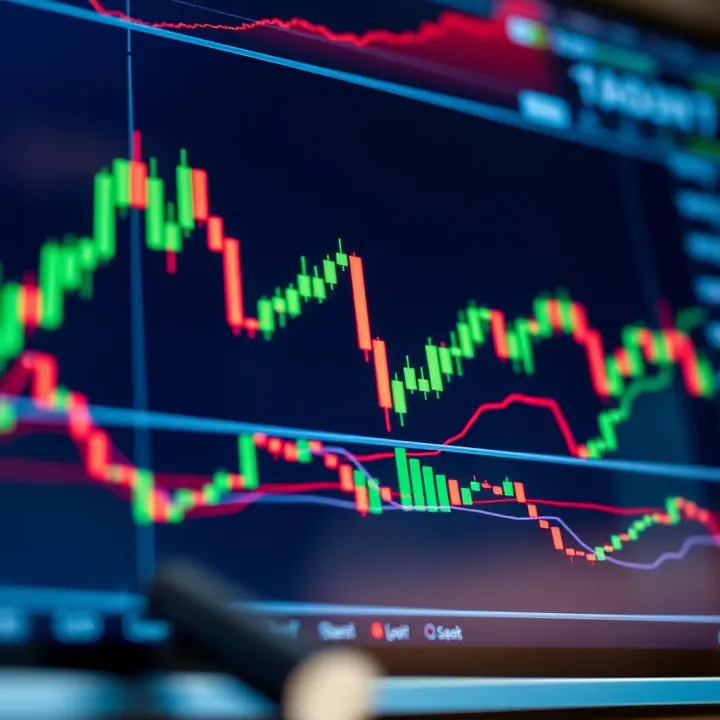
For example, candlestick charts break down price action into open, high, low, and close over a specific time frame. Nigerian traders use these images to interpret market sentiment quickly, spotting patterns like hammers or shooting stars that often signal potential price reversals.
Charts are not just pictures; they're the language of the forex market. Learning to read them well is like understanding the pulse of the market itself.
These images come from trusted platforms like MetaTrader 4/5, TradingView, and Nigerian brokers' proprietary tools. Knowing where the data originates helps avoid misleading signals caused by outdated or inaccurate visuals.
In practice, many Nigerian traders rely on a combination of these visual tools to shape their entry and exit strategies. For instance, using a 1-hour candlestick chart alongside a moving average line helps confirm trends before taking positions. It’s a sort of visual checklist that improves decision accuracy.
However, not all images tell you the full story. Recognising common distortions like sudden spikes from low liquidity or news events is crucial. This way, you don’t get trapped by false breakouts or panic moves.
This guide will show you how to interpret these images effectively, which tools serve Nigerian traders best, and practical tips to avoid common pitfalls. The goal is to make the chart your ally, helping you navigate forex with confidence — whether you trade the naira-dollar pair or track global currencies.
Forex trading heavily depends on clear visual data to guide decision-making. Different types of forex trading images serve distinct roles, helping traders quickly interpret complex information. For Nigerian traders, knowing how each image type works sharpens analysis and improves responses to fast market moves.
Line charts offer the simplest view of price movement over time. They connect closing prices by a single line, allowing traders to spot general trends without distractions. For example, if the line steadily climbs, it signals a bullish market. Nigerian traders often use line charts for a quick glance, especially on mobile apps like MT4 or TradingView, where speed is vital during peak market hours.
Candlestick charts are more detailed, showing open, close, high, and low prices within a time frame as candles. This format reveals market sentiment clearly—whether buyers or sellers dominate. A long green candle suggests strong buying pressure, while a red one shows selling. Understanding candlesticks helps traders identify reversal patterns, like the ‘hammer’ or ‘doji’, crucial for timing entries or exits in volatile currency pairs like USD/NGN.
Bar charts combine features of line and candlestick charts, with vertical bars representing price ranges and horizontal ticks showing open and close prices. Though less popular than candlesticks in Nigeria, bar charts still appeal to traders who prefer precise price action clarity without the colour coding of candles.
Moving averages smooth out price data to highlight trends by averaging prices over a set period. Nigerian traders use simple moving averages (SMA) or exponential moving averages (EMA) on charts to spot whether a currency pair is trending upwards or downwards. For instance, a crossing of short-term MA above the long-term MA might signal a buy opportunity.
Relative Strength Index (RSI) charts gauge the speed and change of price movements to identify overbought or oversold conditions. RSI values above 70 typically indicate a currency is overbought, hinting at a possible price drop, while values below 30 suggest oversold conditions and potential upward correction. This indicator helps Nigerian traders avoid chasing pumps in high-volatility episodes.
Bollinger Bands use standard deviations to plot upper and lower bands around a moving average, reflecting market volatility. When bands narrow, it suggests low volatility and possible breakout soon; when bands widen, the market is volatile. Traders in Nigeria often rely on Bollinger Bands to prepare for moving market conditions, especially during major economic announcements.
Currency strength heatmaps provide a quick visual snapshot of how different currencies perform against others in real-time. Colours indicate strong or weak currencies, making it easier for Nigerian traders to decide which pairs to focus on. These heatmaps simplify comparisons among numerous currencies without opening multiple charts.
Sentiment gauges and visuals capture collective trader positions or mood in the market, often via percentages showing long versus short positions. Knowing market sentiment helps Nigerian traders gauge whether a trend has momentum or is likely to reverse, avoiding unnecessary risks in overextended markets.
Different Forex images serve as multiple lenses, bringing clarity from complex market data. Mastering them boosts confidence for Nigerian traders navigating a fast-moving market environment.
Forex trading images are vital for Nigerian traders because they turn raw data into visual clues that guide real-time decisions. These images, like charts and indicators, help traders quickly spot market movements, reducing guesswork. In markets as volatile as Nigeria’s, where rapid naira fluctuations and geopolitical factors weigh heavily, the ability to interpret visuals decisively can protect capital and seize profit opportunities.
Trends serve as the backbone for many trading decisions. Nigerian traders rely on visual trend identification to determine if a currency pair is generally moving up, down, or sideways. For example, a rising series of higher highs and higher lows on a candlestick chart signals an uptrend, encouraging traders to consider buying. Conversely, a sequence of lower highs and lower lows suggests downtrend, signalling caution or an opportunity to sell.
Spotting trends early can prevent losses, especially when naira volatility spikes after economic announcements or CBN policy changes. By observing trend direction visually, traders know whether to hold or exit positions.
Support and resistance are critical price points where the market tends to pause or reverse. Visualising these levels on a chart helps Nigerian traders understand where demand or supply may overpower price movement. For instance, if the USD/NGN pair repeatedly bounces off ₦480, that price acts as a support level.
When the price approaches such levels, traders watch closely for breaking or holding. A break above resistance might signal a new upward momentum, while a bounce down from resistance warns to exit. Recognising these levels visually makes it easier to plan trades and manage risks.
Patterns like "head and shoulders," "double tops," or "flags" form visible shapes on charts that hint at potential market moves. Nigerian traders trained to spot such patterns can anticipate reversals or continuations without waiting for lagging indicators. For example, spotting a breakout from a flag pattern on EUR/USD could indicate that the previous trend is resuming.
These patterns provide actionable clues for entering or exiting trades promptly, especially since timing is key in forex markets.
Visual confirmation adds confidence to trading signals derived from other analysis methods. When a trader sees a bullish crossover in moving averages paired with a candlestick pattern signalling momentum, this image-based evidence strengthens the decision to buy.
In the Nigerian market context, where unexpected news can trigger sudden shifts, confirming entry or exit points through multiple visual signals reduces false moves and unnecessary exposure.
Using visuals wisely turns complex forex data into straightforward signals. For Nigerian traders, this approach reduces emotional trading and helps respond faster to rapid market changes.
By mastering these visual aspects, traders in Nigeria can sharpen their strategy, better timing their decisions to match market rhythms and local realities.
Access to trustworthy forex trading images matters a lot for Nigerian traders. These images, especially price charts and technical indicators, guide you in understanding market movements and making timely decisions. Without reliable sources, you risk basing trades on outdated or incorrect visuals, which can cost you dearly in volatile market conditions. Knowing where to find and how to use these images properly helps you stay a step ahead and improves your trading precision.
MetaTrader 4 (MT4) and MetaTrader 5 (MT5) remain the go-to platforms for many Nigerian forex traders. These platforms offer live charting with various formats such as line, candlestick, and bar charts, complete with a wide range of technical indicators. With MT4 and MT5, you can customise your chart views and set alerts on price levels, which is a big plus when monitoring currencies like USD/NGN or EUR/USD.
The relevance of MT4 and MT5 lies in their robustness and wide adoption among Nigerian brokers. For instance, platforms used by local brokers like FXTM Nigeria and EasyMarkets connect seamlessly with MT4/MT5, ensuring you get real-time pricing and reliable graphical data to base your trades on. Their user-friendly interface also helps traders new to forex chart reading become comfortable quickly.
TradingView is popular globally for its interactive web-based charts and extensive community insights. Nigerian traders also appreciate TradingView for its visual clarity and feature-rich experience. It supports various timeframes and overlays, allowing deep dive analysis into trend patterns relevant for markets ranging from FOREX to cryptocurrencies.
One thing that sets TradingView apart is the social aspect. Traders share chart setups and market sentiments directly on the platform, providing practical examples Nigerian buyers can learn from. For example, during periods of naira volatility, many traders post live annotations on TradingView to signal potential entries or exits.
Several Nigerian brokerage firms offer mobile apps embedded with real-time forex charting tools. These apps combine ease of use with access to local market data, sometimes tailored to popular currency pairs involving the naira. For example, the app from Growth Capital Securities offers live price charts and news updates relevant for Nigerian traders.
Using these apps means you don’t have to switch between platforms to check your positions or analyse charts. Besides, since Nigerian internet infrastructure varies, these apps are optimised to run well even on mobile networks common across the country, making them practical for trading anywhere, be it on the danfo or at a mama put.
Learning platforms that provide tutorial videos and interactive charts help Nigerian traders grasp chart reading and technical analysis better. Websites like Investopedia, though international, and local initiatives like Investnaija offer courses with enriched visuals explaining moving averages, RSI, and candlestick patterns using examples from the Nigerian forex market.
These educational resources deliver the double benefit of theory and practice. Nigerian traders get to see actual charts from MT4 or TradingView alongside explanations. This approach builds confidence in interpreting images and avoids costly mistakes often made by beginners relying solely on text-based materials.
For Nigerian traders, combining reliable trading platforms with strong educational resources enhances forex image interpretation, leading to smarter, more confident trading decisions.
Interpreting forex trading images correctly is vital for traders in Nigeria to make reliable decisions. Visual tools like charts and heatmaps are powerful, but misreading them can lead to poor trades and losses. Understanding common pitfalls and practical tips helps traders avoid costly mistakes and enhances the overall success rate. This section focuses on balancing visual analysis with other factors, spotting misleading patterns, and ensuring data accuracy for timely decisions.
Relying solely on forex charts and images often gives an incomplete picture. For example, a strong upward trend shown on a candlestick chart might be disrupted by unexpected news like a Central Bank of Nigeria (CBN) policy change or geopolitical events. Traders need to combine visual information with fundamental insights such as economic indicators, interest rate decisions, and political developments. Doing so ensures that image-driven analysis is grounded in the broader market context.
In practice, a Nigerian trader using MT4 charts should also track announcements from the Nigerian Bureau of Statistics or CBN reports. Ignoring these could result in misaligned trades when visual patterns suggest one move but fundamentals indicate another. Balancing technical images with solid fundamental research leads to smarter, holistic trading choices.
Forex images can sometimes show patterns that appear significant but actually behave erratically. This is often the case with false breakouts where price charts suggest the start of a new trend but soon reverse. For instance, a popular pattern like a "head and shoulders" can fail if market liquidity dries up amid ember months or election periods in Nigeria.
Traders must be vigilant about such traps. Confirming chart patterns with volume data or momentum indicators like RSI helps avoid false signals. Overconfidence in visual patterns without cross-checking can quickly drain trading capital. Nigerian traders should remember that forex images are guides, not crystal balls, and require cautious interpretation.
The reliability of forex images depends on the data feeding them. Traders should verify that their charts come from trustworthy sources such as official brokerage platforms (e.g., MT5, TradingView) or established Nigerian brokerages like ARM Securities. Using questionable or outdated data can distort price levels, indicators, and heatmaps, leading to flawed analysis.
For example, if a mobile app aggregates forex prices with poor syncing, a trader might react late to currency moves. Confirming data origin reduces risks linked to fake quotes or delayed feeds common in less regulated settings. Nigerian traders ought to develop habits of cross-referencing data sources to ensure consistent image quality.
Forex markets move fast, and images must reflect the latest information to keep traders informed. Some charts update every second, while others refresh every minute or more. Knowing the update frequency of your charting tool helps decide how aggressively to trade.
For instance, scalpers in Lagos markets depend on real-time updates to catch small price fluctuations, while longer-term investors may tolerate slower refresh rates. If images update too slowly, Nigerian traders risk entering or exiting trades too late, missing profit opportunities. Making update frequency a priority in choosing chart tools is a smart strategy.
Forex images offer a practical edge, but only when interpreted carefully with fresh data and broad market awareness. Avoid the trap of reading charts in isolation—merge visual insights with facts, check data quality, and watch update speeds to navigate the forex market confidently.
Combine forex images with fundamental analysis like CBN announcements.
Beware of false signals and confirm patterns with extra indicators.
Use reliable platforms and cross-check data sources for accuracy.
Know your chart’s update frequency to time trades effectively.
These tips help Nigerian traders avoid common errors, making image-based forex trading a practical and informed part of their strategy.
Using the right tools and software can make a big difference in how you interpret forex trading images. For Nigerian traders, tools that offer precision, speed, and clarity are vital in navigating volatile markets and reacting swiftly to price changes. These tools help to customise visual data, deliver real-time updates, set alerts, and even automate pattern recognition—turning raw images into actionable insights.
Customisable indicators allow traders to tailor charts to their specific trading strategy. Instead of relying on default settings, you can select indicators that match your style, such as altering the periods for moving averages or adjusting the parameters of an RSI (Relative Strength Index). For example, a trader focused on short-term scalping might set faster-moving averages to spot quick trends, while a long-term investor could choose smoother, slower indicators. This flexibility helps in creating more meaningful images that reflect your trading goals.
Having the freedom to add or remove technical indicators on platforms like MT4 or TradingView empowers you to avoid clutter and focus on what matters. Nigerian traders benefit because they can integrate local market peculiarities, like currency pairs affected by naira fluctuations, directly into their visuals.
Real-time data updates are indispensable in forex trading, where prices shift by the second. Charting software that refreshes instantly gives you a live picture of the market, helping you catch opportunities before they disappear. Imagine trying to trade on outdated charts during a news event; you could be misled into making a poor decision. Platforms commonly used in Nigeria, such as MT5 or brokerage apps with good internet connectivity, provide these real-time feeds.
This feature also ties to responsiveness. With real-time updates, you can monitor how sudden moves affect support and resistance lines visually, responding faster than traders who depend on delayed data.
Setting alerts on price changes is a practical way to stay informed without staring at screens all day. Instead of missing a breakout or a quick reversal, you get notified once the price crosses your set threshold. For instance, if you’re tracking the USD/NGN pair and want to know when it hits ₦500, an alert will prompt you to act immediately. This tool is especially useful during Nigeria’s ember months, when market volatility spikes due to various economic factors.
Alerts can be customised for price levels, indicator signals, or even volume changes, ensuring you only receive notifications relevant to your trading setup.
Using AI-supported image analysis takes the pressure off manual chart reading. Some modern software employs artificial intelligence to scan charts and highlight potential patterns, such as head and shoulders or double bottoms. For a busy Nigerian trader juggling many responsibilities, AI can pinpoint trade setups with less guesswork.
AI tools can also reduce emotional bias by providing objective assessments, which is helpful when market sentiment runs high. For example, during periods of naira volatility, automated pattern recognition may catch subtle changes before they're evident to the naked eye, giving traders an edge.
To sum up, blending customisable indicators, real-time data, alert systems, and AI-powered analysis transforms forex images from simple visuals into powerful decision-making tools—essential for Nigerian traders aiming to sharpen their strategies and boost success in the markets.
📈 Forex trading in Nigeria promises quick gains, but risks and strategies matter. Understand market conditions and realistic outcomes before risking your ₦ to trade smart.
Discover how forex trading works, key risks, and practical steps for Nigerian traders to profit from currency exchange rates in the dynamic ₦ market 🌍💱

📚 Master forex trading with top books tailored for Nigerian traders. Learn strategies, risk management, and how to navigate Nigeria's forex market for profitable trades. ₦
📈 Explore key forex indicators popular among Nigerian traders, learn their pros and cons, and get tips to use them effectively for better trading decisions.
Based on 13 reviews