
Understanding Forex Trading for Nigerian Traders
Discover how forex trading works, key risks, and practical steps for Nigerian traders to profit from currency exchange rates in the dynamic ₦ market 🌍💱
Edited By
Charlotte Moore
In forex trading, signals are like signposts pointing traders towards potentially profitable moves in the currency market. For Nigerian traders, understanding how these signals work can save plenty of time and capital, especially amid Nigeria’s unique trading challenges like naira volatility and intermittent power outages.
Forex signals provide information on when to buy or sell a currency pair, based on market analysis. These signals can come from various sources, including expert analysts, automated algorithms, or social trading platforms popular among Nigerians such as eToro or local Telegram groups.
Signals are not guaranteed win tickets — they are tools to guide your decisions, not replace them.
There are different types of forex signals Nigerian traders encounter:
Manual Signals: Generated by professional traders or analysts who share insights based on technical or fundamental analysis. These often involve chart patterns, economic news, or geopolitical events.
Automated Signals: Produced by algorithms or trading bots analysing market data instantly. For example, some mobile apps used in Nigeria send push notifications when a trading opportunity arises.
Copy Trading Signals: Coming from experienced traders whose moves you can imitate, often seen on platforms like ZuluTrade or local fintech.
Accuracy is critical. Nigerian traders should watch out for overly optimistic signal providers promising high returns with little risk — scams are severally reported in local forums.
To use signals effectively:
Verify the track record of the signal provider before investing real funds.
Combine signals with your own analysis and not rely solely on them.
Manage risk well: Set stop-loss orders and keep trade sizes manageable.
Adapt signals to local conditions: Consider factors like naira exchange rate swings and CBN policy shifts that can impact trade outcomes.
Understanding these basics helps Nigerian traders wield forex signals responsibly, boosting the chances of consistent gains while navigating the local market’s twists and turns.
Forex trading signals act as indicators suggesting the best times to buy or sell currency pairs. For Nigerian traders, especially those new to the market or juggling busy schedules, these signals provide a shortcut to spotting potential opportunities without spending hours analysing charts. But signals are not crystal balls—they serve as guides based on market data, technical patterns, or expert insight.
At their core, forex signals are trade recommendations that highlight entry points, exit points, and Stop Loss or Take Profit levels. These alerts come from various sources, such as experienced human analysts or computer-driven models that scan the market continuously. The purpose is simple: help traders make more informed decisions quickly amid fast-moving forex markets.
For example, a manual signal might be an expert advising a buy on EUR/USD at 1.1750 with a Stop Loss at 1.1700 after detecting a bullish reversal pattern. In practice, this could save you time from combing through charts and reduce guesswork.
Signals distill complex market movements into actionable advice, often backed by technical indicators like Moving Averages or RSI (Relative Strength Index). When you receive a clear signal, it narrows your choices and reduces emotional decision-making that plagues many forex traders. Consider it a compass guiding you through Nigeria’s volatile forex environment, where unpredictability from naira fluctuations or geopolitical news can quickly shift trends.
Using signals doesn’t mean blindly following them. Instead, they complement personal research and risk management strategies. The goal is to improve accuracy and confidence so you can execute trades more decisively.
Manual signals arise from seasoned analysts who interpret market news, charts, and economic events. These humans bring context that algorithms might miss, such as political upheavals or sudden policy changes in Nigeria or abroad. A forex coach in Lagos, for instance, might send out daily signals highlighting currency pairs reacting to CBN’s policy announcements.
The advantage here lies in tailored insight and the opportunity to ask follow-up questions. However, the quality of these signals depends heavily on the analyst’s experience and honesty. Traders need to verify track records and avoid providers promising unrealistic returns.
Algorithm-generated signals come from computer programs that analyse price trends, patterns, and volume using pre-set rules. These can operate 24/7, scanning multiple pairs and time frames faster than any human could. For Nigerian traders dealing with erratic power supply or tight work schedules, automated signals can be particularly useful.
A forex bot might detect a breakout on GBP/USD and promptly send a signal to capitalize on it. Yet, while fast and emotion-free, algorithms can struggle during unusual market conditions or sudden shocks, underscoring the need for human oversight.
Copy trading signals allow you to replicate the trades made by proven experts. Nigerian platforms like eToro or local brokers offering social trading enable you to link your account to experienced traders, whose moves are then mirrored automatically.
This method reduces the learning curve, making forex more accessible when you don’t have the time or skill for deep analysis. However, you must choose reliable traders with consistent performance—copying a rash, undisciplined trader risks costly losses.
Forex signals are tools—not guarantees. They sharpen your trading approach by offering data-driven or expert-based suggestions, but blending these signals with personal judgement and risk management is key for success in Nigeria’s forex market.
For Nigerian traders, accessing reliable forex signals is a key step towards making informed trading decisions. Where you find these signals can directly affect your trading profitability and risk management. Given the fast-paced nature of forex markets combined with Nigeria's unique trading challenges — such as intermittent internet connection or market volatility tied to national events — choosing the right sources matters.
Free forex signals often attract beginners due to zero cost, but traders should be cautious. These signals might come from less vetted sources or have inconsistent accuracy. For example, certain Telegram groups offer free signals but lack verification on actual performance, leading traders to take high risks unknowingly.
On the other hand, paid signal providers tend to offer structured, well-tested insights supported by detailed analytics and performance history. Many paid services also provide customer support and educational content. However, the trader must still scrutinize the provider’s track record since pay doesn’t always guarantee quality. Starting with a trial or smaller subscription can test effectiveness before committing bigger funds.
Social media apps like Telegram and WhatsApp have become popular channels for distributing forex signals. Several Nigerian trading communities operate groups where experienced traders or signal providers share buy/sell triggers. These platforms allow real-time delivery and easy interaction, making them practical for traders who want quick alerts.
That said, the informal nature of such groups means reliability varies widely. Traders should verify group credibility by checking member reviews or proof of signal accuracy before following advice blindly.
Some brokerage firms in Nigeria provide free or premium forex signals as part of their client services. Brokers like FXTM or OctaFX sometimes include signal packages to add value, tailored to the currency pairs they support. Since these signals come from brokers with vested interest in client success, they offer a more dependable option.
Choosing a broker with a transparent regulatory framework and strong customer service adds security. Traders can also request detailed explanations or webinars on how to use the signals effectively.
Several specialised websites and apps offer forex signal subscriptions targeting Nigerian traders. Platforms like ForexSignals.com or Zulutrade provide comprehensive tools, including performance stats and social trading features. Their technology often gives an edge with automated signal delivery and customisable alert settings.
While more formal and professional, these services sometimes require a steady internet connection and subscription fees. Nigerian traders benefit from services that support local payment methods like Quickteller or Paystack for easy access.
Finding the right source of forex signals depends on your trading style, budget, and risk appetite. Always approach signal providers with due diligence, verifying their track records and understanding the signal generation method before relying heavily on their advice.
Evaluating the quality and accuracy of forex signals is critical for Nigerian traders aiming to make smart trading decisions and protect their investment. Signals promise insights, but not all deliver consistent results. By knowing which metrics to check and what red flags to avoid, traders can sift reliable signals from risky ones. This helps avoid losses that many beginners face when following signals blindly.
Win rate measures how often a signal correctly predicts profitable trades. For example, if a trading signal has a win rate of 70%, it means seven out of ten signals led to gains. This metric is important because a high win rate generally indicates good reliability. However, Nigerian traders should be cautious not to rely on win rate alone, as some signals might have a high win rate but generate small profits or take excessive risks.
This metric compares the potential loss (risk) to the potential gain (reward) on each trade signalled. A good risk-to-reward ratio could be 1:2, meaning a trader risks ₦1,000 to target ₦2,000 profit. Traders in Nigeria should prioritise signals with balanced or favourable ratios, as high risk for low reward often leads to quick capital erosion. For instance, a signal promising huge profits but risking four times the potential gain is likely unsustainable.
Checking a signal provider’s track record over time helps confirm consistency beyond short bursts of good results. This means looking at months or years of past signals and their outcomes. Nigerian markets can be volatile, so signals that perform well despite ups and downs show reliability. Avoid providers who only show cherry-picked successful trades; a full, transparent history is better. For example, a signal service that shares weekly performance summaries with actual trades and results grants traders confidence.
Fake or low-quality signals abound, especially on popular platforms like Telegram or WhatsApp in Nigeria. One pitfall is falling for hype without evidence — flashy results or promises of easy money. Traders should watch out for signal providers who demand upfront fees without any trial or refund options.
Another trap lies in signals that lack transparency. Avoid sources that don't provide verifiable performance data or use generic advice instead of clear entry and exit points. Also, beware of signals that encourage risking large portions of your capital quickly; this usually hints at reckless or scammy strategies.
To protect your capital, always cross-verify signals by checking multiple sources or paper trading first. Seek reviews from trusted Nigerian forex communities or established brokers before committing real funds.
In summary, evaluating forex signals by their win rate, risk-to-reward balance, and historical records, while avoiding common fraud tactics, places Nigerian traders in a better position to use signals successfully without losing hard-earned money.
Using forex signals wisely can make a significant difference in your trading success in Nigeria. Signals offer timely insights, but blending them well with your existing strategy and situational awareness is essential. Otherwise, you risk chasing losses or falling for misleading tips.
To integrate signals effectively, treat them as one input among many rather than a foolproof indicator. For example, if a signal suggests buying the USD/NGN pair, cross-check with your technical analysis or fundamental views on naira stability, interest rate changes by the Central Bank of Nigeria (CBN), or geopolitical events. This check helps avoid impulsive trades based solely on signals.
A Nigerian trader might combine signals with his preferred strategy, like trend following or breakout trading, adjusting entry and exit points based on signals. Having clear rules on when to act on a signal creates discipline and prevents emotional decisions. For instance, you can choose to act only on signals confirmed by your moving average crossover or RSI levels.
Strict risk management remains critical even when using apparently reliable signals. Never risk more than 1–2% of your trading capital on a single trade triggered by a signal. This limit safeguards your funds against unexpected market swings or signal errors.
Stop-loss orders should be part of your trade plan, placed where losses become unacceptable based on your risk tolerance, not just on the signal's recommendation. Also, use position sizing to match trade risk. For example, if the signal suggests a trade on EUR/USD volatiles, adjust the lot size smaller in times of high naira volatility or during ember months when market behaviour can be erratic.
Remember, forex signals don't guarantee profit; they increase probabilities. So having a risk-first mindset protects your wallet from losing streaks.
Nigerian forex traders grapple with unique challenges such as naira liquidity issues, exchange rate discrepancies between official and parallel markets, and sudden policy changes by the CBN. These factors can cause volatility that general forex signals from global providers might not capture well.
Adjust your use of signals by keeping abreast of local news, especially CBN policy announcements, fuel subsidy impacts on the naira, or political developments. Pause trading on signals when markets feel uncertain, like during elections or import restrictions affecting forex supply.
For example, signals recommending a quick buy on USD/NGN might not work well if the parallel market rate diverges sharply from the official rate, causing slippage or execution delays. Staying alert to these realities helps you know when to trust or disregard a signal.
Successful forex trading using signals in Nigeria demands more than blind reliance; it requires combining signals with your strategy, strict risk control, and local market sense.
By mastering these elements, you stand a better chance of navigating Nigeria’s forex market and making signals work for your benefit rather than against you.
Technology plays a significant role in improving how traders in Nigeria use forex signals. With advances in software and mobile technology, traders no longer need to monitor charts manually or miss out on timely trading opportunities. Instead, a range of tools helps automate signal interpretation and execution, making trading faster and more efficient.
Expert Advisers (EAs) and trading bots are software programmes designed to analyse market data and execute trades automatically based on predefined forex signals or strategies. For Nigerian traders, these tools reduce the need to watch the market 24/7—a challenge given factors like erratic power supply and the busy pace of life.
For example, a trader using MetaTrader 4 (MT4) can install an EA that follows signals from a trusted source, placing trades as soon as a signal is received. This cuts down emotional decisions and timing errors. However, it's important to pick EAs with proven track records and to test them thoroughly using demo accounts—particularly because some bot services sold online in Nigeria lack transparency and can be unreliable.
Mobile technology also enhances signal trading by keeping traders connected regardless of their location. In Nigeria, where mobile phone penetration is high but internet can sometimes be unstable, apps with push notifications offer practical benefits.
Apps like MT4, MT5, and dedicated signal provider apps send alerts straight to a trader’s phone. This instant notification ensures no important market movement or signal goes unnoticed, even if the trader is miles away from a computer. WhatsApp and Telegram groups used by many Nigerian signal providers also rely on fast notification to keep members up to date.
The key consideration here is choosing apps that balance speed and reliability without draining battery life or data. Traders should also configure notifications to filter out noise, focusing only on signals that align with their chosen strategy.
Using technology in forex signal trading helps Nigerian traders skip hours of manual chart analysis and react quickly to market changes. It balances convenience with precision, bridging local challenges like power outages and internet speed.
In all, blending Expert Advisers, bots, and mobile notifications gives Nigerian traders an edge—allowing them to make smarter trades, reduce missed chances, and manage risks more confidently.
Forex signals often raise some key questions among Nigerian traders, and addressing these upfront helps you avoid costly errors and set realistic expectations. Knowing the answers makes it easier to decide whether signals fit your trading style and goals.
Many new traders first ask if forex signals guarantee profits. The truth is signals can provide useful entry and exit points, but profitability isn’t automatic. Beginners must pair signals with sound risk management and discipline. For example, a signal might suggest buying the EUR/USD at a certain price, but if you ignore stop-loss rules or apply too much leverage, losses can follow quickly. Signals speed up decision making, but they don’t remove the risks intrinsic to forex trading.
Beginners should treat signals as learning tools, not magic bullets. Using demo accounts alongside signals helps test their real-world value before staking actual funds. Some Nigerian brokers offer signal services integrated with demo platforms, which can be quite beneficial.
Forex signals provide shortcuts but cannot substitute the learning and experience needed to succeed long term. Relying solely on signals without understanding market basics leaves you vulnerable to mistakes when signals fail or market conditions change. For instance, economic shocks or Nigerian-specific events like sudden naira policy shifts can upset usual patterns.
Traders who invest time in understanding technical charts, fundamental news, and psychology tend to use signals more effectively. They also know when to ignore signals that don’t suit current market conditions. So, consider signals a supplement, not a replacement, to your trading education.
Regulation of forex trading and related services including signals is a growing focus for Nigerian authorities. The Securities and Exchange Commission (SEC) regulates capital market activities, while the Central Bank of Nigeria (CBN) oversees currency matters. Many signal providers operate informally and aren’t regulated, which means risks of scams or misleading claims exist.
Before subscribing to any signal service, check if the provider is registered with SEC or other Nigerian regulatory bodies. Payment plans offered through trustworthy platforms like MTN MoMo or bank transfers also minimise fraud risks. Remember, credible brokers like GTBank, Access Bank, or Zenith Bank often collaborate with verified signal providers.
Always treat forex signals with cautious optimism. Whether you’re a beginner or experienced trader, combining signals with proper education and a wary attitude towards regulatory compliance ensures you’re set on a safer path in Nigeria’s challenging forex market.
By clearing these common questions, Nigerian traders can better navigate the complex world of forex signals. This knowledge lets you take advantage of signals where useful yet avoid overdependence or exposure to unregulated risks.
Discover how forex trading works, key risks, and practical steps for Nigerian traders to profit from currency exchange rates in the dynamic ₦ market 🌍💱
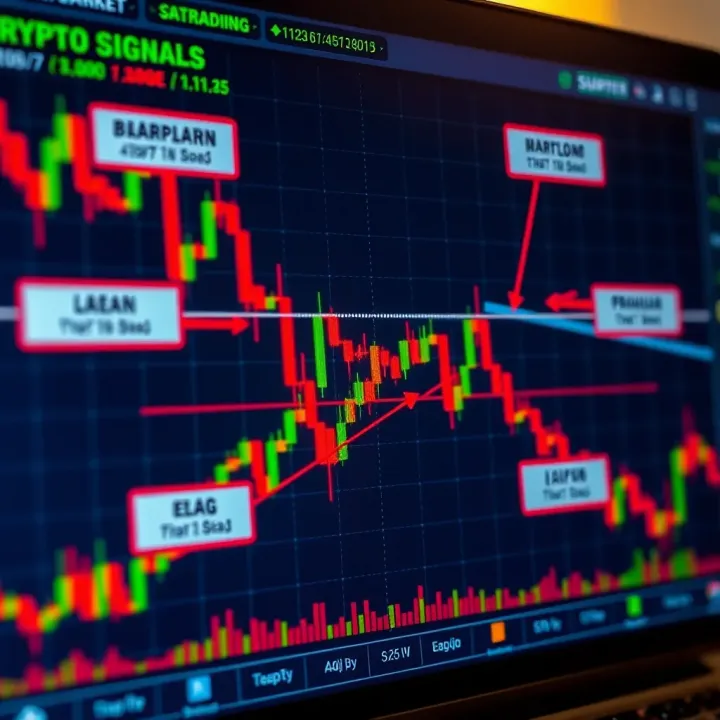
🤑 Learn how to read and use crypto trading signals to boost your trades in Nigeria. Discover key sources, tools, risks, and tips to profit in the market wisely.
📈 Explore key forex indicators popular among Nigerian traders, learn their pros and cons, and get tips to use them effectively for better trading decisions.
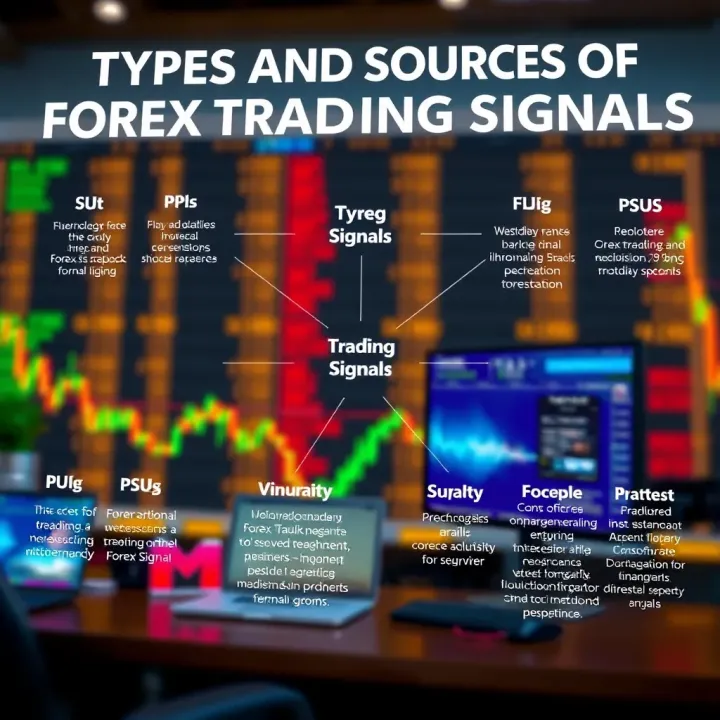
📈 Discover how forex trading signals can guide Nigerian traders to make smarter currency moves, manage risks effectively, and boost profits in Nigeria's market.
Based on 12 reviews