
Understanding Forex Trading for Nigerian Traders
Discover how forex trading works, key risks, and practical steps for Nigerian traders to profit from currency exchange rates in the dynamic ₦ market 🌍💱
Edited By
Edward Hughes
Crypto trading signals have become essential tools for traders in Nigeria aiming to navigate the volatile digital currency market with more confidence. These signals provide timely alerts about potential trading opportunities—whether to buy, sell, or hold a cryptocurrency—based on market analysis.
Simply put, a trading signal is like a compass amid the chaotic crypto market. For example, a signal might advise buying Bitcoin when its price crosses a certain moving average, indicating an upward trend. Nigerian traders can leverage these insights to make quicker decisions, especially during times when market swings happen within minutes.
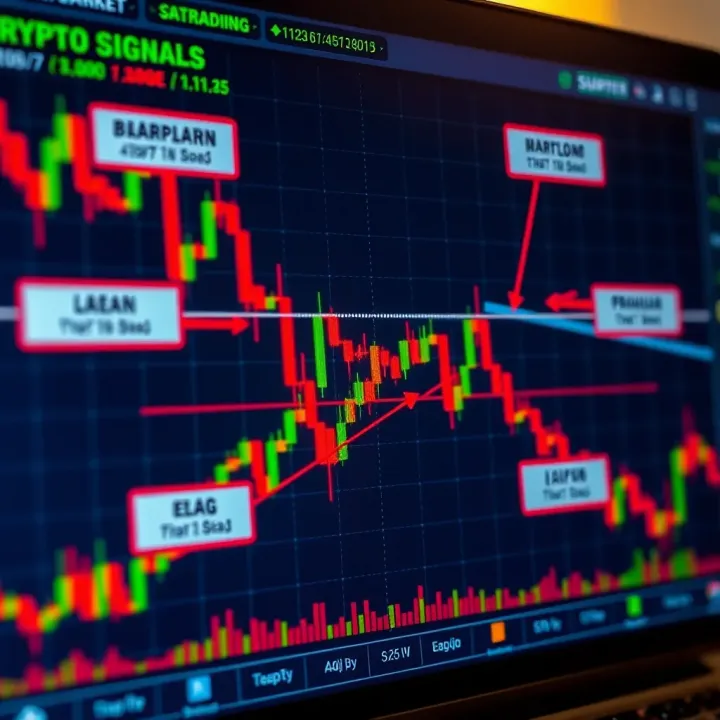
Understanding the sources of these signals is vital. Some come from automated algorithms analysing technical indicators like Relative Strength Index (RSI) or Moving Average Convergence Divergence (MACD). Others stem from expert analysts or social media communities where market sentiment and news are factored in. Here in Nigeria, platforms such as Binance, Luno, and local crypto communities often share signals that reflect Nigerian market peculiarities, including the naira's exchange rate and liquidity constraints.
Before relying on any signal, traders should verify its credibility. This involves checking the historical accuracy of the source and cross-referencing signals from different providers. No signal guarantees profit; risks remain, especially given crypto’s unpredictable nature and Nigeria's unique market conditions like sudden regulatory changes or power outages affecting trading windows.
Successful trading with crypto signals demands discipline. Never follow signals blindly; combine them with your research and risk management plans.
In this article, you will find practical advice on reading these signals, selecting trusted sources, and incorporating them effectively into your trading strategies. Whether you're a beginner or an experienced trader in Lagos, Aba, or Kano, this guide aims to equip you with concrete tools to boost your crypto trading skills.
Ultimately, crypto trading signals are not magic bullets but useful aids. They can help you spot trends early and avoid unnecessary losses—as long as you understand their limits and apply them smartly in Nigeria’s vibrant crypto ecosystem.
Crypto trading signals act as guides for traders, providing timely advice on when to buy or sell cryptocurrencies. In Nigeria’s fast-paced market, where prices can shift sharply due to both global and local events, signals help traders make quicker, more informed decisions rather than relying solely on gut feeling.
These signals draw from various data points and analyses, alerting traders to entry points, exit points, or warning signs. For instance, a Nigerian trader using a signal might learn when the price of Bitcoin is about to rise based on chart patterns or market sentiment, enabling a better-timed trade that could increase profits.
At their core, trading signals are actionable recommendations generated from market data, technical analysis, or other methodologies. Their main purpose is to help traders filter noise from the market and focus on potentially profitable opportunities. Instead of monitoring every coin or token continuously, traders use signals to prioritise assets and timing.
A practical example is a signal suggesting a buy on Ethereum when it hits a certain support level on the charts. This reduces the effort of manual tracking and underlines chances worth pursuing. Signals, however, don't guarantee success; they serve as aids within a broader strategy.
Technical signals are derived from price charts, volumes, and statistical indicators like moving averages (MA), Relative Strength Index (RSI), or Bollinger Bands. They highlight patterns such as breakouts, reversals, or oversold/overbought conditions. Nigerian traders who understand these can spot when a coin might rally or dip.
For example, a technical signal might suggest selling Bitcoin when the RSI crosses above 70, indicating overbought conditions. Such signals rely on past price behaviour and are most effective in markets with good liquidity and clear trends.
Fundamental signals focus on the underlying value of a cryptocurrency or external events impacting it. This includes announcements about network upgrades, regulatory changes, or large institutional investments. Nigerian traders tracking news of a new partnership or government stance on crypto might receive signals alerting them to related trading opportunities.
An instance is a fundamental signal advising a buy for a token after a positive regulatory update from the Nigerian government or Central Bank of Nigeria (CBN). These signals require awareness of market news and sometimes combine with technical data for confirmation.
Sentiment signals gauge the mood of the market using social media trends, news volume, or trader behaviour. They reflect how investors collectively feel—whether optimistic, fearful, or uncertain.
For Nigerian traders, sentiment signals might come from monitoring Twitter discussions or Telegram group chatter about popular cryptos like Bitcoin or Binance Coin. A surge in positive sentiment can precede a price rally, serving as a cue to act before the wider market catches on.
Traders seldom rely solely on signals; they combine them with their analysis, risk tolerance, and knowledge of local market conditions. Signals offer starting points for research, triggering deeper checks on market factors.
In practice, a trader in Lagos might receive a buy signal on a lesser-known altcoin but will cross-check its volume, news updates, and how it fits their portfolio strategy before committing funds. It’s about balancing automated insight with personal judgement.
Effective use of trading signals involves verification and blending with other tools. Nigerian crypto markets are dynamic and can be influenced by local events like power outages or policy shifts, so signals should complement broader market awareness.
By understanding what trading signals are and how they operate, Nigerian traders improve their chances at navigating the volatile crypto space sensibly and profitably.
Finding reliable sources and platforms for crypto trading signals is key for Nigerian traders aiming to make smart moves in the market. Signals come from different outlets, each with unique features, risks, and costs, so knowing where and how to get your signals can impact your success significantly.
Free signal services often attract beginners because they don't require upfront payment. Platforms like public Telegram channels or open WhatsApp groups typically offer these. While they can provide useful insights, free signals tend to be less detailed and riskier because they lack accountability and rigorous analysis. Traders may find many free signals lack follow-up support or clear trade management advice.
In contrast, paid signal services usually promise higher quality, more consistency, and additional perks such as market commentary, live chats, and alerts on multiple assets. Nigerian traders have access to paid platforms subscribing to international research or local experts who charge subscription fees ranging from ₦5,000 to ₦50,000 monthly. However, payment doesn't always guarantee success; thorough vetting remains essential.
Telegram and WhatsApp are popular for signal sharing because of their wide user base in Nigeria and ease of real-time communication. On Telegram, channels like "CryptoPulse Nigeria" regularly publish signals with entry points, stop losses, and targets. WhatsApp groups offer more interactive spaces but tend to be more exclusive or require invitations. These platforms suit traders who want quick updates and peer discussions but carry risks of misinformation or unverified tips.
Several Nigerian and global websites provide structured signal services via subscription models. Examples include local crypto news sites offering signals alongside market analysis. Apps like TradingView offer signal tools that combine charting with community-shared strategies, allowing users to customise alerts. These platforms provide better organisation and data integration, which can help traders track signals systematically and improve discipline.
Influencers on Twitter, YouTube, and Instagram play an active role in Nigeria's crypto space. Some reputable traders share analysis and signals through short videos or tweets, while others use these channels to promote their paid services. This route offers engaging educational content but demands careful judgment to separate genuine experts from self-appointed "crypto gurus". Watching out for past performance claims and cross-checking with other sources is wise.
Reliability comes down to transparency, consistency, and a proven track record. Traders should check how often signals hit their targets, whether providers share historical results openly, and if they explain the reasoning behind signals. Red flags include promises of guaranteed returns, pressure to subscribe quickly, or lack of verifiable reviews. Nigerian traders benefit from testing signals with small amounts first before committing significant funds.
Trustworthy signals are tools—not crystal balls. Always combine signals with your own market reading to avoid blind spots.
In summary, whether using free groups or paid services, sourcing signals requires caution and smart selection. Platforms like Telegram offer accessibility, dedicated apps provide structure, and influencers add perspectives. Choosing the right mix helps Nigerian traders build confidence and reduce risky guesswork when navigating crypto markets.
To succeed in crypto trading, Nigerian traders often rely on tools and technologies that help apply trading signals efficiently. These aren’t just fancy gadgets; they make managing trades easier, faster, and often more accurate. With the market moving swiftly, especially in Nigeria’s dynamic crypto space, automation and smart tools can add crucial edge.
Trading bots are software programs that execute trades automatically based on predefined signals or market conditions. They help remove emotional decisions, which can lead to costly errors. For example, a bot can place buy or sell orders immediately when a trading signal is triggered, even if the trader is not actively watching the market. This is particularly useful during volatile periods when price swings happen fast. However, bots require proper setup and periodic monitoring since market patterns can change quickly.
Binance is one of the world’s largest cryptocurrency exchanges and has a dedicated platform for Nigerian users. Its interface supports API connections, enabling traders to link external signal providers or bots to execute trades automatically. For Nigerian traders, Binance offers access to major crypto pairs with relatively lower fees and good liquidity. Integrating signals with Binance means you can respond swiftly to market moves while keeping your funds on a trusted platform.
Luno is popular among Nigerian traders for its user-friendly app and straightforward verification process. Though not as feature-rich for automation as Binance, Luno supports alerts and manual trade execution. Traders can receive crypto trading signals through apps or messaging platforms, then act quickly within Luno’s interface. The practical benefit here is ease of use combined with local currency (₦) support and direct bank transfers, making it ideal for beginners prioritising convenience.
Quidax positions itself as a homegrown exchange suited to Nigerian users. It supports multiple payment methods including bank transfers and payment apps. While Quidax’s API offerings are still growing, it permits traders to manually apply crypto trading signals they receive. Its local focus offers faster deposits and withdrawals, which can be critical when acting on timely signals. For Nigerian traders balancing simplicity and speed, Quidax stands as a practical choice.
Mobile apps have become essential for monitoring and executing trades on the go. Many Nigerian traders depend on apps that provide push notifications for trading signals. These apps connect either directly to exchanges or to third-party signal providers. With mobile alerts, you can respond to important market events even during Lagos traffic jams or while away from a desk. Some apps combine signal delivery with one-tap execution, allowing swift trades to capitalise on opportunities.
Efficient use of tools like trading bots and mobile apps can significantly improve your response time and accuracy when working with crypto trading signals. But remember, no technology replaces sound judgement and risk management.
Traders in Nigeria should prioritise tools that sync well with local exchanges and payment methods. This approach ensures quick execution without unnecessary delays or fees. Combining automation with manual oversight offers a balanced way to handle a fast-moving crypto market.
This section aims to equip you with practical knowledge on how to utilise technology so trading signals become useful actions rather than just data points. Remember, the right tool can make the difference between catching an opportunity and missing out.
Using crypto trading signals can seem like a quick way to make money in the market, but it carries significant risks that every Nigerian trader needs to understand. Signals are not guarantees; they offer guidance based on analysis, which can sometimes be wrong or mistimed. Without proper caution, traders can face losses that affect their capital seriously.
Not all trading signals carry equal reliability. Sometimes, signals come from sources using poor data or outdated methods, leading to false or misleading recommendations. For example, a signal might suggest buying Bitcoin because of an expected uptrend, but if it ignores sudden regulatory announcements in Nigeria or global economic changes, the signal becomes unreliable. Acting on such information without cross-checking can result in losses.
Moreover, some signals fail because they do not factor in local market nuances, including liquidity disparities on Nigerian exchanges like Binance Nigeria or Luno. Traders relying blindly on these signals, without personal analysis, often fall victim to poor entry or exit points.
Cryptocurrency markets are famously volatile. Prices can swing sharply within minutes due to news, large transactions, or technical factors. Even accurate signals can become useless if not acted upon quickly. For instance, a buy signal that arrives just after a pump can mislead a trader into buying at a peak.
This challenge is more pronounced in Nigeria where internet connectivity and platform delays might slow response times. A signal received late may no longer reflect current market conditions, turning a promising trade into a risky bet. Traders must understand that timing is critical, and signals are snapshots, not guarantees.
Scammers take advantage of the growing interest in crypto trading in Nigeria by selling fake signals or promising guaranteed profits. Warning signs include providers who ask for large upfront payments without proof of track record, pressure you to act fast without room for questions, or deliver overly optimistic claims like "100% success rate." Legitimate channels often provide verified performance history and transparent communication.
Also, anonymous or unverified groups on Telegram or WhatsApp can be hotbeds for false signals. If the provider lacks clear contact information or refuses to answer questions logically, that should raise suspicion.
To safeguard your money, avoid sharing personal login details or sending funds directly to signal providers. Use secure wallets and perform trades on trusted Nigerian exchanges such as Quidax or Luno. It’s advisable to test signals with small amounts before committing larger sums and always cross-reference signals with your analysis.
Remember, no legitimate service can promise consistent profits. Stay vigilant by keeping up with news from the Central Bank of Nigeria (CBN) and regulatory bodies that can affect market movements and signal reliability.
While crypto trading signals offer helpful guidance, approaching them without caution is like crossing a busy Lagos street blindfolded—risky and unwise. Always verify, stay informed, and manage your risks carefully.
Using crypto trading signals wisely can make a big difference in your trading success, especially given the unique challenges Nigerian traders face, such as market volatility and regulatory shifts. Following best practices helps you separate valuable signals from noise and avoid costly mistakes.
Always double-check signals before you trade. Many signals come from different sources and may conflict or prove unreliable, especially in a fast-moving market like crypto. For example, if a Telegram channel recommends buying Bitcoin at a particular level, confirm this with your own chart analysis or cross-reference with another credible signal provider. This discipline prevents impulsive decisions based on incomplete or false information, which is common among newcomers who jump in without proper verification.
Relying solely on signals is risky. Effective traders combine received signals with their personal research, such as technical indicators or fundamental news. Suppose a signal suggests a pump in Ethereum, but you notice Nigeria’s power outages impacting crypto network activity or regulatory news hinting at restrictions. Then it's wise to reconsider before placing a trade. Personal analysis acts as an additional filter to confirm or reject signals, ensuring you don’t just follow the crowd blindly.
Protecting your capital is key. Best practice means not exposing all your funds based on a single signal. Use position sizing to limit how much you risk per trade—usually between 1% and 3% of your total trading capital. If a signal seems strong but the market looks unstable due to global or local events, reduce your stake accordingly. Proper stop-loss orders and take-profit targets help you lock gains or minimise losses, especially during the peak ember months, when market behaviour often becomes unpredictable.
Crypto trading in Nigeria is influenced by government policies, banking restrictions, and local economic factors. Keep tabs on the latest announcements from the Central Bank of Nigeria (CBN) and regulatory bodies. For instance, changes in NAIRA-USD exchange rates or new rules from the SEC can impact your trades dramatically. Also, news of fuel scarcity in Lagos can affect transaction delays on certain platforms. Staying informed helps you adjust your trading strategy and avoid surprises that signals alone won’t reveal.
Remember: No signal guarantees profit. Use signals as tools within a broader strategy that includes verification, analysis, sound risk management, and local market knowledge to trade smarter and safer.
By following these best practices, Nigerian traders can make more informed decisions, safeguard their investments, and improve their chances of success in the volatile crypto market.
Discover how forex trading works, key risks, and practical steps for Nigerian traders to profit from currency exchange rates in the dynamic ₦ market 🌍💱
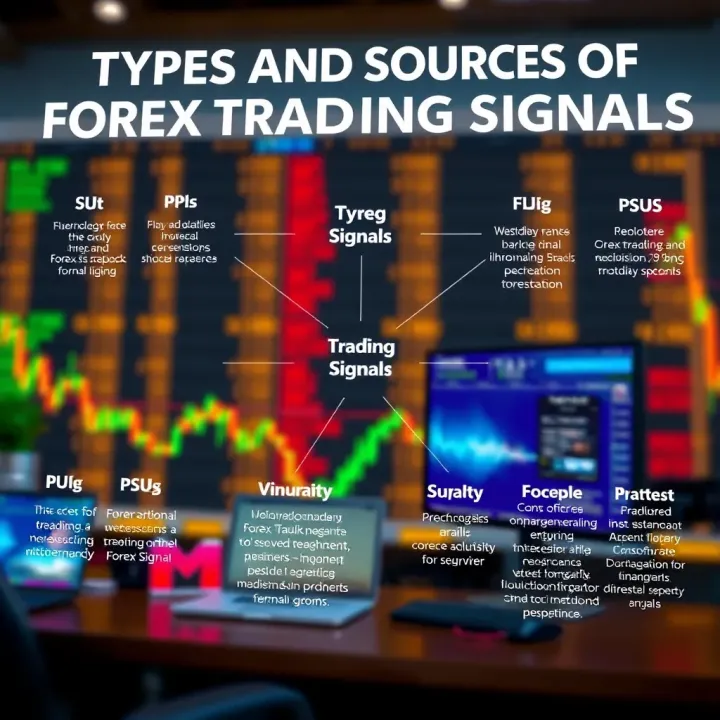
📈 Discover how forex trading signals can guide Nigerian traders to make smarter currency moves, manage risks effectively, and boost profits in Nigeria's market.
📈 Forex trading in Nigeria promises quick gains, but risks and strategies matter. Understand market conditions and realistic outcomes before risking your ₦ to trade smart.
🔍 Learn how to trade binary options safely in Nigeria 🇳🇬. Understand benefits, risks, and Nigerian regulations before investing your ₦. Get practical tips now!
Based on 15 reviews