
Best Forex Trading Signals for Nigerian Traders
📊 Learn how to choose and use the best forex trading signals in Nigeria. Discover types, trusted providers, evaluation tips, and risk management strategies to boost your trades!
Edited By
Liam Scott
Forex trading in Nigeria has grown sharply, thanks to easier access through mobile apps and increased awareness. However, the forex market remains complex and fast-moving, making timely decisions important for traders aiming to protect their investments and secure profits.
Forex trading signals act as valuable guides, offering alerts about optimal times to buy or sell currency pairs. These signals are derived from various data sources such as market trends, technical analysis, and economic news. For Nigerian traders, understanding how these signals work is essential to avoid guesswork and improve the chances of success.
Forex signals are not crystal balls; they provide probabilities based on available information. Smart traders combine these insights with solid risk management to navigate the market.
They help decode market movements: Instead of staring at charts endlessly, traders receive clear suggestions, making decision-making quicker.
Manage risk better: Signals often come with stop-loss or take-profit levels, helping traders control potential losses and lock in gains.
Level the playing field: Beginners stand a better chance competing with seasoned pros when they understand and use reliable signals.
Imagine a trader in Lagos receives a signal to buy EUR/USD at 1.1050 with a stop-loss at 1.1020 and take-profit at 1.1100. Following this advice means risking ₦30 (if converted) for a potential ₦500 gain, provided the market moves as analysed.
This structured approach can prevent emotional decisions common among traders who might otherwise panic during market swings.
In Nigeria's context, where factors like naira volatility, CBN policies, and global economic shifts influence forex pairs, signals help by bringing timely updates that reflect these dynamics. This reduces the burden on traders who may not have tools or time to monitor everything continuously.
By grasping the basics of forex signals, Nigerian traders can integrate them into their trading plans, improving discipline and sharpening market entries or exits. As we proceed, the article will explore how these signals are generated, their benefits, and challenges specific to Nigerian trading environments.
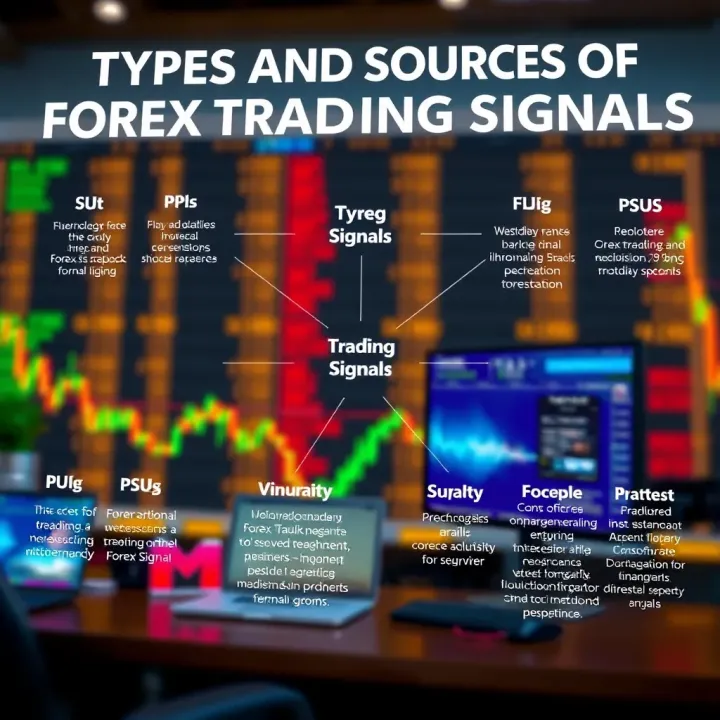
Forex trading signals are alerts or suggestions that tell traders when to buy or sell particular currency pairs. They act like traffic signs in the fast-moving forex market, offering guidance amid the turbulence. For Nigerian traders, using these signals can save time and boost decision-making accuracy, especially when market volatility is high.
Forex trading signals play a key role in helping traders identify potential entry and exit points. They break down complex market movements into actionable advice. For instance, if a signal indicates a likely upward trend for the USD/NGN pair, a trader might decide to buy the US dollar early to maximise profit opportunities. This is particularly relevant for Nigerian traders who juggle other commitments and may not have the time for in-depth market analysis.
A typical forex signal includes three important details: the currency pair to trade (like EUR/USD), the action to take (buy or sell), and a suggested price level for entry or exit. Additional information often covers recommended stop-loss and take-profit points to manage risk. For example, a signal might suggest buying GBP/USD at 1.3800, setting a stop-loss at 1.3750 to limit potential loss and take-profit at 1.3900 to lock in gains.
Manual signals come from experienced traders or analysts who study the market and share their insight. These signals often reflect qualitative judgement based on current events or unusual market behaviour. Nigerian investors might depend on signals from well-known analysts on platforms like Twitter or Telegram, appreciating the human touch and rationale behind each recommendation.
Automated signals are generated by computer algorithms programmed to analyse market data in real-time. Software tools use technical indicators, such as moving averages or relative strength index (RSI), to produce frequent signals without human bias. Traders in Nigeria can access these through platforms like MetaTrader or third-party providers. This approach fits active traders who want consistent alerts across multiple currency pairs.
Copy trading allows traders to replicate the actions of successful traders automatically. Signals here come from monitoring experts' trades directly, so beginners can benefit from experienced decision-making. Nigerian traders using apps like eToro or local brokers supporting copy trading get a practical way to learn while potentially earning profits. It is especially useful when paired with proper risk management skills.
Forex trading signals offer different paths to success. Whether relying on expert advice, automated algorithms, or copying established traders, knowing how each type works helps Nigerian traders tailor their approach effectively.
Understanding how forex signals are generated is vital for Nigerian traders aiming to use these tools confidently and effectively. Signals derive from various methods, typically through technical analysis, fundamental news, or algorithms. Knowing this helps you evaluate the quality of signals and decide whether they fit your trading style.
Moving averages smooth out price data by creating a constantly updated average price, helping traders spot trends. For example, a 50-day moving average tracks the average price over 50 days. When the short-term average crosses above the long-term average, it suggests a potential buy signal, while crossing below may indicate a sell signal. Nigerian traders often use this to confirm trends during volatile market hours.
RSI measures the speed and change of price movements, indicating whether a currency pair is overbought or oversold. The index swings between 0 and 100; usually, readings above 70 suggest the market may be overbought, signalling a possible price drop, while readings below 30 show oversold conditions, suggesting buying opportunities. Applying RSI lets traders time their entries and exits more precisely.
Support and resistance are key price levels where markets tend to pause or reverse. Support acts like a floor preventing further price drops, while resistance serves as a ceiling limiting upward movement. Signals based on these levels indicate when to enter or exit trades. For instance, a bounce off support may prompt buying, whereas a failure to break resistance could suggest selling or holding back.
Economic reports like inflation rates, GDP figures, or employment statistics can cause significant currency shifts. Forex signals take these releases into account because unexpected results often lead to sharp moves. Nigerian traders should watch releases from the National Bureau of Statistics and Nigeria Customs Service, as delays or surprises here influence market direction.
CBN's monetary decisions, such as changes to interest rates or foreign exchange interventions, weigh heavily on the naira's value. Signals often incorporate announcements from the CBN since policy tweaks can prompt swift market reactions. For example, a rate hike typically strengthens the naira, making signals to buy the currency more relevant.
Events abroad—like US Federal Reserve meetings, geopolitical tensions, or oil price fluctuations—impact forex markets worldwide. Since Nigeria’s economy is tied closely to oil and foreign investment, signals reflecting these global factors help traders anticipate currency moves influenced by market sentiment beyond local borders.
Many platforms use algorithms to scan vast amounts of market data in real time, generating signals without human bias. These automated signals operate 24/7, capturing short-term opportunities. Nigerian traders benefit by accessing prompt alerts for rapid decisions, particularly useful amid the market’s fast rhythms during volatile periods.
Machine learning advances allow systems to improve signal accuracy by learning from past market behaviour. By recognising complex patterns that elude manual analysis, these systems fine-tune predictions. For instance, algorithms might identify recurring price movements around Nigerian election periods, offering nuanced signals traders can trust.
Mastering how forex signals are generated—from technical charts to AI predictions—gives Nigerian traders a sharper edge and a clearer view of when to act in the fast-moving forex scene.
Forex trading signals offer practical benefits for Nigerian traders by guiding timely decisions and reducing the workload of constant market monitoring. However, understanding their limits is just as important to avoid pitfalls that could lead to losses.
Forex signals help traders save significant time by doing the heavy lifting of market analysis. For many busy Nigerians who juggle trading with full-time jobs or other activities, this means they can get useful trade recommendations without needing to study charts for hours. For example, a Lagos-based trader relying on signals can stay updated on major currency pair movements during working hours and act quickly without missing key opportunities.
Not every trader has the experience or skill to interpret complex economic trends and technical charts accurately. Forex signals often come from experts or sophisticated systems, making these insights accessible to the average Nigerian trader. This access can level the playing field, especially in volatile markets affected by local factors like the naira’s unpredictable exchange rate or Central Bank of Nigeria’s policy shifts.
Beginners often struggle to understand when to enter or exit trades and how to interpret market signals. Using forex trading signals allows them to observe expert patterns and develop their own strategies based on live examples. A newbie in Abuja, for instance, can learn how signals correspond to market events over time, aiding faster skill development without risking large capital on guesswork.
Forex signals are not foolproof; their accuracy depends heavily on the provider’s methodology and market conditions. Nigerian traders can suffer losses if they blindly follow unreliable signals, especially in local markets influenced by sudden political announcements or economic fluctuations. It’s essential to evaluate the track record of any signal provider before depending on their alerts.
Always remember, no signal guarantees profit—market unpredictability means errors can happen.
Relying solely on forex signals can stunt a trader’s ability to make independent decisions. Some Nigerian traders might become passive, following each alert without doing personal analysis or risk management. This over-dependence often backfires, particularly when signals lag behind fast-changing market events or when signal services miss key local developments.
While free signals exist, premium forex signals usually come at a cost, sometimes requiring subscriptions that might not value add enough for the fee. For Nigerian traders who need to manage costs tightly due to the naira’s volatility and living expenses, paying for signals that don’t consistently deliver can eat into profits or increase losses.
Balancing the benefits and limitations ensures Nigerian traders can use forex signals as helpful tools—not shortcuts—to build profitable, informed trading practices.
Using forex trading signals can improve your trading decisions, but it takes more than just following alerts blindly. Practical tips help Nigerian traders use signals smartly to avoid unnecessary losses and maximise gains. This section guides how to pick trustworthy signal providers and weave signals into your personal trading style for better results.
Research and reviews
Before committing your money, investigate the provider’s background thoroughly. Check feedback from Nigerian traders on forums and social media, and look for consistent track records rather than just shiny promises. For example, a provider regularly praised for accurate signals over several months often beats those who hype quick wins but vanish fast.
Regulation and transparency
Trustworthy providers operate under some regulatory bodies or at least disclose their trading methods clearly. In Nigeria, ensure any broker or signal service complies with local rules or internationally respected standards. Transparency about how signals are generated and clear terms for subscription help protect you from scams and surprises.
Free trials and demos
Many providers offer demo accounts or trial periods allowing you to test their signals without risking your cash. Use these opportunities to assess signal accuracy and whether they fit your trading style. For instance, a trader discovering that signals don’t align with their preferred currency pairs can avoid costly mistakes by trying first.
Risk management techniques
Even reliable signals don’t guarantee wins every time. Always apply stop-loss orders and position sizing rules adapted to your capital. For example, risking just two per cent of your trading capital per signal lets you survive bad trades without wiping out your account.
Combining signals with personal analysis
Signals should support—not replace—your own market study. Cross-check signals using technical tools like moving averages or support and resistance levels relevant in Nigerian markets (e.g., Naira currency pairs). This double-check helps confirm signal strength and avoid chasing false tips.
Avoiding impulsive trades
Signals can create urgency, but hasty decisions often backfire. Take a moment to review market news, especially local economic events like CBN announcements or inflation reports, before acting. Sticking to a plan reduces emotional trading, a common pitfall among Nigerian traders.
Choosing the right signals and managing your risks carefully go hand in hand. By mixing signal guidance with your judgement and discipline, you build a smoother path to profit while protecting your investment.
Use these practical tips to get the most from forex trading signals in Nigeria's volatile market. Careful selection paired with disciplined trading turns signals into genuine tools—not just noise—in your forex journey.
Trading forex in Nigeria comes with unique challenges and opportunities shaped by local factors. Understanding the market’s specifics is essential when using forex trading signals effectively. Signals can guide decisions, but their value rises when combined with insights into Nigeria’s economic landscape and regulatory framework.
The naira’s value tends to fluctuate due to multiple pressures: import dependence, changes in oil prices, and government interventions. For example, during periods of petrol scarcity or political tension, the exchange rate can swing sharply, affecting forex trades significantly. Traders using signals should watch how such local events may impact currency pairs that involve the naira or major global currencies like the US dollar.
Since brokers commonly quote pairs like USD/NGN or EUR/NGN, sudden naira depreciation can wipe out expected profits if signals don’t factor in these swings. Keeping an eye on both onshore and offshore exchange rates helps Nigerian traders adapt their strategies accordingly.
Fuel subsidy adjustments by the government reverberate through the economy, influencing inflation and the naira’s strength. For instance, removing or reducing subsidies typically spikes fuel prices, raising the cost of transport and production. This drives inflation upwards, which often weakens the naira further.
Inflation erodes buying power and can increase interest rates set by the Central Bank of Nigeria (CBN). Traders should watch subsidy announcements and inflation trends as these can signal forthcoming currency moves. Forex signals that incorporate such fundamental data give Nigerian traders a better edge in timing their entries and exits.
The CBN frequently issues guidelines affecting forex trading, such as restricting certain transactions or setting official exchange rates. Nigerian forex traders must stay updated on these regulations because they impact liquidity and price formation.
For example, CBN’s previous restrictions on offshore funding and dollar withdrawals changed how brokers priced forex pairs involving the naira. Signals generated without considering these rules may mislead traders. Moreover, the CBN’s supervision ensures brokers adhere to standard practices, so choosing regulated platforms can reduce exposure to scams.
Staying informed on CBN policies is just as critical as following technical signals when navigating Nigeria's forex markets.
Several brokers have built strong reputations among Nigerian traders by providing local support, naira-based accounts, and accessible platforms. FXTM, InstaForex, and HotForex are popular choices offering seamless naira deposits and withdrawals.
These brokers often integrate forex signals services within their platforms or allow easy import of signals. Their knowledge of Nigerian trading habits and familiarity with local banking systems make them reliable partners for traders wanting to combine signal guidance with local expertise.
Mobile trading apps such as MetaTrader 4 (MT4), MetaTrader 5 (MT5), and TradingView are widely used for forex trading signals in Nigeria. They provide real-time charts, signal notifications, and easy execution of trades.
For example, a trader may receive a buy signal on MT4 via an expert advisor and quickly check related economic calendar events before acting. These apps also support plugins and third-party add-ons to enhance signal accuracy and user experience.
USSD codes are popular in Nigeria for quick banking transactions without internet access. Some forex brokers and fintech companies have introduced USSD services to allow balance checks, deposits, and withdrawals instantly.
Fintech platforms like OPay, PalmPay, and Kuda also facilitate easy funding of forex accounts. This convenience helps traders respond swiftly to signals without worrying about delays caused by traditional banking.
Using fintech solutions alongside forex trading signals ensures smoother capital flow and quicker reaction to market moves, especially during volatile periods.
📊 Learn how to choose and use the best forex trading signals in Nigeria. Discover types, trusted providers, evaluation tips, and risk management strategies to boost your trades!
📈 Explore smart Forex trading strategies tailored for Nigeria 🇳🇬. Learn essential tools, risk management, market analysis & avoid common trader mistakes.
🤖Explore how to pick the best forex trading robot for your style. Learn key features, risk tips, and top platforms trusted by Nigerian traders.💡
Explore top forex trading tips and strategies tailored for Nigerian traders 🇳🇬. Learn to choose platforms, manage risks, and understand market rules for better results 💹.
Based on 8 reviews