
Understanding Forex Trading for Nigerian Traders
Discover how forex trading works, key risks, and practical steps for Nigerian traders to profit from currency exchange rates in the dynamic ₦ market 🌍💱
Edited By
Amelia Wright
For Nigerian forex traders, keeping tabs on economic events can make the difference between profit and loss. The FX economic calendar is a tool designed to list upcoming economic releases, central bank meetings, data reports, and other events that influence currency movements globally and within Nigeria.
This calendar helps you anticipate market volatility driven by developments such as changes in Nigeria's inflation rate, Central Bank of Nigeria (CBN) policy decisions, US Federal Reserve interest rate announcements, or global crude oil price reports that affect the naira.
Date & Time: Precisely when each event will occur, often in GMT or your local time zone.
Event Name: For example, Nigerian inflation rate release, US Non-Farm Payrolls, or Eurozone GDP figures.
Country: The country whose economic data is being reported, crucial for assessing regional impact.
Actual vs Forecast: Comparison of released data against market expectations.
Impact Level: A marker indicating how much influence the event might have on currency markets—sometimes flagged as low, medium, or high.
Tracking this information gives a snapshot of where market swings may happen, enabling you to prepare your trades better.
Ignoring the FX calendar is like driving blind in Lagos traffic; you miss signals that could help you avoid crashes.
Nigeria’s economy is sensitive to both local and global shocks. When the CBN adjusts its policy rate or oil prices shift, the naira reacts strongly. Being aware of scheduled economic events—like the release of Nigeria's inflation figures or US economic reports—allows traders to plan entries and exits strategically.
For example, if the US Federal Reserve signals a hawkish stance, the dollar tends to strengthen, often putting pressure on emerging market currencies such as the naira. A savvy trader armed with the economic calendar can hedge or adjust positions well before the news breaks.
Synchronise your trading platform’s clock with the calendar's time zone.
Focus on high-impact events affecting the naira or major currencies like USD, EUR, GBP.
Use economic forecasts versus actual data to gauge market surprises.
Combine calendar insights with technical analysis for better trading decisions.
In short, the FX economic calendar is an indispensable map to navigate the choppy waters of forex trading in Nigeria. Understanding it helps you ride market waves rather than get swept away.
An FX economic calendar is a timetable of upcoming economic events that influence currency markets globally. For Nigerian traders, it serves as a vital tool to prepare for market movements triggered by scheduled data releases or announcements. Knowing when these events happen helps you time your trades better, reducing surprises and enhancing decision-making.
At its core, the economic calendar lists key economic releases such as GDP figures, inflation rates, employment data, and central bank decisions. These events are tracked because they provide clues about a country's economic health. For instance, when Nigeria’s inflation report drops or the Central Bank of Nigeria (CBN) adjusts interest rates, traders can anticipate how the naira might react. It’s not just Nigerian data that matters; global events like US nonfarm payroll jobs or Eurozone GDP also affect the naira’s exchange rate due to Nigeria’s trade and financial links.
Forex markets respond quickly to new economic data, often causing currency values to jump or fall sharply in minutes. A surprise drop in Nigeria’s GDP growth might weaken the naira, while better-than-expected US job numbers could strengthen the dollar against the naira. Traders who check the calendar ahead of such releases avoid impulsive moves and can position themselves advantageously. Without this insight, you risk getting caught on the wrong side of volatile price swings common around economic announcements.
The calendar provides exact dates and local times for each economic release. Timing is crucial because markets react immediately after data publication. Knowing the exact time, usually in WAT (West Africa Time), helps Nigerian traders plan when to enter or exit trades. For example, the US Federal Reserve’s interest rate decisions typically come at fixed times, allowing you to prepare for potential volatility.
Typical indicators include gross domestic product (GDP), inflation indices like the Consumer Price Index (CPI), employment figures, trade balances, and central bank policy statements. Each indicator carries different weight depending on the economy and market sentiment. For example, inflation data in Nigeria is closely watched because it impacts purchasing power and monetary policy, directly influencing the naira’s value.
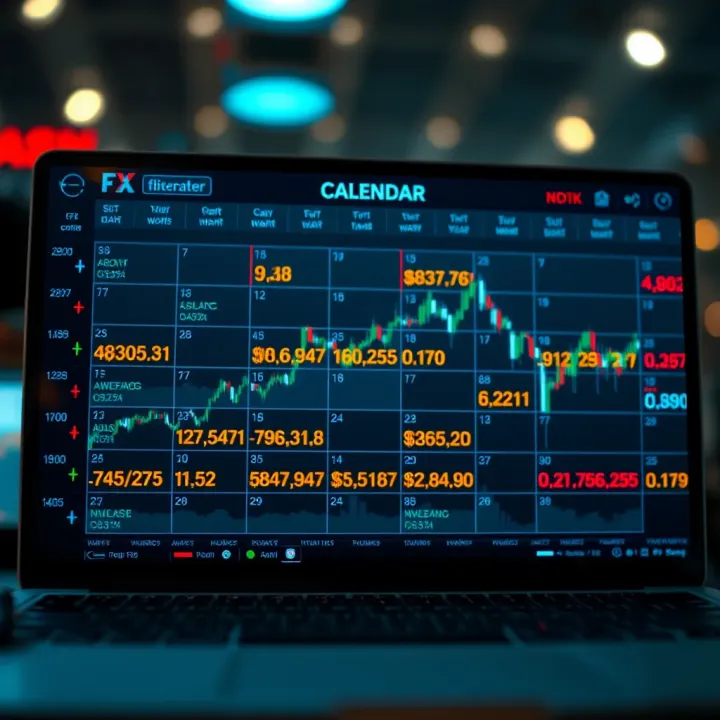
Calendars often classify events by importance—high, medium, or low—based on their expected market influence. High-impact events tend to cause sharp currency moves, while low-impact ones may have a muted effect. For Nigerian traders, focusing on high and medium-level events like CBN policy meetings or US nonfarm payroll reports is sensible, as these have historically triggered significant naira volatility.
Using an FX economic calendar can transform your trading by offering a clear heads-up on what’s coming, allowing you to prepare and reduce guesswork amid a noisy and fast-moving forex market.
In summary, understanding the structure and purpose of the FX economic calendar is one step closer to trading smarter in Nigeria’s forex market. It helps you track key economic events, learn their expected impact, and manage risk effectively with timely knowledge.
Economic indicators are at the heart of the FX economic calendar. Knowing these numbers helps Nigerian traders anticipate how currencies might move, especially the naira, which reacts swiftly to global and local data changes. Let’s break down the main indicators and why they matter.
GDP reports spell out the overall economic health of a country by measuring the value of goods and services produced over a period. For forex traders, a strong GDP number usually signals a growing economy, which can attract foreign investment and strengthen the currency. For example, if the US reports a better-than-expected GDP growth, the dollar might gain strength against the naira, impacting Nigerian importers and exporters. Watching GDP helps you know if your trading pairs might swing based on broad economic momentum.
Inflation data, often captured through the Consumer Price Index (CPI), shows how much prices of everyday items like food and fuel are rising. High inflation generally weakens a currency, prompting central banks to adjust interest rates to keep prices stable. In Nigeria, inflation spikes can cause the naira to lose value, increasing the cost of goods imported in dollars. When inflation numbers come out, traders react quickly because these figures hint whether the Central Bank of Nigeria (CBN) might raise or lower rates soon.
Numbers about employment gauge the strength of the labour market. High employment rates typically support stronger currencies as they indicate economic growth and consumer spending power. Conversely, rising unemployment presents risks of economic slowdown. Take the US non-farm payroll report: it is one of the most-watched indicators worldwide and often moves USD pairs. Nigerian traders should watch these figures to gauge how local currency pairs like NGN/USD might fluctuate.
Central banks set interest rates as a primary tool to control inflation and stimulate or cool down their economies. Rate hikes tend to attract foreign capital, boosting the currency’s value, while cuts might weaken it. The decisions by the CBN or the Federal Reserve (Fed) in the US, for example, can cause big swings in FX markets. Traders must pay close attention to these announcements and any accompanying statements because the tone often hints at future monetary policy moves.
Keeping an eye on these indicators allows you to plan when to enter or exit trades and helps manage risks in Nigeria’s often volatile forex market.
GDP reports indicate overall economic growth and impact currency strength.
Inflation/CPI levels influence expectations of interest rate changes.
Employment data reflects economic health and influences currency demand.
Central bank interest rate decisions cause immediate market reactions.
By understanding these indicators, Nigerian traders can better anticipate currency moves and strategise trades effectively.
The FX economic calendar is vital for Nigerian traders because it offers a clear picture of events that influence currency movements, especially the naira's value. Nigerian forex markets respond not just to local developments but to global economic events as well. Understanding when these events occur allows traders to anticipate volatility and position themselves wisely, avoiding unnecessary losses.
Global events heavily affect the naira due to Nigeria’s reliance on foreign trade, oil exports, and international investor sentiment. For example, when the US Federal Reserve announces interest rate changes, it often triggers shifts in dollar strength. Since the naira trades against the dollar, such announcements can cause abrupt fluctuations. Similarly, geopolitical tensions affecting oil prices have a direct impact on Nigeria’s revenue and therefore the naira’s resilience. Traders keeping an eye on global economic releases—such as US unemployment rates or Eurozone inflation—can better predict naira movements.
Using the economic calendar, Nigerian traders can avoid rushing into trades before or after major announcements, which often lead to drastic price swings. For instance, the Central Bank of Nigeria’s (CBN) decisions on monetary policy are critical moments that can shift market sentiment. By scheduling trades around these times, traders can reduce exposure to unexpected volatility or capitalise on clear trends after data release. Moreover, knowing scheduled releases across global markets helps in planning trades during times of liquidity, when spreads are tighter.
The FX market, especially for the naira, is notoriously volatile due to factors like political instability, fuel scarcity, and shifting government policies. The economic calendar is a tool to manage this risk, by forewarning traders about potential market-moving events. For example, during periods of significant macroeconomic announcements, traders may tighten stop losses or scale down positions to protect capital. Risk management also involves blending calendar insights with technical analysis, creating a comprehensive strategy that accounts for both price action and fundamental forces.
Paying attention to the FX economic calendar doesn’t just help you predict market moves; it helps you stay one step ahead — reducing losses and boosting your chances of success in Nigeria’s fast-changing forex landscape.
Understanding the interplay between global events and local realities through the economic calendar allows traders to make informed decisions instead of relying on guesswork. It’s more than a schedule; it’s a vital guide that keeps traders alert, responsive, and prepared for anything the market throws their way.
Using the FX economic calendar effectively requires more than just knowing the dates of economic events. For Nigerian traders, it means learning to filter through the noise and focus on data that can impact currency movements, especially the naira. This section breaks down how to choose reliable platforms, interpret event relevance, and weave calendar insights into your trading strategies.
Not all economic calendars are created equal. Traders should look for platforms that update data promptly and offer clear indicators of event importance. Popular sources like Investing.com and Forexfactory have user-friendly calendars, but ensure they cover Nigeria-relevant events or provide global data affecting the naira. Banks like GTBank and Access Bank sometimes offer market insights that include economic events. Always cross-check data for accuracy because a wrong time or figure can lead to missed trading opportunities or unexpected risks.
Economic events come with different weightings—some shake the market, others barely move a needle. Central Bank of Nigeria (CBN) policy announcements or Federal Reserve rate decisions, for instance, typically cause significant currency swings. Meanwhile, less critical releases like minor trade balance updates might be less impactful. Traders should look out for the event’s “importance level” often colour-coded (red for high, orange for medium, yellow for low) on calendars. Beyond labels, consider market expectations and previous data—if inflation numbers come out higher than expected, the naira could weaken further, while positive GDP growth might boost it.
Successful trading relies on distinguishing between noise and signals; treat major announcements with caution but don't overreact to every headline.
A practical approach is to plan trades around key calendar events. For example, if the CBN is scheduled to release its monetary policy statement, consider reducing open positions or tightening stop-loss orders to manage volatility. Conversely, traders could exploit predictable volatility spikes by entering short-term trades during these windows using technical tools like RSI or moving averages for confirmation.
Also, keep an eye on the timing of events relative to Nigerian market hours. Since many are based on GMT or US time zones, converting event times accurately helps avoid confusion. Using calendar alerts on your phone or trading apps ensures you stay updated.
Incorporate fundamental insights from the calendar alongside technical analysis. For instance, if inflation data is worsening but technical charts show oversold conditions for USD/NGN, you might wait for confirmation before trading.
By combining real-time data from a reliable FX economic calendar with sharp analysis and a disciplined strategy, Nigerian traders can sharpen their edge and better navigate the often volatile currency markets.
Understanding how to use the FX economic calendar correctly is vital for Nigerian traders keen on making smart and timely decisions. Still, many fall into avoidable traps that hurt their trading outcomes. Let’s look at three common mistakes and how to steer clear of them.
Traders often react to every single announcement on the economic calendar as if it’s a headline news story that demands instant action. However, not all events have the same impact on the currency markets. For example, a routine release of UK manufacturing data may not move the naira pairs significantly, especially when compared to Nigeria’s own inflation or the Central Bank of Nigeria’s (CBN) monetary policy meetings.
Reacting too quickly to every item floods your trading decisions with noise and can result in unnecessary losses. Instead, focus on high-impact events marked clearly in your calendar and watch for markets’ pre-event trends. Staying calm and analysing the broader context prevents slipping into impulsive trades.
The FX calendar covers global economic indicators, but Nigerian traders benefit most when they combine this with local realities. Factors like Nigeria’s political climate, oil production reports, FX supply from NNPC, and CBN’s FX intervention policies often influence the Naira more directly than some foreign data.
For instance, during periods of low oil prices, the CBN might tighten FX supply, causing sudden naira volatility that global data won't predict. Neglecting these Nigerian specifics risks misjudging market movement and missing the full picture. Successful traders keep a close eye on local news and policy updates alongside the economic calendar.
Relying strictly on the economic calendar without technical analysis is like driving blindfolded with clear road signs. Calendar data tells you when events occur, but you still need charts and price patterns to decide where the price might head.
A good example is watching a key interest rate announcement. While the FX calendar sets the timing, combining that with support and resistance levels or moving averages on charts helps you choose entry and exit points more precisely. Nigerian traders who blend both approaches consistently have better control over their risk and reward.
Avoid these common pitfalls by focusing on relevant events, fitting in Nigeria-specific news, and using technical tools alongside the calendar. This balanced approach can sharpen your trading edge and help protect your ₦ investments.
In summary, treating the FX economic calendar as a guide rather than gospel and combining it with local insight and technical analysis gives Nigerian traders a much better shot at success.
Discover how forex trading works, key risks, and practical steps for Nigerian traders to profit from currency exchange rates in the dynamic ₦ market 🌍💱
🔍 Learn how to trade binary options safely in Nigeria 🇳🇬. Understand benefits, risks, and Nigerian regulations before investing your ₦. Get practical tips now!
📅 Learn how Nigeria traders can use the forex economic calendar to track key data like interest rates and GDP, getting ahead in trading with smart, informed decisions.
📈 Explore key forex indicators popular among Nigerian traders, learn their pros and cons, and get tips to use them effectively for better trading decisions.
Based on 10 reviews