
Top Forex Trading Strategies for Nigerian Traders
📈 Explore smart Forex trading strategies tailored for Nigeria 🇳🇬. Learn essential tools, risk management, market analysis & avoid common trader mistakes.
Edited By
Oliver Reed
The forex economic calendar is more than just a schedule of events—it’s a key instrument for traders, investors, and analysts who want to time their moves with the rhythm of the global markets. For Nigerian traders, understanding this calendar means having the edge to predict market shifts triggered by critical economic data.
Economic calendars list dates and times for significant announcements such as interest rate decisions, inflation figures, employment reports, and gross domestic product (GDP) updates. These releases often spark immediate reactions across forex pairs involving major currencies like the US dollar, euro, or pound. For example, when the Federal Reserve announces a change in interest rate policy, pairs like USD/NGN or USD/EUR typically see heightened volatility.
Being aware of these scheduled releases helps Nigerian traders avoid getting caught on the wrong side of market movements. It also enables smarter entries and exits by anticipating price swings.
Key economic indicators you’ll find on these calendars include:
Interest Rate Decisions: Central banks like the Federal Reserve (US), European Central Bank, and Bank of England set rates that influence currency strength.
GDP Reports: Measure economic growth and indicate overall health.
Inflation Data: Such as Consumer Price Index (CPI), showing the cost of living changes.
Employment Figures: Like the US Non-Farm Payrolls, which affect confidence and spending.
Each indicator impacts forex markets differently. Rising inflation may force a central bank to increase rates, boosting that country’s currency. Conversely, disappointing GDP growth can weaken investor sentiment.
For Nigerian traders, integrating the forex economic calendar with local market conditions is valuable. For instance, during Nigeria’s own inflation announcements or Central Bank of Nigeria (CBN) policy meetings, the Naira's volatility may spike. Combining global and local data offers a fuller trading picture.
Using the economic calendar effectively means tracking time zones, understanding data importance, and recognising that some releases cause short bursts of volatility while others have longer-term effects. Setting alerts for key events can keep you ahead.
Ultimately, the forex economic calendar is a practical guide that transforms trading from guesswork into informed decision-making. Nigerian market players who take time to learn its patterns stand to make better trades and reduce unnecessary risks.
The forex economic calendar lists key economic events that affect currency markets worldwide. Understanding what this calendar shows helps traders anticipate market movements, manage risks, and plan their trades effectively. For example, if Nigeria’s Central Bank announces a change in interest rates, the naira can react sharply. Being aware of such scheduled events allows you to adjust trading strategies accordingly.
Interest rate decisions by central banks like the Central Bank of Nigeria (CBN) or the US Federal Reserve have a direct impact on currency values. When rates rise, currencies tend to strengthen because higher rates offer better returns to investors. Traders watch these announcements closely because unexpected changes can cause sharp price swings. For instance, a higher-than-expected rate in the US may strengthen the dollar against the naira.
GDP reflects a country's economic health by measuring the total value of goods and services produced. Positive GDP growth tends to boost investor confidence, often strengthening the national currency. Nigerian traders can observe how GDP reports from major trading partners like the US, China, or the Eurozone influence forex pairs involving the naira.
Inflation figures, especially the CPI, indicate the rate at which prices for goods and services rise. High inflation usually leads central banks to consider increasing interest rates to control it, impacting currencies. For example, rising inflation in Nigeria can erode the naira's value, making this data point crucial for forex decisions.
Employment data such as non-farm payrolls from the US or Nigerian unemployment rates indicate economic strength. Higher employment often implies stronger economic activity, potentially strengthening the currency. Forex traders monitor these statistics to gauge labour market conditions and adjust positions, especially around release dates.
Trade balances show the difference between exports and imports. A surplus means more exports than imports, often supporting the currency. Nigeria’s economy depends heavily on oil exports, so shifts in trade data can influence the naira’s forex value. Watching this data helps traders predict currency trends linked to global trade flows.
Economic data is usually published at set times, often during market hours of the reporting country. Knowing the exact schedule enables traders to prepare for potential market reactions. For instance, US economic releases typically happen at 8:30 am or 10:00 am Eastern Time, translating to afternoon or evening in Nigeria (WAT). Timing trades around these windows reduces surprises.
Forex markets price in expectations ahead of data releases. When actual figures differ from forecasts, volatility soon follows. Say the inflation rate in the US comes in higher than expected; the dollar might rally sharply. Therefore, traders should monitor consensus forecasts and react to deviations rather than the data alone.
Major economic events create bursts of volatility that can be risky but offer trading opportunities. Spikes in price movement may last minutes or hours. Nigerian forex traders must manage exposure carefully during interest rate announcements or employment data releases, possibly using smaller positions or waiting for price stabilisation before entering trades.
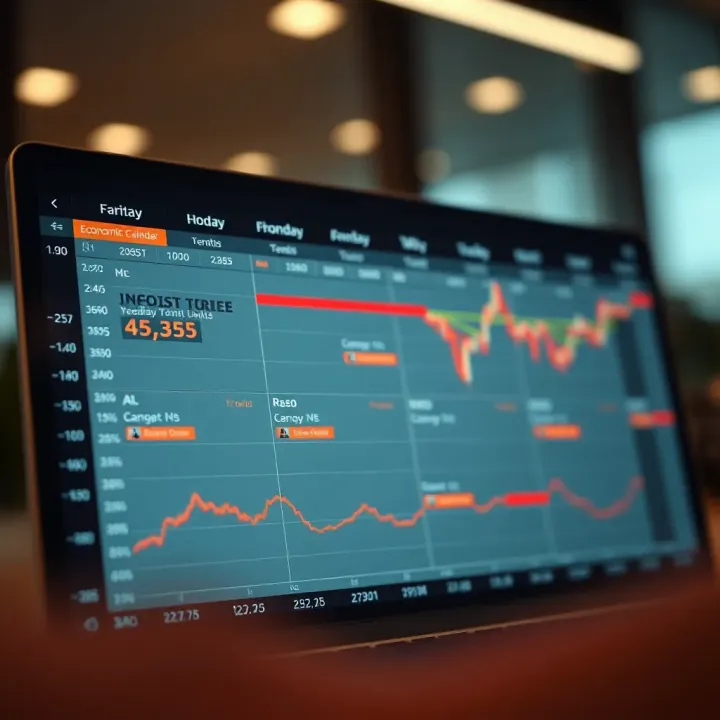
Knowing the types of events and their timing empowers traders to make smarter decisions and avoid getting caught off guard by sudden market swings.
This clear understanding forms the backbone for using the forex economic calendar effectively in the Nigerian trading context. It not only improves timing but sharpens risk management.
Nigerian forex traders must pay close attention to the economic calendar because global events significantly influence the value of the Nigerian Naira (₦). Knowing when important data releases and announcements occur lets traders anticipate market shifts and adjust their strategies accordingly. For example, a surprise interest rate decision by the United States Federal Reserve can trigger swift movements in the US Dollar, which in turn affects the Naira's exchange rate.
The US Dollar plays a dominant role in Nigeria’s forex market because many transactions, including oil sales, are priced in dollars. When the Federal Reserve adjusts interest rates or signals policy changes, it often leads to a stronger or weaker dollar. Nigerian traders watching these shifts can predict when the Naira might depreciate or appreciate against the dollar. Simultaneously, the Central Bank of Nigeria (CBN) responds through its monetary policy, often adjusting interest rates or foreign exchange rules to stabilise the Naira.
For instance, during periods when the CBN restricts dollar sales to banks, the official exchange rate may differ widely from the parallel market, creating arbitrage opportunities and risks. By following scheduled CBN policy announcements on the economic calendar, traders can avoid getting caught in unexpected volatility caused by regulatory changes.
Nigeria’s economy relies heavily on oil exports, so fluctuations in global commodity prices directly impact the Naira’s strength. When oil prices dip sharply, government revenues shrink, leading to tighter foreign currency supply and possible naira weakness. On the other hand, a rise in oil prices tends to boost the local currency.
Traders who track major commodity reports and related economic data—for example, OPEC production announcements or global crude inventories—can better time their forex trades. Knowledge of these events helps avoid sudden market swings, especially given Nigeria’s dependence on oil for foreign exchange inflows.
Economic releases often trigger spikes in market volatility. Nigerian traders must manage risks by reducing trade sizes or avoiding new positions just before significant announcements. Sudden price swings following data releases can wipe out gains or force stop-loss hits if not managed carefully.
For example, employment or inflation figures from the US or China often cause rapid adjustments in forex markets. Knowing the exact timing allows traders to step back or hedge positions, rather than being vulnerable to sharp, unpredictable moves. This risk management technique protects capital and enhances long-term trading sustainability.
Using the economic calendar helps traders plan optimal entry and exit points around market-moving events. For instance, if inflation data is due and expectations point to a rate hike by the CBN or Federal Reserve, traders might position themselves early to benefit from anticipated currency strength.
Clear knowledge of data release schedules also supports setting stop-loss and take-profit levels intelligently. Timing trades right after confirmed outcomes can reduce exposure to false market reactions. Trading with this kind of foresight improves the chance of profitable trades and avoids chasing the market blindly.
Following the economic calendar transforms trading from guesswork to strategy, especially in Nigeria’s complex forex environment influenced by both local policies and global forces.
Understanding how to read an economic calendar is key for traders who want to react smartly to market movements. The calendar lists scheduled economic events and data releases that influence currency prices worldwide. Learning to interpret its details helps you separate important information from background noise, so you focus your trading decisions on what really matters. For instance, in Nigeria, following US Federal Reserve interest rate announcements alongside CBN policies can guide when to buy or sell the naira.
Traders need to distinguish between high-impact and low-impact events. High-impact events include major announcements like central bank interest rate decisions, inflation data, or GDP reports from leading economies such as the US or China. These events often provoke sharp currency swings and greater volatility. For example, when the US releases its Non-Farm Payrolls (NFP) report, this can move the naira-dollar rate significantly because of Nigeria’s dollar exposure.
On the other hand, low-impact events usually relate to minor economic indicators or local reports that cause limited market reaction. While they might not directly affect major currencies, understanding these low-impact events prevents unnecessary trades on noise that can erode capital.
Economic calendars often use colour coding and symbols to represent impact levels and event types. Typically, red indicates high-impact, orange signals medium-impact, and yellow marks low-impact events. Traders quickly spot red alerts to prepare for potential volatility. Symbols may also differentiate whether the event is a rate decision, employment data, or trade figures, helping you scan efficiently and prioritise what matches your trading strategy.
Comparing expected figures to actual outcomes is critical. Before each release, analysts publish forecasts based on previous data and economic trends. When the actual data deviates significantly—say Nigeria’s inflation rate comes higher than expected—this surprises the market and triggers rapid price shifts. Tracking these divergences gives clues about market sentiment and the strength of economic conditions.
Additionally, using historical trends for forecasting improves your trading edge. By examining how currencies have responded to similar past events, you can anticipate probable price reactions. For example, if previous Nigerian trade balance releases led to naira volatility, you might avoid opening large positions just before the next scheduled report. A well-recorded history supports better timing of entry or exit points, rather than guessing blindly.
Reading economic calendars isn’t just about knowing what happens, but understanding how and why markets react. This skill helps Nigerian forex traders manage risks, exploit opportunities, and position their trades for better returns.
In sum, grasping event importance, decoding calendar signals, and analysing past versus expected data are practical steps that put you ahead in the forex game. Keep a keen eye on the calendar and back your trades with solid interpretation—it’s a powerful way to trade smarter, not harder.
Having reliable tools to check the forex economic calendar is essential for traders who want to make informed decisions. These tools organise and display key data releases clearly, helping you spot opportunities and risks ahead of time. Not only do they save you the hassle of searching multiple sources, but they also offer features like real-time updates, filtering by country, and alerts for major economic events.
TradingView stands out as a comprehensive platform where traders can find an interactive forex economic calendar alongside advanced charting tools. Its calendar lists events with details like previous figures, consensus forecasts, and actual results. The colour-coded impact levels make it easy to prioritise which data to focus on, while its integration with charts lets you see market reactions in real time. For a Nigerian trader, TradingView’s global coverage allows tracking of events from the US, Europe, and emerging markets, giving a broad view needed for sound trading strategies.
Investing.com is another commonly used resource that provides a free, user-friendly forex economic calendar. Its strength lies in extensive global data coverage and the ability to filter events by country or impact. Nigerian traders benefit from Investing.com’s clear presentation and mobile app, which sends push notifications for sudden updates or surprises, especially handy during volatile periods like interest rate announcements or inflation reports. This responsiveness helps traders avoid unexpected losses or jump in early on opportunities.
Forex Factory focuses primarily on the forex market with a clean, minimal interface for its economic calendar. Its widely respected format displays events with local times adjusted to the user’s timezone, which is important for Nigerian traders working in West Africa Time (WAT). Forex Factory’s forum and community features also allow you to see market sentiment and analyses from other traders worldwide, adding a qualitative layer to your calendar data and helping with more grounded decision-making.
Localised Economic Data Coverage is a vital feature on Nigerian forex platforms. These platforms curate economic reports specific to Nigeria and other African nations, including Central Bank of Nigeria (CBN) policy decisions, inflation rates, and import/export announcements. This focus helps Nigerian traders gauge how local factors affect the naira and the performance of Nigerian stocks and bonds amid global market shifts.
Integration with Nigerian Market Alerts enhances the practical use of economic calendars. Many Nigerian apps and platforms now combine forex calendar updates with real-time alerts for the domestic market—such as NSE trading hours, fuel price caravan announcements, and government policy changes affecting sectors like telecom and agriculture. This integration keeps traders constantly informed within one app, allowing better planning of entry and exit points, especially during the ember months when market activities pick up sharply.
Using the right tools not only saves time but also improves your chance of navigating volatile forex markets confidently. Pick resources that suit your trading style and local context for the best results.
Having access to both global and local calendar tools equips Nigerian traders to respond meaningfully to market developments, manage risks well, and exploit emerging trends effectively.
Many traders often underestimate the risks of misusing the forex economic calendar, which can lead to losses especially during volatile periods. To secure consistent profits, it’s essential to understand common pitfalls, such as overtrading before big news and ignoring time zone differences. Avoiding these errors helps you make smarter, more disciplined decisions rather than rushing into trades based on emotion or poor timing.
The hype around major economic announcements like Central Bank of Nigeria (CBN) interest rate decisions or US non-farm payroll reports can push traders into emotional buying or selling. When the calendar flags an important event, the temptation to open multiple positions is strong. However, acting on impulse rather than analysis often causes losses. For example, a trader might enter too many positions right before the Nigerian inflation rate release hoping to catch a sudden naira surge, only to be blindsided by unpredictable market reactions.
Resisting this urge means sticking to a clear trading plan and ensuring every trade has a solid rationale beyond just the calendar alert. Emotional decisions tend to ignore risk management, increasing exposure unnecessarily.
After a major release, the market may swing wildly in both directions. Jumping at the first immediate reaction is risky. Instead, smart traders wait for market confirmation—such as follow-up price action or volume trends—before committing to trades. For instance, if the GDP figures come out better than expected but the naira’s movement is unclear, waiting to see if the currency stabilises above or below key support levels can prevent losses.
Confirmation helps verify if the market truly endorses the news or if it’s just an initial knee-jerk response. This reduces the chance of entering on false signals, especially in twitchy forex markets.
Forex economic calendars typically display event times in GMT or New York time, which can confuse traders in Nigeria unless properly converted. Nigeria operates on West Africa Time (WAT), which is GMT+1. Without adjustment, you might miss the exact moment data is released.
For example, an important US Federal Reserve announcement scheduled for 2:00 pm GMT corresponds to 3:00 pm WAT. Traders who do not account for this difference may open or close positions too early or late, missing the optimal window for trading opportunities. Always check the calendar timing against WAT and set reminders to catch releases on time.
Several critical releases occur outside Nigerian trading hours, often overnight. US and Asian market events like Chinese Manufacturing PMI or US durable goods orders might drop when Nigerian markets are closed or illiquid. Ignoring this leads to surprise price gaps or unexpected market moves next trading day.
Planning ahead involves reviewing the economic calendar the evening before and deciding if to adjust or close positions. A trader aware of an overnight US jobs report due at 8:30 pm WAT might decide to reduce exposure earlier, preventing losses caused by overnight volatility.
Understanding these common mistakes and applying practical measures around emotional control, confirmation, and accurate timing can greatly improve your success when using the forex economic calendar in your Nigerian trading.
By avoiding these key errors, you position yourself to trade forex more strategically and reduce unnecessary risks tied to economic announcements.
📈 Explore smart Forex trading strategies tailored for Nigeria 🇳🇬. Learn essential tools, risk management, market analysis & avoid common trader mistakes.

🤖Explore how to pick the best forex trading robot for your style. Learn key features, risk tips, and top platforms trusted by Nigerian traders.💡

Explore top forex trading tips and strategies tailored for Nigerian traders 🇳🇬. Learn to choose platforms, manage risks, and understand market rules for better results 💹.

Explore practical forex trading strategies tailored for Nigerian traders 🇳🇬. Learn essential principles, proven techniques, and risk management tips to boost your trading skills 📈.
Based on 13 reviews