
Understanding Binary: Basics and Practical Uses
Discover the meaning of binary and its key role in computing and gadgets you use daily. Learn how it works, conversion tricks, and why it’s vital in Nigeria’s tech space 🤖💻⚙️.
Edited By
Ethan Reed
Binary pictures are images made up of just two colours, usually black and white. Each pixel in such images holds one of these two values, making the data light and easy to process. This simplicity allows binary pictures to excel in many practical uses, especially in computing and image processing sectors relevant to Nigeria's growing tech landscape.
The way binary pictures work differs from full-colour or greyscale images. Instead of millions of colours and shades, they rely solely on black and white to convey information. For example, scanned documents often use binary images to capture text clearly without including unnecessary details such as background textures or colour nuances. This reduces file size significantly.
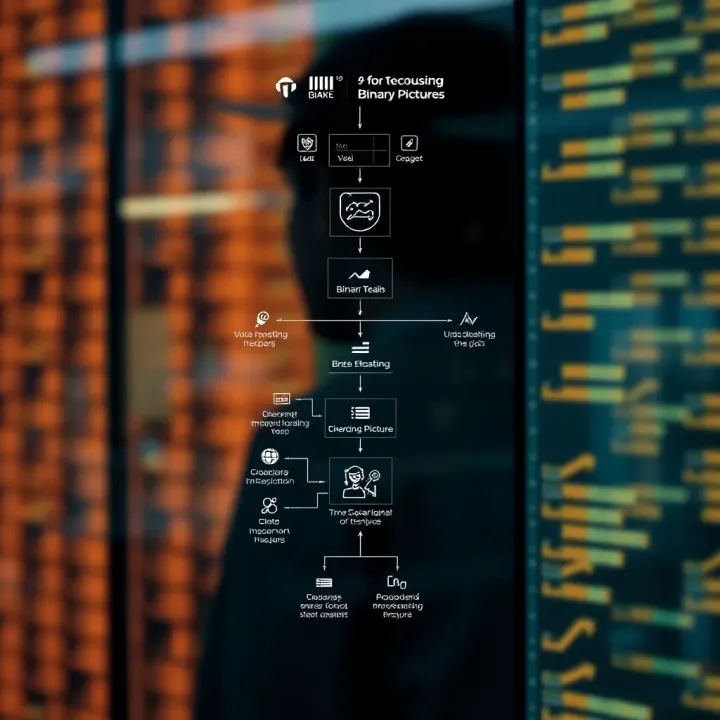
In Nigeria, binary images find use in several areas, including document verification during bank transactions, electronic voting systems, and digital security applications where identifying clear shapes or patterns is crucial. It helps financial institutions quickly process cheques or ID cards by focusing on high-contrast details.
Creating binary pictures typically involves a process called thresholding. This technique converts a coloured or greyscale image to black and white by setting a cutoff value: pixels lighter than the threshold become white, and the darker ones turn black. Nigerian developers working with platforms like OpenCV or even local fintech firms building document scanners often adjust threshold levels to cope with lighting variations common in Nigerian environments.
Handling binary images presents some challenges too. For instance, if the threshold setting is off, important details can be lost or noise might appear, affecting recognition accuracy. This is a concern during biometric registrations, such as capturing fingerprints with devices in states like Lagos or Kano.
To manage this, various techniques such as morphological operations are applied. These help remove small distortions and fill gaps in images, making the data cleaner and easier to analyse. Software tools popular in Nigeria’s tech hubs, including Python libraries or MATLAB, support these methods.
Binary pictures balance simplicity and functionality, enabling fast data processing with minimal storage — a big advantage where tech infrastructure resources can be limited or costly.
Understanding how binary pictures work and their role in Nigeria’s digital economy equips traders, analysts, and educators with practical knowledge to leverage these tools effectively. From fintech verification to e-government services, this fundamental image type remains a foundation for numerous digital solutions.
Binary pictures hold a special place in digital imaging because they represent visuals using only two distinct colours, typically black and white. This binary nature makes them highly effective for clear-cut tasks like document scanning, barcode reading, and basic image analysis. Understanding how these images work and are created is essential for investors, traders, and educators who deal with digital platforms or image-based data in their line of work.
At its core, a binary picture is a simplified image composed of just two tones: black and white. This reduction strips away colours and shades, focusing solely on the presence or absence of an object or information. For example, in digitised contracts or scanned IDs commonly used in Nigerian banks, the binary image highlights crucial details, enabling quick reading by optical character recognition (OCR) systems.
The practical appeal lies in how straightforward it is for machines to interpret binary pictures compared to colour or greyscale images. Since there are only two pixel states, processing becomes faster and more accurate, which is vital in high-volume business environments like Nigerian financial institutions.
Every binary image consists of pixels assigned one of two values—usually zero or one, black or white. These represent either background or foreground, respectively. The choice is contextual; in cheque processing, for example, inked characters might be white pixels against a black background or vice versa.
This binary setting means pixels serve as clear indicators, simplifying pattern recognition and data extraction. Nigerian fintech firms leverage this principle by designing apps that quickly identify customer signatures or handwriting on forms captured with smartphone cameras.
One common approach to creating a binary picture involves thresholding, where a greyscale or colour image is converted by selecting a cutoff value. Pixels brighter than this threshold become white, while those darker turn black. This method effectively singles out objects of interest, such as text from a printed page or a vehicle number plate in surveillance images.
For instance, a digital lending company in Lagos might scan customers' utility bills and apply adaptive thresholding to accommodate varying lighting conditions during photo capture. This ensures that the critical text stands out clearly for verification processes.
In Nigeria, where many businesses still rely on manual document handling, manual thresholding or black-and-white transformations are common. However, automated solutions are rapidly gaining ground—especially with fintech startups integrating machine learning models.
These automated systems adjust thresholds in response to different inputs without human intervention. In Lagos markets, kiosks using smartphone cameras can now instantly convert images to binary to verify product authenticity or customer identities, speeding up transactions.

The focus on creating high-quality binary pictures, whether manually or automatically, directly impacts the efficiency and accuracy of image-dependent services in Nigeria’s growing digital economy.
Overall, knowing how binary pictures are defined and formed equips professionals with the tools to leverage them in practical ways—from automating paperwork to building more reliable digital platforms.
Binary pictures play a vital role across various industries by simplifying complex images into black and white formats. This reduction makes them easier to process, analyse, and use in automated systems. For businesses in Nigeria and beyond, binary images enable faster data extraction and improved accuracy in tasks like document digitisation and barcode reading. Their usage cuts across sectors such as fintech, retail, transportation, and public administration, making them indispensable in today’s technology-driven environment.
Digitising printed documents is a routine yet crucial task for many Nigerian enterprises, government agencies, and educational institutions. Using binary pictures, OCR systems convert physical text into machine-readable formats, allowing businesses to store and retrieve data digitally. For instance, banks use OCR to process customer forms and identity documents efficiently, reducing manual input errors and speeding up customer service.
However, OCR accuracy depends largely on image quality and clear segmentation of text from the background, which binary pictures facilitate by highlighting key contrasts. Low-resolution scans or poor lighting can cause misreadings, especially with handwritten or degraded texts common in archival records. To address these challenges, Nigerian companies often combine binary image processing with noise reduction techniques and adaptive thresholding, which adjust the image threshold dynamically to improve character recognition accuracy.
Binary images form the backbone of barcode and QR code scanning technologies. These codes consist of black and white patterns that encode information uniquely, which scanners translate quickly thanks to binary image processing. Simplifying these codes into two-tone visuals allows scanners to distinguish data modules precisely, facilitating rapid and error-free decoding.
In Nigeria, barcodes and QR codes have become staples in retail and transport sectors. Supermarkets and malls widely adopt barcode scanning for inventory tracking and checkout processes, reducing long queues and human error. Transportation services, including Lagos’s BRT system and ride-hailing platforms like Bolt and Uber Nigeria, use QR codes for ticketing and payment, making transactions faster and safer. The efficiency of binary picture processing in these settings supports seamless customer experiences and operational reliability.
The efficiency of binary images in simplifying complex visuals enables Nigerian businesses to automate and streamline critical operations, from document management to payment systems, saving both time and costs.
By understanding these common applications, traders, investors, and analysts can better appreciate how binary pictures underpin much of the digital infrastructure powering Nigeria’s economic activities today.
Processing and analysing binary pictures are central to extracting useful information from images composed solely of black and white pixels. These techniques allow you to clean up images, highlight critical features, and simplify complex shapes for better interpretation. In Nigerian industries such as security camera monitoring or document digitisation, these methods help improve accuracy and efficiency.
Morphological operations like dilation and erosion change the structure of binary images to enhance their quality. Dilation adds pixels to the edges of objects, making them appear larger, while erosion removes pixels from the edges, effectively shrinking the objects. These simple yet powerful tools adjust shapes to fill gaps or separate close objects, which is especially useful when scanning smudged documents or partially obscured road signs.
Using these operations, you can reduce noise caused by poor image capture, a common issue in Nigerian environments with inconsistent lighting or dusty lenses. For example, erosion removes isolated white pixels (noise) in areas expected to be black, while dilation fills small holes in objects, improving shape continuity. This way, morphological operations make shapes clearer for automated systems or human analysts.
Edge detection identifies the borders where pixel colour changes, which in binary images usually mark the transition between black and white. Extracting these edges lays the groundwork for contour analysis, which traces these borders into meaningful shapes. These tools help reveal the outline of objects, letters, or codes in binary images.
In practice, this is vital for recognising patterns such as letters in Optical Character Recognition (OCR) or logos on packaging, particularly for Nigerian businesses digitising records or verifying products. Contour analysis assists systems in classifying these features correctly, even when images are noisy or partially damaged. This reduces errors and speeds up processing.
Efficient binary image processing techniques like morphological operations and edge detection improve the reliability of digital systems in Nigeria, from retail scanning to security.
In sum, mastering these techniques equips you to handle typical challenges in Nigerian digital imaging, ensuring clearer data for decision-making or automation. By applying dilation, erosion, and contour analysis, you can improve noise handling and feature extraction, raising the overall quality of binary image analysis.
Working with binary pictures comes with unique challenges that can affect the quality and usability of these images. Understanding these difficulties is essential, especially for traders, analysts, and educators who rely on crisp, accurate images in fields like document scanning or technical analyses. By tackling issues from image capture to noise correction, users can improve the practical value of binary images in Nigerian settings.
Low resolution can blur the clear-cut distinction binary images need between black and white pixels. This results in jagged edges or pixelation, making it hard to extract meaningful information—particularly when dealing with detailed texts or barcodes. Poor lighting, common in many Nigerian photo environments like informal markets or outdoor events, creates shadows or highlights that confuse binary conversion algorithms, leading to loss of important details.
For instance, a document scanned under dim light inside a Lagos office may show uneven contrasts, producing a binary image with muddled text edges. Likewise, an outdoor barcode scan under harsh sunlight might cause glare—distorting the binary output.
To counter this, use ample but diffused lighting to avoid harsh shadows or glare. Nigerian professionals often rely on simple DIY solutions, such as placing white sheets near the document to reflect light evenly. Choosing smartphone cameras with better sensors or using apps that automatically adjust brightness and focus can significantly improve image inputs.
When capturing images in unstable locations—say, a busy market—stabilise the device using available supports or steady hands. A quick tip is to disable the flash to prevent overexposed spots, which interfere with binary conversion. Regular checks of the image preview help spot problems early before processing.
Binary pictures often suffer from noise introduced during image capture or transmission. In Nigeria's environment, noise may arise from dust particles on camera lenses, low-quality scanning devices, or unstable internet connections causing corrupted uploads. Environmental factors like fluctuating power supply can cause camera malfunctions, leading to flickers or distorted images.
This noise manifests as random black or white specks, breaking the visual consistency and impacting processes like Optical Character Recognition (OCR). An example is a scanned contract with speckles that confuse automated text extraction tools, increasing manual correction workload.
Filtering techniques like median filtering and morphological operations (dilation and erosion) are effective in reducing noise. For Nigerian users, open-source tools such as ImageJ and GIMP offer these options without the need for costly software.
Besides software, pre-processing steps like cleaning the camera lens, ensuring steady capture, and optimal lighting reduce noise at the source. When noise is detected, applying filtering gradually rather than aggressively helps preserve essential features of the binary image.
Maintaining binary picture quality demands attention from capture to processing stages. Nigerian users benefit from practical, low-cost strategies that drastically improve the results without needing sophisticated equipment.
This approach not only enhances the utility of binary pictures in businesses and technology but also supports smoother workflows in Nigerian digital applications.
Working with binary pictures requires the right tools and technologies to ensure precise editing, analysis, and application. These tools allow users to convert, manipulate, and optimise black-and-white images with accuracy, which is especially valuable in sectors like fintech, document digitisation, and security. Understanding the options available, from open-source software to commercial solutions tailored for Nigerian users, helps professionals select what fits their needs best.
Open-source software such as GIMP and ImageJ offers powerful options for handling binary images without charging licensing fees. GIMP, widely used in Nigeria, supports binary image thresholding and advanced editing features. It’s ideal for fintech startups or educational institutions that need reliable tools but must keep costs low. ImageJ, on the other hand, is specifically designed for image analysis, providing capabilities like pixel counting and morphological operations that benefit research and tech development.
These platforms also allow plugin integrations, making it easy to extend functionalities depending on the project. Their large user communities provide helpful tutorials, which newcomers or analysts can rely on to improve workflows without starting from scratch.
For Nigerian businesses requiring more specialised support or integration with other enterprise systems, commercial software becomes necessary. Products like Adobe Photoshop and CorelDRAW offer robust binary picture editing tools with vast user-friendly interfaces and customer service. These programs smoothly manage large files and complex batch processing, which is crucial for companies digitising extensive document archives or working on brand imagery.
Besides international names, local Nigerian startups are increasingly producing software that understands our unique business and infrastructural context. This ensures that users get faster support and better customization suited to local needs, like accounting for lower internet speeds or irregular power supply.
In Nigeria's fintech space, startups are using binary picture processing to simplify identity verification and payment authentication. By analysing black-and-white scanned images of documents, these companies improve security without relying on heavy data usage or slow networks. For example, some startups integrate OCR within their binary processing pipeline to capture data from national ID cards or bank verification numbers (BVN), streamlining customer onboarding.
Moreover, mobile apps widely used across Nigeria are integrating binary picture techniques behind the scenes. Apps such as Kuda, OPay, and PalmPay employ these image processing methods to scan QR codes or verify documents quickly. This integration balances speed and accuracy, essential for users who may have intermittent internet or use mid-range smartphones.
Efficient binary image processing tools do not only reduce costs but also boost productivity — figuring prominently in Nigeria’s growing digital economy.
By leveraging both global software and local technological innovations, businesses and developers in Nigeria can harness binary picture techniques to create smarter, faster, and more accessible solutions tailored to real-world challenges.
Discover the meaning of binary and its key role in computing and gadgets you use daily. Learn how it works, conversion tricks, and why it’s vital in Nigeria’s tech space 🤖💻⚙️.

📊 Explore how binary format uses 0s and 1s to encode data, power computing systems, and enable file storage and programming in today’s tech world.

Explore how binary code forms the backbone of computing 🖥️, tracing its history and revealing how simple digits power complex data and tech today 🔢.
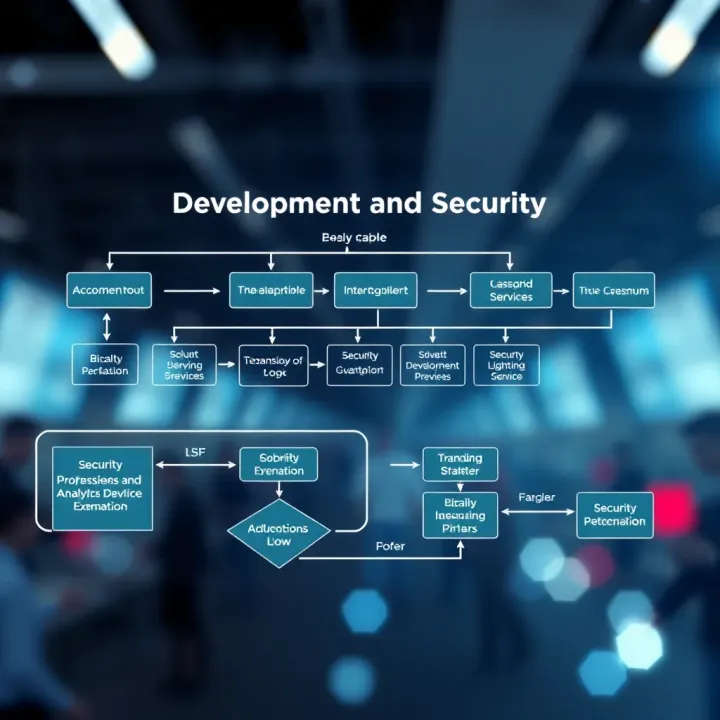
🔍 Understand binary apps: what they are, how they work, their file structure, uses, security, performance, development challenges, and handy tools 🛠️
Based on 9 reviews