

Understanding Binary Bots: How They Work
🤖 Explore how binary bots function in automated trading, their benefits, risks, and legal aspects. Get practical tips tailored for Nigerian traders. 📈
Edited By
Charlotte Green
Non-binary sexuality refers to sexual orientations that don't fit neatly into the traditional male-female, gay-straight categories. In Nigeria, where conversations around gender and sexuality are often limited, understanding this concept helps challenge stereotypes and promotes respect for diversity.
Non-binary identity itself describes gender experiences outside the male or female binary. This means someone identifying as non-binary may see their gender as fluid, multiple, or even absent. Importantly, non-binary gender doesn't automatically determine who a person is attracted to; their sexual orientation can vary widely.
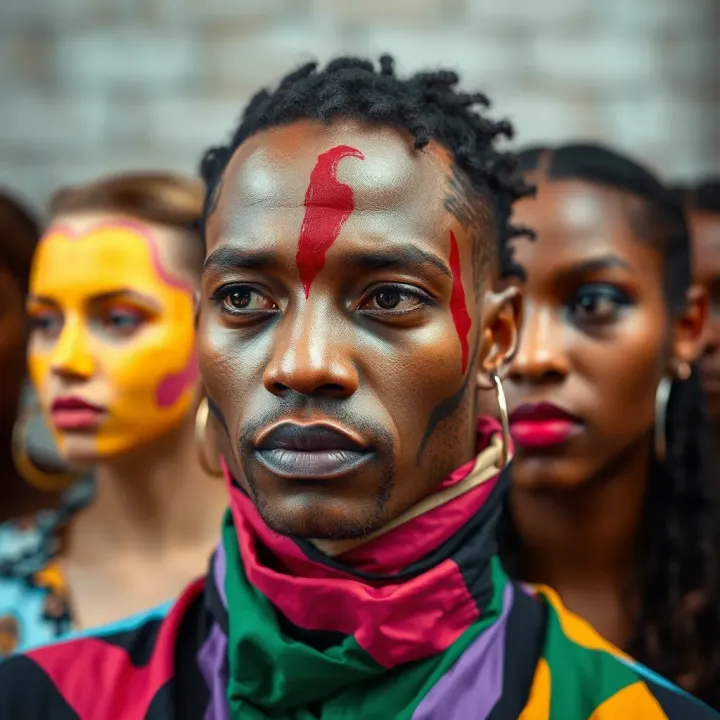
To clarify, sexual orientation describes who someone is romantically or sexually attracted to, while gender identity is about how someone personally experiences and expresses gender. For instance, a non-binary person might be attracted to men, women, other non-binary people, or across genders.
In Nigerian society, recognising non-binary sexuality means acknowledging a spectrum of experiences, not just fixed categories like heterosexual or homosexual. Many non-binary individuals report unique experiences:
Attraction that shifts over time or depending on personal circumstances
Preference for partners beyond traditional gender roles
Challenges in navigating social expectations tied to gender and sexuality
This diversity highlights the need for flexible, empathetic frameworks when discussing gender and sexuality. It also calls for more inclusive policies in workplaces, schools, and healthcare centres to accommodate non-binary identities and relationships.
Awareness of non-binary sexuality is a step towards creating a society where everyone can express themselves freely without fear or stigma.
For educators and analysts, understanding these distinctions is key to fostering respectful dialogues and accurate data collection. Traders and investors might find this knowledge useful for market research, targeting, and corporate social responsibility initiatives.
In summary, non-binary sexuality encompasses a range of orientations beyond the binary. Recognising this reality in Nigeria supports social inclusion and breaks harmful myths that limit people's freedom to live authentically.
Understanding what non-binary means in gender identity is central to grasping the broader conversation about sexual orientation and identity, especially in Nigeria's evolving social landscape. Non-binary challenges the traditional idea that gender is strictly male or female. This offers fresh perspectives and practical benefits such as creating more inclusive spaces in workplaces, schools, and communities, where individuals can express themselves freely without restrictive labels.
Gender goes beyond the simple binary of male and female. Many people experience their gender identity as fluid, falling outside these categories altogether. For example, some might identify as both male and female, neither, or something entirely unique to themselves. This understanding is practical because it helps dismantle rigid gender roles that often limit people’s opportunities and relationships.
In Nigeria, where gender roles have often been sharply defined by tradition, recognising non-binary identities means accepting that not everyone fits into conventional boxes. This shift can improve social interactions, reduce discrimination, and encourage mental well-being among those who do not conform to conventional gender categories.
Several terms help describe non-binary experiences. For instance, genderqueer refers to people who reject fixed gender categories. Genderfluid describes individuals whose gender shifts over time. Meanwhile, agender people feel they have no gender at all. Understanding these terms equips you to communicate respectfully and accurately about gender diversity.
Being familiar with such terms benefits educators, employers, and community leaders who aim to support inclusivity. For instance, a workplace that recognises the term 'genderfluid' might implement policies allowing flexible dress codes or pronoun usage, improving staff comfort and productivity.
Social recognition of non-binary identities remains limited in Nigeria. Many non-binary people face misunderstandings and prejudice in daily life. For example, accessing government documents like the National Identification Number (NIN) or banking services often requires selecting male or female, leaving non-binary individuals excluded.
This lack of recognition may lead to social isolation or exclusion from important opportunities, from education to employment. Addressing these challenges requires public education and policy reforms that accommodate diverse gender identities.
Nigerian culture is deeply rooted in binary gender expectations shaped by religion, tradition, and colonial history. Traditionally, roles are clearly divided between men and women, making it hard for non-binary identities to gain acceptance.
However, some Nigerian ethnic groups have recognised gender diversity historically, such as the dual-gender systems seen among certain Yoruba and Igbo communities. Understanding this cultural complexity helps challenge modern-day misconceptions and opens the door for increased acceptance based on indigenous practices rather than imported stigma.
Recognising non-binary gender identities involves moving beyond simple categories, understanding cultural nuances, and embracing diversity as part of Nigeria’s social fabric.
In summary, recognising what non-binary means in gender identity helps Nigerians appreciate the rich spectrum of gender experiences. This knowledge supports fairness, respect, and more accurate representation in all areas of society—from education to business and beyond.
Understanding the difference between non-binary identity and sexual orientation is essential for clarity in discussions about gender and sexuality. Many people confuse the two, but they describe separate aspects of a person’s experience. Sorting them out helps avoid misunderstandings that can impact relationships, social interaction, and rights advocacy.

Gender identity is about who you know yourself to be in terms of gender. For someone who is non-binary, this means their sense of self doesn’t fit neatly into 'male' or 'female' boxes. It’s an internal understanding of gender that can include a mix of both, neither, or something else entirely.
This self-recognition affects how a person presents themselves, the pronouns they prefer, and how they want to be acknowledged socially. For example, a non-binary person in Lagos might prefer gender-neutral pronouns or a name that reflects their identity rather than that assigned at birth. This is distinct from who they might be attracted to or want to have relationships with.
Sexual orientation describes who a person is attracted to emotionally, physically, or romantically. Categories like heterosexual, homosexual, bisexual, pansexual, asexual and others fall under this umbrella. It deals with preferences and feelings towards others, not with one's own gender identity.
For instance, a non-binary person could be attracted to women, men, both, neither, or people regardless of gender. Sexual orientation revolves around who someone desires or forms relationships with, while gender identity is about who they are.
There’s a misconception that identifying as non-binary must mean a particular sexual orientation. This is false and leads to rigid, inaccurate assumptions. Non-binary individuals can have any sexual orientation, just like those who identify as male or female.
Consider a non-binary trader in Abuja who is attracted to men—as a homosexual—or a non-binary educator attracted to multiple genders—pansexual. Their gender identity doesn’t define or limit this.
Mistaking gender identity for orientation oversimplifies complex personal experiences, sometimes leading to social exclusion or misunderstanding.
Stereotypes often portray non-binary people as confused or “in between” male and female, with corresponding assumptions that they are bisexual or sexually ambiguous. Such views ignore individual diversity and reinforce stigma.
Myths also claim non-binary identities are a trend or phase, which is not supported by lived realities and cultural studies—several Nigerian ethnic communities historically recognised more than two genders before colonial influence.
Recognising these myths helps promote respect and accurate representation, encouraging support systems rather than judgment. This clarity matters not just socially but also in healthcare, workplace policies, and legal frameworks affecting non-binary people’s lives.
Clear separation between gender identity and sexual orientation supports better communication and understanding, especially within Nigerian social and professional settings where these topics can still be sensitive. Knowing the distinction equips stakeholders—traders, educators, investors—to engage with gender diversity knowledgeably and respectfully.
Understanding the range of sexual orientations among non-binary people broadens awareness beyond traditional gender categories. Non-binary identity relates to one's gender experience, while sexual orientation concerns who a person is attracted to. Exploring these orientations clarifies how diverse and nuanced human attraction can be, which is particularly important in environments like Nigeria where mainstream conversations often blend or confuse these concepts.
Non-binary individuals can identify with any sexual orientation, including heterosexual, homosexual, bisexual, or pansexual. For instance, a non-binary person attracted exclusively to men might identify as homosexual; one attracted to both men and women could call themselves bisexual. Pansexuality, which means attraction regardless of gender, is also a common orientation among non-binary individuals because it reflects flexibility beyond fixed gender labels. Knowing this helps dispel the myth that non-binary identity dictates a specific sexual preference.
This understanding is crucial for Nigerian readers to appreciate that sexual and gender identities operate independently. It also encourages more respectful, specific conversations about identity rather than assumptions based on limited stereotypes.
Non-binary people also experience asexuality and greysexuality—terms less known in Nigerian context but growing in awareness. Asexuality refers to little or no sexual attraction toward others, while greysexuality falls between sexual and asexual orientations, where attraction is rare or situational.
Recognising these orientations within the non-binary community reveals the complexity of human desires and relationships. For example, a non-binary person who is asexual might prioritise emotional connection over physical intimacy. This knowledge helps communities and healthcare providers deliver more inclusive and sensitive support.
Dating as a non-binary person in Nigeria can present unique hurdles—social stigma, lack of understanding, or pressure to conform to binary gender roles. Yet, it also opens opportunities for honest communication and rejecting rigid dating norms. Many non-binary individuals seek partners willing to embrace fluid identities, fostering relationships built on mutual respect and learning.
The dating scene requires navigation of societal prejudice and personal boundaries. For example, a non-binary individual dating a heterosexual partner might face questions from their partner's family, or difficulties explaining their gender identity in social settings. Recognising this complexity enables communities to offer better support systems.
Clear communication is vital for non-binary people when disclosing their identity to partners. This includes discussing pronouns, boundaries, and expectations to avoid misunderstandings. Effective disclosure can build trust but demands patience and education from both sides.
Practically, a non-binary person might explain their pronoun preferences early in a relationship or clarify that their gender identity doesn't always influence their sexual attraction. Such conversations encourage empathy and reduce assumptions, benefiting relationship growth. Nigerian society’s growing but cautious acceptance means these dialogues are often delicate but essential.
Exploring these dimensions enriches understanding and promotes respect for the varied experiences within the non-binary community, especially in Nigerian contexts where misconceptions persist.
Non-binary sexual identities carry weighty social and cultural implications in Nigeria, a country where traditional gender roles and norms remain influential. Understanding these impacts is essential for appreciating the challenges non-binary people face, as well as recognising the slow shifts in awareness and acceptance. In practical terms, this awareness influences policy, healthcare access, social inclusion, and the public discourse surrounding gender and sexuality.
In Nigeria, mainstream media often overlooks or misrepresents non-binary individuals, which results in limited public understanding and reinforces stereotypes. However, social media platforms like Twitter, Instagram, and YouTube have become key spaces for non-binary voices to share their experiences directly, bypassing traditional gatekeepers. For example, Nigerian influencers who openly identify as non-binary help broaden awareness and spark conversations among younger audiences.
Greater visibility in media not only educates but also humanises non-binary identities, reducing ignorance and stigma. This shift is crucial for normalising diverse gender expressions in everyday Nigerian life, from workplaces to schools and neighbourhoods.
Community-based organisations and advocacy groups play a vital role in supporting non-binary Nigerians. Groups like The Initiative for Equal Rights (TIERs) provide safe spaces for LGBTQ+ individuals, including non-binary people, offering counselling, legal aid, and advocacy services. These groups organise workshops and campaigns that educate the public and lobby policymakers to respect and protect non-binary rights.
Such support networks are not only about protection but also about empowerment. For instance, members often find solidarity and strength that helps navigate social pressures tied to family expectations or workplace discrimination. These organisations build bridges between non-binary individuals and the wider community, fostering inclusion.
Nigeria’s legal framework currently lacks provisions recognising non-binary identities explicitly. The Same-Sex Marriage (Prohibition) Act of 2014 and other penal codes criminalise aspects of non-conforming sexualities and gender expressions. Although these laws target mostly same-sex relationships, their broad language often enables discrimination against gender minorities, including non-binary people.
This legal environment creates fear and reluctance to publicly express non-binary identities, affecting access to justice and protection from harassment. It also complicates everyday matters such as obtaining official identification that aligns with one’s gender identity, which can lead to difficulties at airports, in banks, or when seeking employment.
Healthcare access remains a serious challenge for non-binary Nigerians. Medical professionals often lack training on transgender and non-binary health issues, leading to insensitive care or outright refusal of services. For example, hormone therapy and counselling that acknowledge non-binary identities are rare and usually unaffordable.
In addition, the lack of legal recognition means non-binary people may face difficulties in accessing mental health support tailored to their needs or protection against discrimination in health facilities. This gap undermines wellbeing and complicates efforts to maintain physical and mental health.
Without legal safeguards and social acceptance, non-binary Nigerians confront barriers that limit their full participation in society—from health to employment to social recognition.
Addressing these challenges requires coordinated efforts, including legal reforms, education of healthcare workers, and broader societal sensitisation to create an environment where non-binary identities are respected and protected.
The social and cultural impact of non-binary sexual meaning in Nigeria is multifaceted and evolving. As awareness grows and advocacy strengthens, the hope is for a society that honours personal identities and fosters equality in all aspects of life.
Understanding and respecting non-binary sexual identities is not just a matter of social etiquette but a necessary step towards inclusivity in Nigerian society. This respect fosters harmony, reduces discrimination, and paves the way for equal opportunities for individuals who do not fit neatly into traditional gender categories.
Empathy begins with recognising the lived experiences of non-binary people in their communities. Many non-binary individuals in Nigeria face social stigma and misunderstanding because their identity challenges deeply rooted cultural norms. By listening and acknowledging these realities, communities can build bridges of respect that diminish alienation.
For example, a workplace that actively educates its staff about gender diversity helps create an environment where everyone feels valued, reducing incidents of harassment or bias. This attitude not only boosts morale but promotes productivity, which benefits the organisation as a whole.
Supporting non-binary persons requires deliberate actions beyond awareness. First, using correct pronouns and chosen names in personal and professional settings affirms identity and shows respect. Nigerian schools, offices, and social groups might consider inclusivity training to promote this basic but powerful practice.
Next, policies should accommodate non-binary needs—for instance, in healthcare, where access to gender-neutral services and respect for privacy is vital. Additionally, advocacy for legal recognition of non-binary identities, while challenging, can help reduce barriers in official documentation and employment.
Practical respect for non-binary identities is not just about kindness; it's a step towards social justice and equal participation in Nigerian life.
Enacting such practical measures ensures non-binary individuals are not sidelined but included as important members of society with rights and dignity equal to others. This approach helps dismantle misconceptions around non-binary sexuality, making space for real understanding rather than assumptions or stereotypes.
🤖 Explore how binary bots function in automated trading, their benefits, risks, and legal aspects. Get practical tips tailored for Nigerian traders. 📈

Explore how binary options brokers work, key tips for Nigerian traders, and how to spot trustworthy platforms 📈💡 Stay informed and trade smart!

🔍 Learn how binary logistic regression explains relationships between variables, interpret results, check models, and see examples relevant to Nigeria's data challenges.
Learn the ins and outs of binary investment 📊 Understand how it works, risks, strategies, and regulations to trade smarter in Nigeria’s fast market 🇳🇬
Based on 11 reviews