

Understanding Risk Management Courses in Nigeria
📚 Understand risk management in Nigeria's business world. Explore courses covering essentials, career steps, and practical apps across sectors like retail, oil & gas.
Edited By
Benjamin Clark
Risk management is all about spotting potential problems that could derail your business and taking steps to minimise their impact. In Nigeria's dynamic environment — where currency fluctuations, power supply variances, and regulatory changes are part of daily life — being proactive with risk is not just advisable, it’s necessary.
At its core, risk management means identifying threats, assessing how severe they could be, then applying practical measures to reduce losses. For traders, investors, brokers, analysts, and educators, understanding these principles helps safeguard assets and improve decision-making.

Consider a trader in Lagos who deals in imported electronics. Sudden naira depreciation and rising port fees can quickly erode profit margins. Without risk assessment, the trader might incur signifcant losses. But by monitoring exchange rates and factoring in additional costs, the trader can adjust pricing or sourcing strategies early.
Effective risk management transforms uncertainty into manageable decisions rather than expensive surprises.
Identify risks: Look at internal and external factors that could cause harm, such as inflation, supply chain delays, or market volatility.
Assess risks: Determine the likelihood and severity — for example, how likely is a power outage in your area, and what would the financial impact be?
Develop controls: Introduce safeguards like backup generators, diversified suppliers, or insurance coverage.
Monitor continuously: Risks evolve, so keep checking scenes and tweak strategies as necessary.
A lender granting loans may start by reviewing borrower credit history to avoid default — an example of risk identification. To manage currency risk, an exporter might use forward contracts with banks like GTBank or Zenith to lock in exchange rates, providing certainty over revenues.
In short, mastering risk management is about being streetwise and data-smart. With a clear process, Nigerian businesses and professionals can protect investments, optimise returns, and stay ahead despite economic unpredictability.
Understanding risk management is central for traders, investors, brokers, analysts, and educators. It involves recognising potential threats that could hamper business objectives or investment goals and taking steps to reduce their impact. Defining risk management clearly helps businesses avoid costly surprises and equips decision-makers with a framework for proactive planning.
Meaning of risk in business and daily life
Risk is the chance that an event will cause harm or loss. In business, this could range from a sudden naira depreciation impacting imports to unreliable power supply disrupting production. Daily life risks include anything from road accidents on a busy Lagos expressway to health risks during the ember months when illnesses spike. In both cases, recognising these risks helps individuals and organisations prepare or mitigate their effects.
Difference between risk and uncertainty
Risk involves situations where probabilities can be estimated. For example, a stockbroker evaluating market volatility can use historical data to assign probabilities to price changes. Uncertainty, however, refers to unknowns that lack quantifiable outcomes — like sudden government policy changes or unexpected social disruptions. Distinguishing between these is practical: managing risk often uses data, while uncertainty requires flexible strategies and contingency plans.
Steps involved in risk management
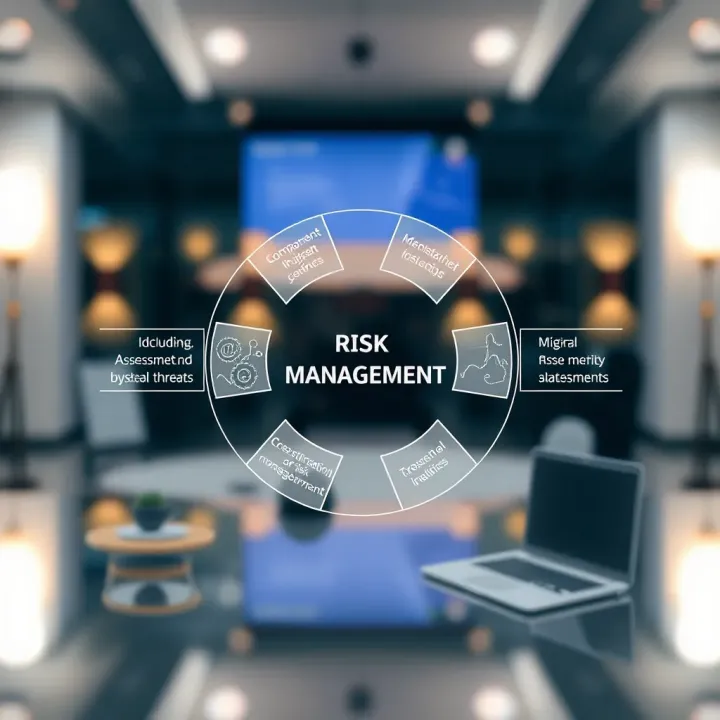
Managing risk follows clear steps: first, identify potential threats specifically relevant to the business or investment. For instance, a local manufacturer would assess risks from power outages or forex scarcity. Next comes risk assessment, where the likelihood and impact of each threat are evaluated. Then, strategies to mitigate risk are developed — these might include diversifying suppliers or hedging currency exposure. Finally, continuous monitoring ensures the risk environment is tracked, allowing adjustments as new threats emerge.
Key objectives of managing risk
The main goals are to minimise losses, safeguard assets, and improve decision-making. For example, a bank reducing its exposure to bad loans improves financial stability and protects its customers’ deposits. Risk management also aims to comply with regulations, such as tax laws enforced by the Federal Inland Revenue Service (FIRS), preventing fines or legal issues. Ultimately, effective risk management builds confidence among investors and clients, supporting sustainable growth.
Proper understanding and clear definition of risk management allow Nigerian businesses and investors to stay ahead of challenges and seize opportunities with confidence.
Understanding the types of risks businesses encounter helps organisations in Nigeria prepare and respond effectively. Different sectors face distinct challenges that could disrupt operations, drain resources, or damage reputation. Knowing common risk categories allows for targeted strategies, improving resilience and decision-making.
Currency fluctuations and naira volatility: The naira’s frequent exchange rate swings can seriously affect businesses that rely on imports or foreign transactions. For example, a manufacturing firm importing raw materials might suddenly find costs rising sharply due to naira depreciation, squeezing margins and forcing price adjustments. Traders dealing in forex must closely monitor these changes to avoid losses.
Credit and liquidity risks: Many Nigerian companies struggle with securing reliable payment from customers or accessing cash flow when needed. Credit risk arises when clients default, while liquidity risk happens when a business can’t meet short-term obligations. For instance, a retailer depending heavily on customer credit must manage the risk that delayed payments could stop its supply chain from functioning smoothly.
Supply chain disruptions and power outages: Operational risks here include challenges like delays in delivery of goods or sudden loss of electricity supply. Given Nigeria’s ongoing power supply challenges, many manufacturing and service businesses face increased costs from frequent use of generators. Supply chain interruptions—such as port congestion or strikes—can cause missed deadlines and frustrate customers.
Market competition and regulatory changes: Nigerian markets shift fast, and companies must adapt or risk losing ground. New competitors or substitutes can erode market share unless organisations update their strategies. Additionally, new laws or policy changes, like adjustments in CBN interest rates or sector-specific regulations, require quick compliance to avoid penalties or reputational damage.
FIRS tax regulations: Nigeria’s Federal Inland Revenue Service (FIRS) has stringent tax rules that often change. Businesses that don’t keep up risk fines or audit complications. For example, delayed VAT remittance or incorrect tax filings have led many SMEs to face hefty penalties, draining capital.
Sector-specific compliance in Nigeria: Beyond general taxation, some industries—like telecommunications, oil and gas, or food processing—must adhere to specialised regulations from agencies such as NAFDAC or NCC. Failure to comply, say with product quality standards or licensing requirements, can stall operations and hurt market trust.
Impact of negative public perception: A company’s reputation acts like its currency in the business landscape. Bad publicity, whether from poor customer service, product failure, or social media backlash, can cause customers or investors to withdraw support quickly. For example, a bank facing a data breach may lose client trust, leading to withdrawals and declining stock price.
Managing crises in Nigerian business environment: Nigerian firms often operate within tight social and political contexts. Handling crises with transparent communication and quick action helps protect reputation and prevent losses. Businesses that ignore community concerns or customer grievances risk enduring long-term damage, especially during ember months or festive seasons when public attention is heightened.
Active risk identification and tailored responses are essential. Firms that grasp these key risk types stand a better chance of protecting their assets and strengthening their foothold in the Nigerian market.
Effective risk management depends largely on how organisations identify, assess, and track their vulnerabilities. It’s not just about spotting potential threats but understanding their nature and potential impact, then taking steps to manage them properly. For Nigerian businesses, where challenges like currency fluctuations, power outages, and regulatory shifts are common, being systematic in risk management separates those who survive from those who thrive.
Risk registers are practical tools where risks are listed, described, and prioritised based on likelihood and potential harm. For example, a Lagos-based manufacturing firm might use a risk register to document everything from supply chain interruptions to fuel scarcity due to diesel price hikes. Pairing this with risk mapping—which visually displays risks by severity and probability—helps decision makers spot which risks demand urgent attention and which ones can wait. This makes the organisation proactive rather than reactive.
Quantitative analysis assigns numerical values to risks, enabling firms to estimate potential financial loss or probability of occurrence. For instance, an investment firm in Abuja might calculate the expected loss from stock market volatility using historical data. On the other hand, qualitative analysis evaluates risks based on descriptive assessments—like expert opinions or stakeholder feedback. This approach helps businesses understand risks that may be hard to quantify, such as reputational damage following a scandal or regulatory non-compliance. Combining both methods gives a fuller picture for sound decision-making.
Organisations manage risks through several strategies. Avoidance involves steering clear of activities that trigger high risks, such as entering unstable markets. Reduction means lowering the likelihood or impact, for example, by securing reliable backup generators to tackle erratic power supply. Transfer often involves shifting risk to third parties through contracts or insurance, while acceptance means knowingly bearing a risk when its cost is lower than mitigation expenses. Nigerian businesses must carefully select these strategies based on their unique operational context.
Insurance remains a crucial risk transfer mechanism in Nigeria. Companies can insure against fire, theft, or political risks, which is especially relevant for businesses facing threats from unrest or theft in certain regions. Hedging is another practice where financial instruments like futures or options are used to protect against currency or commodity price swings. For example, an importer paying in dollars might hedge to shield against naira depreciation. While these tools require initial expense, they often save businesses from hefty losses.
Dedicated risk management committees help keep an organisation on track with its risk policies. These committees typically include senior managers who regularly review risk reports, decide on corrective actions, and update strategies as required. In Nigerian firms, they ensure that risks related to compliance with bodies like FIRS or NCC are continually addressed, preventing costly penalties or licence revocations.
Technology now plays a big role in effective risk monitoring. Risk management software allows organisations to log incidents, spot trends, and generate reports quickly. Nigerian businesses adopting such tech gain the ability to respond promptly, for example, by tracking supply chain bottlenecks or fraud attempts in real time. Data analytics also help in forecasting emerging risks, turning raw information into actionable insights.
Proper management and measurement of risks make a tremendous difference, turning uncertainty into manageable challenges. For Nigerian firms, this structured approach is not just useful; it’s often the difference between growth and downfall.
Effective risk management is vital for Nigerian businesses to navigate the country's unique market challenges. It helps companies anticipate potential threats, make informed decisions, and stay competitive despite economic fluctuations and infrastructural hiccups. Neglecting risk management can lead to avoidable losses, regulatory penalties, and damaged reputations.
How risk insights improve business strategies
Risk management provides Nigerian businesses with clear foresight into potential hurdles, enabling better strategic planning. By analysing risks like currency volatility or supply chain disruptions, companies can adjust their operations proactively rather than reactively. This forward-looking approach strengthens resilience and supports sustainable growth.
Examples from Nigerian industries
Take the Nigerian manufacturing sector, where power outages frequently disrupt production. Firms that anticipate this risk invest in backup generators or diversify supply sources to stay consistent. Similarly, banks use risk data to foresee credit default patterns, tightening lending criteria to safeguard their portfolios. These examples show practical risk management improving planning and protecting business continuity.
Minimising financial losses
Risk management helps shield Nigerian businesses from unexpected financial setbacks. For instance, importers dealing with naira depreciation can use forward contracts or hedging techniques to stabilise costs. Without such controls, sudden exchange rate swings can erode profit margins, pushing firms into losses.
Meeting regulatory requirements
Compliance with Nigerian laws remains complex and dynamic, especially with agencies like the Federal Inland Revenue Service (FIRS) tightening tax regulations. A solid risk framework ensures companies keep up-to-date with these requirements, reducing the chance of legal infractions and fines. This protects both financial standing and operating licences.
Gaining investor and customer confidence
Robust risk management reassures investors and customers that a business is well-run and reliable. Transparent risk controls signal professionalism, attracting investment and encouraging customer loyalty — crucial in a market where trust can move the needle significantly.
Case studies of reputational risk management
Consider Dangote Group’s response to supply chain disruptions: by communicating openly and swiftly addressing challenges, they maintained brand trust despite setbacks. Conversely, some companies facing environmental or corruption allegations suffered lasting damage due to poor risk handling. These cases highlight how managing reputational risks carefully can support long-term success.
Risk management is not just about avoiding losses; it underpins stronger Nigerian businesses that plan smarter, protect assets, and earn lasting trust.
Establishing a strong risk management framework is vital for Nigerian businesses aiming to navigate an unpredictable environment. Such a framework provides structure, ensuring risks are systematically identified, assessed, and dealt with in ways that support the organisation's goals. For traders, investors, and analysts, having clear steps in place not only minimises unexpected losses but also builds confidence in decision-making.
Training and communication are the backbone of a risk-aware culture. Staff at all levels must understand what risk means in their daily roles. For example, a bank teller should recognise fraud risks, while a supply chain manager must keep an eye on logistical disruptions. Regular training sessions coupled with open communication encourage everyone to speak up about potential threats. This approach reduces silos where risks might hide and ensures prompt action before issues escalate.
Leadership commitment is crucial for these cultural shifts to stick. When senior management actively supports risk management efforts—whether by allocating budgets for training or personally involving themselves in risk forums—the entire organisation takes notice. Consider a Lagos-based manufacturing firm where the CEO regularly reviews risk reports and discusses mitigation plans with department heads. This level of involvement sends a strong message that managing risk is everyone's responsibility and earns buy-in across the business.
Clear definition of roles and responsibilities streamlines risk management. Each team member should know their exact duties, whether it's reporting suspicious transactions or maintaining compliance with tax regulations by FIRS. For instance, assigning a specific compliance officer in a Nigerian fintech startup to oversee regulatory changes helps avoid penalties and confusion.
Documentation and review cycles formalise the framework and keep it relevant. Written policies act as reference points, reducing ambiguity during crises. Equally important are regular reviews—say every quarter or biannually—to adjust policies as the business environment changes. For example, the impact of recent power shortages might require revamping operational risk procedures. Keeping documentation up to date prevents risks from slipping through unnoticed.
Risk management software options have become increasingly accessible for Nigerian businesses, from SMEs to large corporations. Tools like MetricStream, Resolver, or local platforms integrate risk registers, incident tracking, and compliance checks in one place. These systems simplify what would otherwise be tedious manual work, providing real-time dashboards the management team can rely on. This saves time and improves accuracy in identifying emerging risks.
Data analytics to support risk decisions leverages information to spot patterns and trends that might be invisible to the naked eye. For example, an investment firm might analyse client transaction patterns to detect early signs of market instability or fraud. With data-driven insights, businesses can anticipate potential issues and plan accordingly rather than reacting blindly. As Nigerian companies grow, this analytical approach will become a decisive advantage.
Building an effective risk management framework is not just ticking boxes; it's about embedding the mindset, structures, and tools that help your business stay steady even when challenges come knocking.
📚 Understand risk management in Nigeria's business world. Explore courses covering essentials, career steps, and practical apps across sectors like retail, oil & gas.

📊 Effective risk management boosts Nigerian projects by cutting delays, cost overruns & failures. Learn practical ways to spot, assess & control risks for success.

Learn practical steps in risk management for Nigerian businesses 🇳🇬. Identify, assess, and handle risks smartly to safeguard your assets and boost resilience 💼🔒.

🔍 Learn how Nigerian businesses can spot and manage risks smartly. Understand risk appetite, align with goals, and stay resilient in our unique regulatory and economic setup.
Based on 5 reviews