
Crypto Trading Basics: What Nigerians Should Know
Explore how crypto trading works in Nigeria 🤑, learn top strategies, discover key platforms & legal tips to trade smartly and manage risks safely 🚀.
Edited By
Amelia Price
Crypto trading is the act of buying and selling cryptocurrencies like Bitcoin, Ethereum, or Binance Coin to make a profit. Unlike traditional stock trading, crypto operates 24/7 on digital platforms known as exchanges, such as Binance, Luno, or Quidax, which many Nigerian traders use daily.
At its core, crypto trading involves taking advantage of price fluctuations. For example, if you buy Bitcoin at ₦10 million and sell it when the price hits ₦12 million, you make a ₦2 million gain. But unlike holding for the long term, traders often buy and sell quickly to catch short-term price changes, aiming for repeated profits.
Selecting a Trading Platform: Nigerian traders usually start with local-friendly exchanges that support Naira deposits. Security, fees, and ease of use play big roles here.
Funding Your Account: You can fund wallets with bank transfers, USSD codes, or payments through fintech services like Paystack or Flutterwave.
Choosing Cryptocurrencies: Besides major coins like Bitcoin and Ethereum, altcoins such as Cardano (ADA) and Polkadot (DOT) provide other trading opportunities.
Executing Trades: Traders use market orders (buy/sell instantly at current prices) or limit orders (set preferred prices and wait for hits).
Crypto markets are extremely volatile. Prices can swing wildly within minutes, meaning profits can come quickly but losses can also wipe out your capital fast.
Unlike forex or stocks, crypto prices aren't tied to government policies alone but react to global events, technological updates, and market sentiment. For Nigerian traders, factors like fluctuating Naira exchange rates or sudden regulatory announcements also impact trading outcomes.
To get the basics right, understanding market charts, candlestick patterns, and fundamental news becomes crucial if you want to move beyond just ‘buy and hold’. Crypto trading isn't just luck; it demands study and discipline.
Whether you are a beginner looking to explore or an analyst watching trends closely, grasping these fundamentals sets the stage for smart decisions in Nigeria's vibrant crypto scene.
Understanding crypto trading is key for anyone looking to navigate the dynamic and fast-moving world of digital currencies. Especially for Nigerian traders, a clear grasp of the basics helps avoid common pitfalls and spot real opportunities. Crypto trading offers a blend of technology, finance, and global market dynamics—making it a worthwhile skill to develop.
Getting this introduction right sets the stage for recognising how blockchain technology influences trading, how Nigerian regulations shape market access, and why tools like wallets and exchanges matter. For example, many Nigerians have tapped into trading Bitcoin and Ethereum as alternative income sources amid naira volatility.
Cryptocurrency is a type of digital money secured by cryptography and operating independently of a central bank. Unlike naira notes or dollars, cryptocurrencies exist only as data on networks like blockchain. Bitcoin and Ethereum are the most well-known, but thousands of others exist, each with distinct features or use cases.
In practice, cryptocurrencies allow instant transfers across borders without the need for traditional banks, making them popular among Nigerians with diaspora relatives sending money. Their decentralised nature also reduces risks of government interference.
Crypto trading involves buying and selling these digital coins or tokens on platforms called exchanges, aiming to profit from price changes. Traders analyse market data, trends, and news to decide when to enter or exit trades. For instance, a trader might buy Bitcoin when the price dips at ₦18 million and sell when it rises to ₦22 million to gain.
Trading thrives on volatility; prices can swing sharply within hours or minutes, providing chances for profit and risks of loss. In Nigeria, this volatility is intensified by factors like regulatory news or the naira-dollar exchange rate.
While both involve cryptocurrencies, the approach differs. Investing is longer-term, where you hold assets for months or years expecting value appreciation. Trading, on the other hand, focuses on shorter periods—hours, days, or weeks—trying to benefit from price fluctuations.
For example, a Nigerian investor may buy Ethereum and hold it through market ups and downs, aiming for long-term gains. A trader might regularly buy and sell Bitcoin to capitalise on daily price movements. Each has distinct risks and strategies.
Crypto trading happens on digital exchanges—online platforms where buyers meet sellers. These exchanges provide order books showing current buy and sell offers, real-time price charts, and market data. Examples popular among Nigerians include Binance, Luno, and Quidax.
Exchanges handle transaction settlements, storing tokens temporarily, and often provide tools like margin trading or futures for advanced users. Choosing a reliable exchange is vital to avoid scams and ensure smooth fund transfers.
Trading begins with depositing funds—either naira or crypto—onto the exchange. You can place buy or sell orders for specific cryptocurrency pairs (e.g., BTC/NGN). When matched, the transaction executes instantly or at a set price.
Traders can also swap one crypto for another, like exchanging Bitcoin for Binance Coin. Understanding order types—market, limit, stop-loss—is useful to manage entry and exit points efficiently.
Wallets store your cryptocurrencies, functioning like digital bank accounts. There are hot wallets (online) and cold wallets (offline), each with trade-offs in security and accessibility. Private keys are like secret passwords giving you access to your funds.
Losing your private key means losing access to your crypto permanently, so safeguarding it is critical. Many Nigerian traders use hardware wallets for larger holdings and keep small amounts on exchange wallets for active trading.

Crypto trading combines technology and finance, and understanding its basics—from what cryptocurrency is to how exchanges work—is the first step to becoming a confident trader. Particularly in Nigeria’s evolving market, knowledge of wallets, keys, and trading fundamentals helps you protect your funds and seize opportunities wisely.
Cryptocurrency is digital money secured by cryptography and runs independently of banks.
Trading focuses on profiting from price changes through buying and selling on exchanges.
Investors hold longer-term; traders act on short-term price movements.
Digital exchanges connect buyers and sellers and provide essential trading tools.
Wallets and private keys control access to your crypto, so keeping them safe is crucial.
This foundation allows Nigerian traders to move on to more advanced topics like trading methods, risks, and regulation awareness effectively.
Choosing the right trading method is key for anyone stepping into crypto trading. Each method offers different ways to participate in the market, with unique advantages and challenges. Understanding these approaches helps traders tailor their strategies, especially in Nigeria’s evolving crypto scene where access and risk vary widely.
Spot trading is the straightforward buying or selling of cryptocurrencies for immediate delivery. When you buy Bitcoin or Ethereum on spot markets, you own the actual coins, which can be stored in your wallet or kept on the exchange. This method suits traders preferring to hold assets directly and benefit from price changes without complicated contracts.
For Nigerian traders, accessing spot markets mainly happens through exchanges like Binance, Luno, or the recently popular Bitkoin Africa, among others. These platforms allow buying crypto using Nigeria’s local currency, typically with options for bank transfers or card payments. Spot trading provides a clear entry point into crypto, without the layers of borrowing or future obligations that come with other methods.
Margin trading involves borrowing funds to boost your buying power beyond your actual capital. By using leverage, traders can open bigger positions, potentially increasing their returns. For example, with 5x leverage, a ₦100,000 investment controls ₦500,000 worth of cryptocurrency.
This approach ups the stakes, though. Leverage amplifies both profits and losses, so even a small downturn can quickly eat into your capital. Margin calls and liquidation risks mean traders must be careful and use risk controls like stop-loss orders.
Nigerian traders can find margin trading options on platforms like Binance, FTX, and KuCoin, which support multiple crypto assets and varying leverage levels. However, due to regulatory uncertainties, some exchanges impose restrictions or require thorough verification for Nigerian accounts.
Futures contracts are agreements to buy or sell an asset at a set price on a future date. Unlike spot trading, you don’t own the crypto immediately but speculate on its future value. This opens opportunities for hedging risks or profiting from both rising and falling prices.
The major difference between futures and spot trading is that futures often involve contracts with expiry dates and sometimes margin requirements. Spot trades transfer ownership immediately, while futures are settled later.
Futures trading can be quite useful for Nigerian traders looking for sophisticated ways to manage their portfolio risks or gain exposure without buying the underlying crypto outright. Platforms like Binance Futures offer such products, although understanding the terms and risks before engaging is vital.
Crypto trading methods vary in complexity and risk, so choosing what fits your knowledge and goals helps prevent costly mistakes.
In sum, whether you prefer simple spot buying, wore up margin positions, or structured futures contracts, Nigeria’s crypto scene offers multiple pathways. However, each method requires careful learning and a clear plan to balance potential gains with the risks involved.
In crypto trading, several factors directly affect how traders make decisions and manage their positions. Understanding these forces allows you to navigate the market with clearer insight, avoiding common pitfalls and spotting genuine opportunities. In the Nigerian context, where the crypto industry faces unique challenges and prospects, keeping an eye on these elements is especially helpful.
Cryptocurrency prices fluctuate sharply due to factors like sudden changes in demand, regulatory news, and global economic events. These markets operate 24/7, unlike traditional stock exchanges, which means prices can swing wildly even during Nigerian off-hours. For example, a tweet by a major influencer or a policy announcement by the Central Bank of Nigeria (CBN) can send prices surging or crashing within minutes.
This volatility presents both chances and hazards for traders. On one hand, price swings create openings to buy low and sell high in short periods, suiting active traders. On the other hand, the same rapid moves can wipe out gains quickly, especially if stop-loss orders are not in place. Nigerian traders must weigh these dynamics carefully, given the added complexities like exchange restrictions and naira exchange rates that can amplify risks.
The CBN has taken a cautious stance towards cryptocurrencies, notably forbidding banks from facilitating crypto transactions since early 2021. This directive affects how Nigerians enter and exit crypto markets, forcing many to use peer-to-peer platforms or fintech apps like OPay and PalmPay to access crypto liquidity.
Such regulations limit formal banking routes, dampening liquidity and sometimes leading to higher trading costs. They also create uncertainty for traders who may face interruptions or delays in fund transfers. Despite these challenges, many Nigerians actively trade crypto by navigating legal grey areas, underscoring the need to stay informed about evolving policies.
Navigating these legal challenges means choosing compliant platforms, staying updated on CBN communiqués, and understanding the risks involved. For instance, using decentralised exchanges or overseas platforms requires vigilance over security and regulatory warnings to avoid scams or blocked transactions.
Charting software and technical indicators help traders analyse price trends and make informed entry or exit decisions. Popular platforms like TradingView provide Nigerians with tools such as moving averages, RSI, and volume analysis, which can signal potential price reversals or breakouts.
Mobile apps have transformed crypto trading for Nigerians, offering convenience amid heavy traffic and power outages. Apps by Binance, Luno, and Quidax allow seamless access to markets, instant price alerts, and easy fund management, which are vital for those who may trade during peak traffic or generator hours.
Automated trading bots, while less common locally, are growing in use. These bots execute trades based on preset criteria, helping traders capitalise on market moves even while asleep or engaged elsewhere. However, Nigerians are advised to exercise caution, choosing reputable bots and monitoring them closely to avoid losses from system errors or volatile market conditions.
Successful crypto trading hinges not only on understanding the market but also on adapting to local realities — from volatility and regulation to leveraging technology effectively.
With these key factors in mind, Nigerian traders can better position themselves in the fast-moving crypto space, balancing opportunity with caution.
Managing risks effectively is as critical as seizing gains in crypto trading. The highly volatile Nigerian market, combined with global crypto fluctuations, makes it necessary for traders to master risk control while aiming for profits. Without solid risk management strategies, traders can quickly see losses spiral out of control, especially because crypto prices can swing wildly in short periods. On the other hand, maximising gains requires discipline and smart strategies rather than chasing every opportunity impulsively.
Price swings and market manipulation cause most headaches for crypto traders. Cryptocurrencies can change value by double-digit percentages daily, influenced by global news, investor sentiment, and even social media rumours. For instance, a tweet from a high-profile figure may cause a sudden spike or crash. Additionally, given the still relatively unregulated nature of crypto markets, manipulation — such as pump-and-dump schemes — is not unusual. This means prices might be artificially inflated or deflated, leaving uninformed traders stranded.
Security risks and scams are another serious concern. Cases of fraudulent initial coin offerings (ICOs), fake wallets, and outright hacking keep causing losses. Nigerian traders sometimes fall prey to fake crypto platforms promising quick wealth, especially via WhatsApp or social media adverts. Moreover, phishing attacks target private keys and login credentials, potentially wiping out wallets. Safe practise includes using well-known wallets and exchanges, plus enabling two-factor authentication.
Liquidity challenges matter particularly for less popular cryptocurrencies. Low liquidity means it is harder to buy or sell assets quickly at a fair market price, leading to slippage or delays. In Nigeria, trading on smaller or less established platforms can expose traders to liquidity risk, especially during off-peak hours or market downturns. This can trap funds or force sales at unfavourable prices.
Setting stop-loss orders is a practical tool to limit potential losses. By programming an automatic sell when a coin's price hits a certain low, traders avoid losing more than they can afford. For example, if Bitcoin falls 10% below a purchase price, the stop-loss order triggers a sale, protecting capital. This approach helps control emotions during price chaos.
Diversifying crypto portfolios matters instead of putting all funds in one coin. Spreading investment across Bitcoin, Ethereum, and selected altcoins balances risk because different assets respond differently to market events. If one crashes, others might hold steady or rise. Nigerian traders who diversify lessen the impact of sudden price swings in one token.
Knowing when to exit trades can define success. Greed often makes traders hold on too long hoping for a rebound, only to lose gains. Having clear profit-taking plans and exit points after research avoids such pitfalls. For instance, a trader might decide to sell 50% of holdings when a coin rises 20% and keep the rest for longer-term growth.
Selecting reliable exchanges and platforms reduces risk and frustration. Nigerians should choose platforms regulated or with strong reputations like Binance, Luno, or local options supporting naira deposits and withdrawals. This ensures safer transactions and better customer support if issues arise.
Keeping up with market news helps traders stay ahead of swings. Following sources like Nairametrics, BusinessDay, or specialised crypto news outlets can provide timely insights into regulation, market trends, and significant events. This helps avoid reacting late or falling for false rumours.
Understanding naira exchange impacts is crucial since crypto prices may differ from international USD-based figures because of exchange rates. Naira depreciation pushes up the local cost of buying crypto while naira strength can offer buying opportunities. Traders need to factor in forex fluctuations and fees when planning trades or withdrawals.
Managing risks doesn't mean avoiding the market but making calculated decisions that protect your capital while giving room for gains. Nigerian traders who master this balance stand a better chance of thriving despite local and global challenges.
In summary, effective risk management combined with clear trading strategies can turn volatile crypto markets into viable earning opportunities, especially for Nigerian traders navigating unique market dynamics.
Wrapping up this guide, it’s clear that understanding crypto trading requires grasping not only how cryptocurrencies operate but also the nuances involved when trading in Nigeria’s unique environment. This final section highlights key takeaways and directs you to resources that can sharpen your skills and keep you informed.
Core concepts of crypto trading centre on buying and selling digital assets like Bitcoin, Ethereum, and newer tokens to make a profit. Unlike traditional markets, crypto trades operate 24/7 on digital platforms, meaning prices can swing quickly. Nigerian traders should appreciate how exchanges work, the importance of wallets for security, and how to spot trading opportunities amid volatility. For example, spot trading involves immediate asset exchange, while futures contracts allow bets on price directions without owning the asset.
Recognising these differences helps avoid common pitfalls and opens up avenues to build diversified strategies. For instance, while margin trading can maximise gains through borrowed funds, it also multiplies losses — making it essential to know when and how to use leverage.
Importance of risk management cannot be overstated in crypto trading. Price swings in naira value against the dollar can seriously affect your returns, especially if your trading capital moves between fiat and crypto frequently. Using tools like stop-loss orders helps cap potential losses, while spreading investments across several coins reduces exposure to any single asset’s dip. Nigerian traders also face unique risks like unreliable power supply affecting internet access or limited local support from exchanges. Staying vigilant against scams and using secure platforms strengthens protection against losses.
Adopting disciplined practices—like cutting losses early or not over-leveraging—will keep you in the game longer and improve profit chances.
Trusted Nigerian crypto news sources provide local context and timely updates which global sites might miss. Platforms such as CryptoReport, Nairametrics, and TechCabal regularly cover cryptocurrency developments, regulatory changes, and market trends in Nigeria. Following these ensures you stay aware of new laws or innovations affecting your trades.
Recommended trading platforms suited to Nigerians balance accessibility, security, and liquidity. Binancce, Luno, and Quidax enjoy wide use, offering straightforward interfaces and support for naira deposits and withdrawals. Platform choice affects costs and speed — for example, some charge lower fees on trades or offer direct naira-to-crypto options eliminating the hassle of USD conversions.
Community forums and learning groups play a vital role for beginners and seasoned traders alike. Engaging on Telegram groups, Reddit threads like r/NigeriaCrypto, and Nigerian Facebook forums exposes you to shared experiences and real-time advice. These communities regularly host AMAs, where crypto veterans answer questions about market strategy, security, or new crypto projects.
Connecting with peers creates a practical learning environment, helping you avoid mistakes and capitalise on opportunities others have tested.
Joining these avenues boosts your confidence, sharpens your understanding, and keeps you plugged into Nigeria’s evolving crypto trading scene.
Explore how crypto trading works in Nigeria 🤑, learn top strategies, discover key platforms & legal tips to trade smartly and manage risks safely 🚀.
🔍 Explore top crypto trading platforms in Nigeria! Compare features, fees, security, local payments & support to choose the best fit for you.
Explore the best crypto trading bots for Nigerian traders 🤖! Learn how they work, key benefits, risks, and setup tips tailored for the Nigerian market 🇳🇬.
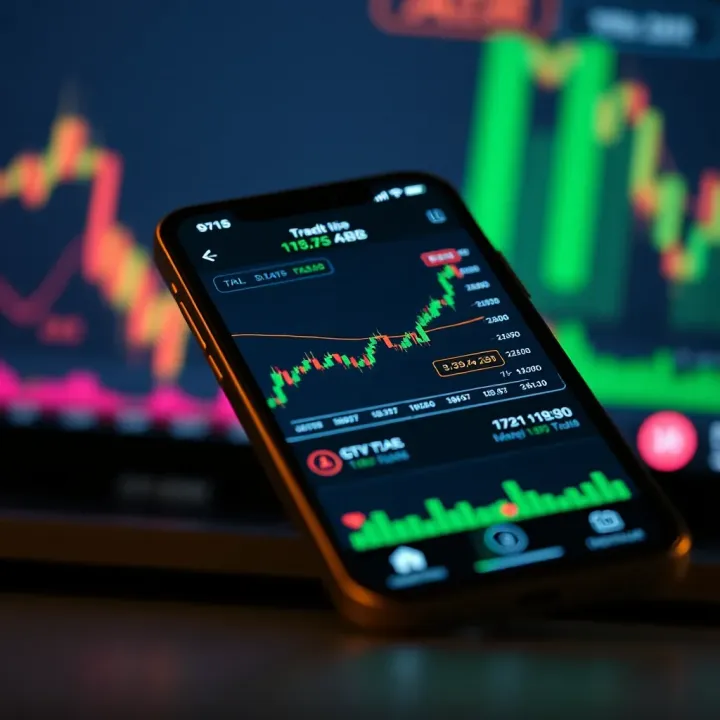
Looking for the best crypto trading app in Nigeria? 📱 Discover top features, security tips 🔒, fees, user experience, and trusted options to trade safely.
Based on 7 reviews