
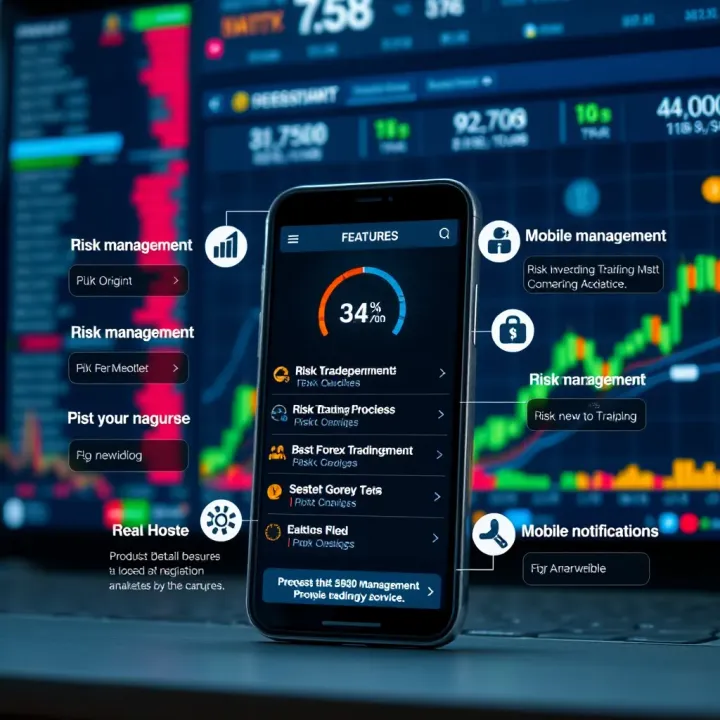
Choosing the Best Forex Trading Apps in Nigeria
Explore top forex trading apps in Nigeria 📱, learn must-have features, risk controls, and tips to enhance your mobile trading experience for better success.
Edited By
Ethan Parker
Trading forex in Nigeria is not just about picking any old app and hoping for the best. With a flood of options available, each promising quick wins and easy money, it's easy to end up overwhelmed or worse, with a platform that doesn't suit your trading style or needs.
This guide is here to clear the fog. We'll highlight what's really important when choosing a forex trading app, with a special eye on what fits Nigerian traders best. From understanding necessary features and platform choices to mobile compatibility, security concerns, and local regulations, this article aims to put you in a solid spot to make smart, informed decisions.
Let’s face it, choosing the right app can make or break your trading experience. So, before you rush into making a move, give this a quick read to avoid any costly mistakes down the road.
"Not all trading apps are created equal—knowing what fits your needs prevents you from throwing your money down the drain."
Grasping the ins and outs of forex trading apps is a must for anyone serious about trading in today's fast-paced markets. These apps aren’t just fancy tools; they're the frontline for making quick decisions, managing trades, and keeping an eye on market movements no matter where you are. For Nigerian traders juggling connectivity and sometimes unpredictable internet speeds, knowing what these apps can offer and how they fit into your trading strategy can make the difference between a good trade and a missed opportunity.
One of the main reasons traders reach for a forex app is access to up-to-the-second market data. Imagine trying to trade on information that’s even a few minutes old — you’d be chasing the market instead of riding it. Top apps like MetaTrader 4 or FXTM provide live currency prices and detailed market analysis right in your palm. This immediate data allows traders to spot trends, evaluate currency strength, and adjust their positions before prices shift.
A smooth, fast order execution is vital because every second counts in forex trading. Apps let traders open, close, or modify orders instantly, often within milliseconds. The best platforms ensure your trades aren’t stuck in limbo, especially when markets get hectic. Besides execution speed, managing your trades — setting stop losses or take profits — within the app keeps everything streamlined. For example, Nigerian traders using Pepperstone can set personalized trading rules on the go, reducing risks without needing to log into a desktop.
Charts are the trader’s map, helping them navigate the turbulent forex waters. Apps pack in heaps of charting tools and hundreds of technical indicators, such as RSI, moving averages, and Fibonacci retracements. These tools enable traders to analyze price movements visually and make educated guesses on future trends. Using XM’s app, for instance, novices can toggle between different charts and indicators without feeling overwhelmed, thanks to customizable interfaces.
Forex apps fit the modern trader’s lifestyle. Whether you’re commuting in Lagos or waiting somewhere in Abuja, your trading desk is right in your pocket. No longer are you glued to desktop terminals or stuck at home — a quick glance at your smartphone keeps you in sync with the market. This kind of mobility means you can react to news or price swings instantly, which is huge in a market that never sleeps.
Markets can shift on the back of global news or economic reports without warning. An app that pushes alerts and allows immediate action ensures you’re not left biting your nails. Traders using apps like IG Trading get notifications for key price levels and economic data, helping them decide the moment is right to buy or sell. This speed could save losses or snag profit opportunities that slower desktop setups might miss.
Not everyone lives near a stable internet outlet or a quiet office. Forex apps let traders keep tabs on their portfolios anytime and anywhere. This constant access is particularly useful in Nigeria where power outages or network glitches can disrupt desktop access. Apps designed with offline alerts and quick reconnect features, such as eToro’s mobile platform, make sure you stay connected even during rocky network moments.
Mastering what forex trading apps offer — from real-time data to instant order execution — equips Nigerian traders to stay agile and informed. These apps streamline your trading, making it practical to seize market opportunities no matter your location.
Choosing the right forex trading app goes beyond just picking the most popular one. For Nigerian traders, the app's features can make or break your trading experience. Whether you’re a seasoned trader or just starting, understanding what to look for helps you avoid costly mistakes and take full advantage of market moves.
A trading app needs to be more than functional; it must be reliable, intuitive, and safe. Features like fast order execution and comprehensive security are not optional—they're essentials. Plus, having access to a variety of trading instruments and helpful educational resources contributes to smarter decisions. Let's break down the key aspects that should be on your checklist.
Simple navigation is key when you're trying to make trades on the fly. An app with a cluttered screen or complicated menus can slow you down and lead to missed opportunities. Look for apps that arrange important functions—like placing trades, viewing charts, and checking balances—in an intuitive layout. MetaTrader 4, for example, is known for clean menus that let you jump right into trading without hunting for commands.
Customizable layouts allow traders to tailor the screen to fit their style and focus. Maybe you want to monitor only a few currency pairs or prefer charts to be front and center. Some apps let you drag and drop widgets or set shortcuts, which saves time and reduces hassle. This flexibility is especially helpful for those balancing multiple trades or switching strategies often.
Security is non-negotiable, especially with money and personal info at stake. Two-factor authentication (2FA) adds a critical extra layer of protection beyond just a password. You'll often get a text message or use an app like Google Authenticator to confirm your identity. This makes it much harder for unauthorized people to access your account.
Encryption standards underpin the safety of your data during transfers between your device and the broker’s servers. Good apps use SSL encryption or better, ensuring your login details and trade data can’t be intercepted by cybercriminals. Always check that the app you choose explicitly mentions its encryption policies.
Currency pairs offered need to match your trading goals. While majors like EUR/USD, GBP/USD, and USD/NGN are standard, some apps also include exotics and minor pairs. If you want to diversify beyond forex, check if the app supports access to CFDs and commodities like gold, oil, or indices. This versatility can help you hedge risks or seize opportunities in different markets without switching platforms.
When the market’s moving, every second counts. Order processing time can differ between apps and brokers. An app that lags means you might buy or sell at prices far from what you intended. Look for platforms with low latency and positive user reviews about trade execution speeds.
Equally important is app stability during high-volatility periods. Markets can be unpredictable, especially during news releases or economic reports. If your app crashes or freezes when volatility spikes, it could cost you dearly. Apps like MetaTrader and FXTM have reputations for handling busy periods without hiccups.
Not all apps just throw you into the deep end. Quality apps come loaded with tutorials and guides that explain trades, technical indicators, and risk management in a way that’s easy to follow. This is a big help for beginners or even experienced traders who want to sharpen particular skills.
Customer service availability is something you don’t want to find lacking when facing technical issues or questions about your account. Look for brokers who provide local support in Nigeria or at least offer round-the-clock chat and phone support. Quick, reliable help means less downtime and less stress.
Choosing a forex trading app is a bit like picking a tool for a specific job. Pay attention to the details that affect your trading day-to-day—ease of use, security, speed, and support. The right app won’t just execute trades; it will give you confidence to act quickly and trade smartly.
Picking the right forex trading app can feel like looking for a needle in a haystack, especially with so many options crowding the market. For Nigerian traders, it’s not just about flashy features but also factors like local banking compatibility, regulatory standing, and how well the app handles connectivity challenges common in Nigeria. You want a platform that delivers reliability, security, and ease of use without unnecessary frills.
MetaTrader 4 (MT4) and MetaTrader 5 (MT5) are practically the granddaddies of forex trading apps. MT4 is known for its simplicity and focused forex trading capabilities, while MT5 broadens the horizon with CFDs on stocks and commodities. Both offer extensive charting tools, automated trading with Expert Advisors (EAs), and a rich set of technical indicators. For everyday Nigerian traders, this means you get to monitor your trades with detailed analytics and set up automated strategies without sweating the manual details.

These platforms boast millions of users worldwide, with Nigerian traders forming a significant part of the community. It's common knowledge on forex blogs and forums that brokers serving Nigeria often default to MT4 or MT5 due to their trusted reputation. This popularity ensures a wealth of online tutorials, community support, and third-party tools, which can be a lifesaver when you hit a technical snag.
MT4 and MT5 are built to run on almost every device you own — Windows PCs, Android smartphones from brands like Tecno and Infinix, and iPhones. Their lightweight design ensures they don't choke on spotty internet connections or older hardware, which is a huge plus for Nigerian traders dealing with uneven network coverage. Plus, their availability in multiple languages, including English, makes them user-friendly for a wide range of traders.
FXTM appeals to Nigerian traders by offering diverse account options, from micro and standard accounts to ECN accounts for more seasoned traders. This variety accommodates both newbies who want to start small and veterans looking for tighter spreads and faster execution. The flexibility to choose based on your risk appetite and experience makes it a smart pick.
When it comes to moving money in and out, FXTM supports popular Nigerian payment options like bank transfers, Neteller, Skrill, and even local debit cards. This eases the withdrawal pain many locals face, ensuring funds reach your account without waiting forever or paying ridiculous fees.
FXTM has invested in localized customer service, with some Nigerian-specific support, including WhatsApp chat options and quick response times. This local touch means help isn’t stuck in a foreign timezone or lost in translation—helpful when you need swift answers during volatile market times.
IG is like the Swiss Army knife of trading apps—covering currencies, indices, commodities, cryptocurrencies, and shares. For Nigerian traders wanting to dip toes into different markets without hopping between apps, IG offers a neat all-in-one solution.
Its app delivers easy-to-use charts, risk management tools, and real-time news feeds that keep you ahead of market swings. Dark mode and customizable alerts also help when you’re juggling trading with a busy daily routine, common in Nigerian cities like Lagos or Abuja.
IG is regulated by top-tier international bodies such as the UK's FCA. For Nigerian traders, this level of oversight means your funds and data have protection that not every broker offers. Considering the regulatory gaps back home, it’s a comforting safety net.
Known for its social trading twist, eToro lets Nigerian traders copy strategies from successful peers globally. It’s a handy option if you want to learn by watching others or don’t have time for deep analysis.
XM offers a range of account types with no minimum deposit requirements and boasts fast execution speeds. The app supports multiple local payment methods and has multilingual support, which helps Nigerian users feel at home.
Pepperstone is prized for its razor-thin spreads and speedy execution, two things traders here look out for to beat price slippages. It works well on both Android and iOS and integrates easily with MetaTrader platforms, giving users familiar terrain with enhanced performance.
Choosing the right app isn’t just about a pretty interface or promises of big returns. For Nigerian traders, the best forex trading app effortlessly blends accessibility, local payment methods, solid support, and strong security to keep your trading smooth and straightforward.
Mobile compatibility and performance are key factors for Nigerian traders when choosing a forex trading app. With many users relying heavily on smartphones, an app that runs smoothly on their devices means more opportunities to react fast to market changes, no matter where they are. Poor performance or compatibility issues can lead to missed trades or frustrating delays, which in fast-moving forex markets can translate to losses.
Good mobile compatibility ensures that the app fits different screen sizes and operating systems, providing a seamless trading experience whether on a budget Android phone or an upmarket iPhone. Performance also includes how well the app handles multiple functions like real-time quotes, chart updates, and quick trade execution without slowing down or crashing.
Most Nigerian traders use Android smartphones because of their wide availability and affordable prices. Forex trading apps that support Android must be compatible with various versions of the OS, from older ones still common in Nigeria to the latest updates. This ensures traders can use popular apps like MetaTrader 4 or FXTM without fuss, regardless of their device’s age or brand.
Developers who optimize their apps for Android also cater to different hardware capabilities, ensuring smooth navigation and fast data loading. This is crucial when trading forex, where every second counts. For instance, a lightweight app that runs well on a Tecno or Infinix phone can make a significant difference for traders outside major cities who have limited access to high-end devices.
Though less common than Android in Nigeria, iPhones have a dedicated user base that expects precision and high performance. Forex apps on iOS often benefit from the platform’s standardized hardware and software, allowing smoother operation and timely updates.
Apps like MetaTrader 5 and IG Trading are well-tuned for iOS, often taking advantage of advanced features like Face ID and push notifications. If you’re a trader who prioritizes security and wants an app that integrates well with other Apple services, iOS support is essential. Plus, iOS updates tend to be rolled out globally at once, reducing compatibility lag.
Stable internet isn’t guaranteed everywhere in Nigeria, especially outside urban hubs like Lagos or Abuja. Having offline features in a forex trading app can be a lifesaver. While you can’t place live orders offline, apps that let you review charts, analyze past data, or prepare your next trade offline help you stay ahead when the connection drops.
For example, MetaTrader apps allow traders to load charts and setup analysis tools ahead of time. This way, if the network’s spotty, you’re not completely powerless. Being able to access some key functions offline reduces stress and helps traders plan smartly before reconnecting and executing.
Forex trading demands real-time data, but Nigerians often struggle with slow internet or sudden disconnections. Apps designed to handle such conditions do things like compressing data, limiting background updates, and quickly reconnecting after loss of signal.
Apps with adaptive data usage adjust chart refresh rates depending on connection strength to avoid freezes or crashes during crucial moments. For instance, IG Trading includes options to lower data usage, making it possible to trade even on 2G or congested networks.
In Nigeria's trading landscape, an app’s ability to run smoothly on different phones and cope with connectivity challenges is just as important as the trading tools it offers. Choosing an app without these attributes is asking for unnecessary headaches.
By considering these mobile compatibility and performance factors, Nigerian forex traders can select apps that fit their devices, cope with their internet realities, and ultimately support more confident and effective trading decisions.
When stepping into forex trading in Nigeria, knowing the regulatory landscape and safety measures is non-negotiable. Without this understanding, traders risk falling prey to unregulated platforms or scams that can quickly drain their investments. Regulatory factors give you a framework of trust and security, ensuring the forex apps you use meet legal standards and protect your funds.
Trading safely isn't just about securing your investment; it's also about safeguarding your personal data and staying within the boundaries of Nigerian law. With so many apps available, it’s easy to get swayed by flashy features or attractive bonuses, but the real test is whether these platforms comply with the rules set by authorities. This section will help you pinpoint how regulations and proper licensing play a crucial role in your trading decisions.
The Central Bank of Nigeria (CBN) is the cornerstone of financial regulations in Nigeria, overseeing all currency-related activities including forex trading. The CBN doesn't just set rules for banking; it also regulates who can legally offer forex trading services in the country. When a forex app complies with CBN’s guidelines, you can rest assured it operates under Nigerian law, reducing the risk of fraud.
For example, the CBN mandates clear disclosures on fees, requires brokers to maintain minimum capital reserves, and enforces strict KYC (Know Your Customer) policies. This means users of licensed apps enjoy better protection because their transactions are monitored under Nigeria’s financial laws.
Besides the CBN’s oversight, Nigerian laws also penalize unauthorized forex trading activities. Engaging in trading via unlicensed apps might seem tempting for lower fees or faster signup, but it comes with legal baggage that could affect your investments and personal security.
To stay on the safe side, traders should confirm that the app they choose complies with not just financial laws but also consumer protection regulations. This includes right to refund provisions and dispute resolution mechanisms. Ignoring these legal factors can lead to headaches like frozen accounts or even criminal investigations.
Given Nigeria’s somewhat tight forex regulation boundaries, many traders look to apps licensed by trustworthy international regulators like the UK’s Financial Conduct Authority (FCA), Australia’s ASIC, or Cyprus’ CySEC. These bodies have stringent rules that brokers must follow, which often provide traders worldwide with a safety net on funds and fair trading practices.
Apps regulated by these authorities usually carry badges or certificates confirming their status. Choosing such an app isn’t just about legality—it also means the broker or platform submits to regular audits and must maintain segregated client accounts, reducing the risk of misuse of funds.
Beyond licensing, protecting your money and personal data is vital. Good forex apps use encryption techniques to safeguard sensitive information. Look for features such as two-factor authentication (2FA) and secure payment gateways.
Funds protection means your money is kept separate from the broker’s operational funds—so in case the broker faces trouble, your deposits don’t disappear into thin air. Some apps even offer compensation schemes similar to bank deposit insurance, which is a big plus.
Always double-check an app’s privacy policy and terms of service before committing your funds. Security lapses can lead to data breaches or unauthorized trades, which are nightmares most traders can avoid by picking reputable apps.
In summary, Nigerian forex traders should focus heavily on apps with recognized licenses and strong data protection practices while following the local laws laid out by the CBN. It’s not just about making profits but trading smart and safe in a market that can be quite unforgiving otherwise.
Risk management in forex trading isn’t just a good idea; it’s the backbone of a sustainable trading strategy. Especially for Nigerian traders navigating the volatile forex markets, using your trading app to actively manage risk can save your wallet from unexpected downturns. A solid risk management approach via your app helps limit potential losses, secure profits, and keeps emotions from hijacking your decisions.
Stop-loss and take-profit orders are like your safety nets—they close trades automatically at pre-set levels to control losses or lock in gains. Setting these limits wisely means you decide beforehand how much risk you’re willing to take on a trade, removing the guesswork and panic that happen during fast market moves. For example, if you set a stop-loss on USD/NGN at 1% below your entry price, the app will exit the trade once your loss hits that threshold, preventing deeper damage. It keeps trading disciplined and limits emotional reactions during wild swings.
Many modern forex apps offer automated tools like trailing stops, which follow price movements to protect profits without capping potential upside too soon. This automation ensures you’re not chained to the screen waiting for the perfect exit. Another example is app features that let you cap your daily loss or exposure across trades, helping traders avoid blowing their entire account in one bad session. Using these automated risk controls means you can trade confidently, knowing your app is watching your back even during hours you aren’t glued to the screen.
Markets react sharpish to geopolitical events, economic reports, or breaking news. Apps that deliver integrated news feeds—like Bloomberg or Reuters inside MetaTrader or FXTM apps—keep you in the loop without switching platforms. With real-time news tailored to forex events, you can spot potential volatility triggers early, adjust your trades accordingly, or avoid entering risky positions altogether. For instance, knowing about a sudden CBN policy announcement can prepare you to tighten your stop-loss or reduce your trade size.
Custom alerts and push notifications are lifelines for busy traders. They enable you to stay updated on price levels, economic events, or when your stop-loss or take-profit orders get triggered. Setting alerts on pairs like EUR/USD or GBP/USD for key resistance or support breaks allows you to react faster than relying on manual checks. This timely intel helps you seize opportunities or cut losses before they balloon. For Nigerian traders juggling other commitments, these notifications turn your smartphone into a powerful risk management assistant.
Successful forex trading, especially in volatile markets like Nigeria’s, boils down to managing risk as much as spotting entry points. Using your trading app’s risk management tools effectively isn’t an option—it’s a necessity.
In short, mastering risk through your forex trading app means using stop-losses and take-profits judiciously, leaning on automation to protect profits, and staying informed about market-moving news delivered straight to your device. That’s how you keep losses in check and trade smart in the fast-paced forex world.
Getting started with a forex trading app can feel a bit like stepping into a busy market for the first time. Without the right guidance, it’s easy to get overwhelmed by all the tools, numbers, and fast-moving prices. That’s why having practical tips to kick things off is so important—especially if you're trading in Nigeria, where access to resources might differ slightly from other regions. This section will break down actionable advice on how to start smart, manage your money safely, and build habits that keep you on track.
Practicing without risk: Using a demo account is like practicing on a flight simulator before actually piloting a plane. It gives you the chance to trade with virtual money, so you’re not risking your hard-earned cash while you learn the ropes. In Nigeria, where many new traders are eager but cautious, this is an invaluable way to get familiar with market movements and trading strategies without the pressure. For example, apps like MetaTrader 4 and ForexTime (FXTM) offer realistic demo environments where the market behaves just like the real thing.
Learning app features: A demo account also allows you to explore the app’s features at your own pace. Whether it’s navigating through charts, setting stop-loss orders, or customizing indicators, you get a firsthand feel for what works best for you. This hands-on experience reduces the chance of costly mistakes later on. Plus, it’s a good opportunity to test how the app performs on your phone under Nigerian network conditions.
Popular deposit methods in Nigeria: Funding your trading account effectively requires understanding the payment options that are widely accepted and reliable. In Nigeria, bank transfers, debit cards, and specialized platforms like Paystack or Flutterwave are popular for moving money into trading accounts. Some brokers also accept mobile money, which is convenient given the widespread use of smartphones. Always double-check the fees and processing times—some methods might be faster but slightly more expensive.
Withdrawal processes: Equally important is knowing how to pull out your profits without hassle. Nigerian traders should opt for apps that support smooth withdrawal methods compatible with local banks. A clear withdrawal policy, with details on timelines and any possible fees, saves you headaches. For instance, brokers like IG and XM usually provide transparent withdrawal processes and allow money transfers directly to Nigerian bank accounts.
Scheduling trades: Trading without a plan is like fishing without knowing where the fish are biting. Setting regular times for analyzing the market and placing trades is essential. In Nigeria, where the forex market overlaps with local working hours, finding windows—say, early mornings or late evenings—when market activity is high and you’re alert, makes a huge difference. Using app notifications to remind you of key trading hours or economic events can help keep you on schedule.
Keeping records: Keeping a simple trading journal—with details such as entry and exit points, reasons for trades, and outcomes—helps you learn from your successes and mistakes. Many trading apps offer built-in tools to track your history, but jotting notes down separately can also give perspective over time. For Nigerian traders who might juggle forex alongside other commitments, this habit builds discipline and improves decision-making over the long run.
Starting with a demo account, securing your funds, and sticking to a trading schedule aren’t just steps on a list—they’re the foundation for becoming a disciplined and confident trader in Nigeria's forex market.
Explore top forex trading apps in Nigeria 📱, learn must-have features, risk controls, and tips to enhance your mobile trading experience for better success.
Explore top forex trading apps for beginners in Nigeria 🇳🇬. Learn to pick reliable platforms, understand key features, and trade confidently with safety tips 📱💼.
Discover the best forex trading apps in Nigeria 🇳🇬, detailed features, costs, usability, and top tips for safe and profitable mobile trading 📱💹.
Discover the best forex trading apps in Nigeria 📱, with key features, ease of use, and regulation tips to help traders make smart choices in the forex market 💹.
Based on 7 reviews