

Finding the Best Trading App in the World: What You Need to Know
Looking for the best trading app in Nigeria? 📱 Discover key features, security tips, costs, and user-friendly platforms to boost your investing journey today!
Edited By
Sophie Wells
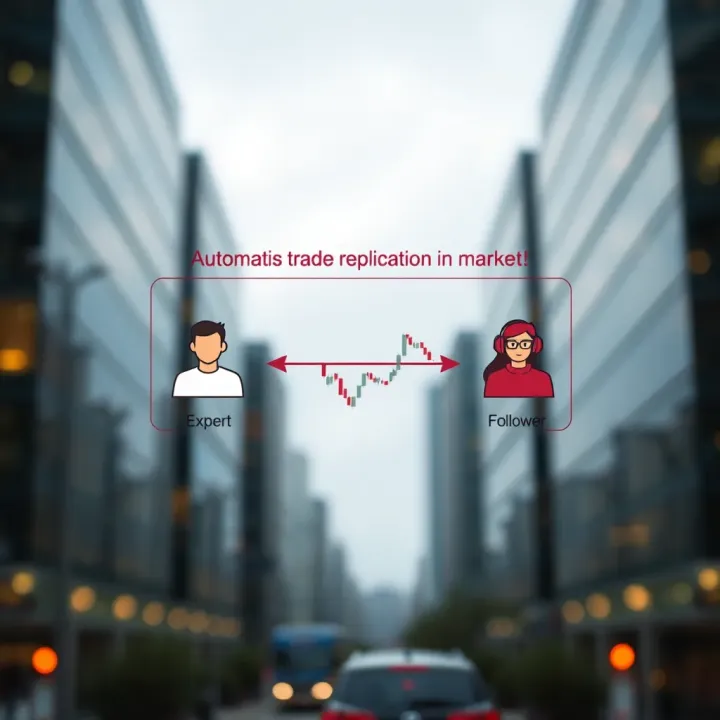
Copy trading apps have become an increasingly popular tool for Nigerian investors looking to benefit from the expertise of seasoned traders without having to learn complex market strategies themselves. These apps allow users to automatically replicate the trades of experienced investors, effectively mirroring their portfolio moves in real time. This technology can save you hours of monitoring markets and analysing data, making it a useful option for novices and busy professionals alike.
Unlike traditional trading where you make each decision manually, copy trading lets you follow selected experts whose strategies align with your risk appetite and investment goals. For example, if a trader you follow buys 1,000 shares of a Nigerian stock at ₦500 per share, your account will automatically buy the same proportion of shares at the same price, scaled to your investment amount.

Copy trading apps bridge the gap between novice investors and experienced traders by automating trade replication, so you can grow your portfolio with less hands-on effort.
These apps generally include several features Nigerian investors should look out for:
Transparency: Access to a trader’s past performance records and risk scores helps you decide who to follow.
Diversification: Ability to copy multiple traders to spread risk rather than relying on one person.
Control: Options to set limits on your investment and stop copying whenever you want.
Popular platforms offering copy trading services with Nigerian user support include eToro, ZuluTrade, and local fintech apps like Trove and Bamboo. These apps are starting to attract attention because they’ve simplified cross-border investment, allowing Nigerians to easily tap into global markets.
While copy trading offers a hands-off investment route, it is not free from risks. Market volatility and the constant change in trader behaviour mean your investment is not guaranteed to grow. Moreover, understanding the fees involved and the regulations governing such platforms in Nigeria remains essential.
In summary, copy trading apps give Nigerian investors access to expert trading moves easily and efficiently. However, success requires careful choice of whom to follow, awareness of platform features, and readiness to manage risks. The next sections will explore these points and how to make copy trading work for you effectively.
Understanding how copy trading apps work is essential for Nigerian investors looking to boost their portfolios by tapping into the expertise of seasoned traders. These apps automate the process of replicating trades, allowing users to follow and mirror investment moves in real time. For Nigerians, this means gaining access to global markets and professional strategies without the steep learning curve traditionally required.
Copy trading operates by linking your investment account to that of an expert trader. When they execute a trade—whether buying or selling an asset—your account automatically performs the same action, proportionate to your allocated capital. Imagine you follow a trader who invests ₦100,000; if they buy shares in a company worth ₦1 million, your account would buy 10% of that, so ₦100,000 worth. This way, even without deep market knowledge, you can participate alongside experts.
Most copy trading platforms offer well-organised dashboards that display trader performance history, risk levels, and investment strategies. These apps often provide:
Real-time trade copying: Ensures your portfolio adjusts automatically as your chosen traders act.
Performance analytics: You can assess traders based on historical returns, number of followers, and maximum drawdown to make informed choices.
Customisable settings: Allows you to set limits on how much to invest per trader or stop copying at your discretion.
Social trading elements: Some platforms include chat rooms or forums where investors exchange ideas.
For example, on platforms like eToro or ZuluTrade, users can review detailed profiles of traders, their trading styles, and risk appetite before deciding who to follow.
Copy trading apps commonly support a variety of assets, catering to diverse investment preferences. These include:
Stocks: Shares of companies listed on major and regional exchanges, including Nigerian stocks listed on NGX.
Forex: Currency pairs like USD/NGN, EUR/USD, accessible for traders interested in global currency markets.
Cryptocurrencies: Popular digital currencies such as Bitcoin and Ethereum.
Commodities: Gold, oil, and agricultural products.
Indices: Aggregates of stocks representing sectors or entire markets.
For Nigerian investors, the inclusion of forex pairs involving the Naira and international stocks is particularly useful, enabling exposure to markets beyond local shares. However, it is wise to understand the risks associated with volatile assets like crypto and forex before copying trades.
Copy trading apps offer a blend of convenience and market access, but Nigerians should carefully choose platforms and traders, bearing in mind local market dynamics and currency fluctuations.
This practical overview outlines the core of how copy trading apps function, empowering investors to make smarter, data-backed decisions.
Copy trading apps have opened a new avenue for Nigerian investors who want to participate in financial markets without the steep learning curve traditionally required. These platforms bring several notable benefits, making investment more inclusive and manageable for many.
Copy trading apps lower the entry barrier for those just stepping into investing. Instead of navigating complex charts or understanding detailed market reports, a beginner can start by following experienced traders. For example, a young Lagos-based entrepreneur with limited time can use apps like eToro or ZuluTrade to mirror the trades of seasoned investors. This hands-off approach particularly suits people who want to grow their wealth steadily without dedicating hours to market study. Besides, the required capital to begin is often quite low, sometimes as modest as ₦10,000, making investment more affordable.
One major advantage of copy trading is the chance to learn by watching others in real time. As you replicate trades, you can observe the decision-making patterns of top traders—like when they decide to enter or exit positions or how they diversify portfolios. This makes copy trading a practical classroom, where you acquire market insights and trading strategies without risking significant amounts of money. Over time, many users find themselves gaining enough confidence and knowledge to start managing trades independently.
Copy trading apps make it easy to diversify across multiple traders and asset classes, which helps spread risk. Instead of putting all your funds into one trade or financial instrument, you can allocate portions to various strategic traders focusing on different sectors—stocks, forex, commodities, or cryptocurrencies. For instance, a trader copying portfolios that include both Nigerian equities and international forex pairs benefits from a mix of local and global market exposure. This diversification is a vital tool against Nigeria's often volatile market conditions and fluctuating naira value. Moreover, many platforms allow investors to set stop-loss limits, helping manage potential losses effectively.
By combining accessibility, educational value, and diversification features, copy trading apps offer Nigerian investors practical pathways to build wealth in an increasingly interconnected financial world.
These advantages underscore why copy trading apps are becoming popular among Nigerians seeking alternative ways to invest and grow their finances with confidence and less stress.
Copy trading offers an attractive way to invest by mimicking experienced traders, but it's important to understand the risks involved before diving in. Nigerian investors must weigh potential challenges carefully to avoid unpleasant surprises that can affect their hard-earned naira.
Financial markets are unpredictable. Even the best traders can suffer losses due to sudden changes in market conditions. For instance, during periods of political unrest or currency fluctuations in Nigeria, asset prices can swing wildly. Copy trading apps reflect these ups and downs directly in your portfolio since your investments replicate others' trades. This means you can lose money, sometimes sharply, especially if markets turn volatile quickly. A classic example is the forex market, where naira-dollar exchange rate shifts may wipe out gains overnight. So, while copying experts can ease decision-making, it does not shield you from normal market risks.
Copy trading relies heavily on the skill and strategy of the trader you choose to follow. If the trader makes poor decisions or experiences a losing streak, your investments will suffer too. Unlike traditional investing where you control each choice, here, your fortune hinges on another person’s actions. This dependence requires careful vetting of traders' past performance, consistency, and risk management style before committing your funds. For example, blindly copying a trader who chases high-yield positions without solid risk measures can lead to significant losses. Moreover, some traders might change their strategies without notice, affecting your returns unexpectedly.
Trusting a copy trading platform extends beyond the traders you follow. The app or platform itself must be secure, transparent, and reliable. Nigerian investors should scrutinise how funds are managed, the platform's regulatory compliance, and its safeguards against hacking or fraud. There have been cases globally where unreliable platforms faced downtime, manipulated data, or even disappeared with users' money. Ensuring that a platform uses strong encryption, offers two-factor authentication, and has clear terms and conditions is critical. Also, an app integrated with Nigerian payment methods like bank transfers or local USSD codes tends to offer smoother, safer transactions.
Remember, copy trading is not a shortcut to guaranteed profits. Understanding these risks will help you make smarter decisions and protect your naira investment effectively.
Taking time to research, monitor, and stay informed goes a long way in navigating the risks of copy trading while tapping into its potential benefits.
Navigating the legal environment is essential for Nigerians interested in copy trading apps. Understanding the rules helps you avoid unnecessary risks, protect your funds, and ensures that your investment activities align with national laws. Nigerian regulators have stepped up efforts to supervise financial technologies because unregulated platforms can expose investors to scams or losses.
The Central Bank of Nigeria (CBN) regulates foreign exchange and financial technology services, including those connected to trading apps. It restricts unauthorised movement of foreign currencies out of Nigeria, which affects how offshore copy trading platforms operate. For example, you cannot freely transfer large sums of ₦ or foreign currency to some unlicensed platforms without running afoul of CBN rules. The CBN also monitors mobile money and payment service providers, ensuring they comply with Anti-Money Laundering (AML) standards.
This means Nigerian investors should prioritise copy trading apps that support local payment options and are clear about currency conversions. Platforms that collaborate with Nigerian banks or fintech firms, like Paystack or Flutterwave, typically align better with CBN guidelines.
The Securities and Exchange Commission (SEC) Nigeria oversees capital market activities, including brokerage services and investment platforms that deal with securities. Copy trading apps that allow investments in stocks or derivatives must register under SEC laws. This registration provides some protection to investors, such as ensuring that the platform adheres to disclosure and reporting requirements.
An example is the push for digital investment platforms to obtain SEC licensing before offering shares or mutual funds. Nigerian investors using unregistered platforms risk losing recourse if the platform fails or engages in fraud. Therefore, always check whether the copy trading app you want to use is recognised and supervised by SEC.
Regardless of regulations, scams still thrive in the world of copy trading. Investors should be alert to promises of guaranteed returns or lavish referral programmes that seem too good to be true. It is wise to:
Verify the platform's licensing status with CBN and SEC
Use platforms with transparent fees and clear terms
Avoid sharing sensitive information, like BVN or passwords, outside official channels
Start with small amounts before increasing investments
Read and understand user reviews, especially from Nigerian users
Nigerian investors must balance the excitement of copy trading with caution and due diligence to protect their ₦portfolio. Staying legally compliant reduces risks and ensures confidence in this growing financial practice.
By sticking to platforms approved under Nigerian financial laws and maintaining careful oversight, investors can enjoy the opportunities copy trading offers without falling into avoidable traps.
Choosing the right copy trading app is vital for Nigerian investors looking to tap into global financial markets. These platforms provide access to various assets and experienced traders, helping users to grow their portfolios with less hands-on management. Nigerian investors should prioritise apps that integrate local payment options, offer clear regulatory compliance, and maintain strong security standards.
Several global copy trading platforms have made efforts to cater to Nigerian users. For instance, eToro is popular for its user-friendly interface and extensive social trading features. It supports naira deposits via international cards and provides a wide range of assets such as stocks, commodities, and cryptocurrencies. Another notable platform is ZuluTrade, which allows Nigerian investors to follow skilled traders worldwide and offers risk management tools.
These platforms generally carry out Know Your Customer (KYC) checks aligned with international standards, which gives Nigerian investors confidence, though foreign exchange considerations may affect transaction costs. Moreover, being globally recognised, they tend to have robust security measures against cyber threats.
Local fintech firms have also developed copy trading apps designed specifically for Nigerians. For example, OPay and PalmPay have begun integrating investment products that allow users to copy trades and invest in local and foreign markets using naira directly. These solutions tend to offer smoother payment processes because they link with Nigerian banks and mobile money platforms.
Such local apps usually comply with Nigerian regulations, including requirements from the Securities and Exchange Commission (SEC) Nigeria and the Central Bank of Nigeria (CBN). This local integration means faster customer support and easier access to withdrawal and funding, which appeal to many Nigerian traders.
When selecting a copy trading app, Nigerian investors should compare:
Fees: Look at deposit charges, withdrawal commissions, and platform fees. Some global platforms may impose higher fees due to currency conversion.
Features: Check for tools like automatic stop losses, risk controls, and trader rankings to identify consistent performers.
User Experience: The app should be easy to navigate, with clear dashboards and quick execution times, especially in markets that can move fast.
Nigerian investors often balance cost with functionality—paying a bit more for a platform that offers seamless naira transactions and trustworthy local support can be worth it.
To sum up, understanding which copy trading apps mesh with Nigeria’s unique financial ecosystem helps investors make smarter choices. Whether you prefer an internationally renowned platform or a local solution, carefully consider fees, features, and regulatory compliance to protect your investments.
Starting with copy trading can seem straightforward, but it requires a careful approach to protect your capital and maximise returns. In Nigeria, where new investors are increasingly drawn to digital trading, these tips help ensure you're not jumping in blind. Focusing on how to select traders to follow, managing your investments wisely, and regularly checking progress keeps your efforts smart and adaptable.
Selecting the right trader to mirror is central to success. Look beyond mere past returns; consider their trading style, risk level, and consistency. For instance, a trader who scores high returns but takes aggressive risks might not suit your comfort zone. Nigerian users should also check if the trader has experience with markets relevant to them, such as forex pairs involving the naira or commodities like oil. Social proof from community reviews or platform ratings adds another layer of insight. Keep in mind that no trader guarantees profits every time, so diversify across a few profiles to spread risks.
It is essential to define how much you can afford to invest without putting pressure on your finances. Start small—say with ₦20,000 to ₦50,000—to test the waters before scaling up. Set clear goals and expectations; copy trading is not a get-rich-quick shortcut but a way to learn and grow wealth over time. For example, expect periodic dips and understand that compound growth needs patience. Also, check the platform’s minimum investment requirements and any withdrawal policies that might affect your access to funds.
Even though copy trading automates the process, active monitoring is necessary. Regularly review the traders’ performances you follow to catch early signs of trouble or changes in strategy. For example, a trader shifting from low-risk to very high-risk moves without notice should raise alarms. Nigerian investors should also monitor platform updates or regulatory changes affecting trading conditions. Setting alerts on your trading app or scheduling weekly check-ins can help you stay informed and ready to adjust your investments promptly.
Keep in mind: Copy trading requires both trust and vigilance. Understanding who you follow, controlling how much you expose, and keeping an eye on your portfolio prevents surprises and sharpens your investment skills.
These steps make your copy trading experience less like following blindly and more about building a stronger financial future. Staying cautious but engaged is the key in the Nigerian investment landscape, with its unique market quirks and opportunities.
Looking for the best trading app in Nigeria? 📱 Discover key features, security tips, costs, and user-friendly platforms to boost your investing journey today!

Discover how to pick the best copy trading app in Nigeria 🇳🇬. Compare security, fees, and features to find one that suits your trading style perfectly 📱💹.
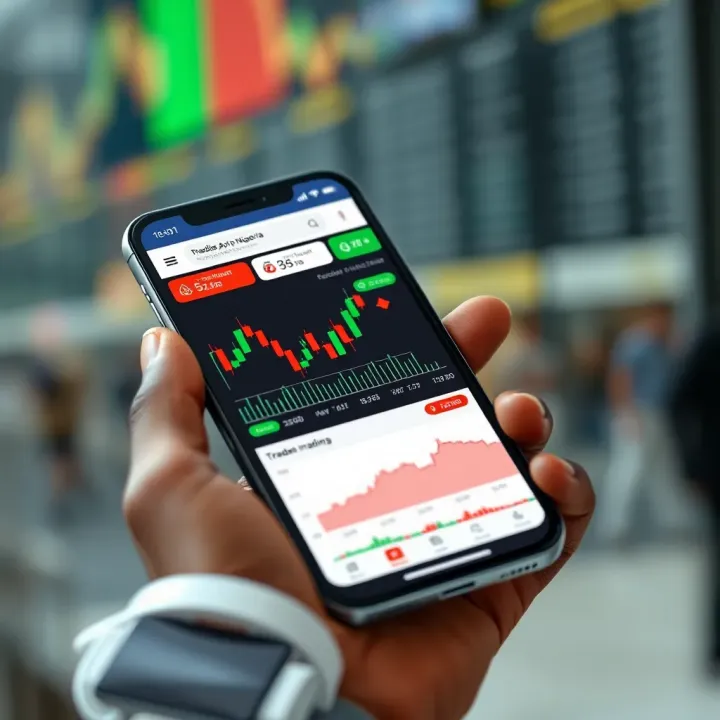
📱 Discover top trading apps for Nigerian investors, learn how to pick the right platform, avoid common challenges, and boost your trading success with smart tips. ₦

📱 Discover how arbitrage trading apps help Nigerian traders profit from market price gaps. Learn app features, risks, and tips for smart investing today!
Based on 11 reviews