
Best Crypto Trading Platforms in Nigeria
🔍 Explore top crypto trading platforms in Nigeria! Compare features, fees, security, local payments & support to choose the best fit for you.
Edited By
James Whitaker
Cryptocurrency trading has steadily gained traction in Nigeria, attracting traders, investors, and analysts eager to tap into this fast-moving market. With the naira facing pressure and inflation affecting buying power, many have turned to crypto as both an investment and a hedge. However, navigating this space requires understanding which platforms are trustworthy, how regulations affect trading, and the security practices essential to safeguarding your funds.
Several platforms stand out to Nigerians for their ease of use, liquidity, and variety of coins. Binance, for example, offers a broad range of cryptocurrencies and local payment methods, such as bank transfers and P2P options tailored for Nigeria. Luno, another popular choice, focuses on beginners with a straightforward interface and straightforward bitcoin and ethereum trading. Then, there is Quidax, a homegrown platform that combines speed in deposits and withdrawals with local currency support.
Security remains a top concern as crypto trading's rise has unfortunately come with scams and fraud. Users should always activate two-factor authentication (2FA), be cautious about phishing attempts, and avoid sharing private keys or passwords. On the technical front, choosing platforms with insurance policies or cold storage for assets adds extra protection.
The Nigerian regulatory landscape is still evolving, with the Central Bank of Nigeria (CBN) having restricted banks from facilitating crypto transactions in 2021. That said, many Nigerians still use P2P trading and fintech services that comply with local laws. Following SEC Nigeria and CBN updates remains wise for traders to avoid running afoul of restrictions.
Trading crypto in Nigeria offers significant opportunity, but success depends largely on picking the right platform, understanding regulatory limits, and practising strict security measures.
Payment options suited to Nigerian banks and mobile money wallets
Transparent fee structures and clear user reviews
Security protocols like cold wallets and 2FA
Responsive customer support within local time zones
Compliance with Nigerian financial regulations
Knowing the landscape helps you avoid fraudulent platforms and costly mistakes. In this article, we will explore crypto trading platforms popular among Nigerians, highlight their features, assess risks, and share practical safety tips to protect your investments in Nigeria's unique crypto scene.
Understanding the crypto trading landscape in Nigeria starts with knowing the platforms available to traders. These platforms are the gateways through which users buy, sell, and manage cryptocurrencies like Bitcoin and Ethereum. Since crypto trading is relatively new here, having a clear picture of popular platforms helps traders pick those that meet their needs while avoiding scams or poor service.
Several platforms dominate Nigeria’s crypto scene. For instance, Binance and Luno have strong user bases thanks to their straightforward user experience and reliable customer support. Binance, with its global reach, offers access to numerous cryptocurrencies and advanced trading features. Meanwhile, Paxful is preferred by those interested in peer-to-peer (P2P) trading, making it popular for Nigerians who want to trade directly with others. The size of the user base matters because it affects liquidity — a larger community means more active buyers and sellers, which generally leads to better prices and quicker trades.
Trading options range from simple buy-sell transactions to more complex tools like futures and margin trading. Most Nigerian traders start with spot trading (the immediate exchange of crypto for fiat or vice versa) available on platforms like Quidax and Bundle Africa. These platforms support popular cryptocurrencies such as Bitcoin (BTC), Ethereum (ETH), and Binance Coin (BNB) alongside Nigerian naira (₦) pairs, making it easier for local traders to cash in or out. Specialized platforms may offer stablecoins like USDT or newer tokens, but it's crucial to understand the risks tied to lesser-known cryptos.
Setting up an account typically requires basic details like your name, phone number, and email, followed by verification with a valid ID such as National Identification Number (NIN) or International Passport. This Know Your Customer (KYC) process is crucial for regulatory compliance and prevents fraud. For example, Luno asks new users to provide a government-issued ID and a selfie photo to confirm identity before enabling withdrawals. While it may seem cumbersome, completing verification quickly enables higher trade limits and access to all platform features.
Platforms cater to Nigerian users by supporting local payment options including bank transfers, USSD codes, and mobile wallets like OPay. Some platforms allow direct bank deposits which are faster and cheaper than international wire transfers. Withdrawals usually happen via the same channel users deposited, but confirming this with the platform is important to avoid delays. Notably, some services use stablecoins or P2P networks to sidestep banking restrictions imposed by the Central Bank of Nigeria (CBN), allowing users to convert crypto to naira more smoothly.
User interfaces vary—some platforms offer clean, mobile-friendly apps suitable for beginners, like Binance Lite or Quidax’s mobile version. More experienced traders prefer platforms with advanced charting, order book views, and tools like stop-loss and limit orders, which help manage risk effectively. For example, Binance provides a full desktop interface with real-time charts and technical analysis features, whereas Bundle Africa opts for simplicity targeting new traders. Choosing a platform with an interface you understand makes all the difference between steady trading and costly mistakes.
A platform that matches your trading style and meets local transaction needs reduces friction and maximises your chances of success in Nigeria’s evolving crypto market.
In summary, getting familiar with platforms available in Nigeria, how they operate, and the options they offer has practical benefits for making smarter crypto trades. Whether you are just starting or looking to expand, this overview points you toward platforms that suit your level and style.
The regulatory environment shapes how crypto trading operates in Nigeria, directly affecting traders, platforms, and overall market confidence. Understanding the laws and guidelines helps investors navigate risks while improving compliance. Nigerian crypto regulations aren't static—they shift with government priorities and global trends. This section highlights crucial rules and their practical effects on the local crypto ecosystem.
The Central Bank of Nigeria (CBN) issued a major circular in February 2021 that restricts banks and financial institutions from facilitating crypto transactions. This directive effectively bars Nigerian banks from servicing crypto exchanges or processing fiat-to-crypto conversions, aiming to limit perceived risks from volatile currencies and illicit activities. While the policy intends to protect the financial system, it complicates trading for average Nigerians, who face challenges funding their crypto accounts or cashing out profits via local banks.
Despite the ban, peer-to-peer (P2P) trading has surged as an alternative. Platforms like Binance P2P and Patricia allow users to exchange crypto for naira directly with others. This workaround highlights the tension between regulation and practical demand, where users find ways around restrictions without formal banking support.
The Nigerian SEC is stepping up to regulate digital assets under its securities mandate. It recognises that many crypto tokens can qualify as securities, bringing them under SEC oversight. This move aims to protect investors through registration requirements, disclosure obligations, and anti-fraud measures.
For traders, this means heightened scrutiny of crypto investment schemes and platforms operating within Nigeria. The SEC regularly issues investor alerts and enforces penalties on fraudulent operations, helping curb scams. Clearly labelled, SEC-registered platforms inspire more trust among Nigerian investors cautious after past losses.
CBN’s restrictions have cut off direct access between crypto platforms and Nigerian banks, complicating transactions. Traders often find it difficult to deposit or withdraw naira funds seamlessly, sometimes incurring higher fees or delays. The absence of official banking support can discourage new users, limiting the growth of crypto adoption in formal economic segments.
Businesses face increased operational complexity when scaling locally. Some exchanges struggle to affiliate with Nigerian payment gateways or rely solely on international payment options, which are less convenient and sometimes more costly for Nigerian customers.
In response, many platforms have adapted by focusing on P2P models and integrating local agents or informal payment networks. For example, platforms such as Quidax and BuyCoins have developed hybrid models that combine digital wallets with offline payment methods, easing access without directly involving banks.
Additionally, international players adjust terms for Nigerian users, offering limited services but encouraging community education on compliance and security. These adaptations show resilience and flexibility, ensuring that trading can continue despite regulatory hurdles, albeit in less traditional ways.
Navigating Nigeria’s crypto regulations needs careful attention to ongoing rules and creative approaches by platforms. Traders must balance opportunity with compliance to protect themselves and grow sustainably.
Understanding these layers of regulation allows Nigerian crypto traders to make informed decisions, engage with reliable platforms, and mitigate risks tied to legal uncertainties.
Picking the right crypto trading platform is critical for anyone interested in trading digital assets in Nigeria. The platform you choose can determine how secure your investments are, how much you pay in fees, and how smooth your trading experience will be. Given the regulatory landscape and the evolving fintech scene in Nigeria, making an informed choice helps reduce risks and optimise gains.
Security and compliance stand out as non-negotiable. Nigerian traders face unique challenges because of past Central Bank of Nigeria (CBN) restrictions on bank dealings with crypto platforms. Hence, platforms that comply with local and international regulations offer reassurance. Look for features such as two-factor authentication, encryption standards, and clear user verification procedures. For example, platforms like Binance NG or Quidax have taken steps to enhance security and align with regulatory expectations, helping traders avoid scams or frozen accounts.
Transaction fees and charges directly impact profitability, especially for those trading frequently or with small amounts. Some platforms charge fixed fees per trade, while others take a percentage of the trade volume. Nigerian users should pay attention to fees on deposits and withdrawals as well, since naira liquidity can be tight and currency conversion costs may apply. For instance, some local platforms allow low-cost naira deposits, while international platforms might have higher withdrawal fees or poor exchange rates.
Customer support quality is often overlooked but important. When market volatility spikes or technical issues arise, responsive support can save you from bigger losses or frustrations. Nigerian traders should prefer platforms offering 24/7 customer support via multiple channels like chat, email, or phone. The ability to receive swift help is a practical consideration, especially if you encounter issues related to payment or identity verification.
Ease of use for Nigerians differs between local and foreign platforms. Local platforms typically offer interfaces that understand local languages, payment options, and regulatory norms. They tailor their user experience for Nigerians, reducing friction in onboarding and daily trading. International platforms, while feature-rich, sometimes lack support for Nigerian payment methods or localised customer service, which can complicate matters.
Access to trading pairs and liquidity varies widely. International platforms like Binance and Coinbase offer a vast range of cryptocurrencies and high liquidity, allowing traders to enter or exit positions quickly without huge spreads. Local platforms may have fewer trading pairs, limiting investment options, but can provide more straightforward access to popular crypto like Bitcoin or Ethereum. Traders must weigh whether wider choices or ease of access matter more for their strategy.
Payment method availability is a practical concern. Local platforms tend to integrate common Nigerian payment channels such as bank transfers, USSD codes, and mobile money services, which simplifies funding your account. International platforms may depend on credit cards or crypto deposits, which some Nigerian traders find less convenient or expensive. Considering how easily you can deposit or withdraw funds while avoiding delays or hidden costs is essential.
Choosing a trading platform isn't just about features on paper — it hinges on how well it fits your needs as a Nigerian trader, from security to payment options.
Ultimately, investing time in comparing your options pays off. Whether you opt for a local platform familiar with Nigerian realities, or a global giant with extensive services, clear understanding of these factors will help you trade smarter and safer.
Security is a top concern for crypto traders in Nigeria, given the digital nature of assets and the risk of cyberthreats. Practising good security measures helps protect your investments from theft, unauthorised access, and scams. This section highlights essential steps that safeguard your crypto trading activities, ensuring your hard-earned naira stays secure.
Two-factor authentication (2FA) adds an extra layer of defence beyond just your password. It typically requires a second verification step such as a time-sensitive code from an app like Google Authenticator or a text message to your phone. For Nigerian traders, where account hacking is a common threat, enabling 2FA on platforms like Binance or Luno can prevent attackers from accessing your accounts even if they guess or steal your password.
Setting up 2FA is straightforward and usually takes minutes. Imagine your account is like the door to your house: a password is the lock, and 2FA is the security guard checking IDs before letting anyone through. Some platforms also offer biometric authentication, such as fingerprint scanning, adding yet another security safeguard.
Strong password management is equally critical. Avoid using obvious passwords such as "123456" or your birthdate. Instead, combine letters, numbers, and symbols into a unique, complex phrase. Nigerian traders often reuse passwords across platforms, which is risky because a breach on one site puts all your accounts in jeopardy.
Using a reputable password manager helps generate and store complex passwords safely. Change passwords regularly, especially after security alerts. Always avoid saving passwords on shared or public devices, given the risks of data theft common in busy internet cafes or public Wi-Fi areas in Nigeria.
Recognising phishing attempts can save you a lot of trouble. Phishing tries to trick you into revealing account details via fake emails, websites, or messages mimicking real platforms. In Nigeria, fraudsters sometimes create convincing copies of trading platform sites or send WhatsApp messages pretending to be customer support.
To protect yourself, always check the web address carefully, avoid clicking suspicious links, and never share your private keys or passwords with anyone. If you receive unsolicited messages demanding urgent action on your account, it’s usually a sign of phishing.
Verifying platform legitimacy helps you avoid falling into traps set by fake or unreliable exchanges. With several unregulated crypto platforms claiming to serve Nigerians, due diligence pays off. Confirm a platform’s track record by checking reviews, regulatory registrations with bodies like the SEC Nigeria, and user feedback on forums.
Legitimate platforms have clear terms of service, official social media channels, and responsive customer support. For instance, platforms like Kuda Crypto operate within Nigeria’s fintech ecosystem and provide transparency in operations. Avoid platforms promising unrealistically high returns, as these are often scams targeting new traders.
Always treat your crypto account like your bank account. Good security practices keep your assets safe from fraudsters, whether it's through strong authentication or spotting scams early.
Taking these security steps seriously positions Nigerian crypto traders to navigate the market with confidence, reducing risk as they explore the opportunities available within the sector.
Trading efficiency on Nigerian crypto platforms helps traders optimise profits and reduce risks in a volatile market. Since Nigeria’s crypto scene is shaped by unique regulatory pressures and payment challenges, effectively using available tools and strategies can significantly improve outcomes. Knowing which platform features to prioritise and adopting prudent trading habits enables traders, especially beginners, to navigate market twists with more confidence.
Charting and analysis tools play a vital role for Nigerian traders aiming to make informed decisions. These tools allow users to view price movements over time, identify patterns, and analyse trends. For instance, a trader using the TradingView integration available on some local exchanges can spot support and resistance levels for Bitcoin or Ethereum, which helps decide when to buy or sell. Efficient charting tools also include indicators like Moving Averages and RSI (Relative Strength Index), which signal market momentum and potential reversals. Without these, trading often becomes guesswork, increasing exposure to loss.
Stop-loss and limit orders offer automated safeguards against sudden price swings common in Nigeria’s crypto market. A stop-loss order automatically sells a crypto asset once it hits a certain price, protecting a trader from further losses during crashes or unexpected dips. For example, if you buy Bitcoin at ₦3 million, setting a stop-loss at ₦2.8 million ensures you exit the position before losses compound. Limit orders, on the other hand, let you specify the exact price at which you want to buy or sell, preventing impulsive moves and helping secure better trade entries or exits. These features are especially useful given Nigeria’s sometimes erratic forex and banking systems that can affect liquidity.
Starting with small amounts is a practical approach for first-time Nigerian crypto traders. Beginning with a modest sum, say ₦10,000 to ₦20,000, minimises potential losses while allowing hands-on experience with market dynamics and platform functions. Unlike the lure of large gains from putting in big money initially, starting small curbs emotional trading and helps build discipline. This approach is helpful since the naira’s value can fluctuate sharply, impacting investment value.
Learning from market trends and news is equally crucial for trading success. Keeping abreast of global crypto developments alongside local events—like CBN’s announcements or SEC regulatory updates—helps traders anticipate price movements. For example, news of tightened crypto regulations often triggers sell-offs, while positive developments boost confidence and prices. Active engagement with crypto news sources, market analyses from platforms like Binance or NairaEX, and Nigerian financial media can provide timely insights. Over time, this sharpens a trader’s instincts about when to enter or exit trades.
Maximising trading efficiency is not just about advanced tools — it's about combining smart features with practical trading habits tailored to Nigeria’s market conditions. This approach builds resilience and improves chances of success amid uncertainty.
In summary, Nigerian crypto traders improve their odds by leveraging charting tools and automated orders, starting trades with smaller amounts, and continuously following market trends and regulatory news. These steps reduce guesswork, help manage risks, and make trading more strategic and less stressful.
🔍 Explore top crypto trading platforms in Nigeria! Compare features, fees, security, local payments & support to choose the best fit for you.
Explore the nuts and bolts of crypto trading platforms in Nigeria 🇳🇬: types, security tips, regulatory advice, and how to protect your ₦ investments wisely. 📈💼
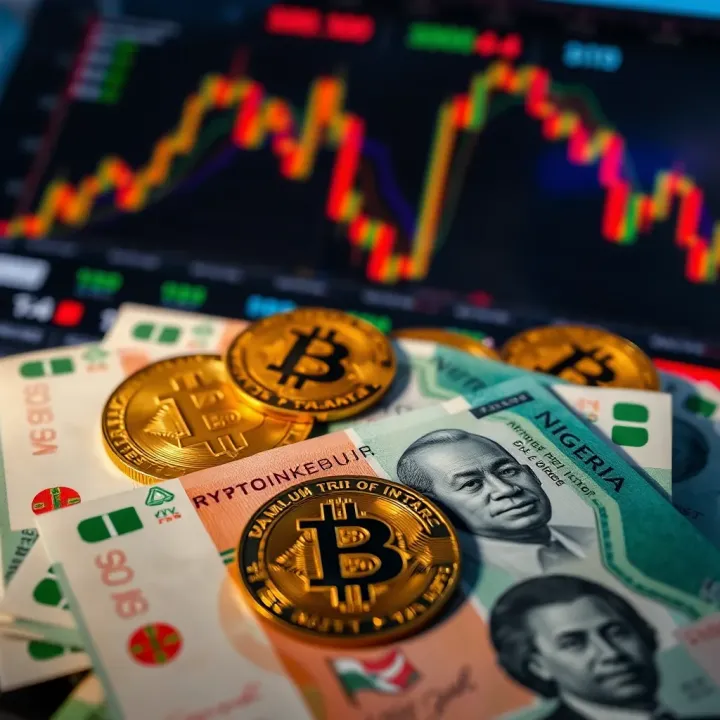
Explore how crypto trading works in Nigeria 🇳🇬, covering key platforms, regulations, risks, and practical tips to help you trade digital currencies safely and smartly ₦.
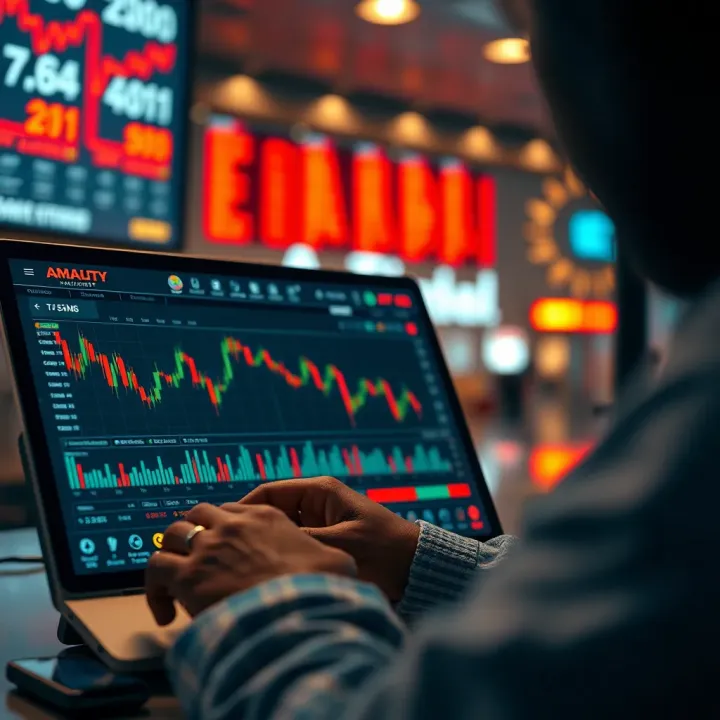
🔍 Find the best crypto trading platforms in Nigeria! Learn about security, fees, ease of use, and support to trade smartly and safely. 💰📱
Based on 15 reviews