

Top Forex Trading Strategies for Nigerian Traders
📈 Explore smart Forex trading strategies tailored for Nigeria 🇳🇬. Learn essential tools, risk management, market analysis & avoid common trader mistakes.
Edited By
Daniel Hughes
Forex trading in Nigeria has grown steadily, attracting traders eager to tap into this global market for ₦ gains. But with the many strategies circulating, it's vital to focus on approaches backed by evidence and tailored to local market conditions. PDFs offer a handy way to access tested forex trading methods, especially for traders using laptops or mobiles to stay flexible.
This guide highlights key forex trading strategies available in PDF format that Nigerian traders can apply directly. Instead of generic advice, the focus is on practical, actionable techniques that work well under the peculiar market dynamics here, such as volatility influenced by naira exchange rates and global oil prices.

Successful forex trading depends largely on choosing the right strategy and applying it consistently with patience and discipline.
Many Nigerian traders stumble because they jump between strategies without mastering one, leading to losses. By using quality PDFs, you verify the source and depth of the approach before applying it, saving time and reducing guesswork.
Some strategies covered in these PDFs include:
Trend following: Detecting and riding market momentum, suited for volatile currency pairs like USD/NGN or EUR/USD.
Range trading: Capitalising on stable price zones when currencies lack clear direction, often seen during low liquidity periods in Nigerian sessions.
Breakout strategies: Entering trades when prices move beyond support or resistance levels, especially right after major economic reports.
A good PDF guide details entry and exit rules, risk management (like setting stop-loss orders), and position sizing. In Nigeria, managing risk is critical because factors like power outages can disrupt internet connectivity mid-trade.
By selecting quality forex strategy PDFs and aligning them with real market conditions here, traders increase their chances for steady returns. The next sections will show where to get these PDFs, how to apply them specifically in the Nigerian forex market, and essential tools to make your trading sharper and safer.
Understanding forex trading strategies is fundamental for any trader aiming to navigate the volatile currency market effectively. These strategies offer structured approaches to analysing price movements and making informed decisions, which is crucial in a market driven by complex factors such as geopolitical events and economic data. For Nigerian traders, understanding these strategies helps in adapting global methods to local realities like naira fluctuations.
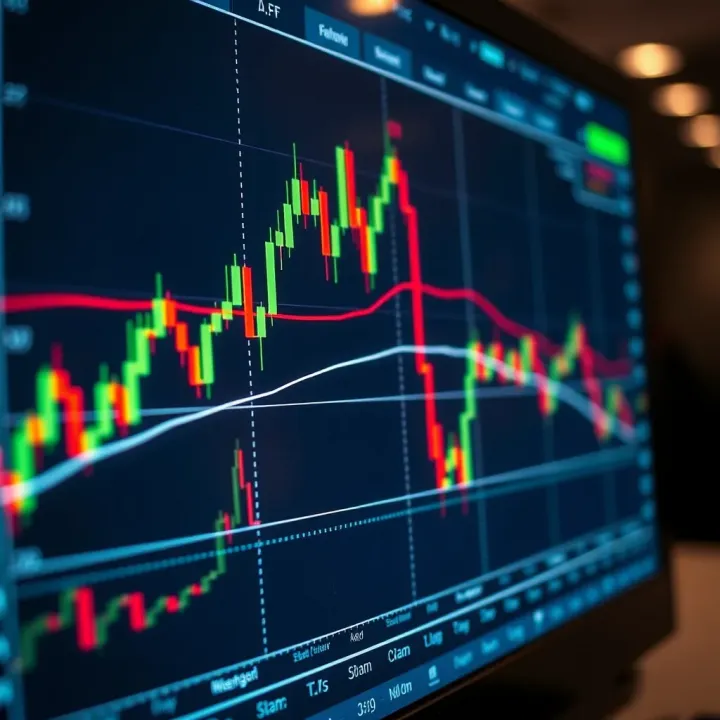
Technical analysis-based approaches rely on historical price data and chart patterns to predict future market behaviour. Indicators like Moving Averages, Relative Strength Index (RSI), and Bollinger Bands are common tools that help traders identify trends, reversals, and entry or exit points. For example, a trader in Lagos might track the EUR/USD pair using a 50-day Moving Average crossover strategy to catch short-term price shifts.
Fundamental analysis strategies focus on the macroeconomic variables influencing currency values, such as inflation rates, interest rates, and political developments. Nigerian traders closely monitor Central Bank of Nigeria (CBN) monetary policies and major events like Federal Budget releases to gauge naira strength. These strategies require digesting financial news and economic reports to anticipate market moves driven by real-world factors.
Hybrid and automated methods combine both technical and fundamental analyses with automated trading systems or algorithms. This approach appeals to traders who want consistent monitoring without emotional bias. For instance, forex bots programmed to trade during Nigerian economic announcements can execute rapid trades based on preset criteria, eliminating human hesitation.
Accessibility and offline use make PDF guides highly practical for Nigerian traders who might face inconsistent internet connectivity. Downloading reliable forex strategy guides allows traders to study techniques anywhere — be it while commuting in a danfo or during a power outage at home without internet access.
Structured learning from experts is another benefit PDFs provide. Quality PDF materials often come from seasoned forex analysts and educators who distil years of experience into clear, step-by-step instructions. Such structured resources help Nigerian traders avoid the trial-and-error phase and build sound trading habits right from the start.
Using PDFs for reference and review adds long-term value. Unlike videos or blog posts that can be transient, PDFs serve as stable reference documents. Traders can annotate key points, revisit complex strategies, or share guides with peer groups. This habit is useful during busy trading periods or ember months when strategy refreshers are welcome.
Having a solid grasp of forex trading strategies and reliable PDF resources equips Nigerian traders to trade smarter, not just harder, boosting chances of consistent ₦-profit over time.
Locating trustworthy forex trading PDF guides is essential for anyone serious about building consistent profits in the forex market. In Nigeria, where the forex landscape can be tricky due to fluctuating naira values and regulatory nuances, having access to credible, well-structured material is a solid starting point. High-quality PDF guides offer not just strategies but also clear explanations and examples you can review offline — giving you a practical edge.
Forex broker educational portals provide a valuable source of free or paid PDF guides directly from the brokers you trade with. These portals are designed to boost their clients’ trading skills because a successful trader often means increased activity on their platform. For example, platforms like FXTM or IG offer detailed PDF resources on technical indicators and risk management that are regularly updated. These guides usually align with the broker’s trading software, making it easier for you to apply what you learn straight away.
Reputable forex communities and forums are also treasure troves of useful PDF materials. Places like ForexFactory, BabyPips, or even Nigeria-focused trader groups share curated or original PDF guides that reflect practical experiences from active traders. Being part of such communities helps because you can ask questions about any confusing content and get feedback from seasoned traders who often point out local market peculiarities. This peer support complements the learning experience, especially for novices.
Downloadable guides from established authors are another reliable option. Authors with years of trading experience or strong academic backgrounds often share PDF ebooks covering well-tested forex strategies. These guides tend to be richer in detail and systematically arranged to take you from basics to advanced levels. For instance, respected authors like Kathy Lien or John J. Murphy have materials that include applied examples relevant for all markets, including emerging ones like Nigeria.
The forex world unfortunately has its share of scammy PDF offers promising quick riches with little effort. Watch out for red flags like wildly unrealistic profit claims, poorly written content full of errors, or guides that require upfront payment with no visible track record. If a PDF pops up on random sites or social media touting guaranteed success overnight, it’s best to steer clear. Quality forex PDFs pay attention to both theory and practical limitations, not just hype.
Checking authenticity and reviews before downloading any forex PDF guide is a smart move. Look for verified platforms where previous readers rate the materials or give detailed feedback. Real reviews often mention how applicable the strategies were or if the guide was outdated. Nigerian trader forums and blogs also provide feedback on commonly circulated PDFs. This due diligence avoids wasting time on guides that don’t hold up in real trading conditions.
Using official websites and Nigerian forex platforms adds another layer of safety, because materials sourced directly from these places have a lower chance of being fake. For example, checking educational resources on the websites of the Central Bank of Nigeria (CBN)-approved brokers or prominent local fintech firms like Paystack’s trading education portal can be safer. These sites often host vetted PDF guides tailored with some local context in mind.
Always remember: Reliable forex trading PDF guides combine clear explanation, local insight, and real-world examples. Your trading success begins with the quality of resources you trust and learn from.
Forex trading strategies developed globally often need fine-tuning to fit Nigerian market realities. The local environment presents unique factors such as naira volatility, Central Bank of Nigeria (CBN) policies, and multiple exchange rates that significantly influence trading outcomes. By adapting strategies thoughtfully, traders can avoid pitfalls and make use of opportunities only present in Nigeria's forex landscape.
The naira's value can vary sharply due to CBN intervention, monetary policy changes, and foreign exchange inflows or shortages. For example, during periods of stringent forex controls or shifts in the Monetary Policy Rate (MPR), the exchange rate may deviate from global trends. Traders who apply standard global strategies without factoring in these local dynamics often face unexpected losses.
A practical adaptation involves monitoring CBN policy announcements closely and adjusting position sizes accordingly. For instance, if the CBN signals a tightening policy to defend the naira, traders might expect reduced volatility but potential sharp directional moves. Incorporating local monetary signals into technical analysis tools helps better time entries and exits.
Nigeria's forex market suffers from restricted access to official exchange rates, pushing many traders to rely on parallel market (black market) rates, which can be significantly different from official ones. This dual-rate system affects liquidity and price discovery.
Forex strategies must therefore account for this spread between official and parallel rates. For instance, arbitrage opportunities exist when open market rates deviate widely from the official rate. However, executing these trades requires quick action and awareness of regulatory risks. Nigerian traders often balance trades between these two rates to minimise cost and risk, a nuance rarely found in global strategies.
Nigeria’s economy has specific indicators that move the forex market — oil prices, inflation rates, government fiscal policies, and external debt repayments are crucial examples. Forex strategies that use fundamental analysis should incorporate this local data.
Trading around Nigeria’s inflation reports or oil production announcements can provide the edge. For example, a spike in crude oil prices usually strengthens the naira, prompting traders to go long on the currency. Ignoring these signals could result in missed opportunities or ill-timed trades.
Nigerian forex traders commonly use indicators like the Relative Strength Index (RSI), Moving Average Convergence Divergence (MACD), and Bollinger Bands. These tools help identify overbought or oversold conditions in volatile markets like Nigeria’s.
A trader might combine RSI readings with CBN policy updates to confirm entry points. For instance, if RSI shows oversold conditions just as the CBN signals a policy rate cut, it could be a strong buy signal for naira pairs.
Trading around scheduled events such as CBN’s Monetary Policy Committee (MPC) meetings or Nigeria’s quarterly GDP releases is a strategy many local traders adopt. These events often cause sudden price swings.
By planning trades before and after these announcements, traders can position themselves to benefit from volatility spikes or steady trends, avoiding rash decisions during turbulent periods.
Several Nigerian traders have profited by focusing on the gap between official and parallel market rates. For example, an Lagos-based trader successfully executed trades using price action strategies, buying naira pairs when the parallel market showed strengthened demand ahead of official rate adjustments.
Another case involved a trader who timed positions based on oil price movements and CBN announcements, achieving consistent gains despite broader market uncertainty. These real-life cases underline the importance of blending local context with tested forex strategies.
Applying forex strategies in Nigeria requires more than copying global techniques; understanding local market quirks transforms potential into real profit.
Adapting and applying forex trading strategies with Nigerian market conditions in mind gives you a solid edge. By weaving in local data, monitoring naira trends, and timing trades around key events, your forex trading can be more precise and relevant to the unique Nigerian environment.
Managing risk is the bedrock of lasting success in forex trading, especially on volatile markets like Nigeria's. Without strong risk controls, even the best strategies from PDF guides can quickly lead to heavy losses. Effective risk management helps protect your capital, limits emotional trading, and positions you to stay in the game longer for bigger gains.
Using price action to decide exit points means relying on actual price movements rather than guesses or fixed targets. For example, if forex charts show consistent support at ₦460/$, placing a stop loss slightly below that prevents major losses if the price drops. Conversely, take profit points can be set near resistance levels where prices often reverse. This method adapts to how the market behaves each day, helping you exit trades at logical spots.
Avoiding emotional decision-making is vital since many traders rashly close losing positions or hold onto losing trades for too long hoping for a turnaround. By setting clear stop loss and take profit levels before entering a trade, you remove guesswork and fear from the process. This discipline reduces impulse moves that usually harm your capital.
Adapting risk levels to your account size ensures you don't overexpose yourself. For instance, risking 1% or 2% of your total trading capital per trade is a common guideline. So, if your account is ₦500,000, the maximum loss per trade should stay below ₦10,000. This approach prevents a few bad trades from wiping out your funds and encourages steady growth.
Diversifying currency pairs means not putting all your funds into a single forex pair, such as USD/NGN. Instead, spread your trades across several pairs like EUR/USD, GBP/USD, or even regional currencies like ZAR/USD. This reduces the impact of adverse moves in one market and exploits different economic drivers.
Position sizing based on volatility requires adjusting how much you trade depending on how wildly a currency moves. For example, the USD/NGN pair can be quite volatile due to central bank policies, so using smaller positions reduces risk. Less volatile pairs can handle bigger sizes. This tactic balances risk and potential reward better.
Avoiding overtrading during market stress means resisting the urge to enter multiple trades frequently when news or economic events shake the market. High emotions and rapid price swings can cloud judgement. Pausing or reducing trade frequency during such times helps preserve capital and keeps you focused on quality, not quantity.
Good risk management ensures you work smarter, not harder, protecting your ₦ and maintaining control over your trading journey.
In summary, precise stop loss and take profit placement, disciplined emotional control, and smart capital allocation are essential for reliable forex trading. Combining these risk tactics with the right PDF strategies strengthens your potential to succeed in Nigeria's unique forex market.
In forex trading, having the right tools and technology can make all the difference between success and losses. These resources help you execute strategies more accurately, monitor the market efficiently, and manage your trades with a clearer perspective. For Nigerian traders, choosing platforms and software suited to local needs ensures smoother operations despite challenges like intermittent internet or power outages.
Nigerian traders commonly use platforms such as MetaTrader 4 (MT4), MetaTrader 5 (MT5), and cTrader. These platforms are favoured because they support multiple brokers, offer seamless mobile access, and are compatible with both Android and iOS devices, which many Nigerian traders rely on. Local fintech companies like OPay and Kuda have also started integrating some forex trading functionalities, adding options to the ecosystem.
Platforms like MT4 and MT5 come with built-in charting tools, technical indicators, and customisable interfaces. These features let you apply strategies straight from your PDF guides without switching between resources. For example, you can plot support and resistance lines, use Moving Averages, or apply the Relative Strength Index (RSI) directly on the platform. Plus, you can set up alerts to notify you when price levels meet your strategy conditions.
Being able to open and read strategy PDFs on your phone or tablet is a big plus for busy traders. Many Nigerian forex traders prefer reviewing strategy notes while commuting in danfos or during breaks. Mobile apps like Adobe Acrobat Reader and Microsoft Office allow smooth annotation, highlighting, and bookmarking. Having your strategies handy means you can cross-check them right before making a trade, reducing costly mistakes.
Many PDF guides reference specific indicators tailored to particular strategies. Fortunately, trading platforms support custom indicators you can load or modify to fit the instructions. For instance, if a guide suggests using Bollinger Bands with custom settings, you can adjust the parameters directly in the software. This flexibility ensures that you are not forced to follow one-size-fits-all methods but can personalise your approach.
Automated alerts are crucial in forex, especially when markets can move rapidly. Platforms let you program price alerts, or subscribe to trading signals based on your strategy parameters. In Nigeria, where traders might juggle forex with other commitments, these alerts help avoid missing entry or exit points. Automated signals can be set up to notify via SMS or app notifications, making them practical in the local context.
While automation helps reduce emotional decisions and speed up responses, manual trading keeps you engaged with the market's nuances. Nigerian traders should aim to blend both: use automated indicators to track signals, but apply manual discretion based on local economic news or Central Bank policy changes. This balance prevents overreliance on robots and ensures you remain an active participant in your trading journey.
Effective use of these tools tailored to your PDF strategies can improve precision, help manage risk better, and adapt your trading style to Nigeria’s unique forex environment.
📈 Explore smart Forex trading strategies tailored for Nigeria 🇳🇬. Learn essential tools, risk management, market analysis & avoid common trader mistakes.

Explore practical forex trading strategies tailored for Nigerian traders 🇳🇬. Learn essential principles, proven techniques, and risk management tips to boost your trading skills 📈.

Learn the essentials of forex trading 📈: key concepts, risk management, trading methods, and factors that shape currency markets for smart decisions.

Learn forex trading basics, strategies, risks, and best platforms tailored for Nigerian traders. Gain practical tips to trade confidently and securely 📈💱🇳🇬
Based on 12 reviews