
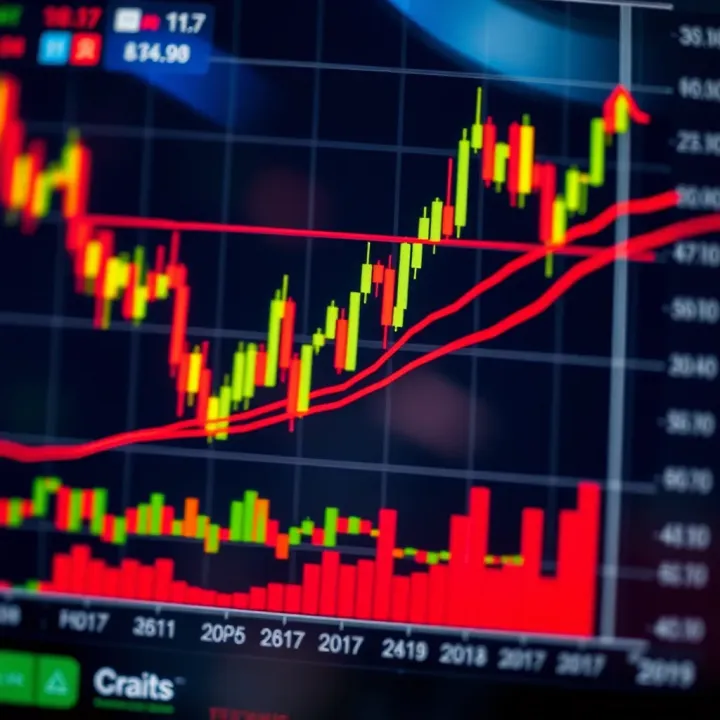
Beginner's Guide to Forex Trading in Nigeria
📈 Ready to start forex trading in Nigeria? Learn essential terms, market basics, risk tips, and how to build a solid trading plan step-by-step.
Edited By
Isabella Wright
Forex trading, also known as foreign exchange trading, involves buying and selling currencies to profit from fluctuations in exchange rates. For many Nigerians, forex trading presents a way to diversify income, especially with the increasing ease of online platforms and mobile trading apps. But before jumping in, it's vital to grasp the core basics.

You’re basically exchanging one currency for another, like swapping Nigerian Naira (₦) for US dollars ($). Traders try to predict whether a currency will strengthen or weaken against another and make trades accordingly to earn profits. For example, if you believe the Euro (EUR) will rise against the US dollar (USD), you buy EUR/USD. When the rate moves in your favour, you sell to lock in gains.
Trading happens in pairs because you are always buying one currency and selling another simultaneously. Some common forex pairs include:
Major pairs: EUR/USD, GBP/USD, USD/JPY
Minor pairs: EUR/GBP, GBP/JPY
Exotic pairs: USD/NGN, USD/ZAR
The value of these pairs fluctuates 24/5 due to global economic events, political changes, and market sentiment.
The market's global nature means you can trade anytime, even with limited capital. Platforms like MetaTrader, OANDA, and local brokers make access easier. Another attraction is leverage – borrowing money to increase your trading position. But leverage can amplify losses too, so caution is necessary.
Forex trading is not a guaranteed money-maker. Proper education, risk management, and patience are essential to avoid common pitfalls.
For beginners, a good place to start is downloading a reliable forex trading basics PDF or attending free webinars offered by trusted brokers. Practice on demo accounts to get a feel for how trades move and how to use tools before committing real funds.
Next, understand key terms such as:
Pip: The smallest price move a forex pair can make.
Spread: The difference between the buying (ask) and selling (bid) price.
Leverage: Trading with borrowed funds.
Lot size: Volume of currency units that you're trading.
Mastering these helps build a strong foundation as you move forward.
Starting forex trading is less complicated than many think, but it requires discipline and continuous learning. With Nigeria’s growing fintech environment and improving internet access, trading forex can be a legitimate way to grow your wealth if you approach it with a clear plan and realistic expectations.
Forex trading represents one of the largest financial markets globally, offering opportunities for profit from currency value changes. For Nigerians, understanding forex is essential because it can be a practical way to earn foreign exchange income and preserve wealth amid economic fluctuations. This section lays the groundwork by unpacking what forex trading really means and why it has become so popular across Nigeria.
At its core, forex (foreign exchange) trading involves buying and selling currencies against each other. The main goal is to profit from fluctuations in exchange rates. Unlike stocks or commodities, forex deals with pairs of currencies — Nigeria’s naira (₦) could be exchanged against the US dollar ($), euro (€), or other currencies. The market operates 24/5, making it accessible anytime, especially for Nigerians who must work around local market hours and time zones.
Forex trading covers a wide range of instruments including spot trading, forwards, futures, and options, but beginners commonly start with spot forex, the purchase or sale of currency for immediate delivery. The vast size of the forex market and its high liquidity means traders can enter and exit positions quickly, which suits short-term trading styles often used by Nigerian traders.
Currencies in forex are quoted in pairs, such as USD/NGN or EUR/USD. The first currency in the pair is the base currency, and the second is the quote currency. The price shows how much of the quote currency you need to buy one unit of the base currency. For instance, if USD/NGN is at ₦415, it means ₦415 is needed to buy one US dollar.
Nigerian traders usually focus on major pairs involving the US dollar, euro, pound sterling, and sometimes the South African rand due to economic ties. Understanding the behaviour of these pairs helps in making informed trading decisions. Also, the spreads—the difference between buying and selling prices—affect profitability, so choosing pairs with tight spreads is beneficial.
Many Nigerians see forex trading as a way to supplement income beyond traditional agriculture, small businesses, or salaried jobs. Unlike conventional investments that may require large starting capital, forex allows smaller stakes with the possibility of quick returns due to leverage. For example, a trader can control ₦100,000 worth of currency with as little as ₦10,000 using leverage, increasing their earning potential. However, with higher rewards come higher risks, which is why education and risk management are vital.
Forex also provides flexible entry points; traders are not tied to fixed hours like market trading on the Nigerian Stock Exchange. This flexibility means a university student or a mama put operator can trade in their free time alongside other commitments.

Naira’s frequent swings against major currencies have driven more Nigerians to forex trading. As naira depreciates, the value of foreign currencies in naira terms rises, making forex trading a useful hedge against local currency weaknesses. For example, when the naira drops from ₦380 to ₦415 against the dollar, traders who anticipated this move can profit.
Additionally, businesses that rely on imported goods or pay foreign tuition fees often use forex as a tool to manage exchange rate risks. However, the central bank's policy changes like multiple exchange rates and restrictions on forex availability add complexities. Nigerian traders must stay updated with policy news to adapt their strategies appropriately.
Understanding these basics equips you to navigate the forex market more confidently. As we move forward in this guide, we will explore how these concepts come alive in trading strategies and practical applications suited to Nigerian realities.
Understanding the core elements of forex trading is essential before placing your first trade. These basics provide the foundation for navigating the market, making well-informed decisions, and managing risks effectively. For Nigerian traders, grasping these elements helps to adapt to the unique volatility of the naira and leverage market opportunities wisely.
The forex market is divided into several major trading sessions—namely, the Asian, European, and North American sessions. Each session has specific timelines relevant to the region's local time. For instance, the Asian session typically runs from 11 pm to 8 am WAT, the European session from 7 am to 4 pm WAT, and the North American session from 12 pm to 9 pm WAT. These sessions overlap partially, creating periods of higher market activity and liquidity.
Knowing when these sessions open and close helps you decide the best times to trade. For example, trading during overlapping sessions, such as when both the European and North American markets are open, often leads to tighter spreads and more price movement, potentially increasing profit chances.
Market hours affect trading choices since currency pairs’ behaviour can vary by session. For example, the EUR/USD pair is most active during European and North American hours. Nigerian traders should plan their trading schedule around these sessions to avoid low liquidity periods, which can lead to slippage or wider spreads, eating into potential profits.
Leverage in forex allows you to control a larger trade value with a smaller amount of your own money, called the margin. For example, with 50:1 leverage, you can control ₦50,000 with just ₦1,000. This magnifies your trading power but also amplifies both gains and losses.
Using leverage effectively means understanding how much risk you are willing to take versus your trading capital. In Nigeria, some brokers offer high leverage, which might be tempting, but beginners should start with lower ratios to manage risks better.
Trading on margin brings risks because losses can exceed your deposited funds if the market moves against your position sharply. This can lead to margin calls where brokers require you to add funds or close positions. Such risks highlight why careful planning and risk management strategies, like setting stop-loss orders, are vital.
Every forex trader should be familiar with key terms such as pip, lot, spread, and order types. A pip is the smallest price movement in a currency pair, often 0.0001 for pairs like USD/NGN. A lot refers to the size of your trade; standard lots equal 100,000 units of the base currency, but many brokers allow micro or mini lots for smaller investments.
The spread is the difference between the buy (ask) and sell (bid) prices and represents a cost to the trader. Different brokers and currency pairs have varying spreads; pairs involving the naira can have wider spreads due to liquidity factors.
Order types such as market order, limit order, and stop order help traders execute deals under specific conditions. Choosing the correct order type influences how and when your trades fill, directly impacting your trading outcome.
Understanding buy and sell positions clarifies how profits and losses happen. When you open a buy (long) position, you hope the currency’s price rises to sell later at a profit. Conversely, a sell (short) position profits if the price falls. For instance, if you buy USD/NGN at ₦750 and it moves to ₦760, you make ₦10 per unit traded. But if it falls, losses occur.
Knowing these basics gives Nigerian traders an edge to navigate forex markets rooted in clarity and precision, reducing surprises and helping sustain profitable trading habits.
In summary, mastering the market hours, leverage, margin, and key terminology shapes a beginner’s ability to trade forex confidently and effectively in the Nigerian context.
Understanding the methods of forex market analysis is vital for any trader aiming to make informed decisions. These methods help interpret market signals and predict currency movements, reducing guesswork. In Nigeria, where currency fluctuations can be sharp due to economic changes, knowing how to analyse the forex market properly gives traders an edge.
Chart reading and trend identification form the backbone of technical analysis. Traders study historical price charts to spot prevailing trends—whether an asset is climbing (an uptrend), falling (a downtrend), or moving sideways. For instance, a trader monitoring the USD/NGN pair might notice a consistent upward pattern over several days, suggesting a potential buying opportunity. Recognising trends early helps to time entries and exits better, which is critical for maximising profits.
Indicators and patterns commonly used help make chart analysis more precise. Traders employ tools like moving averages to smooth out price data and spot trend directions. For example, when a short-term moving average crosses above a long-term moving average (known as a "golden cross"), it often signals an upcoming rise in price. Popular chart patterns such as head and shoulders or double tops signal possible reversals, guiding traders when to buy or sell. Using these aids reduces emotional trading and sharpens decision-making.
Economic indicators significantly affect currency values and should be watched closely. Indicators like Nigeria's inflation rate, GDP growth, or unemployment figures impact the naira’s strength. Suppose the Central Bank of Nigeria releases data showing rising inflation; this could weaken the naira against other currencies, presenting both risks and opportunities for traders. Staying updated with such reports keeps traders aware of underlying economic shifts.
Central bank policies and news also move forex markets substantially. In Nigeria, CBN’s decisions on interest rates or foreign exchange interventions can trigger swift market reactions. For instance, a sudden increase in the Monetary Policy Rate (MPR) may strengthen the naira by attracting foreign investments. News about government policies, elections, or global events like OPEC decisions likewise impact currency rates. Because these factors can override technical signals, combining fundamental with technical analysis helps traders build a fuller market picture.
Mastering both technical and fundamental analysis lets you approach the forex market with balanced insight, improving your chance to manage risks and capitalise on opportunities effectively.
By integrating these analysis methods, Nigerian forex traders can navigate the often volatile market with greater confidence and clarity.
Managing risks in forex trading is not just sensible; it is essential for survival and growth. Many new traders jump in without a clear plan for handling losses, only to watch their capital dwindle quickly. Effective risk management means protecting your capital so you can stay in the game long enough to learn and profit. Nigerian traders, facing challenges like naira volatility and sometimes unpredictable market swings, need solid strategies that limit loss exposure while allowing room for gains.
Stop-loss orders are your defence against sharp, unexpected price moves. By setting a stop-loss, you decide the maximum loss you’re willing to accept on a trade. This prevents emotional decision-making when prices move against you. For example, imagine buying the USD/NGN pair at ₦460 and placing a stop-loss at ₦455. If the price drops to ₦455, your position closes automatically, cutting your loss to ₦5 per dollar traded rather than risking further decline. It’s crucial to place stop-loss levels realistically; too tight, and normal market noise will trigger it; too loose, and you risk larger losses.
Take-profit orders work like a safety net to lock in gains when the market moves favourably. Suppose you buy EUR/USD at 1.1000 and expect it to rise to 1.1100; placing a take-profit order at 1.1100 ensures your trade closes automatically when the target is hit. This removes temptation to hold on too long and possibly lose profits. For Nigerian traders operating amid volatile currency conditions, using take-profit tools alongside stop-loss orders helps maintain discipline and safeguard earnings.
A clear trading plan lays out the criteria for entering and exiting trades, money management, and risk tolerance. Without it, trading becomes guesswork or gambling. Consider a trader who sets a rule to risk only 2% of their capital per trade and follows technical signals like moving averages. Such a plan keeps emotions in check and prevents reckless decisions. Especially with challenges like fluctuating naira-Dollar rates, a consistent strategy helps traders adapt and stay calm amid noise.
Emotions like fear and greed often lead newbies to poor choices: closing trades too early or doubling down on losses. Practising patience and sticking to the trading plan is vital. When Nigerian traders experience sudden naira dips, the urge to panic or chase quick profits grows. Learning to accept minor losses without frustration and resisting overconfidence after wins can keep a trader steady and focused on long-term success.
Jumping into multiple trades just to recover losses or aiming for constant action often leads to bigger problems. For example, after losing ₦10,000 on one trade, a trader might impulsively make five more trades hoping to break even. This approach usually amplifies losses. Discipline means waiting for clear trade setups rather than forcing action, preserving capital for higher quality opportunities.
Currency markets react strongly to economic data, central bank announcements, and geopolitical events. Neglecting these factors is like driving blindfolded. For Nigerian traders, this means regularly checking CBN policies, inflation data, or international factors like US interest rates. Staying informed helps you anticipate market shifts and adjust your trades accordingly.
Good risk management and self-discipline separate consistent traders from those who burn out quickly. Protect your capital, plan your moves, and stay alert to news to trade smarter and longer.
Starting your forex trading journey can feel overwhelming, but having the right resources and tools makes a huge difference. Beginners especially benefit from guides, trusted platforms, and hands-on practice accounts that build confidence and understanding. These resources provide practical support, helping you avoid costly mistakes and sharpening your trading skills early on.
In Nigeria, reliable forex trading PDFs are often available through educational websites, local trading communities, and forex brokers with a strong local presence. Some brokers like FXTM and HotForex offer free downloadable PDFs tailored to Nigerian traders, covering concepts from basic terms to more advanced strategies. Accessing these PDFs helps you grasp the fundamentals without being swamped by jargon.
These PDFs serve as handy references you can revisit anytime. Whether you're at the barbing salon, commuting in a danfo, or relaxing at home, they give you bite-sized lessons and also explain common pitfalls to avoid. Their offline availability means you can study without worrying about unstable internet or high data costs, which are frequent challenges in parts of Nigeria.
Among Nigerian traders, platforms like MetaTrader 4 and MetaTrader 5 remain favourites due to their user-friendly interfaces and rich charting tools. Others, such as FXPro and IG Markets, also attract Nigerians for their robust mobile apps and localised customer support. These platforms enable you to trade multiple currency pairs, access news feeds, and set alerts tailored to your strategy.
Choosing a reputable broker is critical to your safety and success. Check if the broker is regulated by recognised authorities such as the Nigerian Securities and Exchange Commission (SEC) or international bodies respected globally. Regulation ensures your funds are protected and your trades execute fairly, reducing risks from scams or unlicensed operators, which still affect some unsuspecting traders in the local market.
Demo accounts let you practise trading without risking real money. These accounts simulate live market conditions, so you can test strategies, get comfortable with order types, and handle market volatility without pressure. For Nigerians, where the cost of losing real capital can be significant due to naira volatility, this practice is especially valuable.
Once you’re confident with a demo account, the next step is transitioning to live trading. Start small—use minimal capital to manage risk while adapting to the emotional and psychological side of trading, which demo accounts don't fully simulate. This gradual approach helps smooth your entry into real markets and builds discipline essential to becoming a successful trader.
Remember, the right set of resources, from well-crafted PDFs to trusted platforms and demo accounts, forms the backbone of a strong start in forex trading. Your success depends on continuous learning, safe choices, and practical experience.
📈 Ready to start forex trading in Nigeria? Learn essential terms, market basics, risk tips, and how to build a solid trading plan step-by-step.
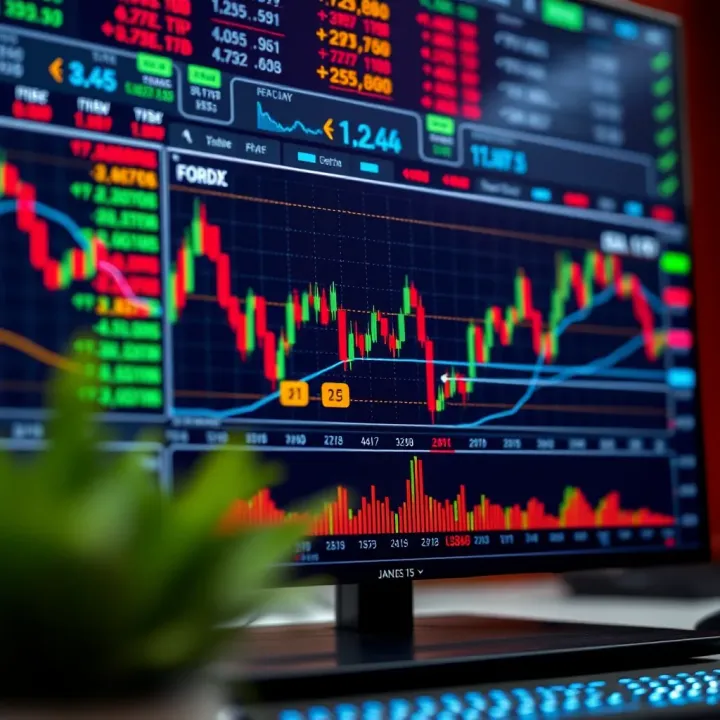
💰 Learn how to start trading forex with this beginner-friendly guide! Understand currency markets, key concepts, risk management, and smart strategies. 📈
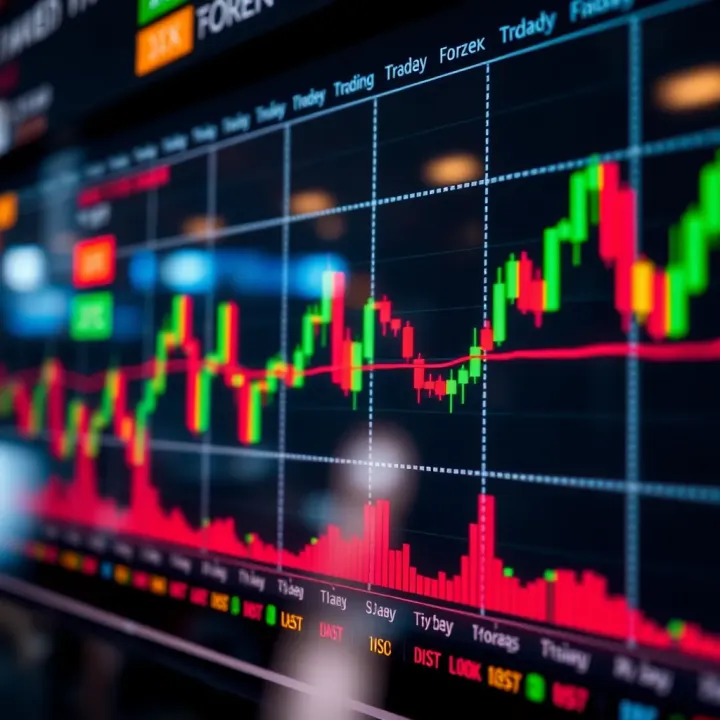
Learn the essentials of forex trading 📈: key concepts, risk management, trading methods, and factors that shape currency markets for smart decisions.
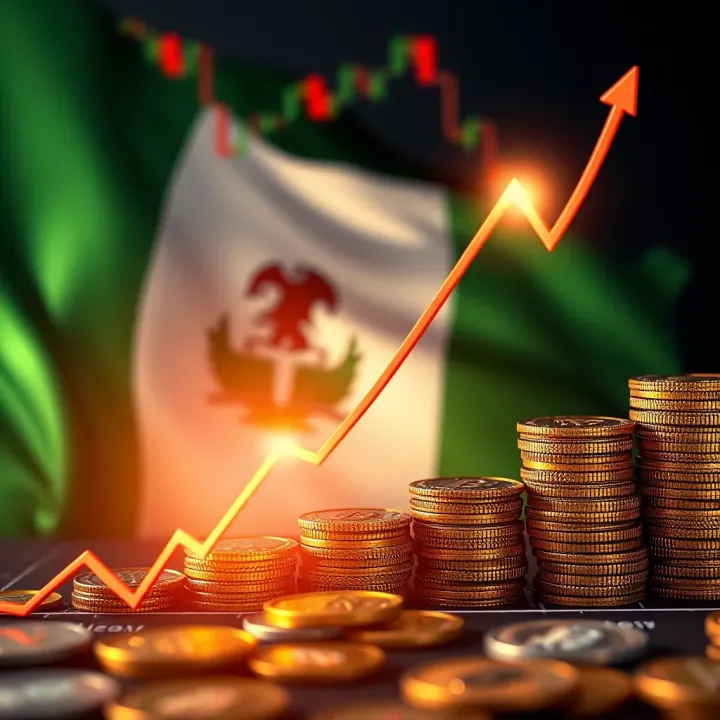
Learn forex trading basics, strategies, risks, and best platforms tailored for Nigerian traders. Gain practical tips to trade confidently and securely 📈💱🇳🇬
Based on 14 reviews