

Effective Risk Management for Nigerian Projects
📊 Effective risk management boosts Nigerian projects by cutting delays, cost overruns & failures. Learn practical ways to spot, assess & control risks for success.
Edited By
Matthew Reynolds
Risk management is not just a tick-box exercise in Nigerian business projects; it's the backbone of delivering on time, within budget, and without unexpected hurdles. Nigerian businesses often face unique challenges—unreliable power supply, fluctuating naira values, and regulatory shifts—that can stall projects or inflate costs without proper controls.
Understanding and managing risks early is key. Risk here means any potential event or condition that can prevent your project objectives from being met. For example, a construction company in Lagos may face delays due to road closures or fuel scarcity, while a fintech startup might struggle with regulatory compliance or cybersecurity threats.
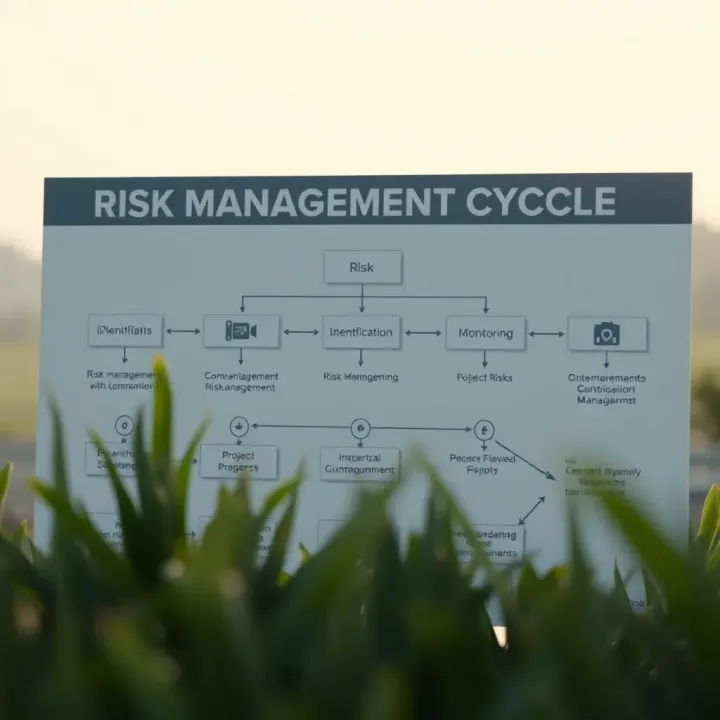
Effective risk management helps you spot these issues before they snowball into serious troubles or heavy financial losses.
To handle risks practically, start with a thorough risk identification process involving all key stakeholders. This may be through brainstorming sessions or reviewing past projects for common pitfalls. Once identified, assess each risk’s likelihood and impact—prioritize those with higher consequences.
Nigerian businesses should adopt flexible response strategies. These include:
Avoidance: Changing plans to sidestep high-risk actions.
Mitigation: Implementing measures that reduce the chance or impact of risks, like backup generators to counter power outages.
Acceptance: Sometimes, a risk is minor or too costly to eliminate; plan contingencies instead.
Monitoring risks throughout the project lifecycle is just as vital. Using simple tools like risk registers or software can help track and update risk statuses regularly, ensuring timely adjustments.
All these steps must be tailored to Nigeria’s business environment. For instance, accounting for naira depreciation in budgeting can prevent unexpected shortfalls. Similarly, recognising social and political factors during election periods helps manage potential disruptions.
In sum, managing project risks in Nigeria means blending sound project management techniques with a solid grasp of local realities. This approach ensures businesses avoid common traps like cost overruns, missed deadlines, or outright failures.
Next sections will explore each risk management stage deeper, offering practical tools and examples relevant to Nigerian industries and market conditions.
Risk management is a vital part of project management, especially in the Nigerian business context where uncertainties often come from many directions. Understanding risk management ensures that businesses don't just react when problems arise but actively prepare for potential setbacks. For instance, a construction company in Lagos might encounter supply delays due to erratic power supply or shifting government regulations. Identifying such risks early helps to put controls in place and prevent costly halts.
Risk in project management means any event or condition that could affect the project’s objectives either positively or negatively. It’s not just about threats; opportunities fall under risk too. For example, a new supplier offering better rates is a positive risk. Projects remain inherently uncertain, so recognising risks early prevents surprises that could throw plans off track.
Several factors contribute to project risks, and in Nigeria, these often relate to environmental, socio-political, and economic conditions. Regulatory changes, such as new tax policies or import restrictions, can disrupt supply chains. Infrastructure issues like inconsistent electricity or poor road networks cause delays. Economic instability, including currency depreciation, impacts costs and budgets significantly.
Ignoring risks or dealing with them late can lead to severe problems such as budget overruns, missed deadlines, or even project failure. For instance, a fintech startup that didn't plan for data security risks faced costly legal issues and loss of user trust. In Nigerian projects, unmanaged risks sometimes mean idle workers during power outages or expensive generator fuel costs, eroding profit margins.
Effective risk management is about balancing between reducing harmful risks and making the most of beneficial ones. A manufacturing firm introducing new machinery could risk operational delays but also gain productivity improvements. By managing risks, the firm can prepare contingencies for delays while exploiting the increased efficiency to boost output.
Knowing where risks lie helps project managers allocate resources accurately and make better decisions. For instance, instead of spreading security budgets thinly, a Nigerian bank focusing on high-impact threats like cyberattacks can prevent losses more effectively. This targeted approach avoids waste and enhances project efficiency.
Projects with sound risk management experience fewer surprises and enjoy smoother execution. Statistics globally show that projects with systematic risk procedures are more likely to finish on time and budget. Locally, businesses that manage risks well reduce delays caused by factors such as fuel scarcity or regulatory changes, leading to higher chances of hitting their goals.
Proper risk management doesn’t remove risks but transforms uncertainty into manageable parts, boosting confidence and control in Nigerian project environments.
Whether you are a trader planning a supply chain project or an investor backing a tech startup, understanding risk management lays the foundation for smarter, more resilient project delivery.
Recognising potential risks early in Nigerian projects can save businesses from costly setbacks. This stage is crucial because it helps project managers spot issues before they spiral out of control. Nigerian business environments often pose unique challenges, so understanding practical ways to identify risks can improve decision-making and resource allocation.
Brainstorming and expert consultations involve gathering teams or specialists to pinpoint possible project threats. In Nigerian settings, this can mean including stakeholders familiar with local market dynamics, such as industry veterans or seasoned project managers. For example, consulting transport experts when launching a logistics project in Lagos might reveal risks related to traffic congestion or bad road conditions early on. This informal yet structured approach encourages diverse perspectives and surfaces hidden risks that standard checklists might miss.
Risk checklists tailored to local industries act as handy guides listing known challenges specific to sectors like construction, oil and gas, or fintech. Nigerian businesses benefit by using checklists that reflect prevalent risks, such as import delays in manufacturing or regulatory changes in telecommunications. By adapting global risk checklists to fit the Nigerian context, companies can systematically assess common pitfalls. For instance, a real estate firm might have a checklist highlighting risks around land ownership disputes or building permit delays.
Hawkeye on past project lessons means reviewing previous projects to learn what went wrong or right. Nigerian projects often face recurring risks, such as power outages or inconsistent government policies, so tracking past experiences provides invaluable insights. For example, a company that previously dealt with fuel scarcity affecting machinery operations can anticipate and plan better for similar challenges in new projects. This historical review sharpens risk awareness and strengthens mitigation plans.
Regulatory and political uncertainties remain a major source of risk. Policies can shift suddenly, especially during election cycles or changes in government. For instance, an infrastructure project may face delays or revised approval requirements if local authorities alter regulations mid-project. Monitoring political trends and engaging legal experts help businesses navigate these uncertainties more effectively.
Power supply and infrastructure challenges persist across Nigeria and severely impact projects. Frequent power outages increase reliance on generators, pushing up costs and slowing progress. Imagine a manufacturing plant facing daily NEPA disruptions; the resulting downtime can inflate the project timeline and budget. Reliable contingency plans, including standby power solutions, are essential to keep projects on track.
Currency fluctuations and economic volatility add financial risk. The naira’s value can swing due to external shocks or policy changes, affecting import costs and contract prices. For example, a firm importing machinery might see costs rise sharply if the naira devalues suddenly, squeezing profit margins. Effective risk identification involves forecasting currency risks and exploring hedging options where possible.
Spotting risks early with these practical approaches helps Nigerian businesses tackle challenges unique to their environment, giving them an edge in managing projects smoothly and avoiding nasty surprises.
Use brainstorming sessions to gather local knowledge from experts
Adopt industry-specific, Nigeria-adjusted risk checklists
Learn from past projects to predict recurring problems
Keep abreast of law and political changes affecting project operations
Plan for unstable power supply and infrastructure setbacks
Factor in naira fluctuations when budgeting and sourcing supplies
These methods not only provide a clearer risk picture but also empower managers to allocate resources wisely and negotiate with stakeholders confidently.
Evaluating and prioritising risks is a key step in keeping Nigerian projects on track. It helps managers know which risks need immediate action and which can be monitored. For example, a construction firm in Lagos might identify risks related to fluctuating material costs and regulatory delays. By evaluating these risks, they can focus resources on the most disruptive ones, preventing costly hold-ups.
This stage blends both qualitative and quantitative methods to assess risks realistically. It avoids wasting time on less significant risks, a common pitfall in project management. Clear prioritisation sets the tone for effective risk control and smarter decision-making.
The risk probability and impact matrix is a straightforward tool used to assess how likely a risk is to occur and what effect it would have on project objectives. In Nigeria, where projects often face unpredictability such as power outages or volatile exchange rates, this matrix helps visualise which risks warrant urgent attention. Risks with high probability and severe impact sit in the red zone and demand immediate mitigation.
Using this matrix makes risk evaluation more tangible. For instance, if a telecom project expects frequent network downtime but the overall cost impact is low, it may fall into a moderate risk category. However, delays caused by regulatory approvals might be less frequent but carry heavy penalties, placing them in a higher priority.
EMV analysis adds a financial lens to risk assessment by calculating the average expected cost or benefit of a risk. This method multiplies the risk probability by its potential monetary impact. Nigerian businesses can use EMV for budgeting contingency funds precisely. For example, if an infrastructure project faces a 20% chance of a ₦10 million delay cost, the EMV is ₦2 million.
EMV helps project managers decide the amount to allocate for risk response or insurance, based on the actual financial exposure. This approach supports better cash flow planning and avoids surprises during project execution.
Scenario analysis explores different possible futures by modelling how risks interact under varied conditions. Nigerian projects exposed to economic shifts, political changes, or supply chain disruptions benefit from this tool. It enables managers to simulate best-case, worst-case, and most likely situations to understand risk implications.
Sensitivity analysis focuses on understanding which risks affect the project outcome the most by altering one factor at a time. For example, a manufacturing company may test how a 5% increase in raw material prices impacts overall project costs. This guides focus towards risks with the greatest influence.
Once risks are assessed, ranking them by severity helps direct efforts where they matter most. Severity considers both impact and probability but also factors in how easily risks can be controlled. In Nigerian projects, severe risks like regulatory sanctions must rank higher than minor delays caused by logistics hiccups.
This ranking ensures clear communication to stakeholders on what risks require urgent attention and which can be watched. It also prevents spreading resources too thinly across numerous minor issues.
Nigerian businesses should prioritise risks that combine a high chance of occurring with significant negative effects. These are the risks likely to derail project goals if ignored.
For instance, in a real estate development, recurring power outages not only happen frequently but also stall construction work, leading to budget overruns and unhappy investors. Tackling such risks first preserves both project timelines and stakeholder confidence.
Every business has a certain level of risk it’s willing to accept to pursue its objectives. Nigerian companies need to strike a balance between risk appetite and ambition. Accepting some risks could accelerate project completion but may expose the business to losses.
Conversely, excessive caution can lead to missed opportunities or stifled innovation. For example, a fintech startup might accept operational risks to launch quickly in Nigeria’s competitive market, using agile responses to manage problems as they arise.
Clear evaluation and prioritisation of risks equip project teams to allocate resources wisely, protect budgets, and enhance chances of successful delivery—crucial for Nigerian businesses navigating unpredictable environments.
In summary, evaluating and prioritising risks with practical tools and deliberate focus enables Nigerian project managers to keep their projects resilient and responsive. This approach reduces surprises and supports decision-making under uncertainty.
Effective risk response strategies are the backbone of successful project management, especially in Nigeria’s often unpredictable business environment. Crafting well-planned responses ensures that risks don’t spiral into full-blown issues, leading to delays or cost overruns. Nigerian projects face unique challenges like infrastructure gaps, fluctuating exchange rates, and regulatory hiccups; thus, having clear risk response measures saves resources and boosts confidence among investors and stakeholders.
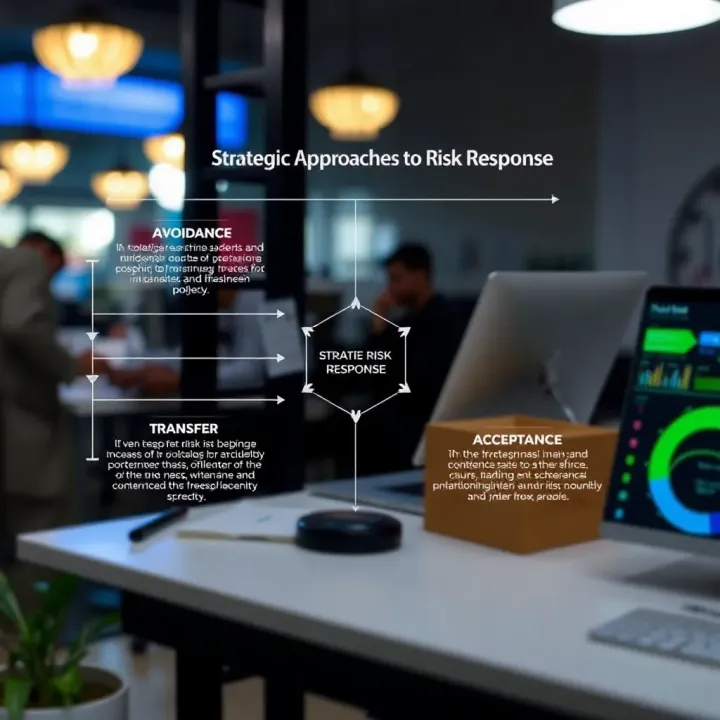
Risk response commonly involves four key approaches: avoiding, transferring, mitigating, and accepting risks. Avoidance means steering clear of activities or decisions that expose the project to unnecessary risks. For instance, a construction firm might avoid sourcing materials from a supplier known for repeated delivery delays. Transferring risks typically involves passing responsibility to a third party, like hiring a subcontractor or buying insurance. Mitigation requires actively reducing the risk’s likelihood or impact—say, installing backup generators to reduce downtime from unreliable electricity. Acceptance happens when the risk is minor or when mitigation costs outweigh benefits. Nigerian SMEs, for example, may accept small currency fluctuations as a cost of doing business due to the naira’s volatility.
Insurance and contract terms serve as reliable tools for transferring risk in projects. Take the case of a manufacturing business around Lagos: purchasing insurance protects against losses from fire or theft, while contracts with suppliers often include penalty clauses for late deliveries. These legal terms ensure accountability and share risk between parties. Properly drafted contracts also guard against regulatory changes by including force majeure clauses, useful in Nigeria’s sometimes unstable political climate.
Mitigation through contingency planning means setting aside a concrete plan and resources to address risk if it occurs. For example, a tech start-up in Abuja may create backup data storage solutions and allocate funds for unexpected server outages. Contingency plans help Nigerian projects bounce back quickly, rather than scrambling for solutions mid-crisis. It’s a practical approach that reduces downtime and project interruptions.
Clear communication about risks and plans is non-negotiable. Everyone involved—from investors to on-the-ground teams—must understand the risks and their roles in managing them. For example, during a road infrastructure project in Kano, regular briefings with contractors and government agencies ensure alignment and quick responses to emerging issues. This openness fosters trust and keeps surprises to a minimum.
Building ownership and accountability within the project team strengthens risk management. Assigning specific roles for monitoring and addressing risks encourages responsibility. When a project manager in a Lagos-based firm delegates risk oversight to technical leads, it ensures hands-on attention and timely intervention. Accountability systems also motivate teams to report issues early rather than hiding problems until they escalate.
Training teams on risk awareness equips them to spot and react to risks promptly. Nigerian businesses, especially in sectors like oil and gas or manufacturing, benefit from periodic workshops that sharpen employees’ understanding of operational risks. For example, training on currency risk helps finance teams in banks better manage foreign exchange exposures. Consistent skill-building embeds risk-conscious thinking into the organisation’s culture, improving overall project resilience.
A solid risk response strategy not only cushions projects from pitfalls but also strengthens team cohesion and stakeholder confidence, essential elements for Nigerian business success.
By integrating these risk response strategies, Nigerian businesses can navigate complexities effectively, deliver projects on time, and protect their investments from avoidable losses.
Monitoring risks while a project is underway is vital. It ensures that any developing threats or opportunities do not catch your team unaware, helping maintain control over timelines, costs, and outcomes. Nigerian projects often face volatile conditions—such as shifting government policies or unexpected supply chain delays—that demand ongoing attention and quick adjustments.
Regular risk audits and reviews keep risk management alive throughout the project. By scheduling periodic checks—say, monthly or at key milestones—project managers can evaluate if earlier assumptions still hold or if new risks have emerged. For example, in a Lagos-based construction project, reviewing risks every month helped detect escalating material costs early, allowing the team to negotiate better terms or find alternatives before budgets spiralled out of control.
Updating risk registers and logs is a practical step that turns audit findings into actionable records. The risk register remains a living document throughout the project. Each new risk is added, its probabilities and impacts recalibrated, and any mitigations documented. This continuous update gives everyone a clear picture of the current risk landscape. In Nigerian agribusiness ventures, for instance, this practice allows managers to capture factors like seasonal weather changes or pest outbreaks as they arise.
Using software tools for real-time tracking adds speed and precision to risk monitoring. Platforms such as Microsoft Project, Primavera, or Nigerian-developed solutions like Farmcrowdy's project tools, enable teams to track risk indicators live and set automatic alerts. Especially when projects span large areas or involve many parties, real-time data helps flag risks promptly. A Lagos oil and gas firm leveraged such software to monitor pipeline maintenance, detecting leaks and avoiding costly spills by taking swift action.
Flexibility in revising risk strategies ensures your project stays resilient. Not every risk plays by the script you planned for. In Nigeria’s dynamic business environment, sudden regulatory changes or helter-skelter exchange rates require teams to adjust their responses. For example, if a supply delay suddenly looks more severe, mitigation shifts from negotiated delays to sourcing local alternatives, reducing dependency on imports.
Escalation procedures for critical risks put a clear chain of command in place when urgent attention is needed. If a risk threatens project viability, such as a security issue around a site in the Niger Delta, the team must know exactly who to call and what steps to take. Fast escalation minimises damage, whether by activating emergency plans or involving higher-level managers and external experts.
Lessons learned for future projects capture wisdom from risk events encountered. After closing a project, documenting what worked and what didn’t regarding risk response builds organisational knowledge. For example, a fintech startup in Abuja might find that poor network coverage was a recurring risk. By recording this lesson, future projects can account for it with backup connectivity options, reducing downtime and frustration.
Keeping a close eye on risks and adapting plans as you go isn’t just good practice—it’s crucial, especially when Nigeria’s business environment can shift like quicksand. Continuous monitoring and nimble responses help your projects stay on course despite the unexpected.
📊 Effective risk management boosts Nigerian projects by cutting delays, cost overruns & failures. Learn practical ways to spot, assess & control risks for success.

📈 Explore binary investment for Nigerian traders! Learn how it works, benefits, risks, strategies, regulations, and tips for safe trading platforms.

📈 Explore key forex indicators popular among Nigerian traders, learn their pros and cons, and get tips to use them effectively for better trading decisions.

📈 Master forex trading basics with this easy guide for Nigerians. Learn key terms, trading steps, risk controls & where to find helpful PDFs to start strong today.
Based on 14 reviews