
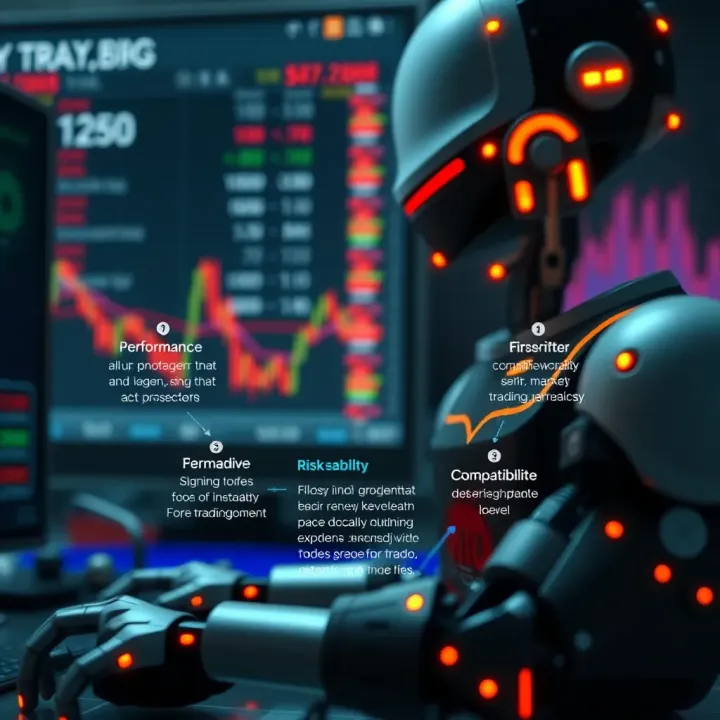
Choosing the Best Forex Trading Robot: A Practical Guide
🤖Explore how to pick the best forex trading robot for your style. Learn key features, risk tips, and top platforms trusted by Nigerian traders.💡
Edited By
Daniel Hughes
Robot forex trading uses automated software to handle currency trades on the foreign exchange market. In Nigeria, where forex trading has steadily grown as a popular investment avenue, robots provide a way to manage trades without needing constant human input. These trading bots work around the clock, analysing market data, spotting trends, and executing buy or sell orders more swiftly than a human trader can.
At its core, robot forex trading combines algorithms with real-time market data to make decisions automatically. For example, a robot might monitor USD/NGN exchange rates, making trades whenever it identifies a pattern that matches its preset strategy. This can be especially helpful in Nigeria's volatile forex market, where currency values shift quickly due to factors like monetary policy changes from the Central Bank of Nigeria (CBN) or fluctuations in oil prices.
Automated forex robots allow traders to avoid the emotional pitfalls of manual trading, such as fear or greed, by sticking strictly to programmed rules.
Some benefits Nigerian traders enjoy from robot forex systems include:
Consistent Execution: Robots follow trading plans precisely without hesitation.
24/7 Market Coverage: Forex markets never sleep, but human traders need rest; bots keep working.
Speedy Decision-Making: Quick entries and exits can improve profits and reduce losses.
Backtesting Abilities: Traders can test strategies against historical NGN market data before committing real funds.
That said, risks persist. Poorly designed robots can multiply losses quickly, especially in the naira’s sometimes unpredictable market. Technical glitches, internet outages, or sudden market shocks may disrupt automated trades. Thus, selecting reputable robot trading platforms—ideally with transparent performance records and Nigerian market customisation—matters greatly.
Understanding how robot forex trading systems interact with Nigeria’s currency landscape helps traders decide when and how to integrate automation into their portfolio. Knowing a bot’s strategy logic and risk controls ensures smoother trading that aligns with individual goals, especially given Nigeria’s unique economic environment.
In the next sections, we will explore how these robots operate in depth, the main criteria for choosing reliable systems, and practical tips for Nigerian forex traders embracing this evolving technology.
Robot forex trading uses software programmes to automate currency trading decisions and actions. Instead of relying on human judgment alone, these systems analyse market data, identify trading opportunities, and execute trades without manual input. For Nigerian traders, this means potentially saving time and reducing errors caused by emotional bias. The forex market operates 24/5, and robots provide continuous market monitoring even when you are offline, which is a big advantage given the busy schedules many local traders manage.
Automated trading explained: Automated trading involves computer programmes, often called trading robots or expert advisors, executing trades on your behalf based on pre-set criteria. These criteria are rules built into the software, such as entering a trade when a currency pair reaches a certain price or when specific technical indicators signal a good opportunity. For example, a robot might buy USD/NGN when the trend moves bullish and sell when the trend weakens. This reduces the need to watch screens constantly and lets you keep up with market changes even while attending to other matters.
Common features of forex robots: Most forex robots share key features such as user-configurable settings, backtesting tools, and risk management options. Settings allow you to adjust parameters to fit your trading style or local market conditions. Backtesting tests the robot using historical NGN forex market data to see how it would have performed in past scenarios. Risk management features include things like setting stop-loss and take-profit levels to limit downside and lock in gains. In practice, this means a Nigerian trader can tailor a robot to tackle the country's unique forex liquidity and volatility challenges, giving flexibility beyond basic manual trading.
Algorithm-based decision-making: Forex robots rely on algorithms—mathematical formulas programmed to identify patterns and signals in price movements. These can include trend detection, moving averages, or complex statistical models. For instance, an algorithm might spot repetitive price swings on the NGN/USD pair and decide when to buy or sell based on those signals. The speed and precision allow robots to react instantly, a challenge even for day traders who might miss seconds in volatile markets.
Integration with trading platforms: Forex robots usually run on popular platforms like MetaTrader 4 or MetaTrader 5, which are widely accessible to Nigerian traders. Integration means the robot can directly access live market data, execute trades, and manage orders through the broker's system without delays. This seamless connection is crucial, as latency or disjointed processes may cause missed trades or poor pricing, especially when the naira faces frequent volatility.
Trade signal generation and execution: Once the algorithm identifies a trading opportunity, the robot generates a signal—essentially a decision to enter or exit a trade. It then executes this trade immediately according to the programmed rules. Unlike manual trading, where hesitation or distractions can delay actions, robots carry out these signals swiftly and consistently. For Nigerian traders navigating fast-moving forex markets influenced by local events or CBN policies, this can be the difference between profit and loss.
Using forex robots does not remove all risks but offers practical advantages by automating tasks that humans often find tedious or stressful. Understanding how these systems work helps traders set realistic expectations and manage their use wisely.
Understanding the advantages and limitations of forex robots helps Nigerian traders make informed choices. Automated trading systems can streamline currency trading but come with potential pitfalls, especially in Nigeria’s fluctuating market. Breaking down these aspects reveals how traders can balance gains with caution.
Forex robots save traders significant time by handling market analysis and executing trades automatically. For instance, instead of sitting for hours watching exchange rate movements of USD to NGN, the robot assesses data and places trades swiftly. This efficiency suits busy Nigerians who cannot afford constant market tracking.
By removing human emotions like fear or greed, these systems trade purely on programmed strategies. Many traders fall into the trap of panic-selling during volatile naira fluctuations or chasing quick profits. Robots stick to rules, reducing poor decisions driven by emotions.
The forex market runs 24/5, making it impossible for any trader to watch continuously. Forex robots run round the clock without fatigue, catching trading opportunities even during odd hours like late nights in Lagos.
This constant vigilance helps Nigerian traders respond to sudden changes, such as CBN’s monetary policy announcements or global oil price shifts impacting the naira. It means your trading doesn’t stop while you rest or attend to daily activities.
Forex robots lower barriers for newcomers in Nigeria’s forex scene. You don’t need deep market knowledge or years of experience to operate one.
Many software packages come with default settings optimised for general market conditions. Beginners can start with demo accounts to test strategies risk-free. This accessibility encourages more Nigerians to explore forex trading confidently.
Relying too much on robots without understanding forex basics can backfire. Market situations often change unexpectedly, and no robot perfectly predicts every twist.
For example, a robot may continue trading during sudden naira devaluation without considering macroeconomic news, leading to losses. Nigerian traders should remain vigilant, using robots as tools rather than full replacements for their judgement.
Forex robots generally excel in stable, trending markets but may struggle in unpredictable or choppy conditions. Nigeria’s forex scene sometimes reacts sharply to news or regulatory changes, confusing automated algorithms.
A robot calibrated for a steady NGN/USD rate may trigger frequent trades during erratic spikes, eroding profits or increasing risk. Understanding these scenarios helps traders anticipate when to intervene or pause robot use.
Nigeria’s growing interest in forex attracts dubious actors selling fake or poorly tested robots. Promises of easy profit can lure traders into purchasing software that performs badly or even risks their funds.
Before choosing a forex robot, Nigerian traders should verify developer credibility, seek independent reviews, and test software on demo platforms. Caution protects against falling victim to scams common in the local market.
Successful forex trading with robots in Nigeria comes down to combining benefits with careful management of risks. Being informed helps you get the best from automation without falling prey to its weaknesses.
Selecting the right forex robot is critical to navigating the fast-paced currency market in Nigeria effectively. Not all automated systems are built equal; some excel under certain market conditions while others falter. By choosing wisely, Nigerian traders can avoid common pitfalls like software failure, scams, or poor adaptation to local market peculiarities such as volatile naira exchange rates or limited internet connectivity.
Researching developer background is the starting point for any serious trader looking to invest in forex robots. Knowing who created the software gives insight into the level of expertise and reliability you’re dealing with. For instance, a developer with a strong record in financial technology and positive participation in known trading forums adds confidence. Conversely, robots from unknown developers, especially those with no verifiable presence or credentials, should raise red flags.
Checking user reviews and testimonials helps verify how well a robot performs in real market scenarios. Nigerian traders often share their experiences in local forums and WhatsApp groups, and these grassroots insights can be invaluable. Look out for consistent reports on profitability, ease of use, and customer support responsiveness. If many users complain about frequent software bugs or unrealistic promises, it’s wise to look elsewhere.
Verifying performance records means going beyond promotional claims. Reliable developers provide verifiable trading track records, often with third-party verification from platforms like Myfxbook. Examining these histories helps traders understand the robot’s consistency, maximum drawdown, and adaptability to market swings. Avoid systems that present only cherry-picked results or lack history covering different market cycles.
Using demo accounts for trial runs allows Nigerian traders to test how a forex robot operates without risking real money. Demo accounts simulate live market conditions and are offered by most regulated brokers in Nigeria. For example, before committing ₦100,000 or more, it's smarter to observe if the robot's trade signals align with your financial goals and to check how it handles sudden market events like Central Bank announcements impacting the naira.
Adjusting settings for local market conditions is often overlooked but vital. Forex robots usually come with default parameters suited for global markets, which may not translate perfectly in Nigerian contexts where liquidity and volatility differ. Traders should be ready to tweak risk levels, take-profit points, or stop-loss orders. For instance, lowering trade frequency or adjusting leverage might yield better outcomes given Nigeria’s often erratic naira/USD trading pairs.
Choosing and tailoring your forex robot is not a set-and-forget affair; it demands careful research, ongoing assessment, and practical trial to truly benefit within Nigeria’s trading environment.
Before diving into robot forex trading, Nigerian traders must consider several key factors to navigate this space safely and effectively. Understanding the legal framework, managing risks wisely, and setting practical trading goals help prevent costly mistakes. A well-informed approach avoids putting your hard-earned capital in unnecessary danger, especially as automated trading tools become more common in Nigeria.
The Central Bank of Nigeria (CBN) regulates forex activities and expects traders to comply with its guidelines. While robot forex trading is not explicitly prohibited, the CBN requires that trading happens through authorised brokers and platforms. This means Nigerian traders should ensure their chosen brokers and software providers are licensed or reputable to avoid falling prey to fraudulent schemes.
Ignoring CBN regulations can expose traders to legal complications or blocked transactions, as many Nigerian banks flag unapproved forex activities. For instance, if you use a forex robot connected to an unlicensed broker, your funds might be frozen or you may lack official recourse in disputes. Staying within the regulatory framework gives you a layer of protection and clearer paths if any issues arise.
Legal risks also arise from the automated nature of robot trading. Unlike human traders, robots can make split-second decisions based on their coding, which sometimes leads to unexpected losses or breaches of trading platform terms. There is also the possibility of robots executing trades that violate regional financial laws or anti-money laundering regulations. Traders should be cautious and familiarise themselves with the rules governing forex automation in Nigeria.
Setting realistic expectations is essential for anyone using forex robots. Many traders expect quick profits without understanding that the forex market, especially regarding the naira and other currencies, can be volatile. Robots can assist but don't guarantee success. Think of automated systems as tools that may reduce tedious tasks but not replace good strategy or market knowledge.
Effective position sizing and stop-loss strategies must be programmed into the robot or monitored closely. Nigerian traders should avoid risking more than 1–2% of their capital on a single trade to protect against steep losses. For example, if your trading fund is ₦500,000, the robot should be set to limit losses to ₦5,000–₦10,000 per trade. This approach prevents one bad trade from wiping you out.
Monitoring robot activity remains crucial despite automation. Since market conditions can change rapidly in Nigeria and globally, a robot may make decisions that no longer suit the current landscape. Regular checks allow you to adjust settings, shut down the robot if needed, or intervene manually. Neglecting this could lead to avoidable losses — many times, traders leave the system running without oversight, which is risky in a context where electricity outages and internet disruptions also affect performance.
Remember: Automation helps but doesn't replace vigilance. Combining automated tools with active management improves your chances of sustainable trading success in Nigeria's forex market.
Getting started with robot forex trading in Nigeria requires a practical, step-by-step approach to ensure you set up your operations for success. Unlike manual trading, automated forex trading depends heavily on the initial setup — from choosing the right broker to configuring the software optimally. Nigerian traders benefit when these practical steps are handled carefully since the forex market here can be volatile, and infrastructure like internet quality or power supply can impact robot efficiency.
Choosing a regulated broker is the first and most critical step for anyone beginning robot forex trading in Nigeria. A regulated broker operating under the oversight of recognised bodies such as the Securities and Exchange Commission (SEC) Nigeria or international authorities (like FCA or CySEC) ensures a safer trading environment. This reduces risks of fraud and gives you recourse if disputes arise.
For instance, Nigerian traders often prefer brokers like FXTM or HotForex that have a good track record and clear regulatory compliance. Such brokers usually offer robust trading platforms compatible with forex robots, plus they handle deposits or withdrawals transparently. Avoid unregulated platforms as they may vanish with your funds or fail to execute trades properly.
Once you select a broker, account verification is the next hurdle. This process commonly involves submitting valid identity documents (like your Nigerian national ID or international passport), proof of address, and sometimes a selfie for identity confirmation. Verification protects you and the broker against illegal activities like money laundering.
Funding your trading account is equally important. Nigerian traders can choose from options like bank transfers, debit/credit cards, and popular fintech wallets such as Paystack or Flutterwave. Some brokers accept deposits directly in Nigerian Naira (₦), which saves on forex conversion fees. The funding method should be convenient, affordable, and secure to avoid delays that could affect timely trade execution by your robot.
Installing your forex robot usually involves integrating it with popular trading platforms like MetaTrader 4 (MT4) or MetaTrader 5 (MT5). These platforms support Expert Advisors (EAs) — automated scripts that place trades based on programmed strategies. Installation might require downloading the EA file and loading it onto the platform, then linking the robot to your funded trading account.
Correct installation is crucial. For example, if the robot isn't properly connected, it might miss trading signals or execute trades incorrectly. Some robots come with step-by-step guides, but if you're unsure, seek assistance from the robot developers or your broker’s support team.
Although forex robots automate trading, they are not set-and-forget tools. Regularly monitoring robot performance ensures it reacts well to changing market conditions, especially in Nigeria's forex scene, where external factors like CBN policies or naira volatility can affect outcomes.
Adjusting settings such as risk levels, stop-loss limits, or trade frequency helps optimise returns. For example, during volatile periods, you might want your robot to take smaller position sizes to protect capital. Monitoring tools built into MT4/MT5 or third-party analytics can help track your robot’s results and alert you to unusual activity.
Knowing when to step in is a skill every robot forex trader must develop. Automated systems can malfunction or face unusual market events where human judgment is needed. Nigerian traders facing sudden naira depreciation or unexpected CBN interventions should be ready to pause their robots or switch to manual trading.
Manual intervention might include closing open positions to prevent losses, tweaking risk parameters, or temporarily stopping the robot to avoid trading during major political or economic announcements. Being hands-on when necessary prevents losses from uncontrollable market shocks and keeps your trading strategy aligned with ground realities.
Starting with robot forex trading takes preparation, vigilance, and flexibility. Nigerian traders who follow these practical steps stand a better chance at sustaining profits and weathering forex market challenges effectively.
🤖Explore how to pick the best forex trading robot for your style. Learn key features, risk tips, and top platforms trusted by Nigerian traders.💡
📈 Ready to trade forex in Nigeria? Learn how to pick brokers, set up accounts, manage risk, and avoid common mistakes. Build your trading skills today! ₦
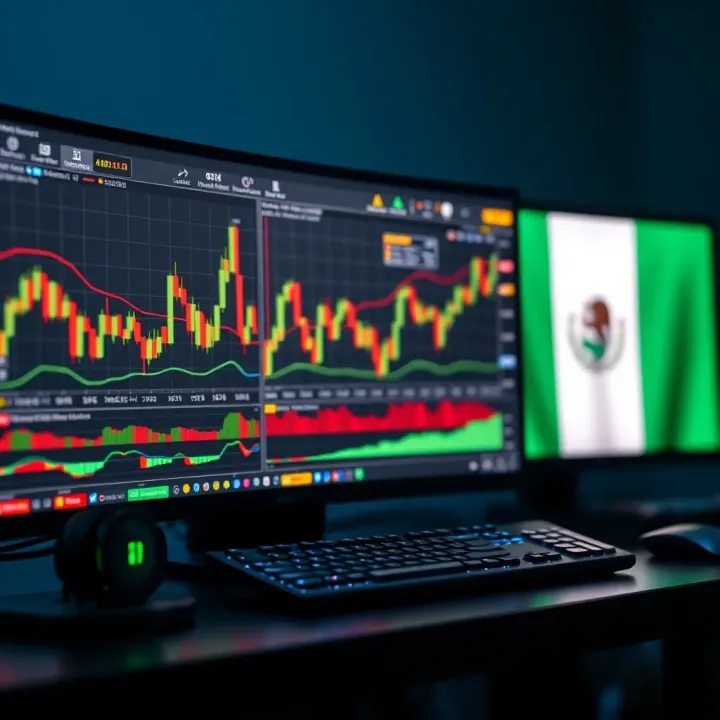
📈 Ready to start forex trading in Nigeria? Learn how to pick brokers, open accounts, understand key terms, apply winning strategies, and manage risks with confidence.
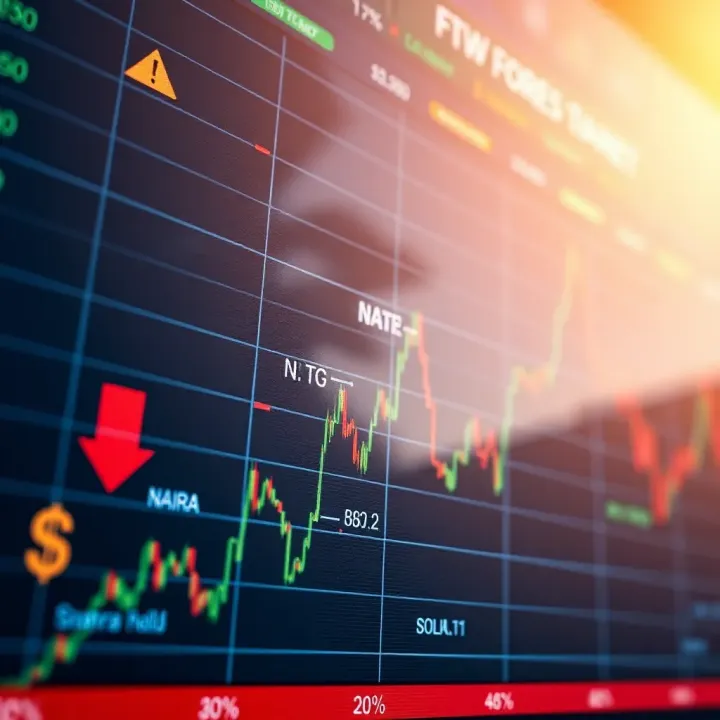
Learn how to earn from forex trading in Nigeria 🇳🇬 with practical steps: picking brokers, strategies, risk management, and top fintech tools to boost your ₦income 📈
Based on 8 reviews