
Understanding Binary Fission and Its Role in Nature
Discover how binary fission enables single-celled organisms to reproduce asexually, driving growth and shaping populations. 🦠 Learn the key cellular steps involved.
Edited By
Sophie Turner
Binary fission is the main way many single-celled organisms reproduce, especially bacteria and certain protozoa. Unlike sexual reproduction, which needs two parents, binary fission allows one organism to split into two identical copies. This method speeds up multiplication, helping these organisms adapt and thrive in diverse environments.
In Nigeria, bacteria that cause common infections multiply quickly via binary fission. This rapid division explains why infections can worsen fast if not treated promptly. Understanding this process offers insight into how bacteria like Salmonella or E. coli spread and why controlling them requires prompt hygiene and medical intervention.
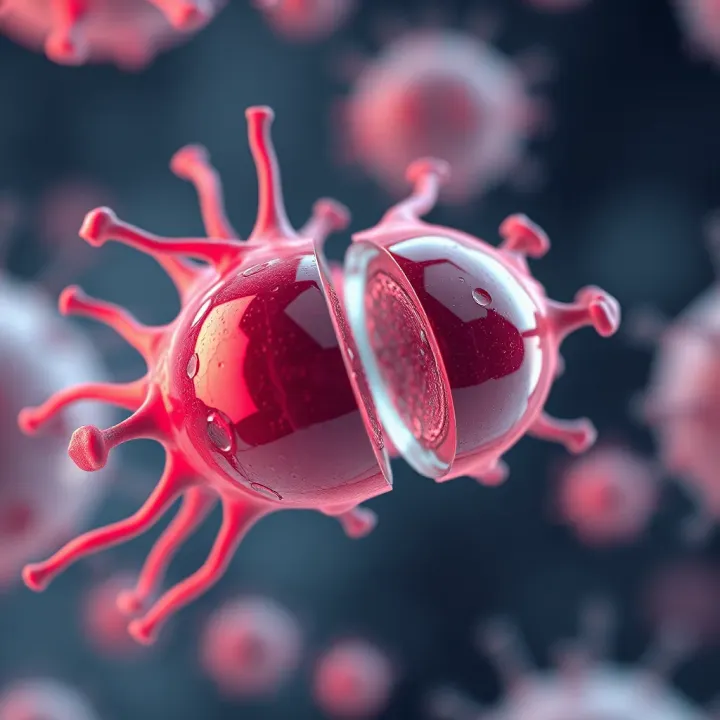
Here’s how binary fission works in broad strokes:
DNA replication: The organism duplicates its genetic material exactly.
Cell growth: The single cell expands, preparing to divide.
Chromosome segregation: Each DNA copy moves to opposite ends of the cell.
Cytokinesis: The cell membrane pinches inward, splitting the cell into two.
Each new cell carries the full DNA set, making them clones of the original. Because this process is quick – some bacteria can divide every 20 minutes under ideal conditions – populations can explode in a short time.
Binary fission is vital for life cycles in many microorganisms, impacting everything from health to agriculture in Nigeria and beyond.
Besides bacteria, some algae and protozoans also reproduce this way. Since it’s a simple, energy-efficient mechanism, binary fission is common in environments where rapid growth is a survival advantage.
For traders and investors linked to biotech or pharmaceuticals, grasping binary fission is crucial. It underpins the behaviours of microbes tested in labs or targeted by drugs. Similarly, educators can use it to explain the fast-changing nature of microbial communities and the need for continuous research.
Understanding binary fission not only clarifies microbiology basics but also highlights broader implications for health, environment, and industry in Nigeria and across the world.
Understanding binary fission is essential because it explains how many microorganisms reproduce quickly and maintain their populations. Grasping this basic biological process helps traders, investors, educators, and analysts appreciate how bacteria multiply in various environments—from healthcare settings to agriculture. This knowledge becomes especially practical in Nigeria, where bacterial infections like cholera can spread fast, and knowing their reproduction method can guide public health strategies.
The term “binary fission” comes from Latin words: “bi-” meaning two, and “fission” meaning splitting or dividing. In biology, it refers to a simple method of asexual reproduction where a single cell divides into two equal parts. This process is fundamental for many single-celled organisms to reproduce without needing a mate. The straightforwardness of the term captures the essence—a cell splitting neatly into two.
Binary fission is a type of asexual reproduction where offspring arise from one parent without gametes or fertilisation. This contrasts with sexual reproduction, where genetic material mixes from two parents. Asexual reproduction offers speed and simplicity, key in environments where conditions allow for rapid growth. For example, in Nigerian agricultural soils, certain bacteria reproduce through binary fission to rapidly enhance soil fertility.
Binary fission follows a clear sequence: first, the cell’s DNA duplicates; then the cell enlarges; afterwards, the cell membrane pinches inward, dividing the cell into two. Each new cell, or daughter cell, ends up with its own complete set of genetic instructions. This method allows organisms like E. coli bacteria, commonly found in water sources, to multiply swiftly, impacting public health where water sanitation is poor.
DNA replication is critical in binary fission because it ensures each daughter cell contains identical genetic information. The parent cell’s DNA unwinds and copies itself before division. Any error or mutation during replication can lead to genetic variation, sometimes granting the organism an advantage, such as antibiotic resistance. Understanding DNA replication within binary fission helps medical professionals anticipate how bacteria might evolve, influencing treatment plans.
Binary fission’s efficiency in rapidly producing identical cells can be a blessing or a challenge—while it supports life cycles, it also contributes to the spread of infections if unchecked.
Together, the definition and mechanism of binary fission reveal a process simple in principle but far-reaching in impact—a key insight for anyone analysing biological growth or managing microbial risks in Nigeria and beyond.
Understanding how binary fission happens across various organisms offers insights into the adaptability and diversity of life. This knowledge also helps to grasp why some microbes multiply so fast while others follow a slightly different path. Binary fission isn’t one-size-fits-all; the process varies noticeably between simpler cells like bacteria and more complex single-celled eukaryotes, with practical implications for healthcare, agriculture, and environmental management.
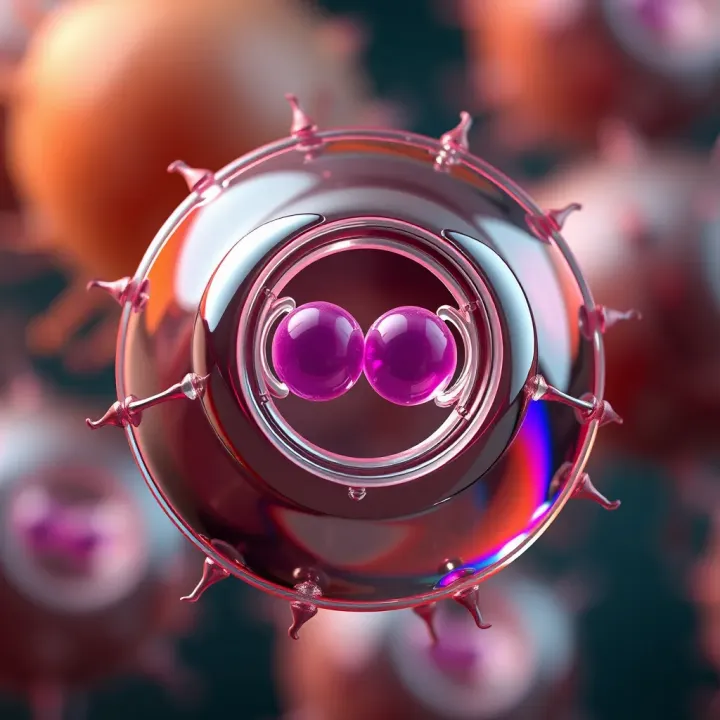
Prokaryotes, such as bacteria, perform binary fission as a straightforward method of reproduction. The process begins with the replication of the single, circular DNA molecule within the bacterial cytoplasm. Once copied, the cell elongates, and the two DNA copies move to opposite ends. Then, the cell membrane pinches inward at the midpoint, splitting the original cell into two genetically identical daughter cells.
This process is not only quick but also efficient, allowing bacteria to multiply rapidly under favourable conditions. For traders and investors in the pharmaceutical or agriculture sectors, knowing how fast harmful bacteria can reproduce helps in planning timely interventions, such as vaccine development or crop protection schemes.
Prominent bacteria like Escherichia coli (E. coli) serve as textbook examples of binary fission. Found in the human gut and some contaminated water sources, E. coli divides roughly every 20 minutes under optimal conditions. This speed means infections can escalate suddenly if unchecked, highlighting the importance of swift medical response and sanitation efforts. Additionally, understanding this reproduction aids food safety businesses and healthcare providers in Nigeria in managing risks associated with waterborne and foodborne diseases.
Single-celled eukaryotes, such as protozoa like amoebae, also reproduce by binary fission, but the process reflects their greater cellular complexity. Amoebae replicate their nucleus through mitosis before the cytoplasm divides. This ensures that each daughter cell gets a complete set of genetic material. The entire organism then splits, forming two new amoebae, each able to live independently.
This mode of reproduction allows protozoa to adapt quickly to environmental changes, which makes them significant players in various ecosystems. In Nigeria’s freshwater bodies and soil, amoebae help recycle nutrients, impacting agricultural productivity and waste decomposition.
Unlike prokaryotes, eukaryotic cells like amoebae carry multiple organelles and a defined nucleus, so their binary fission involves mitotic mechanisms absent in bacteria. This additional complexity results in a longer division cycle but ensures higher genetic accuracy. Such difference is crucial for researchers and educators focusing on cell biology and evolution, as it shows how life forms have diversely adapted their reproductive strategies.
Recognising these differences in binary fission among organisms clarifies how they thrive in distinct environments and informs practical approaches in medicine, agriculture, and environmental care.
Key points on bacterial binary fission:
Rapid DNA replication and cell membrane division
Example: E. coli's fast doubling time influences infection control
For eukaryotic protozoa:
Mitosis precedes cytoplasmic division
Adaptation through accurate genetic replication enhances survival
This section reveals why understanding binary fission in both prokaryotes and eukaryotes matters. Lessons here connect to managing disease outbreaks, boosting soil health, and improving environmental sustainability in Nigeria and beyond.
Binary fission plays a key role in the survival and multiplication of many microorganisms. This asexual method allows organisms to reproduce rapidly and maintain their populations, especially in environments where swift adaptation is necessary.
For microbes, binary fission offers a huge advantage by enabling fast population expansion. Since each division results in two identical daughter cells, bacteria like Escherichia coli can multiply from a single cell to millions within a matter of hours under favourable conditions. This rapid growth is essential in environments like the human gut or soil where resources may be abundant for short bursts.
The ability to increase numbers quickly means microbes can outcompete other organisms for nutrients and space. For example, during an infection, bacteria multiply fast, overwhelming the immune system. In the agricultural context, bacteria that support plant growth can colonise the root zones swiftly, helping plants absorb nutrients better.
Besides, this rapid multiplication also aids microbial populations to survive sudden changes. When conditions shift—like temperature changes or nutrient scarcity—they reproduce fast to ensure at least some cells survive these stresses. This resilience is why microbes persist even in the face of environmental challenges common in Nigeria, such as fluctuating temperatures during the ember months.
Binary fission produces clonal offspring, meaning the daughter cells are genetically identical to the parent. This high level of genetic stability helps preserve successful adaptations and traits over generations. For traders and analysts observing microbial patterns, this trait explains why particular bacterial strains remain consistent over time, facilitating more predictable behaviour.
However, this mode of reproduction does not entirely prevent genetic variation. Occasionally, mutations occur during DNA replication. While most mutations may be neutral or harmful, some provide advantages such as antibiotic resistance. This is significant in public health, as resistant bacterial strains complicate treatment of illnesses like typhoid or cholera in Nigeria.
This balance between genetic stability and occasional variations ensures microbial populations can maintain their identity while adapting slowly to new threats or environmental pressures. For educators and researchers, understanding this dynamic informs developments in treatments and agricultural practices.
Binary fission is not just a simple splitting process—it’s a strategic survival tool enabling microbes to thrive, adapt, and maintain their role in ecosystems and human health.
Rapid population growth lets microbes exploit resources and recover from setbacks quickly.
Genetic stability preserves beneficial traits; mutations introduce slow but vital diversity.
These features combine to influence microbial behaviour seen in healthcare and agriculture across Nigeria.
This solid understanding of binary fission's biological importance helps stakeholders across sectors appreciate how microbes impact ecosystems, health, and economies locally and beyond.
Understanding how binary fission differs from other reproductive methods helps clarify why certain organisms prefer one strategy over another. Each method has its practical benefits and trade-offs, affecting speed of reproduction, genetic diversity, and adaptability to environmental changes.
One major distinction between binary fission and sexual reproduction is the absence of genetic mixing. While sexual reproduction involves combining genetic material from two parents, resulting in offspring with varied traits, binary fission produces genetically identical copies. This lack of variation means populations growing by binary fission might be more vulnerable to diseases or sudden environmental shifts, since every individual shares the same genetic weaknesses.
That said, the genetic stability offered by binary fission can be advantageous in stable environments where organisms are well-adapted. For instance, bacteria causing cholera in Nigerian water systems reproduce quickly with minimal genetic change, enabling rapid colonisation but limiting adaptability.
In terms of speed and efficiency, binary fission is remarkably swift. It requires fewer cellular processes than sexual reproduction, which includes mating behaviours, gamete production, and fertilisation. This efficiency allows bacteria to multiply exponentially under optimal conditions, sometimes doubling every 20 minutes, whereas sexual reproduction in animals or plants takes longer due to the complexity of producing offspring.
This rapid multiplication suits microbes thriving in fluctuating or resource-rich environments, like those in Nigerian soil after rains. On the other hand, sexual reproduction’s slower pace invests in genetic diversity, offering better survival prospects over time.
Binary fission, budding, and sporulation differ notably in how new organisms form. Binary fission splits one cell equally into two, each inheriting a full set of genetic material. Budding involves the parent producing a smaller offspring that grows attached before detaching, common in yeast and some protozoa. Sporulation produces spores—dormant, resistant units—that can survive tough conditions until suitable for growth, seen in fungi and some bacteria.
Knowing these distinctions is practical when studying microbial behaviour and controlling pathogens. For instance, understanding that some fungi spread via spores while bacteria mostly use binary fission affects how disinfection or treatment plans are designed.
As for examples, Escherichia coli and Salmonella reproduce through binary fission, making them capable of very fast population increases in Lagos’ crowded urban waterways. Yeast used in Nigerian traditional brewing multiply by budding, explaining their resilience and quick fermentation start. Meanwhile, anthrax-causing Bacillus anthracis forms spores, allowing it to survive harsh conditions in soil across Nigeria’s agricultural zones until it infects a host.
Appreciating these reproductive differences equips scientists, health workers, and educators with the tools to predict organism behaviour and manage their impacts on health and environment more effectively.
By grasping the pros and cons of these reproductive methods, those dealing with biological systems in Nigeria and beyond can better strategise interventions and understand population dynamics.
Understanding binary fission in the Nigerian setting is useful not just for academics, but also for health officials, agriculturists, and environmental planners. This process drives the growth of many microorganisms relevant to health, agriculture, and waste management. Examining specific bacterial species and their behaviour helps create strategies tailored to local conditions.
In Nigeria, several harmful bacteria reproduce by binary fission, notably Vibrio cholerae causing cholera and Salmonella typhi responsible for typhoid fever. These bacteria multiply rapidly in contaminated water or food, leading to fast-spreading outbreaks, especially in areas with poor sanitation. For example, during the rainy season, flooding often contaminates water sources, facilitating bacterial growth and transmission.
The quick reproduction rate allows harmful bacteria to reach infectious levels within hours, overwhelming local healthcare systems if unchecked. This makes understanding their multiplication critical for timely intervention in outbreaks.
Public health authorities rely on knowledge of binary fission to develop effective interventions. Since bacteria multiply fast, preventive measures like prompt water purification, vaccination campaigns, and public education become essential. In Lagos and Kano, where population density is high, quick bacterial reproduction means diseases can spread rapidly unless sanitation infrastructure is strengthened.
Moreover, rapid bacterial growth increases the likelihood of mutations, potentially leading to drug resistance. Thus, surveillance and controlled antibiotic use must complement hygiene efforts to avoid treatment failures.
Soil bacteria reproduce mainly through binary fission, playing a vital role in nutrient cycling and maintaining soil fertility. In Nigerian farms, nitrogen-fixing bacteria like Rhizobium multiply by this process within plant root nodules, supplying plants with essential nitrogen. Healthy bacterial populations contribute to better crop yields and reduce the need for expensive fertilisers.
Farmers using organic manure notice quicker soil recovery and improved plant health as beneficial bacteria grow fast, helping break down organic matter into nutrients plants can absorb.
Microbial decomposition of organic waste in Nigerian dumpsites and waste management facilities largely depends on bacteria reproducing through binary fission. These microorganisms digest household and agricultural waste, converting it into simpler compounds and reducing environmental hazards.
Efficient decomposition helps minimise landfill volume and methane emissions. Understanding bacterial growth patterns guides improvements in composting practices, supporting sustainable waste management in cities like Abuja and Port Harcourt.
Grasping the role of binary fission in everyday Nigerian contexts—from health to agriculture—is key for practical solutions that safeguard communities and promote environmental sustainability.
Discover how binary fission enables single-celled organisms to reproduce asexually, driving growth and shaping populations. 🦠 Learn the key cellular steps involved.
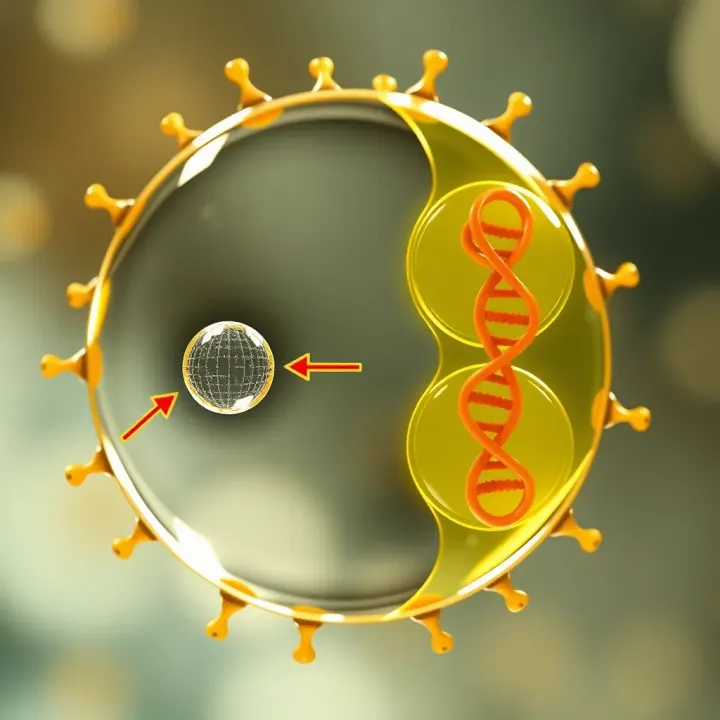
Explore how binary fission, a simple asexual reproduction method in single-celled organisms, plays a vital role in biology and impacts medicine 🧬🔬
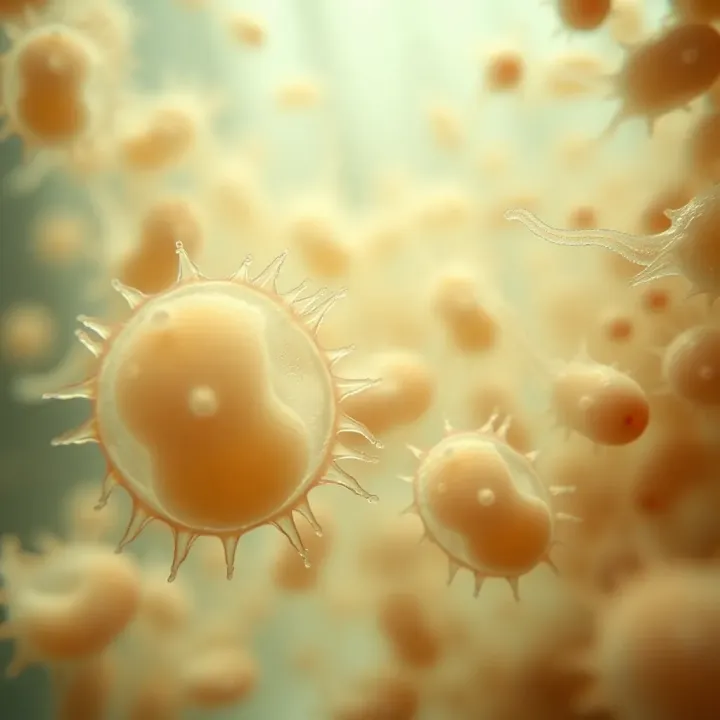
Explore how binary fission, a simple asexual reproduction in prokaryotes, helps growth and survival with real-life examples 🦠🔬🌱
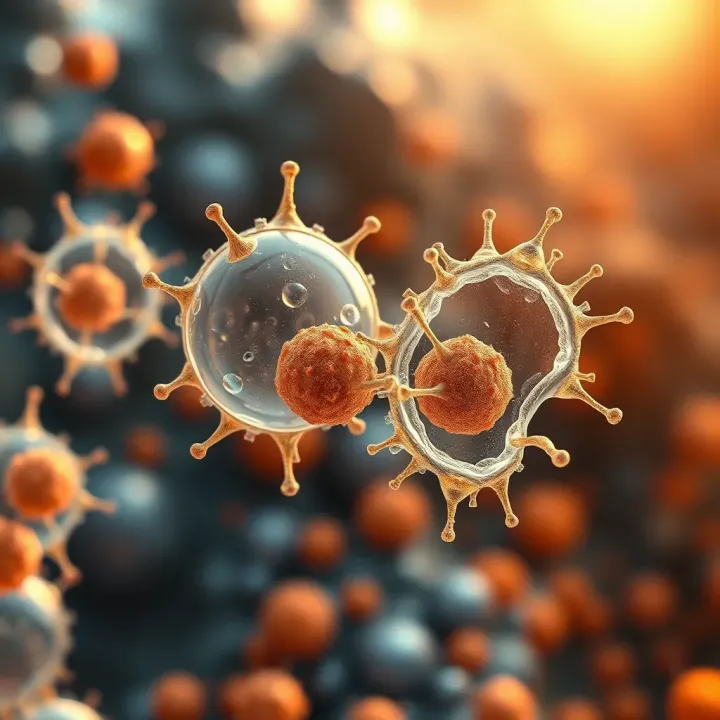
Learn the step-by-step process of binary fission in bacteria 🦠, why it's vital for microbial survival, and its impact on health and the environment 🌍.
Based on 8 reviews