

Understanding Binary Trading in Nigeria
📈 Learn how binary trading works in Nigeria 🇳🇬, its risks ⚠️, top platforms 💻, and practical tips to help you navigate this fast-moving market safely.
Edited By
Oliver Bentley
Forex binary trading has become increasingly popular among Nigerian traders looking for a simple, quicker way to capitalise on currency market movements. Unlike traditional forex trading, which involves buying or selling currency pairs to profit from price changes, binary trading asks a straightforward question: will the price of a currency move up or down within a set time frame? You either win a fixed amount or lose your stake.
This simplicity appeals to many Nigerians who want to avoid the complexities of forex charts or lengthy market analysis. However, it is essential to understand how this works, the real risks involved, and how Nigeria’s trading regulations impact your actions.
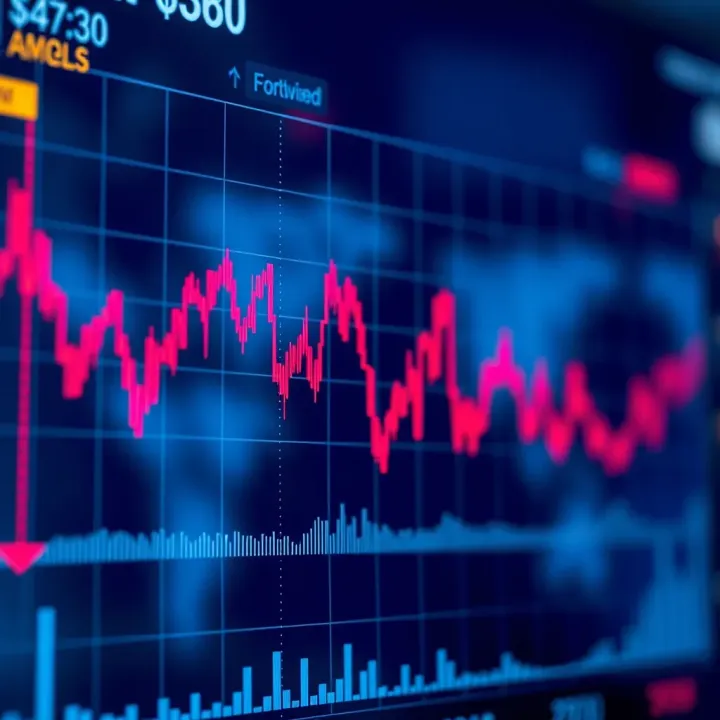
In binary trading, you don't own the currency; instead, you predict direction. For example, you might bet ₦10,000 that the USD/NGN exchange rate will rise in the next 15 minutes. If your prediction is correct, you could earn a profit of around 70–90% of your stake. If wrong, that ₦10,000 is lost. The time frame can be seconds, minutes, or even hours, depending on the broker.
This fixed payout structure means you know the potential gain or loss before entering the trade. It's like betting on a danfo's route — you either get your destination on time or not, so you choose wisely.
Choose regulated platforms: Nigeria's rules for forex trading extend to binary options platforms, so select brokers registered with relevant authorities like the Securities and Exchange Commission (SEC) of Nigeria.
Understand the product: Binary trading is often seen as high risk or close to gambling. Treat it cautiously, setting clear limits on investment amounts and avoiding chasing losses.
Use local payment methods: Platforms that support Nigerian cards, USSD banking, or mobile wallets make deposits and withdrawals smoother.
Remember: Forex binary trading is not a guaranteed way to make quick money. It's important to treat it like a high-stakes game requiring discipline and sound strategy.
Next, we will look into specific strategies and risk management techniques tailored for Nigerian traders interested in forex binary trading.
Understanding the basics of forex binary trading is key for anyone keen on exploring this market, especially Nigerian traders who are new to the scene. This foundation helps traders grasp how decisions are made, how profits or losses occur, and how to manage risks effectively. Without this knowledge, it’s like trying to navigate Lagos traffic without knowing the routes — you may end up wasting resources or facing avoidable setbacks.
Traditional forex trading involves buying and selling currency pairs with profits depending on how much the exchange rate moves in the trader's favour. The process is open-ended — the profit or loss can increase the longer you hold a position. Binary trading, however, is a simpler, more predictable form where you only decide whether the price of a currency pair will rise or fall within a set time. Your profit or loss is fixed at the start.
For instance, if you trade the USD/NGN pair traditionally, you might gain or lose based on actual price fluctuations. But in binary trading, you only predict if it will be above or below a certain level at expiry, with pre-agreed returns.
Binary options work by allowing traders to speculate on currency price directions within a fixed time frame — this could range from minutes to hours. You don’t own the actual currency but bet on the movement. If your prediction is correct at expiry, you get a fixed payout; if wrong, you lose the sum you invested.
For a Nigerian trader looking to profit from naira fluctuations against the dollar or euro, this method provides a straightforward way without the complexities of margin trading or leverage concerns found in traditional forex.
High/low options are the most straightforward type. Traders simply predict if the currency pair's price will be higher or lower than the current price at a specific expiry time. For example, if the current price of EUR/USD is 1.1000, you decide if it will be above (high) or below (low) that price after, say, 30 minutes.
This type suits beginners as it’s easy to understand and offers clear, quick outcomes.
With one-touch options, you predict whether the price will reach a specific target level even once before expiry. If it touches that price, you win the fixed payout regardless of where the price ends.
This can be useful during periods of expected high market volatility. For example, if you believe the USD/GBP will touch 0.7500 within the next hour, placing a one-touch trade can pay off handsomely.
However, failure to hit that level means you lose your investment.
Range options require predicting whether the currency price will stay within a certain range till expiry. For example, you might bet that USD/JPY will remain between 110.00 and 111.00 in the next two hours.
If it stays within, you get the payout; if it moves outside, you lose the stake. This option can be handy during stable market phases or when no major economic events are expected.
Grasping these basic types helps you pick trading methods aligned with your market view and risk appetite, which is critical for profitable forex binary trading.

Understanding how forex binary trading works in actual trading scenarios is key for Nigerian traders. This section breaks down the essential steps every trader takes—from choosing currency pairs to determining the investment amount, setting expiry times, and grasping how payouts and losses play out. Navigating these details well can make a difference between consistent gains and unexpected losses in a market that moves quickly.
Choosing currency pairs is the first step. Traders select which currencies they want to speculate on, for example, USD/NGN or EUR/USD. The choice depends on factors like liquidity and volatility. USD/NGN is particularly relevant to Nigerians due to its impact on imports and exports. It’s smart to focus on pairs you are familiar with or can easily track news about, rather than scattering your attention.
Setting expiry times means deciding how long your trade will last before it automatically closes. You can choose anything from minutes to hours or even days depending on your strategy. Short expiry times suit traders looking for quick gains, while longer ones may work for those tracking bigger trends. Keep in mind that the shorter the expiry time, the more unpredictable market noise can be, so it requires sharper market analysis.
Determining investment amount is about deciding how much ₦ you want to risk on a single trade. This depends on your overall trading budget and risk tolerance. For instance, if you have ₦50,000 to trade with, you might decide to invest ₦5,000 per trade to manage losses while keeping room for multiple opportunities. Proper money management reduces the chance of wiping your entire capital on a few bad trades.
Fixed returns explained offer clarity about potential gains before you even place a trade. Unlike traditional forex, binary trading pays a set percentage if your prediction is correct, say 70%. So if you invest ₦10,000 with a 70% return and win, you get ₦17,000 (your 10,000 back plus ₦7,000 profit). Knowing this fixed payout up front helps you plan your trades with real numbers.
Costs of losing a trade are straightforward since you lose the entire investment amount in that round if your guess is wrong. So if you wager ₦5,000 but the market moves against your prediction, that ₦5,000 is gone. This "all-or-nothing" feature means you must be disciplined, avoid reckless bets, and always trade within your means.
Examples with naira amounts help put everything in perspective. Suppose you predict the dollar will rise against the naira and invest ₦20,000 on a trade with a 75% payout. If you’re right, the return is ₦35,000. If not, you lose ₦20,000. These clear-cut outcomes make it easier to calculate profits and set loss limits rather than facing unpredictable leverage or margin calls common in traditional forex.
Practical trading knowledge, especially about choosing pairs, timing, and amounts, paired with clear understanding of fixed returns, helps Nigerian traders build sensible strategies and avoid unnecessary losses in forex binary trading.
Understanding the risks and rewards in forex binary trading is key for Nigerian traders who want to succeed without losing their investment. This type of trading offers fixed returns, but that simplicity hides dangers many overlook until after losing money. Evaluating these factors carefully helps you make informed decisions and manage your funds better.
Forex binary trading follows an all-or-nothing approach. You either win a fixed payout if your prediction is correct or lose the entire sum you invested in the trade. Unlike traditional forex trading, where you can cut losses by closing a position early or using stop-loss orders, binary options don’t offer partial recovery. For instance, if you invest ₦5,000 predicting that the USD/NGN pair will rise in the next 30 minutes and it doesn’t, that ₦5,000 is gone. This high-stakes nature means traders must be ready for total loss on any single trade.
This characteristic impacts how you manage risk. You should never invest money you cannot afford to lose. Proper bankroll management, such as risking only a small percentage of your total trading capital per trade, is essential to survive the occasional losing streak.
Market volatility can be a double-edged sword in binary trading. On one hand, rapid price swings create opportunities to predict significant moves within short expiry times. For example, during important announcements like CBN policy changes or US job data releases, currency pairs may move sharply, offering high-reward chances.
On the other hand, volatility increases unpredictability. Sudden reversals can wipe out your trade even if the general market trend points the other way. This makes timing crucial, and traders need to avoid rushing into trades during extreme market noise. Keeping an eye on economic calendars and news can help you anticipate volatile periods and trade cautiously.
Selecting an unregulated binary trading platform exposes Nigerian traders to scams and unfair practices. These platforms may delay withdrawals, manipulate payout rates, or vanish with your funds. Due to Nigeria’s growing interest in forex, several fraudulent brokers have appeared, exploiting uninformed traders.
Always verify that your broker is licensed by recognised authorities. While Nigeria's Securities and Exchange Commission (SEC) regulates some platforms, reputable international licences like those from the UK’s FCA or CySEC also indicate reliability. Choosing regulated brokers protects you from getting stranded or defrauded.
Letting emotions guide your trades is a common trap. After a losing run, some traders double their investment to recover losses quickly—a practice called "chasing losses." This often leads to even bigger losses.
Successful traders approach binary trading with discipline, sticking to their strategy and risk limits. If you experience a loss, step back and review your approach rather than increasing stakes impulsively. Having a trading plan and sticking to it reduces the influence of greed, fear, or frustration.
Ignoring basic market analysis can turn trading into a guessing game. While binary trading is simpler than traditional forex, relying solely on chance usually causes consistent losses.
Using trend analysis, support and resistance levels, and knowing upcoming economic events can drastically improve your chances. For example, if you notice a steady uptrend in EUR/USD over several hours supported by positive Eurozone economic data, placing a high option might make more sense than betting randomly. Combining technical indicators with current news in Nigeria and globally sharpens your predictions.
Remember, informed traders make smarter decisions. Take time to learn how market forces affect currency pairs before risking your money.
In summary, grasping the risk profile and avoiding common errors will improve your odds and preserve your capital when trading forex binary options in Nigeria.
For Nigerian traders venturing into forex binary trading, practical tips are more than just advice—they are the backbone of consistent success. The forex binary market can be tempting with quick payouts, but without proper guidance, losses can pile up swiftly. This section focuses on real, actionable steps Nigerian traders must take to navigate the local and international trading environment effectively.
Choosing a trustworthy platform is the first step toward safe binary trading. Nigerian traders often face a challenge distinguishing reliable brokers from those operating without oversight. Both local and international brokers offer access to forex binary trading, but there are distinct differences worth noting.
Local brokers can be more accessible due to payment options in naira and customer support that understands Nigerian market conditions. However, many local platforms face regulatory challenges, which could expose traders to unnecessary risks. On the other hand, international brokers often provide more advanced trading tools and stricter regulatory compliance but might demand deposits or withdrawals in foreign currencies, adding forex costs.
Checking licences and regulations helps Nigerian traders avoid scams that are rampant in unregulated corners of the market. Valid licences from Nigeria’s Securities and Exchange Commission (SEC) or recognised international regulators like the Financial Conduct Authority (FCA) in the UK or the Cyprus Securities and Exchange Commission (CySEC) signify a broker operates under legal frameworks designed to protect traders.
Before committing funds, Nigerian traders should verify the broker’s registration status on official websites and read reviews from other traders. A broker without proper licensing or with a history of complaint redress delays should be avoided.
Trend following stands as one of the simplest yet effective approaches. It involves observing the general direction of a currency pair and trading in the same direction. For instance, if the US dollar is strengthening against the naira due to rising US interest rates, a trader may decide to place a "call" binary option betting that the dollar will continue its upward trend within a set expiry time. This approach reduces guesswork and aligns trading with actual market momentum.
Using technical indicators helps provide more precise entry and exit points. Indicators like Moving Averages, Relative Strength Index (RSI), and Bollinger Bands assist traders in reading market conditions—such as overbought or oversold situations. For example, an RSI above 70 might indicate a currency is overvalued and due for a pullback. Nigerian traders familiar with mobile-friendly trading platforms can apply these indicators to identify potential binary option trades confidently.
Money management is critical to avoid wiping out investments in a few trades. Effective money management includes setting a maximum percentage of total capital for each trade, such as 2–5%, and sticking to that limit regardless of temptation. By controlling investment size and using stop-loss strategies where possible, traders protect themselves during periods of volatility common in global currency markets. For example, a trader with ₦100,000 capital should not risk more than ₦5,000 in one trade, preserving funds for future opportunities.
Practical, disciplined trading habits separate successful Nigerian binary traders from those who lose frequently. Always place safety and research above the quick-win mentality.
These tips provide a foundation; combining them with market knowledge and regulatory awareness puts Nigerian traders in a better position to profit wisely.
Understanding the legal landscape is vital for Nigerian traders involved in forex binary trading. This market operates in a grey area locally, so knowing the regulatory environment helps traders avoid unlawful platforms and reduces exposure to fraud. Legal clarity also guides you on what protections apply and the risks you carry if trading on unlicensed platforms.
The Securities and Exchange Commission (SEC) Nigeria is the primary regulatory body overseeing capital markets, including certain derivatives trading. While the SEC has not explicitly licensed binary options platforms, they have issued warnings to investors about unregulated firms offering such products. This shows the SEC’s cautious stance towards binary trading activities, signalling they may be viewed as high-risk or speculative.
Practically, if you trade on a platform regulated by SEC Nigeria, you have some degree of consumer protection and dispute resolution mechanisms. However, most binary options platforms popular in Nigeria operate from outside jurisdictions, which means they escape domestic regulatory oversight. Traders should prioritise platforms with SEC approval or recognised international licences to avoid running foul of regulators.
The Central Bank of Nigeria (CBN) focuses more on forex transactions involving Nigerian banks and financial institutions. It has not authorised or promoted forex binary trading explicitly but warns Nigerians about the high risk and potential loss involved. In particular, the CBN restricts access to offshore forex platforms through banking channels, limiting direct funding.
For traders, this means cashing in and out of binary trading accounts can be complicated by currency controls and KYC requirements set by banks under CBN regulations. Using regulated payment methods compliant with CBN rules helps prevent issues like blocked transfers or frozen accounts. Understanding these rules is particularly important to avoid extra costs linked to naira exchange rates or forced use of informal channels.
Fraudulent binary trading platforms often promise guaranteed returns or use aggressive marketing to lure traders. Watch out for sites without clear licensing details or those refusing to provide transparent terms. Unrealistically high payout claims and pressure to invest quickly are red flags.
Also, check feedback from Nigerian traders on forums or social media. Genuine platforms have verifiable customer support and clear withdrawal policies. Avoid platforms demanding excessive personal information upfront or pushing for deposits via untraceable methods.
If you encounter suspected scam platforms, reporting to relevant authorities helps protect others. The SEC Nigeria accepts complaints about unlicensed financial schemes, while the Economic and Financial Crimes Commission (EFCC) investigates fraud.
When reporting, provide as much evidence as possible, including screenshots, transaction receipts, and communication logs. Keeping copies of correspondence with the platform strengthens your case. Prompt reporting increases chances of enforcement action and alerts the community to avoid similar traps.
Staying informed on legal and regulatory matters is not just a formality but a practical shield against fraudulent practices in Nigeria’s forex binary trading scene.
By understanding SEC and CBN positions, and knowing how to spot and report scams, Nigerian traders can trade more confidently — protecting both their investments and financial health.
📈 Learn how binary trading works in Nigeria 🇳🇬, its risks ⚠️, top platforms 💻, and practical tips to help you navigate this fast-moving market safely.

💱 Understand forex trading: how the global currency market works, key players, methods, risks & rewards for Nigerian traders. Make smarter moves with forex insights today!
🤖 Learn how bot forex trading automates your forex deals in Nigeria, the types used, plus pros and cons every trader should watch before starting ₦ trading.
📈 Learn how to master pips in forex trading Nigeria! Understand pip values, calculate profits in ₦, and boost your trading strategy for better returns in Nigeria's market.
Based on 15 reviews