

Understanding Forex Trading for Nigerian Traders
Discover how forex trading works, key risks, and practical steps for Nigerian traders to profit from currency exchange rates in the dynamic ₦ market 🌍💱
Edited By
Isabella Wright
In forex trading, a swap refers to the interest paid or earned for holding a currency position overnight. This cost or credit stems from the difference between the interest rates of the two currencies involved in a trade. For Nigerian traders, understanding swaps is vital because it directly affects trading costs and profitability.
Forex trades usually settle two days after a transaction, but some positions are held longer. When your trade remains open past the daily cut-off time (usually 5 pm New York time), a swap occurs. If your currency pair involves a country with higher interest rates compared to the other, you might earn positive swap (rollover interest). Otherwise, you pay a swap fee.
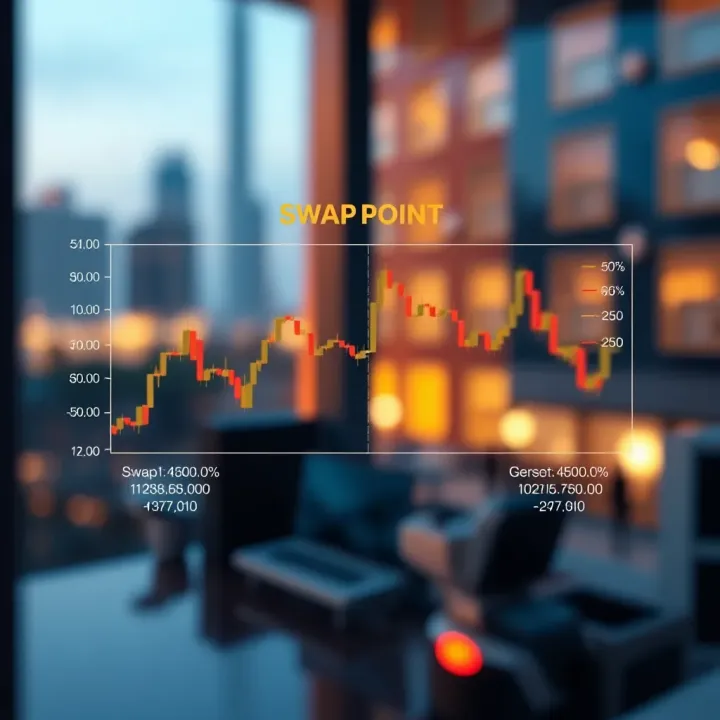
Nigeria’s financial environment is unique. The Central Bank of Nigeria (CBN) sets relatively high interest rates (around 18-22% recently) due to inflation and naira volatility. This influences the swaps on forex pairs involving the Nigerian Naira (NGN). For example, holding NGN against a low-interest currency like the Japanese Yen (JPY) could generate positive swap income. However, most brokers’ NGN pairs are limited, so many traders deal with major currencies like USD, EUR, and GBP, where swaps depend mostly on those countries’ interest rates.
Swap rates affect your overall trade return. Even with a profitable price move, excessive swap fees can eat into gains, especially for longer-term trades.
Swaps derive from the interest differential of currency pairs, adjusted for broker fees and the position size. The formula generally looks like this:
Swap = (Interest rate of base currency - Interest rate of quote currency) / 365 × Position size
Brokers often show swap rates in points or pips for both long and short positions. It's crucial to check your broker's swap table before trading, particularly for pairs that are popular in Nigeria like USD/NGN on some platforms or USD/EUR.
Cost Management: Frequent traders or scalpers may see negligible impact, but swing traders paying swap for several days must factor this in.
Earning Strategy: Some traders use positive swaps to build small passive returns by holding pairs with favourable interest rates (carry trade).
Market Volatility: During ember months or times of high naira instability, swap rates and spreads might widen, affecting charges.
Understanding swaps helps Nigerian traders make informed decisions on which currency pairs to trade, when to open or close positions, and how to plan holding periods, especially considering local money market dynamics and broker conditions.
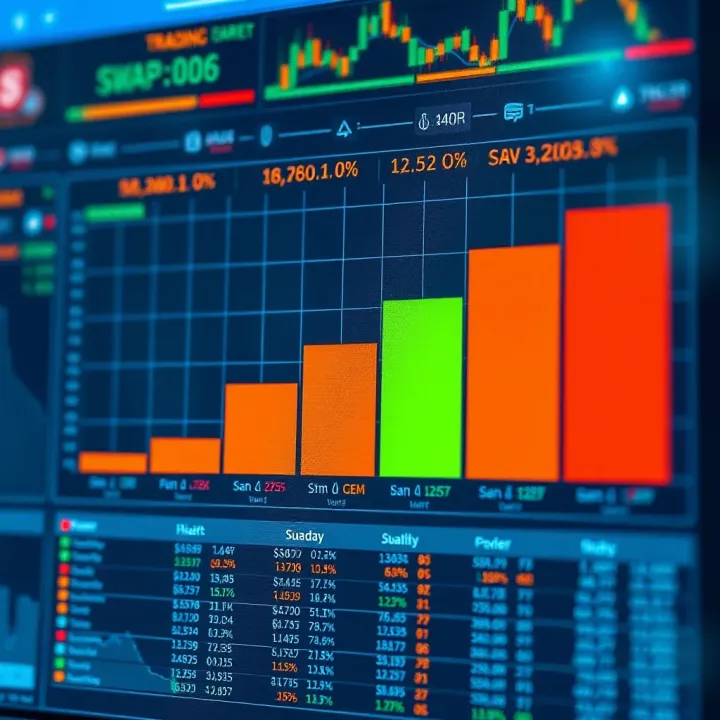
Understanding swap is vital for any forex trader, especially in Nigeria where the market environment has unique features. Swap refers to the interest paid or earned for holding a currency position overnight. It reflects the cost or benefit triggered by differences in interest rates between two currencies in a pair. This overnight interest charge or credit can significantly influence your trading costs and profits, particularly if you keep positions open for several days.
Swap is essentially the interest rate differential between currencies in a forex pair, applied to the value of your position and charged or credited daily. For instance, if you hold a USD/NGN position overnight, your broker either adds or subtracts swap based on the interest rates set by the Federal Reserve (for USD) and the Central Bank of Nigeria (CBN) for the naira. It’s like a small daily fee or reward linked to lending or borrowing the currencies involved.
This matters because forex trading isn’t just about currency price changes; money has a time value. Holding a currency with a higher interest rate against one with a lower rate can earn you a positive swap, while the reverse results in a cost. This overnight adjustment reflects real costs financial institutions face and passes them on to traders.
Brokers apply swap fees because every forex trade involves borrowing one currency to buy another. If you buy a currency with a lower rate against a currency with a higher rate, the broker pays you the difference – a positive swap. Conversely, if you hold the opposite position, you pay a swap fee reflecting the cost of borrowing that currency overnight.
For example, say the USD interest rate is 5% and the NGN rate is 12%. Buying USD/NGN means you are effectively selling NGN and buying USD. If the differential favours your position, your broker credits you swap; if not, you pay swap. Brokers add administrative charges on top, meaning the swap rate you get can differ slightly from pure interest rate differentials.
Swaps differ from spreads and commissions, which are upfront trading costs. The spread is the difference between the buying and selling price of a currency pair and represents an immediate cost per trade. Commissions are explicit fees charged by some brokers for executing trades.
Swap, however, is a recurring cost or income depending on how long you hold a position overnight. It applies only after the market closes each day and is variable based on interest rates, broker policies, and the currency pair.
If your strategy involves holding trades for days or weeks, swap becomes a critical factor affecting profitability. A negative swap can erode gains or deepen losses over time, making seemingly profitable trades less appealing.
In contrast, positive swap can boost returns if correctly managed. For Nigerian traders, understanding swaps is a must, especially given local factors like naira volatility and changes in CBN’s monetary rates, which directly affect swap values.
Managing swap well can help you avoid unexpected costs and even earn extra income from your trades. Knowing your broker’s swap policy and the interest rate context is essential before committing to long-term positions.
Understanding how swap is calculated helps Nigerian traders anticipate costs or gains when holding positions overnight. Since swap fees come from interest differentials between currencies, knowing the calculation method clarifies its impact on your trades. This knowledge can lead to smarter position management, reducing unnecessary expenses or even profiting from positive swaps.
Central bank rates heavily influence swap rates because they set the baseline interest for each currency. For example, the Central Bank of Nigeria (CBN) rate affects the naira’s interest expectations. When you hold a currency pair overnight, the swap you pay or receive depends largely on the difference between the interest rates of the two countries involved.
If Nigeria's benchmark rate is higher than that of the other currency in the pair, traders might earn positive swaps by holding the naira currency long. Conversely, if the CBN rate is lower, the swap typically becomes a cost.
Interest rate differentials between currency pairs determine whether swaps are credited or debited to your account. Traders who buy a currency with a higher interest rate while selling one with a lower rate can benefit from positive swap rates. That said, these interest differences fluctuate based on economic conditions, monetary policy changes, and central bank announcements.
Swaps are calculated based on lot size, the interest rate differential, and the number of days the position is held overnight. The formula typically considers the standard lot size—which in forex is often 100,000 units of the base currency—but can also be customised by brokers depending on account types.
For example, if you hold one standard lot of USD/NGN overnight, your swap cost reflects the difference between the US Federal Reserve interest rate and the CBN rate, adjusted for the currency's value and the broker's fee. Traders using smaller lot sizes, such as mini or micro lots, will see swap values scale proportionally.
Concretely, the daily swap can be expressed as:
Swap = (Lot Size × Interest Rate Differential × Base Currency Price) ÷ 365
This formula can be adjusted by the broker's spread or swap policy but offers a practical way to estimate costs.

#### Examples with Common Currency Pairs

Take the USD/NGN pair. Suppose the US interest rate is 5% per annum, and the CBN rate is 18% per annum. Holding a long USD/NGN trade means you are selling naira to buy USD, effectively borrowing at 18% to invest at 5%, causing a negative swap cost because you pay the higher Nigerian rate.

On the other hand, for EUR/USD, with the European Central Bank rate near 0% and US interest at 5%, buying EUR/USD earns a negative swap because you pay the higher US rate. Selling this pair might earn you a positive swap, but it depends on broker terms.

Knowing these examples helps Nigerian traders pick pairs strategically, especially if aiming to minimise overnight costs or to benefit from positive swaps.

> Swap calculation hinges on interest rates and position details. Understanding this can save costs or turn overnight holding into an extra revenue stream for Nigerian forex traders.

## Impact of Swap on Your Forex Trading in Nigeria

Understanding how swap influences your forex trades is essential, especially within Nigeria's dynamic market. Swaps can either erode or enhance your profits, depending on several factors, including the direction of your trades and prevailing economic conditions. Nigerian traders often hold positions overnight or longer, making awareness of swap costs a key part of effective trading.

### How Swaps Affect Profit and Loss

Swaps carry positive or negative values depending on the interest rate difference between the two currencies in a pair. For example, if you buy a currency with a higher interest rate against one with a lower rate, you might earn swap points overnight. Conversely, selling the same pair could cost you swap charges. This means a trade that seems profitable on price movement alone might suffer or gain additional profit from swap.

For Nigerian traders, dealing mostly with USD/NGN or EUR/USD pairs, swaps can affect overall returns notably. Consider a long position in USD/NGN where the US dollar carries a higher interest rate than the naira; holding this overnight might accumulate positive swap income. However, a short position may cost you swap, reducing profit or increasing loss.

Holding trades overnight or for extended periods increases exposure to swap charges or credits. Day traders who close positions within the day usually avoid swap effects, but swing traders and investors must factor these costs or earnings into their risk management and profit calculations. Ignoring swap can lead to surprises in realised gains or losses.

### Considering Naira Volatility and Market Conditions

The naira's exchange rate fluctuations influence swap rates and their impact on trades. During periods of naira weakness against major currencies like the dollar, interest rate spreads may widen, affecting swap calculations. For instance, if the Central Bank of Nigeria (CBN) raises its monetary policy rate to support the naira, this could increase positive swaps for positions involving the naira, making certain trades more profitable when held overnight.

Local economic factors such as inflation rates, CBN policy changes, and demand for foreign exchange play significant roles in swap dynamics. Tightening liquidity or forex scarcity often cause volatility that alters market interest rates and thus swap. Traders who stay alert to Nigeria's economic [signals](/articles/understanding-crypto-trading-signals-nigerian-traders/) can better anticipate swap movements and make smarter trading decisions.

> Swaps are not just technical fees—they reflect the broader economic environment. Nigerian forex traders benefit by aligning swap considerations with local market realities, especially naira fluctuations and monetary policy shifts.

By carefully managing your trading strategy to include swap effects, you reduce hidden costs and capitalise on swap opportunities tied to Nigeria's unique forex landscape.

## Managing Swap Costs and Taking Advantage of Them

Managing swap costs is vital for Nigerian forex traders because these costs can erode profits or, in some cases, boost returns. Swaps arise from interest rate differences between currencies involved in a trade. If ignored, they can quietly chip away at gains, especially for traders holding positions overnight or for the long term. Taking advantage of favourable swaps or mitigating negative ones gives traders better control over their bottom line, making this understanding a practical edge in the Nigerian forex market.

### Choosing Currency Pairs with Favorable Swaps

Currency pairs with a positive interest rate differential offer an opportunity to earn swap credits rather than pay fees. This happens when you buy a currency with a higher interest rate and sell one with a lower rate. For example, USD/NGN often has a higher interest rate differential because the Central Bank of Nigeria (CBN) maintains interest rates above the US Federal Reserve’s rate. Holding a long position in such pairs overnight can generate swap income, effectively paying you for keeping the trade open.

In the Nigerian market, popular pairs like USD/NGN and EUR/USD each behave differently regarding swaps due to varying interest rate policies. For Nigerian traders, focusing on pairs where the naira’s interest environment plays a role can be profitable. However, volatility in the naira’s exchange rate can sometimes outweigh swap benefits, so continuous monitoring of market conditions is necessary. Traders often combine swap considerations with technical analysis for better outcomes.

### Using Swap-Free Accounts and Alternative Strategies

Swap-free accounts, sometimes called Islamic accounts, cater to traders who cannot or prefer not to pay or receive interest due to ethical or religious reasons. These accounts suspend swap charges altogether, making them popular among Nigerian Muslim traders. While swap-free accounts help avoid overnight interest costs, brokers may introduce slightly wider spreads or commissions to offset this, so traders should assess the overall cost.

Besides opting for swap-free accounts, Nigerian traders can minimise swap impact by adjusting trade duration and timing. Avoiding overnight holds on pairs with negative swap rates reduces unnecessary costs. Also, scalping or short-term day trading are popular strategies that sidestep swap charges altogether. Another practical approach comprises balancing trades—holding a long position on one pair while shorting another with opposite swap effects—to flatten net swap costs.

> Keeping a close eye on swap rates and pairing this knowledge with trading strategies suited to your style helps you either reduce costs or turn swaps into an extra source of income.

Effective management of swaps is not just about avoiding costs but making them work for you. For Nigerian traders contending with naira pressures and local market quirks, this understanding can markedly improve trading profitability.

## Practical Tips for Nigerian Forex Traders on Swap

Understanding swap rates and managing their impact is essential for Nigerian forex traders aiming to optimise profits and control trading costs. These practical tips focus on how to handle swaps effectively within the local trading environment, considering Nigeria's unique market conditions and banking system.

### How to Check Swap Rates with Your Broker

Most brokers display swap rates clearly on their trading platforms, often in the contract specifications or instrument details section. For instance, on popular platforms like MetaTrader 4 or 5, you can find the overnight swap rates by selecting a currency pair and viewing its properties. This information usually includes separate rates for long and short positions, which helps traders plan accordingly.

It's essential to verify that the swap rates your broker provides are regularly updated and accurate. Swap values depend heavily on central bank interest rates and currency fluctuations, which can change quickly. Nigerian traders should cross-check swap information by contacting their broker's customer service or reviewing recent announcements to avoid unexpected costs, especially during times of market volatility.

### Planning Trades with Swap in Mind

Adjusting trade duration is a straightforward way to manage swap costs. Since swaps apply only when positions are held overnight, traders intending to minimise these charges might close trades before the trading day ends. For example, a trader speculating on GBP/USD might choose to exit within the day to avoid overnight interest fees.

Balancing swap costs against potential gains requires careful assessment of trade strategy. Sometimes holding a position overnight can be beneficial if the swap is positive, effectively adding to profits. In contrast, persistent negative swaps might erode gains over time. Nigerian traders need to consider whether the expected market moves outweigh accumulated swap fees before committing to long-term positions.

### Impact of Nigerian Banking Hours and Holidays on Swap

Swap charges also interact with local banking calendars. During weekends and Nigerian public holidays, forex brokers often apply triple swap rates to compensate for days when markets are closed. This means holding a position over a weekend could incur higher swap fees, impacting profitability.

Given Nigeria's time zone (West Africa Time, UTC+1), traders should also consider how local hours align with global forex market sessions. Entering or exiting trades at certain times can influence swap accrual, especially when markets in London or New York are closing. Being mindful of these timing differences helps Nigerian traders minimise unexpected swap costs and better plan their trading schedule.

> Keeping a close eye on swap rates, local market hours, and banking holidays can save Nigerian traders significant costs and sometimes create opportunities to earn from swaps. Always plan with both the forex market and local context in mind to stay ahead.Discover how forex trading works, key risks, and practical steps for Nigerian traders to profit from currency exchange rates in the dynamic ₦ market 🌍💱

📚 Master forex trading with top books tailored for Nigerian traders. Learn strategies, risk management, and how to navigate Nigeria's forex market for profitable trades. ₦

📈 Explore key forex indicators popular among Nigerian traders, learn their pros and cons, and get tips to use them effectively for better trading decisions.

📈 Master forex trading basics with this easy guide for Nigerians. Learn key terms, trading steps, risk controls & where to find helpful PDFs to start strong today.
Based on 11 reviews