
Understanding Forex Trading Signals in Nigeria
📈 Discover how forex trading signals can guide Nigerian traders to make smarter currency moves, manage risks effectively, and boost profits in Nigeria's market.
Edited By
Oliver Bentley
Forex trading signals act like a compass for traders navigating the often unpredictable forex market. These signals provide actionable tips, indicating when to buy, sell, or stay put based on thorough market analysis. Nigerian traders, dealing with a market influenced by factors like naira volatility, economic reports, and geopolitical news, can benefit tremendously by understanding and applying these signals effectively.
Generally, forex signals are generated by experienced analysts or automated systems that consider technical indicators, economic events, and price patterns. For example, a signal might suggest buying the EUR/USD pair at 1.1300 with a take-profit set at 1.1350 and a stop-loss at 1.1250. This kind of guidance helps traders make quicker decisions without having to constantly monitor charts.
Correct interpretation and timely use of forex signals can help traders cut through market noise and improve their chances of making profitable trades.
Nigerian traders can access signals from various sources:
Signal providers: Professional services like ForexSignals.com or local Nigerian platforms often offer subscription-based signals that come with detailed explanations.
Automated trading bots: These use AI and algorithms to generate ongoing signals. Though handy, they require caution and regular supervision.
Social trading platforms: Apps like eToro allow copying trades based on other skilled traders’ signals.
Trading signals can save time and reduce emotional mistakes by providing a clear strategy. However, traders should avoid blind reliance. Signals do not guarantee profits, and some sources might provide poor or biased tips. A reliable approach involves testing signals on demo accounts first and continually updating your knowledge of the market.
In summary, understanding forex trading signals equips Nigerian traders with a practical tool to better anticipate price movements, manage risks, and complement their trading strategies. Combining signals with personal analysis and local market awareness increases the potential for success in the competitive Naija forex scene.
Forex trading signals are alerts that tell traders when to buy or sell a currency pair. These signals are created using analysis of market trends, news events, and technical indicators. For Nigerian traders, these signals can save time and reduce guesswork in a market that moves fast and is influenced by both local and global developments.
By following forex signals, traders get tips on entry points, exit points, and stop losses to manage risks effectively. For instance, during periods of naira volatility or when the Central Bank of Nigeria (CBN) makes monetary policy changes, signals can guide decisions on whether to hold or move out of certain currency positions.
Simply put, forex trading signals are recommendations generated either by a human expert or a computer algorithm. These recommendations indicate a potential profitable trade based on an analysis of price patterns, economic reports, or technical studies. Unlike random guesses, these signals rely on data-driven insights, aiming to increase the trader’s chances of success.
In the Nigerian forex context, signals often consider local realities—such as exchange rate pressures or geopolitical events—alongside global market triggers like US dollar strength or oil price movements.
There are two main types of forex signals: manual and automated. Manual signals come from experienced traders or analysts who study the market and send trade alerts, often through messaging apps or email. For example, a seasoned forex trader in Lagos might provide daily signals based on recent market shifts.
Automated signals, on the other hand, are generated by software or trading algorithms. These use preset rules and indicators to scan the market 24/7, producing signals without human intervention. Platforms like MetaTrader offer Expert Advisors (EAs) that send such automated alerts, which can be helpful for traders who want round-the-clock monitoring.
Both types have advantages—the human touch can factor in news nuances, while automation ensures speed and consistency. Nigerian traders often choose based on their trading style, resources, and preference.
Trading signals rely on a mix of technical and fundamental indicators. Key technical indicators include:
Moving Averages (MA): Smooth out price data to spot trends
Relative Strength Index (RSI): Measures if a currency is overbought or oversold
Bollinger Bands: Highlight price volatility and potential reversal points
Fundamental signals consider economic data like inflation rates, CBN policy changes, or global events impacting currencies. For example, a spike in Nigeria’s inflation rate may prompt a sell signal on the naira.
A well-crafted forex signal combines multiple indicators to provide a clearer picture, so traders can avoid relying on just one sign alone.
Understanding how these components work equips Nigerian traders to choose signals wisely and integrate them into their overall strategy.
Finding reliable forex trading signals is a big deal for Nigerian traders aiming to make informed decisions and avoid unnecessary losses. Not all signals are created equal, so knowing where to source trustworthy signals can save you from falling into traps or wasting your time. Whether you're trading on platforms like MT4 or MT5, or using mobile apps from local fintech players, having signals you can depend on makes a difference.
Subscription services are among the most common sources of forex signals. Many providers offer monthly plans where traders receive signals via email, SMS, or dedicated apps. For example, companies like ForexSignals.com or Learn2Trade supply detailed entries and exit points backed by technical analysis. Nigerian traders benefit from such services if the signals match the currency pairs commonly traded locally, like USD/NGN or GBP/USD. However, quality varies—some providers give signals based on solid market research, others merely guesswork. Always verify a signal provider's track record and look out for those with transparent performance histories before subscribing.
Social trading platforms like eToro or ZuluTrade allow Nigerian traders to mirror the trades of experienced investors or access shared signals from community members. This setup can be practical for beginners since it offers direct insight into how others trade. Besides, Nigeria has growing Telegram and WhatsApp channels where traders sometimes share signal alerts without cost. While the informal nature of these groups encourages learning and support, traders must be cautious about blindly following recommendations without assessing risk. Peer discussions can provide fresh perspectives but are best combined with your own market analysis.
Free forex signals attract many, especially when funds are tight, but they often come with significant trade-offs. Free signals might lack detailed analysis or timely delivery, affecting profitability. On the other hand, paid signals usually cost between ₦5,000 and ₦20,000 monthly in Nigeria but may offer more consistent updates, risk management tips, and customer support.
That said, payment doesn’t guarantee quality. Always test the signals on demo accounts before risking real money. Also, consider your trading style; some paid services suit scalpers, while others fit swing traders better. For Nigerians juggling day jobs or business, subscription signals can save time, while social communities can keep you engaged without extra costs.
Reliable forex trading signals come from providers matching your needs and backed by proven results—not just promises. Spend time researching before committing to any source.
Knowing where and how to access dependable forex trading signals will help Nigerian traders sharpen their strategies and tackle the forex market with more confidence.
Knowing how to evaluate forex trading signals is key for Nigerian traders who want to avoid unnecessary losses and make informed decisions. Signals can look impressive on the surface, but without proper checks, you run the risk of following poor advice or falling victim to scams. This section breaks down how to assess signal accuracy, verify provider credibility, and stay clear of fraudulent services.
The accuracy of forex signals largely determines their usefulness. A reliable signal should show a consistent track record of successful trades over a reasonable period. For example, if a provider claims 90% accuracy but only shares results for a couple of weeks, that's a red flag. Good providers often publish verified historical performance data, which lets you see how often their signals hit profit targets versus losses.
In Nigeria’s volatile forex market, fluctuations are common, so no signal will be right every time. Instead, look for signals with a positive risk-to-reward ratio that improve your chances of earning over the long run. You might want to backtest signals using demo accounts or paper trading before committing real money.
Transparency shows whether a provider is serious about accountability. Reputable signal services disclose the methodology behind their signals, how trades are identified, and even show live results or client testimonials. For instance, platforms connected to established brokers like FXTM or brokers regulated by the Securities and Exchange Commission (SEC) Nigeria tend to be more trustworthy.
Reputation also matters. You can gauge this by reading reviews on trusted financial forums or checking whether signal providers have been active in the Nigerian trading community for a while. Word of mouth from experienced traders, as well as recognition in local trading circles or events, often signals reliability.
Unfortunately, scams are rampant in Nigeria’s online trading space. Some scammers offer “too good to be true” signals promising huge returns with no risk, or they ask for hefty upfront fees without showing proof of authenticity. To avoid such traps:
Always verify provider credentials and track record before subscribing
Avoid providers pushing aggressive sales pitches or demanding large fees immediately
Use free trial periods or signals from demo accounts to test before paying
Be cautious with providers operating solely on social media without proper platforms
Remember, even the best signals are no substitute for your own judgment and market study. Combining signals with your personal research reduces risk and sharpens your trading edge.
In summary, Nigerian traders should carefully review signal accuracy, insist on transparency, and watch out for scams to make the most of forex trading signals. Evaluating these factors before following signals helps protect your capital and enhances your chances of consistent profits.
Using forex trading signals wisely can significantly enhance your trading performance, especially within Nigeria’s volatile forex market. Signals should not be treated as a stand-alone decision-making tool but rather as a supplement to your ongoing market analysis and risk management approach.
To get the most from forex signals, you need to blend them with your own market study. For instance, if a signal advises buying USD/NGN, check current economic events affecting both currencies. Look at local factors like CBN’s recent monetary policy or political developments impacting the naira. Combining signals with chart patterns, support and resistance levels, or candlestick formations makes your trades smarter. Simply following signals blindly may lead you into poor trades, especially during unexpected market shifts common in Nigeria’s forex space.
Risk management is the backbone of successful forex trading in Nigeria. Even the best signals don’t guarantee profit every time. Set clear stop-loss levels tailored to each trade signal to limit your losses. For example, if a signal suggests entering at ₦460/$ with a 50-pip stop-loss, stick to it firmly. Never risk more than 1–2% of your total trading capital on a single trade. This way, a few wrong calls won’t wipe out your account. Remember, preserving capital matters more than chasing every signal. Consistency over big wins is what bolsters long-term success.
Choosing the right tools can make signal execution faster and more efficient. Popular platforms like MetaTrader 4 and MetaTrader 5 allow automatic implementation of many signals via Expert Advisors (EAs). Mobile apps from Nigerian brokers like FXTM or global platforms like OANDA offer timely push notifications so you won’t miss entry points even when you’re out and about. Besides, platforms such as Telegram and WhatsApp groups are common channels where Nigerian traders receive signals; however, verify signal providers’ credibility before relying on them. Efficient execution tools reduce lag, prevent slippage, and help you react promptly to market changes.
Signals are not crystal balls; they are aids in navigating complex forex markets. Mix your knowledge with smart money management and reliable tools to turn signals into profitable trades.
In summary, use forex trading signals as a helpful guide, not a guaranteed ticket. Assess signals against your own market insights, manage your risks diligently, and harness trusted platforms for execution. This approach helps Nigerian traders navigate forex markets with confidence and resilience.
Using forex trading signals offers Nigerian traders some practical advantages, but it also comes with notable limitations that every trader must understand. Considering these helps in making informed choices and maximising the potential benefits while managing risks effectively.
Forex trading signals can serve as a reliable guide for new traders who are still learning market dynamics. Rather than guessing market moves, a beginner can follow signals based on technical or fundamental analysis, saving time on research and avoiding costly trial and error. For instance, a novice using signals from respected platforms like FxPro or Pepperstone can get entry and exit points that reflect current market trends, helping them trade more confidently.
Busy traders also find signals valuable since they may not always monitor the market due to work or other commitments. Signals delivered via apps, social media, or SMS alert them promptly when to act. A Lagos-based trader juggling office work and forex can use signals from local fintech like OPay to quickly place trades without spending hours in front of the screen.
While signals make trading simpler, the risk of blindly trusting them is real. Some signal providers might lack transparency or have questionable track records, especially those promising guaranteed profits. There are also cases where signals are outdated by the time they reach the trader, leading to missed opportunities or losses.
Another pitfall is ignoring personal analysis. Forex signals are indicators, not guarantees. The Nigerian forex market is affected by unique events such as CBN policy shifts, Naira volatility, or oil price changes. A trader who fails to consider these local factors while following generic international signals might face unexpected outcomes.
Additionally, overtrading based on frequent signals can drain capital quickly due to transaction costs and spread. It's easy to fall into chasing signals without a solid money management plan, resulting in losses.
To avoid depending too much on trading signals, Nigerian traders should view them as tools, not answers. Integrate signals with your technical and fundamental analysis. For example, before acting on a buy signal, check the latest Central Bank announcements or oil market news affecting the Naira.
Use signals selectively and combine them with risk control methods like stop-loss orders and position sizing. Limit how many signals you follow per day and avoid reacting emotionally to every alert. Practising patience and discipline will prevent signal overuse.
Lastly, always test new signal providers on demo accounts or with small amounts, especially in a volatile environment like Nigeria's forex market. Monitor their accuracy over time, then decide if they fit your trading style and risk appetite.
Effective use of forex trading signals in Nigeria comes from balancing the convenience and insight they provide with cautious analysis, good money management, and awareness of the local market’s unique conditions.
In sum, signals can give Nigerian traders a head start and save time, but knowing their limits and not relying on them blindly will help safeguard capital and build real trading skill over time.
📈 Discover how forex trading signals can guide Nigerian traders to make smarter currency moves, manage risks effectively, and boost profits in Nigeria's market.
💱 Understand forex trading: how the global currency market works, key players, methods, risks & rewards for Nigerian traders. Make smarter moves with forex insights today!
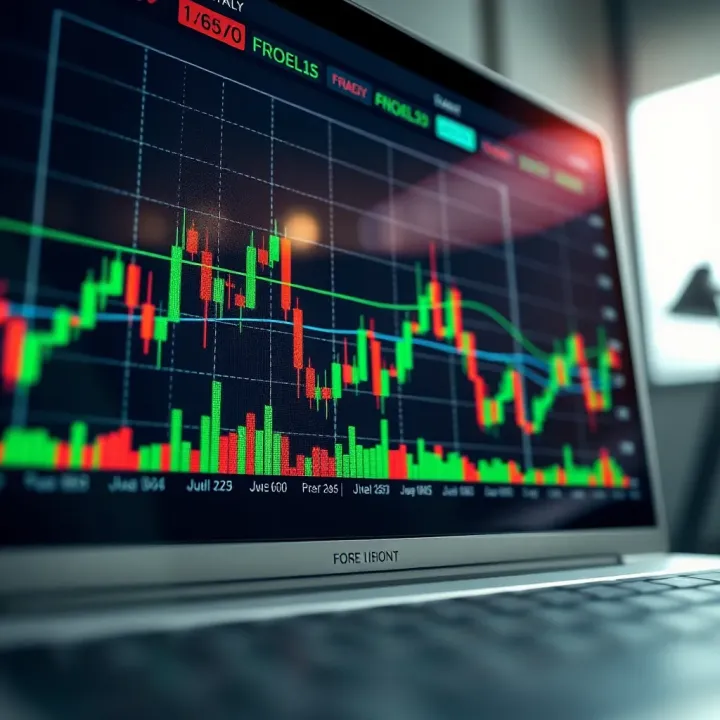
📊 Learn how to choose and use the best forex trading signals in Nigeria. Discover types, trusted providers, evaluation tips, and risk management strategies to boost your trades!
Trading forex in Nigeria? Discover how top forex companies operate, their regulation, tips to spot reliable firms, and ways to avoid common risks 🏦💱
Based on 13 reviews