
Choosing the Best Forex Trading Platform
Find the best forex trading platform for your needs in Nigeria 🇳🇬. Compare features, usability, and options to boost your trading success 💹.
Edited By
Amelia Jenkins
Forex trading has steadily gained traction among Nigerian investors keen on growing their wealth beyond traditional avenues like stocks or real estate. At its core, forex trading involves buying and selling currency pairs to profit from fluctuating exchange rates, but the real challenge lies in choosing the right trading platform tailored to Nigeria's unique market environment.
Not all forex platforms serve Nigerian traders equally. Some struggle with slow fund transfers or lack adequate regulation, while others charge steep fees or provide weak customer support. Finding a platform that combines trustworthiness, user-friendly design, affordable costs, and accessible local payment methods is key to consistent success.
A good forex trading platform should streamline entry and exit from trades, offer transparent charges, and allow seamless deposits and withdrawals using popular Nigerian payment options like bank transfers, USSD, or mobile money.
When comparing platforms, consider these practical aspects:
Regulation: Verify if the platform is licensed by respected bodies like the Nigerian Securities and Exchange Commission (SEC) or international authorities such as the FCA. This step reduces fraud risks.
Fees and Spreads: Look for low spreads and minimal commissions. High fees can erode profits, especially for active traders.
Payment Methods: Platforms that accept local payment channels including GTBank transfers, Paystack, or Flutterwave integrations cater better to Nigerian users.
User Experience: A clean, responsive app or website matters. Platforms like MTN Mobile Money-enabled FX apps offer convenience for on-the-go trading.
Real examples include local brokers with SEC registration offering tight spreads and quick naira deposits, or global platforms integrating Nigerian mobile payment systems for easy account funding.
In the following sections, we will break down how to assess forex platforms in detail, discuss risk management tools available, and highlight factors unique to Nigeria’s forex environment that every trader should know. Staying informed and selective can protect you from scams and boost your chances at profitable trading.
Forex trading involves buying and selling currencies in the global market. Understanding how forex trading works in the Nigerian context is essential for selecting the right platform and making informed investment decisions. It offers a chance to earn from movements in currency values, which can be lucrative but also carries risks. Getting the basics right helps traders avoid common pitfalls and maximise opportunities.
Forex trading is essentially exchanging one currency for another, such as swapping US dollars for euros. Traders participate because currency values fluctuate constantly due to factors like economic data, political events, and market sentiment. For example, if you expect the naira to weaken against the dollar, you might buy dollars and sell naira, aiming to sell back later at a profit.
In Nigeria, forex trading is unique because of the local currency’s frequent volatility and the influence of the Central Bank of Nigeria's policies. Knowing how these factors steer exchange rates helps traders decide when to enter or exit trades effectively.
Traders profit by speculating on whether a currency’s value will rise or fall. Suppose a trader buys EUR/USD when one euro is ₦500, and later it rises to ₦520; selling off at this point yields a profit. On the flip side, if the rate declines, the trader faces a loss. Hence, understanding market timing and monitoring indicators is key.
Platforms provide tools like charts and indicators to assist traders in spotting these opportunities. Successful traders often use strategies involving stop-loss orders to limit potential losses, reflecting practical approaches to managing risks.
The rapid expansion of internet connectivity and smartphone use in Nigeria has made forex trading more accessible. Traders no longer need to be in financial hubs like Lagos or Abuja; they can trade from anywhere using platforms like MetaTrader or local apps tailored for Nigerian users.
This digital shift lowers barriers to entry, enabling younger investors and professionals to participate in forex trading alongside traditional investment options. It creates a growing community of digitally savvy traders learning and sharing strategies.
With limited returns from traditional savings accounts and volatility in the stock market, many Nigerians turn to forex as an alternative way to grow wealth. The relatively low starting capital and the possibility for daily profit attract those wanting quick returns.
However, it's important to approach forex trading as a serious investment, not a quick lottery, which means choosing properly regulated platforms and educating oneself about market dynamics.
The naira has experienced considerable volatility due to economic pressures and policy changes. For many Nigerians, forex trading represents a way to hedge against local currency depreciation.
When the naira weakens, the value of foreign currencies increases locally. Traders who anticipate these swings can position themselves to benefit, effectively using forex markets to preserve or grow their capital despite the unpredictability of the local economy.
Getting familiar with forex trading basics and its appeal in Nigeria sets the foundation for selecting the most suitable trading platform. It ensures traders understand not just how to trade, but why the market behaves the way it does locally.
Choosing the right forex trading platform is critical for both novice and experienced traders in Nigeria. The platform you pick directly affects your ability to trade confidently, manage risks, and execute transactions efficiently. Key features like regulation, user experience, and local payment options shape your overall trading experience and success.
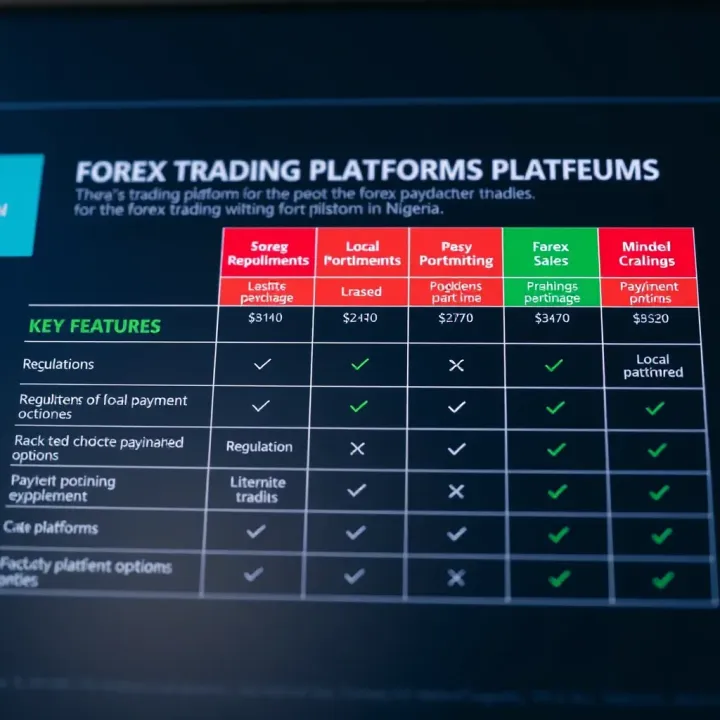
Licensed brokers offer a level of trust that unregulated operators can’t match. A broker regulated by bodies such as the Nigerian Securities and Exchange Commission (SEC) or internationally recognised authorities like the Financial Conduct Authority (FCA) ensures compliance with market rules. For Nigerian traders, this means protection against fraud and malpractice, which is significant in a market where scams are common.
Trading with regulated brokers also means access to dispute resolution mechanisms and periodic audits. This oversight guarantees the broker operates transparently and maintains fair trading conditions. For example, platforms licensed by the SEC must adhere to strict guidelines on disclosures and capital adequacy.
Your money and personal information must be safe on your trading platform. Top forex platforms segregate client funds from their operational accounts to prevent misuse. In practice, if the broker faces financial trouble, your deposits remain protected.
Data security is equally crucial. Platforms using robust encryption standards (like SSL certificates) help prevent hackers from accessing sensitive information. Nigerian traders should look out for clear privacy policies and two-factor authentication options, which provide extra protection to shield accounts from unauthorised access.
A good user interface can save time and reduce errors. Playing around confusing menus or slow platforms can lead to missed trades or bad decisions. Nigerian traders, especially those new to forex, benefit greatly from platforms that are intuitive, fast, and responsive on both desktop and mobile.
Consider platforms with simple dashboards that display key metrics like balance, open positions, and chart views in one place. This approach makes it easier to monitor trades and analyse market movements without getting overwhelmed.
Effective analysis tools improve your chances of spotting profitable trades. Look for platforms offering multiple chart types (candlestick, line, bar) and technical indicators such as moving averages, Relative Strength Index (RSI), and Bollinger Bands.
Order types beyond the basic market order—like limit, stop-loss, and take-profit—allow you to manage positions carefully. For example, setting a stop-loss limits potential losses, which is essential in Nigeria’s sometimes volatile forex market.
Ease of funding your account directly affects trading convenience. Platforms that integrate with major Nigerian banks and mobile money providers (like Paga or OPay) allow seamless deposits and withdrawals in naira.
Using local payment methods avoids costly currency conversion fees imposed by foreign intermediaries. Additionally, integration with voice- or USSD-based services helps traders without constant internet access to fund their accounts quickly.
Fast fund transfers make a difference during market moves when timely trades matter. Platforms offering near-instantaneous deposits and withdrawals in naira give Nigerian traders an edge.
Beware platforms that delay withdrawals; this could signal liquidity problems or hidden fees. Regular users should confirm withdrawal timelines and associated charges before committing large sums.
Choosing a platform with strong regulation, user-friendly design, and reliable local payment options lets you trade confidently in Nigeria’s evolving forex space. Always prioritise safety and convenience to protect your investments and simplify your trading process.
Understanding the differences between forex trading platforms is critical for Nigerian traders aiming to make informed choices. Each platform offers varying features, fees, and support that can affect trading success and overall experience. By comparing popular platforms, traders can pinpoint those best suited to Nigeria’s market environment, payment preferences, and regulatory expectations.
Platforms like MetaTrader, IG, and eToro have gained recognition worldwide and provide extensive tools for forex trading. MetaTrader stands out for its advanced charting options and automated trading through Expert Advisors (EAs), offering flexibility for both beginners and expert traders. IG, known for its comprehensive educational resources and risk management tools, also supports Nigerian users with local payment options and customer service. eToro brings social trading features where Nigerians can follow and copy trades from experienced investors, adding a community feel absent in many platforms.
A key benefit of these international platforms is the availability of Nigerian naira accounts. Trading directly in naira helps to avoid unnecessary currency conversion fees and simplifies deposits and withdrawals for Nigerian users. Some brokers linked with these platforms also partner with local banks, making fund transfers quicker and more cost-effective. This practical approach lowers barriers for new traders who might otherwise struggle with forex funding logistics.
Several trading platforms have emerged focusing on the Nigerian market specifically. These platforms understand local riders such as internet reliability, preferred payment methods like USSD or mobile wallets, and the need for customer support in local languages or time zones. For instance, platforms developed by fintech entrepreneurs in Lagos often integrate naira wallets and offer step-by-step guides relevant to Nigerian trading regulations.
Good customer service backed by local regulatory compliance is another strong point. Nigeria’s Securities and Exchange Commission (SEC) keeps a watch on platforms to ensure fairness and protect traders from scams. Platforms registered with the SEC or other relevant bodies give users confidence by showing adherence to national safeguards. Furthermore, access to localised assistance reduces delays when solving issues—from account verification to withdrawal problems—making trading a smoother experience.
Comparing platforms isn’t just about features; it’s about choosing a service that understands your context, supports your currency, and keeps your funds safe.
By weighing these factors, Nigerian traders position themselves to pick forex platforms with both global strength and local sensitivity, enhancing their chances of success in forex trading.
Trading forex involves more than just spotting price trends; managing risk plays a vital role in preserving your capital and building confidence over time. In Nigeria’s volatile market, understanding how to control losses and protect profits can be the difference between success and burnout. This section breaks down key risk factors and practical tools to make trading less daunting and more strategic.
Currency prices move constantly due to supply and demand dynamics. For example, if the US dollar strengthens against the naira because of rising interest rates in the US, Nigerian traders holding naira pairs may face losses if the naira weakens sharply. These fluctuations happen many times daily and depend on trade flows, economic indicators, and investor sentiment. Knowing that forex rates are fluid helps traders avoid panic when values jump unexpectedly.
Events like geopolitical tensions, elections, or oil price shifts can abruptly change currency values. For Nigerian traders, the oil market is especially relevant since Nigeria’s economy depends heavily on oil exports. A sudden drop in crude prices might weaken the naira, triggering rapid market shifts. Traders must keep an eye on such global happenings and adjust their strategies accordingly to avoid being caught off-guard by volatile swings.
These are order types that automatically close a trade at predefined price levels to protect gains or limit losses. For instance, if you buy EUR/USD at 1.2000, setting a stop-loss at 1.1900 caps your loss to 100 pips if the trade moves against you. Meanwhile, a take-profit set at 1.2100 locks in profits without needing you to watch the screen constantly. Using these tools helps Nigerian traders stick to plans and control emotions.
Putting all your funds into a single currency pair can expose you to big swings. Spreading investments across several pairs — such as USD/NGN, EUR/USD, and GBP/USD — can reduce risk by balancing losses in one pair with gains in another. Besides currency pairs, diversifying between short and long trades or incorporating other asset classes like commodities can further protect your portfolio from major shocks.
Demo accounts offer a risk-free environment where you can practise trading with virtual money. Many Nigerian brokers provide these platforms so you can test strategies without losing ₦. This hands-on practice builds discipline and familiarity with trading tools, helping you avoid costly mistakes when you switch to live accounts.
Learning resources tailored to Nigerians reflect local market conditions, regulatory framework, and payment options. Using content from Nigerian fintech platforms or brokers ensures lessons are practical and relevant. Whether through webinars, video tutorials, or eBooks, continuous education sharpens your trading edge and confidence.
Managing risk is not just about avoiding losses — it’s about creating a stable trading practice that protects your capital while you grow your skills. This approach suits Nigerian traders who face unique market challenges but aim for steady, sustainable progress.
By understanding market volatility, applying risk management strategies, and building skills carefully, you can turn forex trading from a gamble into a controlled investment opportunity tailored for Nigeria’s dynamic environment.
Starting forex trading in Nigeria requires clear, practical steps to ensure seamless entry into the market. Understanding these steps helps traders avoid common pitfalls, saves time, and builds confidence in managing investments. Given Nigeria’s unique financial environment, adhering to local regulations and using convenient payment methods can make a significant difference.
Submitting Nigerian identification documents is a mandatory first step for any serious trader. Brokerages licensed to operate in Nigeria, or those accepting Nigerian clients, require official identification like the National Identification Number (NIN), international passport, or driver’s licence. This process helps confirm your identity, prevents fraud, and aligns with the Central Bank of Nigeria’s (CBN) rules. For example, before you can fund your account or place trades, you’ll upload or present these documents through the platform's verification system.
KYC (Know Your Customer) process compliance goes hand in hand with identity verification. It involves providing personal information and proof of address to ensure transparency and legal compliance. Nigerian traders must complete this step to comply with anti-money laundering (AML) regulations enforced by the Nigerian Financial Intelligence Unit (NFIU). KYC protects both the trader and broker, ensuring funds are clean and activities don’t support illegal transactions. Skipping KYC can result in delayed withdrawals or account freezes, so it’s best to complete it early.
One of the practical challenges Nigerian traders face is funding their accounts smoothly. Using local payment channels and brokers’ preferred methods simplifies this. Many platforms accept transfers from Nigerian banks such as GTBank, Zenith Bank, or Access Bank, while some also integrate mobile money services like Paga or OPay. Choosing brokers that support these channels means faster deposits with lower charges. For example, Paystack and Flutterwave-powered platforms offer direct naira funding, cutting down reliance on costly and slow international wire transfers.
Dealing with currency conversion and charges is crucial for cost efficiency. Many international brokers operate primarily in US dollars or euros, which means your naira deposits will convert and sometimes incur conversion fees. Understanding these costs upfront helps you plan trade sizes and avoid unexpected deductions. Some platforms provide naira accounts or let you hold funds in NGN, which mitigates currency risk. It’s wise to compare what different brokers charge for conversion and withdrawal to keep costs manageable, especially when dealing with smaller initial investments.
When selecting currency pairs popular in Nigeria, focus on options that reflect local economic interest and volatility. Pairs like USD/NGN, EUR/USD, and GBP/USD are frequently traded due to Nigeria’s import-export activities and remittance flows. These pairs offer liquidity and relatively predictable movements, making them suitable for new traders. For instance, USD/NGN may react to naira policies or CBN interventions, giving local traders clearer trends to follow.
Setting trade size and monitoring your positions carefully is vital to managing risk. Start with smaller lots to understand market behaviour without risking too much capital. Many brokers allow mini or micro lots, ideal for beginners. Keep a close eye on your open trades using stop-loss orders to limit potential losses and take-profit levels to secure gains. Monitoring your trades regularly helps you respond quickly to market changes, especially during major Nigerian economic announcements or global events that affect forex.
Taking these practical steps ensures you enter the forex market in Nigeria confidently, with all legal compliance and strategic tools to manage your investments effectively.
Find the best forex trading platform for your needs in Nigeria 🇳🇬. Compare features, usability, and options to boost your trading success 💹.
Learn forex trading in Nigeria 🇳🇬: Understand how the market works, risks & rewards, Nigerian platforms, regulatory tips, and how to trade smartly with ₦ today.
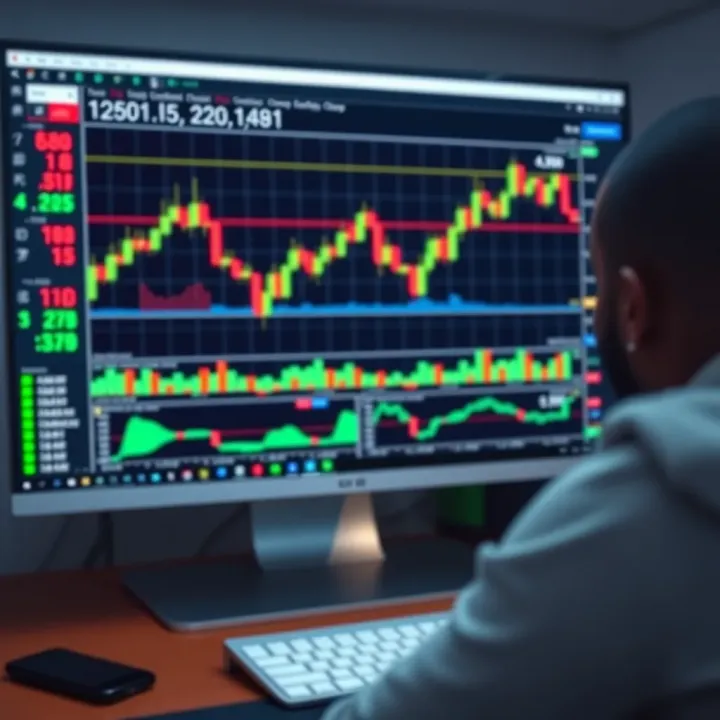
📈 Ready to trade forex in Nigeria? Learn how to pick brokers, set up accounts, manage risk, and avoid common mistakes. Build your trading skills today! ₦
📈 Ready to start forex trading in Nigeria? Learn how to pick brokers, open accounts, understand key terms, apply winning strategies, and manage risks with confidence.
Based on 12 reviews