
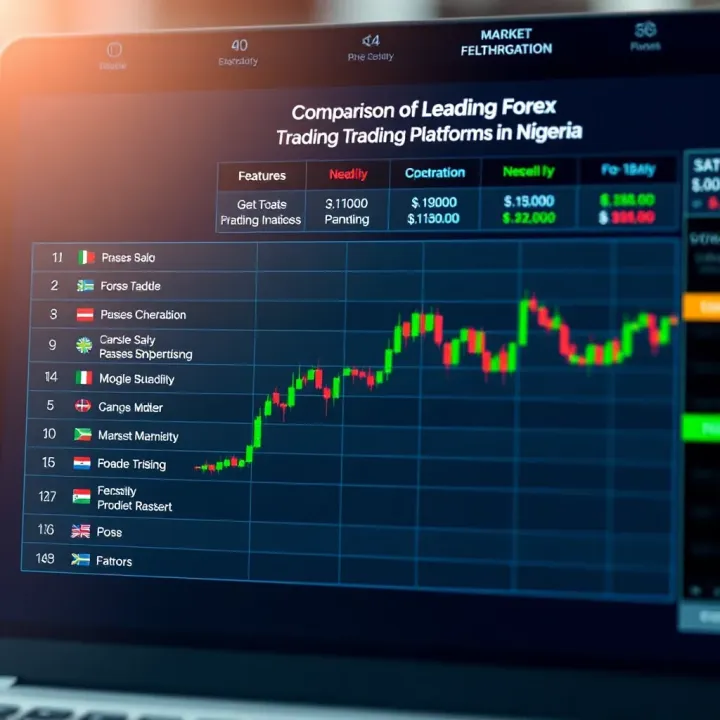
Choosing the Best Forex Trading Platform
Find the best forex trading platform for your needs in Nigeria 🇳🇬. Compare features, usability, and options to boost your trading success 💹.
Edited By
James Thornton
Forex trading in Nigeria has gained serious traction over the last few years. With the retail forex market opening up, many Nigerians are keen to try their hand at currency trading to boost income or diversify investment portfolios. However, the choice of a trading platform plays a major role in shaping the trading experience and results.
A forex trading platform is the software that connects you to global currency markets, letting you execute trades, analyse charts, and monitor positions. It’s the bridge between your strategy and the market. Choosing the wrong platform often leads to frustration, hidden fees, or even security risks.

A solid forex platform should be easy to use, secure, and transparent in charges. It needs to offer tools that fit your trading style, whether you prefer manual analysis or automated systems.
When picking platforms in Nigeria, it’s crucial to consider local realities. These include occasional power outages, internet quality, and naira-to-USD effects on deposits and withdrawals. Platforms like MetaTrader 4 (MT4), MetaTrader 5 (MT5), and cTrader are popular globally and widely accessible in Nigeria due to their reliability and rich features.
Security matters a lot. Look for platforms regulated by reputable bodies, even if Nigerian regulators are still evolving in this sector. Regulators such as the Financial Conduct Authority (FCA) or Cyprus Securities and Exchange Commission (CySEC) provide some assurance.
Here are some key factors to keep in mind:
Usability: The interface should be intuitive, allowing smooth navigation even on mobile devices. Apps compatible with low-end smartphones are a big plus given the diversity of devices used in Nigeria.
Cost transparency: Check spreads, commissions, and withdrawal fees carefully to avoid surprises.
Trading tools: Charting packages, technical indicators, and access to economic news directly impact your decision-making.
Customer support: Timely and helpful service, preferably with local presence or support hours aligned with Nigerian time (WAT), is vital when issues arise.
By focusing on these aspects, Nigerian traders can identify a forex trading platform that not only enables access to currency pairs like USD/NGN but also suits their trading habits and local conditions. This article will guide you step-by-step in assessing available platforms for smarter trading in Nigeria.
Grasping what forex trading platforms are and how they operate is key for anyone keen on trading currencies in Nigeria. These platforms serve as your gateway to the global forex market, giving you the ability to buy, sell, and analyse currency pairs in real time. Knowing how they function, the tools available, and the role of brokers can make a big difference in your trading success.
A forex trading platform is software that allows traders to access the foreign exchange market. Its purpose is to enable instant currency transactions with live price quotes and provide analytical tools to guide trading decisions. For example, platforms like MetaTrader 4 or MetaTrader 5 contain features such as price charts, technical indicators, and news feeds that help traders decide when to enter or exit trades.
These platforms connect you directly to the market through brokers. They serve as the digital bridge between you and the global currency exchange, showing live rates and executing trades as you command. This connection ensures that your orders reach the market swiftly, and in most cases, offers automated functions like stop-loss orders or take-profit limits, which are vital to managing risk.
In Nigeria, the most commonly traded instruments on forex platforms include major currency pairs such as USD/NGN, EUR/USD, and GBP/USD. These pairs reflect the highest demand and liquidity, critical for executing trades without delay. Nigerian traders also access commodity-linked pairs and emerging market currencies, depending on their trading strategy.
Brokers operating these platforms are regulated by the Securities and Exchange Commission (SEC) Nigeria or sometimes by recognised international bodies. This regulation is crucial because it provides a layer of protection against fraud and malpractice, ensuring your funds are safer. It also dictates how brokers must handle client money and maintain transparency. When you choose a broker, confirming their registration with the SEC Nigeria can save you from falling victim to scams.
To trade profitably and safely in Nigeria, choose a forex trading platform linked with a reputable broker regulated locally or internationally.
Understanding these basics helps you pick the right platform that fits your trading style and safeguards your investment from common pitfalls. With the evolving fintech ecosystem in Nigeria, platforms are increasingly tailored to local realities such as payment options, currency fluctuations, and regulatory requirements, all of which impact your trading experience significantly.
Choosing the right forex trading platform depends largely on understanding its key features. These elements determine how smoothly you can trade, protect your investments, analyse markets, and manage costs. Nigerian traders face unique challenges such as fluctuating naira value, limited internet stability, and local payment integration, making certain features more essential than others.
Mobile compatibility for Nigerian traders is non-negotiable. Many Nigerian traders rely on smartphones as their primary method of internet access. Platforms that support mobile trading apps allow you to trade anytime, even during unexpected power outages when desktop computers are not an option. For example, apps like MetaTrader 4 and platforms supported by OPay offer robust mobile versions tailored for low bandwidth environments common in Nigerian cities.
The user interface and learning curve also matter a lot. If the platform is too complex, new traders may find it discouraging or make costly mistakes. Look for clean, straightforward designs with intuitive menus, clear chart displays, and easy order execution. Platforms with simple onboarding and tutorial guides save time and frustration, especially for those new to forex or switching from manual trading methods.
Encryption and data protection keep your personal information and funds safe. The best platforms use 128-bit SSL encryption or higher to guard against hacking attempts, a real concern in Nigeria’s growing digital space. This way, your login credentials, payment details, and trading positions remain confidential.
On top of encryption, ensure the platform complies with Nigerian and international laws. Nigerian traders should prefer brokers licensed by the Securities and Exchange Commission (SEC) Nigeria or the Central Bank of Nigeria (CBN). Compliance with these bodies ensures your trading environment meets legal standards. Familiar international licences, like those from the FCA (UK) or CySEC (Cyprus), add extra layers of trust and often imply stronger consumer protections.
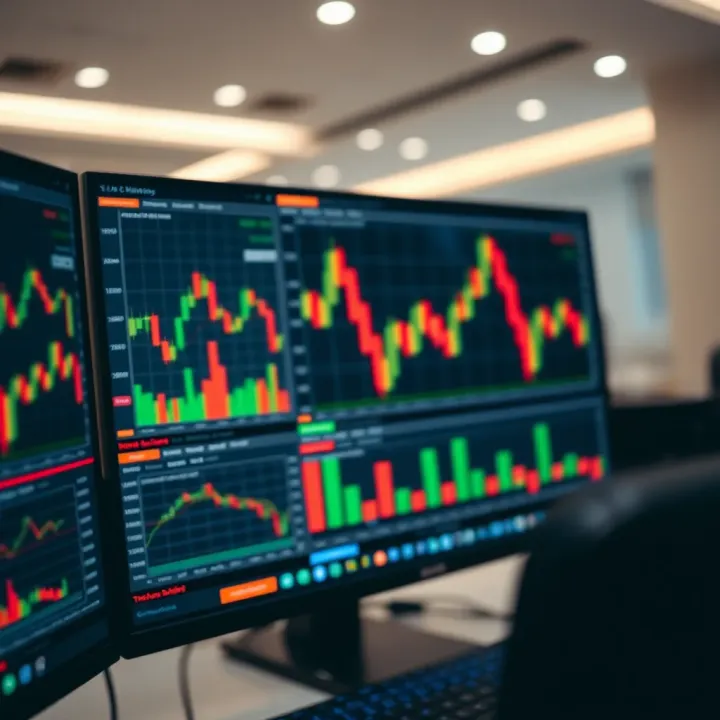
Robust technical analysis resources on a platform help traders make informed decisions. Features like multiple chart types, timeframes, and drawing tools let you spot trends and signals clearly. Platforms that offer built-in economic calendars or news feeds tailored to major currency pairs give you the edge on global events.
Automated trading and custom indicators are important for active and experienced traders. Automation through expert advisors or bots allows continuous market monitoring—even when you’re offline. Custom indicators let you tailor strategies to your trading style, which is especially useful in volatile markets like forex.
Spread and commission structures directly affect profitability. Some platforms offer fixed spreads, while others use variable spreads depending on market liquidity. For Nigerian traders, understanding these fees upfront is crucial because tight spreads mean lower costs per trade, beneficial for frequent or high-volume traders.
Also, check deposit and withdrawal charges. Platforms supporting Nigerian banks and payment systems, including USSD and mobile wallets, simplify funding your account. However, some brokers charge withdrawal fees or impose minimum amounts. In a market where naira exchange rates fluctuate, hidden fees can erode your gains fast.
When choosing a forex platform, prioritise security, user-friendly design, and cost transparency to protect your investment and trade confidently in Nigeria’s dynamic forex market.
Choosing the right forex platform matters because it directly affects your trading experience, costs, and security. Nigerian traders benefit from platforms that combine proven functionality with local adaptability. These platforms must offer reliable access to global currency pairs, support local payment methods, and be mindful of the unique challenges Nigerian traders face, such as naira fluctuations and intermittent internet connectivity.
MetaTrader 4 (MT4) and MetaTrader 5 (MT5) are two of the most widely used forex trading platforms worldwide. MT4 is known for its straightforward interface, solid charting tools, and compatibility with automated trading through Expert Advisors (EAs). MT5 builds on this by supporting more asset classes, advanced indicators, and an economic calendar, offering traders more data to work with.
These platforms remain favourites among Nigerian traders mainly due to their robustness and extensive broker support. For many, MT4’s familiarity and low system requirements make it ideal for trading on average internet connections often found outside major cities. MT5 appeals to those looking for enhanced features or multi-asset trading options. Both platforms also feature demo accounts that let Nigerians practise risk-free before committing real funds, which is vital given the local market’s volatility.
Several Nigerian brokers support forex platforms tailored to local needs. These platforms often integrate directly with Nigerian payment systems like bank transfers via USSD codes or mobile money wallets, easing deposits and withdrawals in naira. Such platforms might not have the global brand recognition of MetaTrader but offer benefits like direct access to local customer service and faster transaction processing.
Adapting to local currencies and payment methods is a major advantage. For instance, platforms that allow funding through GTBank or Access Bank accounts reduce hassles involving currency conversions and save on conversion fees. This practical alignment helps traders avoid delays and unexpected costs, making it more straightforward to manage trading capital in an environment where naira volatility can hit hard.
Apps from fintech players like OPay and Kuda have introduced mobile-friendly approaches to forex trading. These apps offer streamlined interfaces designed for smartphones, low data consumption, and integration with mobile wallets. They allow traders to monitor markets and execute trades on the go, which suits the on-the-move lifestyle of many Nigerians.
However, mobile-focused platforms sometimes have limitations, such as fewer analytical tools and restricted access to complex order types. While great for casual trading or quick market checks, they might fall short for active day traders who require advanced charting or automated strategies. Still, their convenience and compatibility with local banking make them a popular choice for beginners and those balancing multiple commitments.
Selecting a platform that balances global reach with local practicality is key. Nigerian traders should weigh the trusted functionality of global platforms against the tailored fit of local apps, depending on their trading style and needs.
Choosing the right forex trading platform is fundamental to your success in the market. Not every platform suits every trader, especially given the range of trading styles and technical skills among Nigerians. Picking a platform tailored to your specific needs saves you time and money, and helps avoid frustration down the line.
Your trading style greatly influences what platform features will benefit you most. For instance, casual traders who buy and sell occasionally may prioritise platforms that are simple and easy to navigate. They don’t need ultra-fast execution or complex charting tools. On the other hand, active day traders demand platforms with real-time data, advanced technical indicators, and swift order execution. These traders often require direct access to tighter spreads and customisable interface options.
Understanding where you fall on this spectrum helps you avoid paying for tools you won’t use or struggling with interfaces that feel overwhelming. For example, if you’re a casual trader dabbling in forex during your free time, a platform like MetaTrader 4 with a straightforward interface is usually enough.
Another key step is trying out demo accounts before committing real money. Demo accounts let you practise trading with virtual funds, allowing you to familiarise yourself with the platform’s features and test your strategies without financial risk. Many Nigerian brokers offering platforms like MetaTrader, OANDA, or local options such as those integrated with OPay provide these accounts. Using them can prevent costly mistakes and build your confidence, especially if you’re new to forex trading.
Forex scams remain a concern in Nigeria, so verifying the credibility of your broker and platform is essential. Check if the broker holds a valid licence from recognised regulatory bodies like the Nigerian Securities and Exchange Commission (SEC) or international regulators such as the Financial Conduct Authority (FCA) in the UK. Licensed brokers are generally more transparent and have stricter oversight.
Besides licences, pay attention to the broker’s reputation among Nigerian traders. Online forums, trusted review sites, and personal referrals provide practical insights. A platform with glowing reviews and a solid track record offers more peace of mind than a newcomer making tall promises.
Be wary of warning signs like unrealistic profit claims, difficulty withdrawing funds, and poor customer service. Platforms that pressure you to deposit large sums quickly or manipulate prices should be avoided at all costs. Scam platforms often lack clear contact details or have websites riddled with errors – these red flags should never be ignored.
Having reliable customer support available in Nigeria can make a big difference, especially when you face technical problems or need assistance during busy market sessions. Platforms backed by brokers with local offices or Nigerian-speaking support agents tend to respond faster and understand local banking or payment issues better.
Access to educational resources is equally important. A good forex platform offers tutorials, webinars, and market analysis tailored to various skill levels. For example, platforms that partner with local educators or provide materials relevant to the Nigerian forex environment add practical value. This helps you sharpen your skills and stay updated on market conditions without hunting for separate learning tools.
Reliable support and ongoing education can turn a challenging learning curve into a smooth trading journey.
Ultimately, choosing the best forex trading platform involves matching it closely to your trading habits, verifying its trustworthiness, and ensuring it has the backup you need. With these factors in mind, you position yourself better for a sustainable and rewarding experience in Nigeria’s forex market.
Trading forex in Nigeria carries its own challenges, from regulatory nuances to currency volatility. Getting practical about safety means protecting your funds, avoiding common pitfalls, and managing risks wisely. These tips focus on real actions you can take to safeguard your capital while navigating the Nigerian forex market.
Using stop loss and take profit orders is the bedrock of risk management. A stop loss automatically closes your trade if the market moves against you beyond a set point, limiting your loss. Conversely, a take profit order locks in gains once your target price hits. For example, if you buy EUR/USD at 1.1200, setting a stop loss at 1.1150 means your loss won’t exceed 50 pips. Nigerian traders often overlook these tools, leading to eroded capital – especially during volatile periods like ember months.
Automated protection helps you trade with discipline, preventing emotional decisions when the market swings unexpectedly. Without stop loss, a single sharp move can wipe out your entire deposit. That’s why every serious trader should have these orders in place before entering a position.
Many Nigerian traders come into forex hoping to make quick profits, but the reality is different. Setting achievable goals keeps emotions in check and fosters consistent gains. Aim for modest returns like 1–2% of your capital per trade rather than chasing huge windfalls.
For instance, rather than risking ₦50,000 to gain ₦500,000 in a day, a more practical target is ₦5,000 profit with tight risk controls. This helps sustain your trading over time, especially when factors like naira instability or broker spreads add extra pressure. Clearly outlining these expectations avoids big losses and makes your trading strategy manageable.
Most Nigerian forex brokers support payments through local banks and USSD codes, making funding easy and quick. Platforms like GTBank’s Quickteller or USSD codes (like 389# for Access Bank) allow you to transfer funds without visiting a branch. This convenience reduces delays that could cost you trading opportunities.
However, be mindful that banks may temporarily block unusual forex transactions or require additional KYC documents. Stay in regular contact with your broker and keep your information updated to avoid disruptions.
Naira exchange rate fluctuations and conversion charges affect your buying power when funding a forex account. Many brokers transact in dollars or euros, so ₦50,000 today might buy fewer dollars tomorrow due to naira depreciation.
For example, if the naira weakens from ₦460/$1 to ₦480/$1, your deposited naira converts to fewer dollars, reducing how much forex you can trade with. Add conversion fees charged by banks or payment processors, and costs rise further. To manage this, monitor exchange rates closely and try to fund your account when rates are favourable to stretch your capital.
Staying informed is critical. Reliable financial news outlets like BusinessDay, Nairametrics, and The Guardian Nigeria regularly report global and local market developments. Also, subscribing to updates from global forex news services like Bloomberg or Reuters adds timely insights.
Using platforms like Twitter or Telegram channels dedicated to forex news can keep you updated on unexpected market shocks that influence currencies you trade.
Economic announcements, political developments, or central bank policy changes can cause dramatic price moves. For example, if the Central Bank of Nigeria adjusts the monetary policy rate, it impacts the naira’s value against other currencies.
News about Nigeria’s oil revenues or external trade can also affect the naira, influencing pairs like USD/NGN. Being aware of these events helps you anticipate volatility and adjust your trades accordingly rather than being caught off guard.
Staying safe in forex trading requires blending good platform choice with sharp risk controls and local market awareness. These practical tips ground your trading in realism and security, helping you build confidence over time.
Find the best forex trading platform for your needs in Nigeria 🇳🇬. Compare features, usability, and options to boost your trading success 💹.
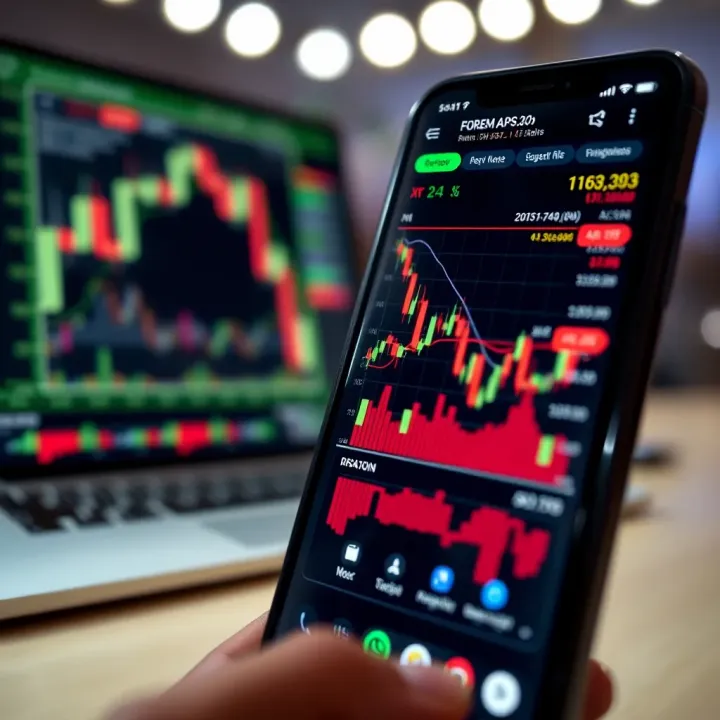
Discover top forex trading apps for Nigerian traders 📱, learn key features, security tips, and how to start trading smartly for better results 💹.
📈 Looking to trade forex in Nigeria? Learn how to pick trustworthy sites with good payment options, proper regulation, and scam alerts to boost your ₦ profits safely.
Learn forex trading in Nigeria 🇳🇬: Understand how the market works, risks & rewards, Nigerian platforms, regulatory tips, and how to trade smartly with ₦ today.
Based on 7 reviews