
Understanding Forex Trading Accounts for Nigerian Traders
Discover how to open and manage a forex trading account in Nigeria 🇳🇬. Learn types, broker features, risks, and smart tips to trade forex like a pro ₦.
Edited By
Henry Mitchell
For anyone gearing up to trade forex in Nigeria, understanding the trading account is non-negotiable. It forms the gateway between you and the foreign exchange market, so knowing how it works will save you from unnecessary losses and headaches.
A forex trading account lets you buy and sell currency pairs like the US dollar against the naira or the euro against the British pound. But before you start, it’s key to realise there isn’t just one type of account floating around. Brokers operating in Nigeria usually offer several types, each with different conditions, fees, and benefits.

Choosing the right forex trading account can make or break your trading experience. It’s not just about opening any account but picking one that fits your trading style, capital, and risk appetite.
Standard Account: Ideal for traders with bigger capital, it offers higher minimum deposits, normal spreads, and standard leverage levels. This suits those who plan to trade regularly and handle bigger lot sizes.
Mini/Micro Account: Designed for beginners or traders with smaller funds, mini accounts require much lower deposits (sometimes as low as ₦5,000). Spreads might be wider, but the risk exposure is less, perfect to test strategies without blowing your capital.
Demo Account: Let’s you practise with virtual money. Although you won’t make real profits, it gives a feel of the platform and market movements without financial risk.
Islamic Account: Compliant with Sharia law, these accounts avoid interest (swap) charges on overnight positions and are popular among Muslim traders in Nigeria.
When selecting your account, focus on:
Leverage: This is the borrowing power brokers give. Nigerian traders can get leverage ratios of up to 1:400, but higher leverage means bigger risk. Be cautious.
Spreads and Commissions: Spread is the gap between buying and selling prices. Lower spreads reduce trading costs. Also, some accounts charge commission per trade, others don’t.
Funding and Withdrawal Options: Look for brokers who support local payment methods like GTBank, Access Bank transfers, or even USSD codes for easy funding and withdrawals in naira.
Security: Pick brokers regulated by reputable bodies, such as the Securities and Exchange Commission (SEC) Nigeria or international regulators with a local presence.
By mastering these basics, you stand a better chance of picking the right forex trading account and navigating the foreign exchange market with confidence. Next, the article will unpack how leverage works and why it’s central to your trading decisions.
Forex trading accounts serve as your entry point to the foreign exchange market, where currencies are bought and sold. For Nigerian traders, understanding these accounts is essential because they dictate how you access trading platforms, manage your funds, and execute trades. Essentially, a forex trading account is a specially designed financial account provided by brokers that enables you to participate directly in currency trading.
At its core, a forex trading account is like a digital wallet that holds your trading capital and records your positions in various currency pairs. Its main purpose is to connect you to the forex market through a brokerage platform—whether that's MetaTrader 4, MetaTrader 5, or other proprietary software offered by brokers serving Nigerians. Without such an account, you cannot place trades or monitor the market. For example, if you want to trade the USD/NGN pair, you’ll need an active account funded with naira or another acceptable base currency.
Your trading account also defines key settings like leverage, spreads, and margin requirements, which affect how much you can trade and at what cost. It keeps track of your profits or losses and enables withdrawals back to your Nigerian bank account or e-wallet. So, the account is more than just a balance—it’s your trading interface and risk control centre rolled into one.
When you open a forex trading account with a broker, you gain access to their trading platform, where you can place orders on currency pairs, such as EUR/USD or GBP/USD. Your account balance determines your buying power, influenced by leverage assigned to your account. Leverage allows you to control larger positions with a smaller amount of capital—for instance, a leverage of 1:100 means ₦10,000 in your account could control ₦1,000,000 of currency.
The broker acts as the intermediary, matching your buy or sell orders with market liquidity. When you buy a currency pair, your account debits the base currency amount while crediting the quote currency, reflecting ongoing market prices. For example, buying USD/JPY involves purchasing US dollars and selling Japanese yen simultaneously. As prices move, your account value fluctuates accordingly.
It is vital that Nigerian traders understand how margin calls and stop-out levels work within their account settings to avoid unexpected losses due to excessive leverage or market volatility.
Furthermore, different account types may offer distinct features—some provide fixed spreads, others variable spreads; some allow hedging, while others follow Islamic finance principles with swap-free accounts. Choosing the right type depends on your trading style and risk appetite.
To sum up, a forex trading account is the foundation for participating in currency markets. Knowing how these accounts operate lets you manage your trades wisely and navigate the complexities of forex trading confidently.
Understanding the various forex trading accounts is vital for Nigerian traders looking to find the best fit for their trading style and budget. Each type of account offers different benefits and features that can influence your trading experience and profitability. Here's a practical look at the common account types you’ll encounter.
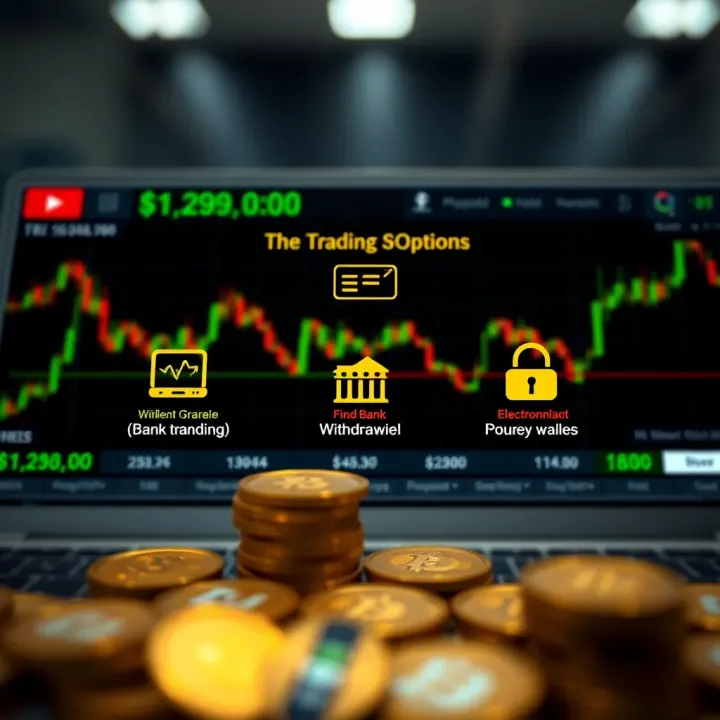
Standard accounts are the most popular among serious traders. They usually require a higher minimum deposit, often starting at around ₦50,000 or more, and allow you to trade standard lots, typically 100,000 units of currency. This size can be intimidating for beginners but offers better spreads and often lower commissions per unit traded. On the other hand, mini accounts cater to those who prefer smaller positions, usually 10,000 units or less. This lowers the barrier to entry, sometimes with deposits starting as low as ₦5,000, allowing new traders to test the waters without risking too much capital. For example, if you are cautious about market volatility or still learning to read forex charts, a mini account offers a less risky environment.
Managed accounts appeal to traders who prefer to delegate trading decisions to professionals. In Nigeria, some brokers offer managed accounts with local portfolio managers who handle trading on your behalf, which saves you the time and stress of active trading. However, such accounts usually demand higher capital and come with management fees and profit-sharing arrangements. Islamic accounts, on the other hand, comply with Sharia law by avoiding interest (riba). These accounts replace overnight interest charges with fixed fees and are particularly relevant for Muslim traders in Nigeria seeking ethical trading options without compromising religious beliefs.
Before investing real money, every forex trader should consider starting with a demo account. These accounts simulate real market conditions but use virtual funds, enabling you to practice trading strategies without financial risk. Nigerian brokers often provide demo accounts with their trading platforms, so you can familiarise yourself with execution processes, platform features, and market behaviours. Using a demo account can reveal how leverage magnifies both profit and loss, helping you build discipline and confidence. Many traders keep demo accounts open even after starting live trading to test new strategies before risking real capital.
Choosing the right forex trading account can be the difference between a smooth trading journey and costly mistakes. Take time to evaluate these options carefully in relation to your goals, experience, and capital.
In sum, deciding between standard, mini, managed, Islamic, or demo accounts depends on your trading goals, religious considerations, and risk appetite. Nigerian traders should also consider how each account type aligns with local financial realities, such as deposit thresholds and payment options. Starting with a demo or mini account is often the wisest choice for beginners, while experienced traders might prefer standard or managed accounts to maximise opportunities.
Selecting the right forex trading account is more than just picking the one with the lowest entry cost. Nigerian traders should focus on the unfolding details that impact profitability and risk. Knowing what to look out for helps you avoid unnecessary costs, control your risk exposure, and trade with confidence on reliable platforms.
The minimum deposit sets the entry barrier for your trading journey. In Nigeria, some brokers offer accounts starting as low as ₦5,000, which makes forex accessible for many beginners. However, it’s wise not to be swayed by just the low deposit. Consider the overall trading costs alongside it — those include spreads, commissions, and swap fees. For example, an account with a very low minimum deposit but high spreads will eat into your profits fast. On the flip side, accounts requiring larger deposits like ₦100,000 may offer tighter spreads and better leverage, which benefits more active or experienced traders.
Leverage determines how much you can control in the market with your capital. Brokers usually offer up to 1:500 leverage, but higher leverage means greater risk of losing your capital quickly. Nigerian traders should carefully select leverage that fits their risk appetite. For instance, with ₦50,000 in your trading account, a 1:100 leverage allows you to trade ₦5,000,000 worth of currency pairs. While this magnifies profit potential, it also magnifies losses. Smart traders pair leverage with solid risk management tools, such as stop-loss orders, to prevent big downsides.
Spreads are the difference between the buy and sell price of currency pairs and are a key cost in forex trading. Brokers offer either fixed or variable spreads. Fixed spreads give certainty over trading costs, even during volatile times, but sometimes they're wider. Variable spreads can be narrower during calm market conditions but may spike during news events. Commissions are fees charged per trade; some accounts have zero commissions but wider spreads as compensation. Nigerian traders should also watch out for hidden fees like inactivity charges or withdrawal fees, which sometimes catch traders unaware and reduce earnings over time.
The trading platform is your battlefield; it must be reliable, user-friendly, and stocked with necessary tools like technical indicators and real-time news. Popular platforms among Nigerian traders include MetaTrader 4 (MT4) and MetaTrader 5 (MT5). Additionally, choosing a broker regulated by respected bodies like the Securities and Exchange Commission (SEC) Nigeria or international regulators ensures your funds' safety and fair trading practices. Unregulated brokers may offer tempting bonuses but pose greater risks of fraud or withdrawal issues.
Always test the broker's trading platform and account features with a demo account before committing real money. This helps you become familiar with trading conditions and avoid surprises once you start live trading.
Choosing your forex trading account carefully based on these key factors will set the foundation for a profitable and sustainable trading career in Nigeria’s dynamic forex scene.
Funding and withdrawing from forex trading accounts are vital steps for Nigerian traders to manage their investments effectively. Reliable deposit and withdrawal options impact how quickly you can access your funds and keep your trading activities running smoothly. Understanding these processes helps avoid unnecessary delays or fees.
Nigerian traders usually prefer payment methods that are fast, convenient, and cost-effective. Local bank transfers remain popular due to their familiarity and relatively low fees. Services like GTBank's GTBank Online or Zenith Bank’s Zenith Internet Banking allow direct transfers to brokers’ accounts.
Besides bank transfers, many brokers accept payments through Nigeria-focused fintech platforms such as Paystack, Flutterwave, and OPay. These services support card payments and mobile wallets, providing quick and secure fund deposits. Additionally, some brokers enable deposits via USSD codes for convenience, which is handy when internet access is intermittent.
Cryptocurrency is gaining traction among Nigerian traders as a funding method because it bypasses some banking restrictions and currency controls. However, crypto can be volatile and subject to additional regulatory scrutiny, so use it with care.
Withdrawal processes differ widely between brokers but usually involve submitting a withdrawal request through the trading platform or the broker’s client portal. Nigerian traders should expect brokers to require identity verification for security.
Timing for withdrawals depends on the payment method. Bank transfers often take between two to five business days. Fintech platforms are usually quicker, sometimes processing funds within 24 hours. Crypto withdrawals can be immediate but depend on blockchain congestion.
Be aware of potential fees charged for withdrawals, especially international wire transfers. Nigerian traders should choose brokers that offer transparent fee structures to avoid surprises.
Always double-check the withdrawal limits and conditions before starting your trading account. Some brokers require minimum amounts for withdrawal or impose holding periods.
Most Nigerian traders fund forex accounts in US dollars because major currency pairs trade in USD. However, brokers may allow funding in Nigerian Naira (₦), Euros (€), or British Pounds (£).
Choosing to deposit in Naira can simplify the process but may come with currency conversion charges. Banks and brokers usually apply exchange rates with a margin above the official Nigerian naira rate, which affects your effective trading capital.
If you deposit in foreign currency, consider fluctuations in the naira-dollar exchange rate. For instance, if the naira weakens after you fund your account, your naira balance might reduce when converting profits back.
To manage this, some traders open separate forex accounts in foreign currencies or use multi-currency e-wallets to avoid frequent conversion.
Overall, being mindful of payment channels, withdrawal timelines, and currency choices reduces surprises and helps you focus on your trading strategies without unnecessary interruptions.
Choosing a forex trading account in Nigeria means looking beyond spreads and leverage; security and support are just as vital. Without solid protection and reliable assistance, your funds and trading experience can quickly become vulnerable. Protecting your account and having a dependable support system helps traders navigate the market confidently.
Protecting your forex trading account starts with verifying broker credentials. Always pick brokers regulated by trusted bodies like the Securities and Exchange Commission (SEC) in Nigeria or internationally recognised authorities such as the Financial Conduct Authority (FCA) of the UK. Licensed brokers must comply with strict rules that guard your funds against misuse.
Next, look out for secure account login features. Two-factor authentication (2FA) is a must; it adds an extra layer beyond just passwords, so hackers find it harder to break in. Encryptions and SSL certificates on trading platforms also safeguard data transfer, so your personal information and trading activity remain confidential.
Some brokers offer negative balance protection which prevents you from losing more than your deposited amount, a critical feature especially during volatile markets common in forex trading. Also, ensure that brokers segregate client funds from their operational accounts. This means your money isn’t used for the broker's business and can be returned even if the broker faces financial trouble.
For instance, a trader using a broker with poor security might face fraud or delayed withdrawals, leading to unnecessary losses and frustration.
Good customer support can make or break your trading journey. Nigerian traders should favour brokers who provide multiple ways to reach support: live chat, phone lines, email, and even WhatsApp. Quick responses during technical troubles or account issues save you precious time and reduce stress.
Moreover, educational materials help you sharpen your trading skills and understand risks better. Quality brokers provide webinars, tutorial videos, articles, and even one-on-one coaching. This is especially helpful for new Nigerian traders seeking to make sense of complex forex jargon and strategies.
Localised support matters too. Brokers with Nigerian-based customer service understand the unique challenges traders face, like fluctuating internet quality or payment delays. They can offer clearer guidance and faster problem-solving.
In summary, securing your forex trading account involves choosing regulated brokers with strong safety features while ensuring you have responsive support and access to training. This combination equips you to trade confidently and protect your investment in Nigeria’s dynamic forex market.
Discover how to open and manage a forex trading account in Nigeria 🇳🇬. Learn types, broker features, risks, and smart tips to trade forex like a pro ₦.
Learn forex trading basics, strategies, risks, and best platforms tailored for Nigerian traders. Gain practical tips to trade confidently and securely 📈💱🇳🇬
Explore forex trading in Nigeria with insights on regulations, local market, top platforms, risks & tips for beginners. Start smart today! 💹🇳🇬
📈 Learn how forex trading charts show market moves in naira and dollars. See top types, key tools & practical tips tailored for Nigerian traders ready to up their game.
Based on 8 reviews