
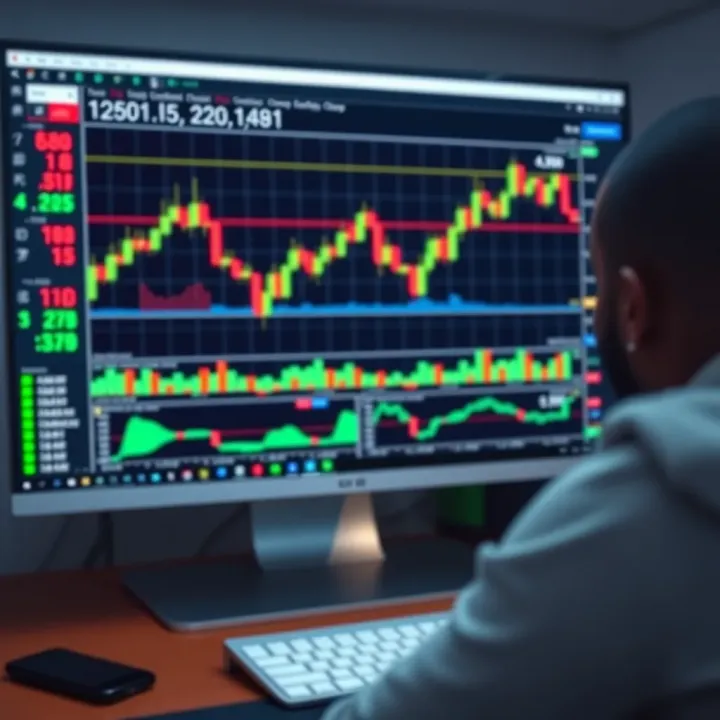
How to Start Forex Trading in Nigeria: A Beginner’s Guide
📈 Ready to trade forex in Nigeria? Learn how to pick brokers, set up accounts, manage risk, and avoid common mistakes. Build your trading skills today! ₦
Edited By
Sophie Williams
Forex trading has caught the attention of many Nigerians aiming to grow their wealth beyond traditional savings and investments. It involves buying and selling foreign currencies on a global market, often with the aim of profiting from fluctuations in exchange rates. For beginners, it might seem complex, but with proper guidance, practical steps, and discipline, you can navigate this financial space confidently.
Understanding the forex market is key. Unlike the Nigerian Stock Exchange (NGX), forex operates 24 hours from Monday to Friday, influenced by events in major economies like the US, UK, and the Eurozone. As a Nigerian trader, knowing how global news affects naira exchange rates or currencies like the US dollar (USD) and British pound (GBP) is vital for making informed decisions.
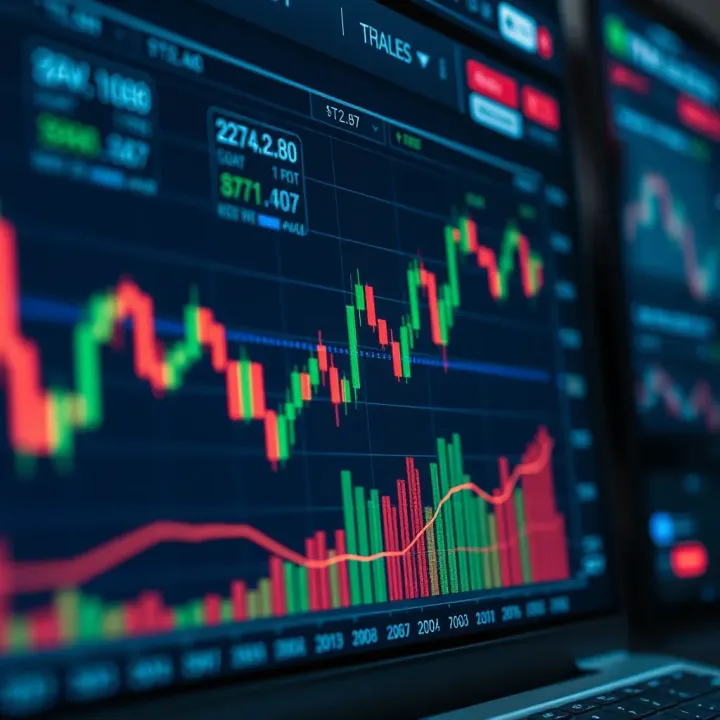
To get started, focus on learning the core concepts: currency pairs, bid and ask prices, leverage, and margin. For example, the USD/NGN pair shows how many naira one US dollar can buy. Spotting trends and understanding when to buy or sell can shape your trading outcomes.
Learning about forex trading requires practical resources. Besides online courses from platforms like Coursera or Udemy, Nigerian-focused webinars and tutorials are useful, as they consider local market dynamics and regulations. Equally important is practising via demo accounts offered by brokers such as FXTM, Alpari, or InstaForex Nigeria to get hands-on experience without risking capital.
Risk management should never be overlooked. Always set stop-loss orders to limit potential losses and avoid over-leveraging, which can multiply risks in Nigeria’s volatile forex space. Managing your trading capital wisely ensures you stay in the game longer.
"Forex trading isn’t a lottery; it demands steady learning, patience, and calculated moves. Start small, learn from each trade, and build your confidence over time."
In summary, approaching forex trading with clear goals, sound understanding, and practical learning tools creates a solid foundation. This guide will walk you through essential steps to sharpen your skills, select reliable platforms, and manage risks effectively in Nigeria’s unique trading environment.
Grasping the basics of forex trading is essential before diving in, especially for Nigerian traders looking to protect their capital and make informed decisions. Without a solid understanding, it’s easy to fall prey to false hopes or scams — forex trading involves real risks and opportunities that need careful navigation. Getting the fundamentals right provides a clear foundation for using tools, spotting good brokers, and managing risks effectively.
Forex trading means buying and selling currencies against one another. Traders aim to make a profit from changes in exchange rates between currency pairs. For instance, if you believe the US dollar will strengthen against the Nigerian naira, you might buy US dollars and sell naira, hoping to sell the dollars later at a higher value. Forex is the largest financial market in the world, with trillions of dollars changing hands daily.
Most traders focus on major currency pairs like USD/EUR, USD/GBP, and USD/JPY because they’re the most liquid and have tighter spreads. Nigerian traders often trade pairs involving the Nigerian naira (NGN), although NGN pairs might have higher spreads due to lower liquidity. For example, USD/NGN and EUR/NGN are popular but riskier trades compared to global majors. Understanding which pairs suit your strategy helps manage costs and risk.
Forex operates 24 hours a day from Monday to Friday, running through various global financial hubs such as London, New York, Tokyo, and Sydney. Because there is no central exchange, forex trading happens over-the-counter (OTC) via electronic networks, banks, and brokers. For Nigerian traders, this means access anytime, but also the need to be wary of time zones and market sessions which influence volatility and liquidity.
Many Nigerians see forex trading as an alternative income stream, especially amid high unemployment and limited formal job opportunities. Forex can be started with a relatively small capital (sometimes as low as ₦10,000) and promises potentially high returns if done correctly. The flexibility to work from home and the possibility to trade round the clock also attract young Nigerians.
Compared to stocks or fixed deposits, forex trading offers higher liquidity and the chance to profit regardless of market direction (up or down). While stocks on the Nigerian Stock Exchange require longer-term holding and capital, forex allows quicker entries and exits. However, the higher leverage in forex increases risk, so it’s not automatically ‘better’ than other forms of investing but complementary if properly understood.
Nigeria’s unique economic environment presents both hurdles and advantages for forex traders. Fluctuating naira exchange rates, frequent changes in monetary policy by the CBN, and occasional foreign currency restrictions create market conditions ripe for profit but also complexity. On the plus side, growing fintech adoption in Nigeria has improved access to reliable trading platforms and brokers. Traders should be aware of scams that commonly target Nigerians and choose regulated brokers carefully.
Understanding these basics lays the groundwork for making smarter choices, from picking currency pairs to managing risks amidst Nigeria’s unique market conditions.
Learning forex trading effectively is vital for any Nigerian trader aiming to succeed. The forex market moves fast, and having the right knowledge helps you make informed decisions rather than gamble with your hard-earned naira. There are practical ways to learn that balance convenience, depth, and real-world experience, so you avoid common pitfalls.
Reliable websites and YouTube channels offer a great starting point. Platforms such as BabyPips provide structured lessons on forex basics, while YouTube channels like Trading with Rayner break down trading strategies clearly. Nigerian fintech platforms like Kuda and Paystack also sometimes offer tutorials tailored to local traders, addressing specific challenges like naira volatility or market hours.
Courses from Nigerian fintech firms are increasingly popular and practical. They often combine online lessons with webinars or live Q&A sessions. For example, platforms like Bulls and Bears Nigeria provide courses that cover not only how to trade forex but also how to understand related economic indicators affecting Nigeria’s market. These courses usually cater to different skill levels, making them good options whether you are just starting or trying to sharpen your skills.
Online self-study offers flexibility and affordability, but it does come with limits. While you learn at your own pace, the lack of interaction can mean missing out on personalised feedback. Also, it can be easy to get overwhelmed by contradictory information online. Hence, a mix of self-study and other learning methods usually works best.
Nigerian forex groups on social media provide a platform for traders to share insights and updates specific to the local context. Active Telegram and WhatsApp groups allow traders to discuss currency pairs, trade signals, and market news affecting naira pairs. Local forums such as Nairaland also have threads dedicated to trading, where traders from different regions exchange ideas.
Learning from experienced traders is a big advantage of these communities. Seeing how others navigate market ups and downs offers lessons textbooks don’t cover. Some seasoned traders share their strategies and even mentor newcomers, which can speed up learning and build confidence.
However, these groups can also attract scammers and spread misinformation. It’s important to verify claims and avoid blindly following unproven tips or “sure-win” signals. Always cross-check information and trust verified traders with a good track record.
Local forex training centres and events are valuable, especially for practical, hands-on learning. Lagos and Abuja regularly host workshops led by veteran traders or financial experts. These sessions often cover technical analysis, charting methods, and risk management in a more interactive setup.
Costs vary but you generally pay ₦10,000 to ₦50,000 for a good workshop. While this is more expensive compared to free online content, the focused learning environment and opportunity to ask questions make it worthwhile, especially if you want to avoid costly beginner mistakes.
Face-to-face learning offers the benefit of real-time clarification, motivation from peers, and networking opportunities. You get to connect with traders who share your ambitions and can open doors to opportunities like group trading or joint investments. This interaction often accelerates your learning curve beyond what solitary study can deliver.
Approaching forex trading through a blend of online resources, community interaction, and face-to-face learning gives Nigerian traders a robust foundation for success, reducing risks and improving informed decision-making.
Successful forex trading depends heavily on the right tools and platforms. For Nigerian traders, selecting appropriate software and brokers can greatly affect not just how smoothly trades go but also how much profit you make and how well you manage risk. This section breaks down what to consider so you can trade with confidence, minimise headaches, and avoid unnecessary losses.
The first checkpoint is regulation. Nigerian traders should prioritise brokers licensed by the Securities and Exchange Commission (SEC) or those recognised by international regulators like FCA or CySEC. Such brokers are bound by rules that protect your funds and ensure transparency. In contrast, unlicensed brokers often operate without oversight, increasing the risk of fraud or sudden account freezes.
Choosing a regulated broker means your money and data have a higher degree of safety. Since forex scams are common, dealing with brokers recognised locally reduces exposure to shady practices.
Several brokers have gained trust with Nigerian traders over the years. Firms like HotForex, FXTM, and Alpari are well-known in the community for their service and ease of use. These platforms often provide user-friendly interfaces, local payment methods such as bank transfers and e-wallets, plus access to common currency pairs.
Picking a popular broker used by fellow Nigerians can also mean more accessible customer service and localised support, which are practical advantages when technical or withdrawal issues arise.
Costs matter greatly in forex trading. Brokers earn through spreads (the difference between buy and sell prices) or commissions per trade. Nigerian traders should look for brokers offering tight spreads and no hidden fees to ensure profits aren’t swallowed by charges.
Additionally, withdrawal procedures should be straightforward, with support for popular Nigerian payment channels like GTBank or Zenith Bank transfers. Brokers that delay payments or impose excessive withdrawal fees often frustrate traders and hamper liquidity.
MetaTrader 4 (MT4) and MetaTrader 5 (MT5) remain the standard in forex trading worldwide. These platforms provide real-time price data, multiple chart types, technical analysis tools, and automated trading options. Nigerian traders rely on MT4 especially for its lightweight design and widespread broker compatibility.
MT5 offers additional features like more timeframes and economic calendars built-in. Knowing how to navigate these platforms is key to making informed trade decisions.
The flexibility to trade on the go appeals to many Nigerians, especially those who may be on the move due to work or daily commitments. Most brokers offer mobile apps compatible with MT4 or MT5, allowing users to open and close trades, view charts, and manage accounts using smartphones.
Desktop versions, on the other hand, tend to provide a richer set of tools and a broader view of the markets. Choose your option based on your lifestyle, but ensure your internet connection is reliable to avoid sudden disruptions.
Charting is central to forex trading decisions. Tools that allow you to draw trend lines, identify support/resistance levels, and apply indicators like Relative Strength Index (RSI) or Bollinger Bands help you spot trading opportunities.
Beyond the standard tools in MT4/MT5, platforms such as TradingView offer advanced web-based charting and community insights. Nigerian traders can blend these resources with news sources like Bloomberg or local economic reports to stay ahead.
Demo accounts provide a risk-free environment where you can trade with virtual money. For beginners, this means learning how to place trades, manage timing, and use platforms without risking your hard-earned ₦.
Practising with a demo account helps build an understanding of market behaviour and the mechanics of your broker's platform before making real investments.
Use demo accounts like a training ground—test different strategies, practise setting stop-losses, and track how you perform under varying market conditions. Treat demo trading seriously to develop discipline and reduce emotional mistakes when you switch to live trading.
Many Nigerian fintech platforms support demo accounts with localised features, giving familiarity with payment and withdrawal systems early on.
While demo accounts mimic real markets closely, they cannot replicate the emotional pressure or slippage issues you face when real money is at stake. Price executions may seem smoother, and the urgency of losses or gains is absent.
This means you should transition to live trading only after enough practice but be prepared for a mental adjustment. Starting live with smaller trade sizes helps bridge these gaps safely.
Getting the right broker and platform is not just about convenience—it can make the difference between profit and loss. Combine careful selection with practical hands-on experience through demo accounts, and you'll be ready to face the forex market with much more confidence.
Managing risk is the backbone of a profitable forex trading journey, especially for Nigerian traders dealing with a market known for its constant ups and downs. Protecting your capital ensures that losses don’t wipe you out quickly, giving you the chance to trade smarter and longer. Without a solid approach to risk management, even the most promising strategies can falter.
Market volatility and leverage risks: Forex markets can swing dramatically on news or economic data, especially currencies like the naira that face pressures from inflation and policy shifts. Traders often use leverage to amplify returns, but that also magnifies losses. For example, if you use 100:1 leverage, even a 1% adverse move wipes half your trading capital. Nigerians must be cautious, as using high leverage without proper control can drain accounts quickly in such a volatile environment.
Scams and unreliable brokers: The forex space in Nigeria faces challenges with fraudulent brokers promising unrealistic profits. These scams usually lure new traders with flashy adverts but make withdrawal complicated or impossible. Verifying brokers registered with Nigerian authorities or reputed global regulators helps avoid such pitfalls. A legit broker offers transparent trading conditions and quick fund withdrawals, which protect you from losing money to shady operators.
Psychological risks like overtrading: Beginners often fall into overtrading—making excessive trades out of boredom or frustration—which leads to unnecessary losses. Emotional trading clouds judgment and pushes one beyond a planned strategy. For instance, after a small loss, a trader might rush to recover, risking bigger bets. Developing discipline helps manage these psychological traps, crucial for steady growth in the forex market.
Setting stop-loss and take-profit levels: Using stop-loss orders helps automatically limit losses if the market moves against you, while take-profit levels secure gains when a trade reaches a target. For example, setting a stop-loss at 2% below your entry price ensures you do not lose more than planned. These tools make trading disciplined by preventing impulsive decisions and keeping risk within your comfort zone.
Using appropriate leverage: Instead of maxing out leverage, aim for levels like 10:1 or 20:1, which reduce exposure to sudden market swings. Lower leverage means smaller profit potential but safer capital preservation. Imagine risking ₦10,000 on a trade with 10:1 leverage rather than ₦100,000 with 100:1 — the former protects you from rapid losses during unexpected market turbulence.
Diversifying trades and avoiding emotional decisions: Don’t put all your funds on one currency pair. Spread risks across several pairs or timeframes to soften potential losses. Also, step back when emotions run high; avoid chasing losses or doubling down impulsively. For example, if a trade develops negatively, assess calmly instead of reacting immediately. This approach builds resilience and keeps your trading account healthier over time.
Risk management isn’t about eliminating losses but controlling them so trading remains sustainable and your capital intact. For Nigerian forex traders, mastering these techniques is key to navigating a market marked by volatility and uncertainty.
Success in forex trading doesn’t just come overnight. It requires ongoing effort to build and sharpen your skills. Developing these skills helps manage risks better, spot profitable opportunities, and adjust to changing market conditions common in the forex world, especially given Nigeria’s unique economic factors.
Defining goals and risk tolerance is the foundation of any trading plan. You need clear, realistic goals—whether it’s earning a regular supplementary income or growing capital over several years. Equally, understanding how much risk you can tolerate without losing sleep or draining your savings keeps your trading sustainable. For example, if you are uncomfortable losing more than 2% of your trading capital on a single trade, your plan should reflect this limit.
Choosing trading styles and methods involves picking an approach that fits your lifestyle and personality. Some traders prefer day trading, making multiple trades per day to capitalise on small price movements; others lean towards swing trading or position trading, holding trades for days or weeks. For Nigerian traders juggling jobs or running businesses, swing trading might be more practical, avoiding the need to monitor charts constantly.
Tracking progress and learning from mistakes is often overlooked but vital. Keeping a detailed trading journal helps you spot patterns in your wins and losses. Suppose you notice consistent losses when trading during volatile news releases; you can adjust your strategy or avoid trading at such times. This disciplined reflection turns errors into valuable lessons instead of repeated setbacks.
Following market news and economic indicators keeps you tuned in to global and local factors affecting currencies. For instance, changes in the Central Bank of Nigeria’s (CBN) monetary policy or fluctuations in oil prices directly impact the naira and forex pairs involving NGN. Reputable sources like Bloomberg or Nigerian financial news outlets give timely updates crucial for making informed trades.
Updating strategies based on performance means not sticking rigidly to one method if it's not working. If your chart analysis is yielding poor results, you might combine technical with fundamental analysis or try different time frames. Flexibility is a mark of experienced traders, and continuous tweaks can improve your edge.
Seeking mentorship and advanced resources accelerates growth. Engaging with seasoned Nigerian traders or joining professional forex learning platforms brings perspectives beyond what self-study offers. Mentorship clarifies complex concepts, helps avoid common pitfalls, and opens doors to better tools or insider tips that only experienced players often know.
Developing your forex skills is a marathon, not a sprint. The more you plan, learn, and adapt, the better your chances of trading consistently and protecting your capital long-term.
By laying down a clear trading plan, staying current with relevant information, and seeking guidance, Nigerian traders can significantly boost their chances of long-term forex success.
📈 Ready to trade forex in Nigeria? Learn how to pick brokers, set up accounts, manage risk, and avoid common mistakes. Build your trading skills today! ₦
📈 Ready to start forex trading in Nigeria? Learn how to pick brokers, open accounts, understand key terms, apply winning strategies, and manage risks with confidence.
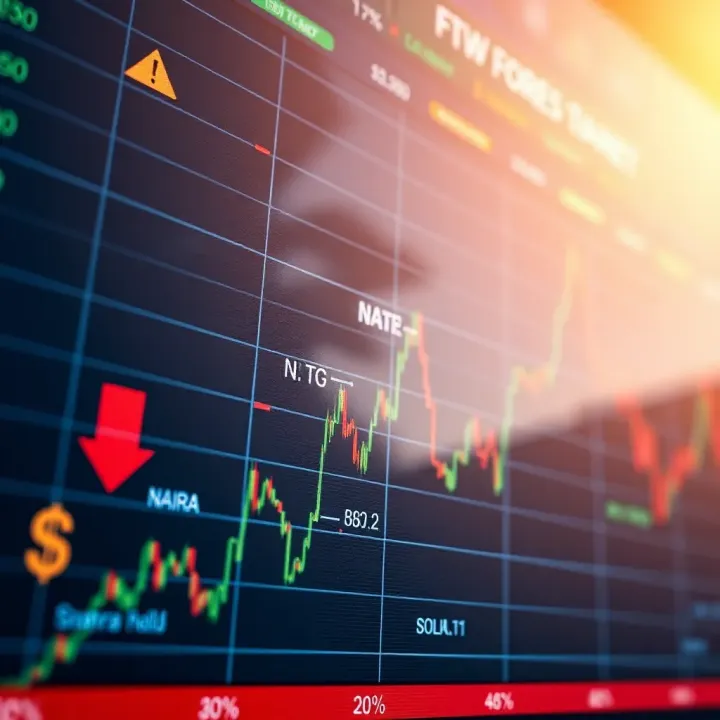
Learn how to earn from forex trading in Nigeria 🇳🇬 with practical steps: picking brokers, strategies, risk management, and top fintech tools to boost your ₦income 📈
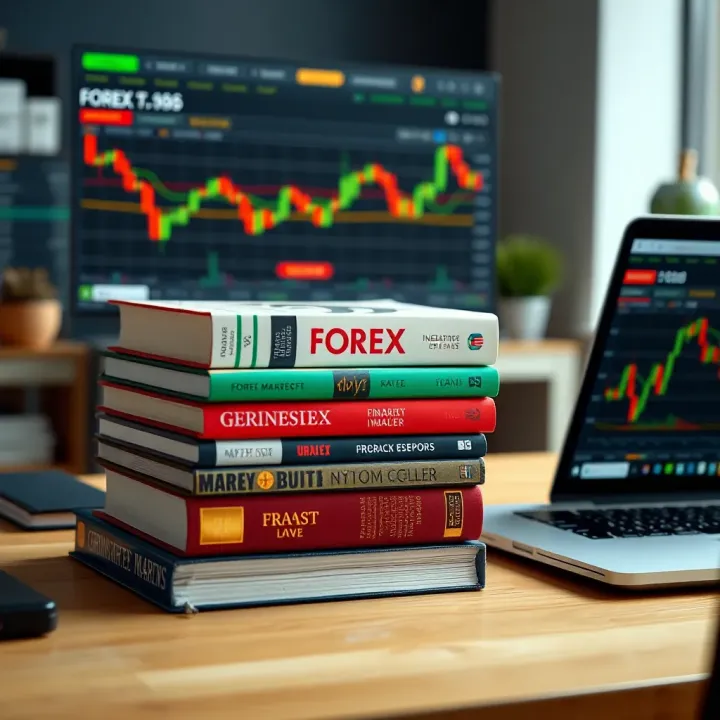
📚 Discover top forex trading books for Nigerian investors eager to master strategies, risk management & market insights tailored to Nigeria’s economic landscape. 🇳🇬
Based on 7 reviews