

How to Start Forex Trading in Nigeria: A Beginner’s Guide
📈 Ready to trade forex in Nigeria? Learn how to pick brokers, set up accounts, manage risk, and avoid common mistakes. Build your trading skills today! ₦
Edited By
Sophia Reynolds
Forex trading attracts many Nigerians looking to make quick returns, but it demands a clear understanding from the start. Jumping in without knowing the basics is like riding an okada blindfolded—you might get where you want, but you risk serious crashes. This section lays the groundwork, helping beginners set off on forex trading the right way.
Forex, short for foreign exchange, involves buying and selling currencies to profit from price changes. For example, you might buy US dollars (USD) with Nigerian Naira (₦), hoping the dollar strengthens against the naira, then sell it back at a higher rate. Unlike stocks or property, forex trading runs 24/5 globally, offering flexibility but also exposing you to fast market swings.
In Nigeria, forex trading is attractive due to:
High liquidity: The forex market moves trillions daily, so there’s usually a buyer or seller anytime.
Low barrier to entry: You can start with as little as ₦10,000 on local or international platforms.
Accessible platforms: Apps like Oanda, MT4, or local fintechs make trading easy from your phone.
Potential for good returns: With the naira’s volatility, forex offers chances for profit if managed properly.
Before diving in, remember:
Educate yourself: Understand terms like pips, leverage, and spreads, and try demo accounts first.
Choose the right broker: Pick brokers regulated by the Securities and Exchange Commission (SEC) Nigeria or reputable global ones with good reviews.
Watch out for scams: Nigeria has seen many forex fraud cases; verify brokers’ credentials thoroughly.
Understand risks: Forex is high-risk and can lead to losses—never risk money you can’t afford to lose.
Starting forex trading without proper preparation is like navigating Lagos traffic without a map—you might reach your destination, but the journey will be rough. Equip yourself with knowledge and caution.
Next, we will explore how to set up your trading account and select the best broker fit for Nigerian traders.
Grasping the basics of forex trading is the bedrock for any beginner aiming to succeed in the foreign exchange market. Without understanding fundamental concepts like currency pairs, market hours, and key terminology, traders risk making costly mistakes or falling into scams. For Nigerians, familiarising yourself with these elements helps you navigate the specific challenges of the market, such as naira volatility and variable liquidity.
Forex trading always involves buying one currency while simultaneously selling another. These are quoted in pairs, like USD/NGN (US Dollar/Nigerian Naira) or EUR/USD (Euro/US Dollar). The first currency is the base, and the second is the quote. When you buy a pair, you expect the base currency to strengthen against the quote currency. For example, if you think the US dollar will gain value against the naira, you buy USD/NGN. If the rate moves from ₦470 to ₦480 per dollar, you've made a profit.
The forex market operates 24 hours a day but with varying intensity depending on geographical market sessions — London, New York, Tokyo, etc. For Nigerian traders, this means you can trade almost any time, but liquidity peaks when major centres overlap, such as between London and New York sessions. High liquidity results in tighter spreads and faster executions. Conversely, trading during off-peak hours might mean higher costs and slippage.
Profits in forex trading come from accurately predicting exchange rate changes between currency pairs. If you buy USD/NGN at ₦470 and sell at ₦480, the difference (₦10 per dollar) is your gain. Traders can go ‘long’ (buy) if they expect currencies to appreciate or ‘short’ (sell) if they expect depreciation. However, wrong predictions lead to losses, so managing risk is key.
A pip is the smallest price movement in forex, usually 0.0001 for most currencies — this helps measure profit or loss. A lot is the trade size; a standard lot equals 100,000 units of the base currency, but many brokers allow mini or micro lots suitable for smaller capital. Leverage means trading with borrowed funds, allowing you to control a larger position than your deposit (margin). For instance, 100:1 leverage lets you trade ₦100,000 with ₦1,000 margin. While leverage can amplify profits, it also raises risk.
The spread is the difference between the buying (bid) and selling (ask) price quoted by brokers. Lower spreads reduce your cost per trade—important for beginners on tight budgets. Slippage occurs when trades execute at prices different from the intended due to market volatility or delays. In Nigeria, internet speed and market liquidity can affect slippage.
A bullish market means prices are generally rising, encouraging buying, while a bearish market signals falling prices, prompting selling. Recognising these trends helps traders decide when to enter or exit positions. For example, if the USD/NGN is consistently increasing, traders call it bullish and might ride the uptrend for gains.
Understanding these foundations equips Nigerian traders to make informed decisions, avoid common pitfalls, and navigate the forex market with greater confidence.
Starting forex trading requires more than just understanding the market. Setting up the right foundation in Nigeria is crucial. This ensures you trade safely, access favourable conditions, and avoid common pitfalls. The process begins with choosing a suitable broker and ends with funding your trading account properly.
Regulation protects traders from fraud and malpractice. In Nigeria, the Securities and Exchange Commission (SEC) oversees forex brokers to ensure they comply with local laws. Choosing a broker licensed by the SEC offers some assurance of legitimacy and safeguards your funds. While some brokers operate internationally without Nigerian licences, trading with an unregulated broker increases your risk of losing funds without recourse.
Local brokers understand the Nigerian market better, including currency restrictions and payment gateways. They may offer deposit and withdrawal methods tailored for Nigerians, such as direct bank transfers or mobile money options. International brokers often provide broader market access and more advanced trading tools but sometimes face regulatory limitations regarding naira transactions. Balancing the benefits and limits of either option matters for your trading comfort and reliability.
Not all brokers are the same when it comes to costs. Some charge fixed spreads, while others offer variable spreads depending on volatility. Nigerian traders should compare these fees closely because tight spreads mean lower trading costs. Also, brokers differ in platform quality—MetaTrader 4 and MetaTrader 5 remain popular, but local brokers sometimes offer proprietary platforms friendly to Nigerian users. Consider demo testing platforms to understand their ease of use before committing.
Forex brokers need to verify your identity to comply with Anti-Money Laundering (AML) rules. Expect to provide a valid government-issued ID like your National Identification Number (NIN) card or international passport, proof of address (utility bill or bank statement), and sometimes a recent passport-sized photograph. Verification protects both you and the broker from fraud and delays in withdrawals.
Funding your account should be straightforward and cost-effective. Many Nigerian brokers accept bank transfers through platforms like Guaranty Trust Bank or Access Bank. Others support payment via USSD codes or digital wallets such as OPay, PalmPay, and Paystack. Withdrawal methods might vary but typically follow the same channels. Look out for brokers with fast processing times and low transaction fees, as delays and high charges affect trading flexibility.
Most brokers offer multiple account types including standard, mini, and micro accounts. Beginners often benefit from micro accounts that require low minimum deposits, helping you learn without risking too much of your capital. When paired with demo accounts, you can practise trading strategies safely. In terms of platforms, MetaTrader 4 (MT4) is preferred for its user-friendliness and widespread support, while MetaTrader 5 (MT5) offers more advanced features. Some brokers provide mobile apps tailored for Nigerian traders, which is handy given the high rate of mobile internet usage.
Setting up your forex trading properly provides a safety net against scams and unexpected costs. Choosing a licensed broker and funding your account securely can make all the difference between a smooth start and costly mistakes.
In summary, focus on brokers registered with SEC Nigeria or reputable international firms with strong local support, compare their fees thoughtfully, and choose deposit methods that are quick and affordable. Opening the right account type and understanding platform options will help you trade smarter from day one.
Planning your trading strategy is essential for consistency and success in forex trading, especially for beginners in Nigeria. Without a clear strategy, trades become guesses, increasing the risk of losses. A practical plan helps you decide when to enter or exit trades, manage risks, and adapt to the market’s ups and downs. For example, if you spot naira volatility during economic announcements, a solid strategy guides how you respond instead of making impulsive moves.
Fundamental analysis involves studying economic indicators, news events, and government policies that affect currency values. In Nigeria, keeping an eye on CBN policies, inflation rates, and trade balances can help predict naira’s performance against other currencies. For instance, if the CBN raises interest rates, it might strengthen the naira, impacting forex positions. Understanding these factors equips you to anticipate broad market moves rather than just price charts.
Technical analysis focuses on price patterns, charts, and trading volumes to forecast future movements. It uses tools like support and resistance levels, trend lines, and candlestick patterns. For instance, you might notice the USD/NGN pair forming a support level around a certain price—meaning it’s less likely to fall below that point soon. Regularly reading charts allows traders to make informed decisions based on historical price behavior, which is especially handy when news is scarce or unclear.
Demo accounts are risk-free platforms allowing beginners to trade currencies with virtual money. This hands-on practice lets you test your strategies, learn how to place orders, and understand market mechanics without risking ₦. For example, before committing real funds, practising with a demo account on platforms like MetaTrader or proprietary brokers’ apps helps build confidence and sharpen skills. Many Nigerian brokers offer demo accounts tailored for local traders.
A stop-loss order automatically closes a trade when the price moves against you to limit losses. Conversely, a take-profit order locks in gains once your target price is reached. For example, if you buy EUR/USD at 1.1000 expecting it to rise, setting a stop-loss at 1.0950 caps your loss at 50 pips if the market reverses. These tools keep emotions in check and protect your capital from sudden swings, crucial in Nigeria’s volatile forex environment.
Determining the right trade size according to your account balance helps prevent big losses. Proper position sizing means risking only a small portion of your capital on each trade, commonly 1-2%. Leverage magnifies your buying power but also your potential losses. Beginners in Nigeria should use low leverage (like 1:10 or less) to avoid blowing up accounts during volatile naira periods. For example, trading ₦50,000 with 1:10 leverage is safer than 1:100.
Emotions like fear and greed can make traders abandon their plans, leading to rash decisions and losses. Sticking to your strategy, following risk rules, and avoiding revenge trading are key behaviours. Keep a trading journal of your moves, reasons, and outcomes to track progress and learn from mistakes. A disciplined approach helps you survive losses and come back stronger, essential for navigating the often turbulent Nigerian forex scene.
Successful forex trading depends less on guessing winning trades and more on having a consistent, well-planned strategy that controls risk and emotion. Start simple, practise often, and adjust as you learn.
Navigating the unique challenges faced by forex traders in Nigeria is key to surviving and thriving in the market. Nigerian traders must contend with local economic quirks, infrastructural hurdles, and an environment rife with both opportunities and risks. Addressing these realities head-on helps you avoid costly mistakes and enhances your chance of consistent profits.
The naira's constant fluctuations affect forex trading more deeply than just exchange rates on paper. When the Central Bank of Nigeria (CBN) intervenes by adjusting official rates or introducing currency restrictions, liquidity on forex platforms can dry up or become unpredictable. Traders using Nigerian brokers often find deposit and withdrawal rates shifting daily, making it necessary to factor expected currency swings into your profit calculations. For example, a ₦100,000 deposit may only convert as expected on a short timeline; delays or policy changes can alter its actual value.
More so, when naira weakens on parallel markets while official rates differ, arbitrage opportunities arise but carry added risk. Beginners should watch these moves closely to avoid being caught on the wrong side of sudden value shifts.
Reliable power and internet access remain a hurdle for many Nigerian traders. Frequent outages, especially during ember months, can interrupt automated trades or prevent timely order placements. Using backup power sources like inverters or generators is common but comes with added costs, which eat into margins, especially for small-scale traders.
Internet disruptions due to poor network coverage or data issues can cause you to miss critical market moves or lead to slippage with orders. It's wise to have multiple internet options—such as a broadband connection plus data from MTN, Airtel, or Glo—so you can switch seamlessly when one fails. Planning trades during off-peak hours with less network congestion also helps.
Forex trading in Nigeria has attracted unscrupulous operators looking to exploit novices. Fake brokers promise fantastic returns with low capital but disappear at the slightest problem. Scams may involve refusing withdrawals, manipulating prices, or offering unauthorised trading signals.
To avoid falling victim, always verify broker licences, preferably those regulated by the Securities and Exchange Commission (SEC) Nigeria or internationally recognised bodies like the Financial Conduct Authority (FCA). Avoid brokers demanding large upfront fees or pushing aggressive promises. Joining trusted Nigerian trading forums or asking seasoned traders for broker recommendations can save you from costly pitfalls.
Vigilance against scams is not just advisable; it is essential in the Nigerian forex market.
New traders benefit significantly from structured learning. Centres like Forex Academy Nigeria or online platforms offering courses tailored to the Nigerian environment provide foundational knowledge on trading, risk management, and platform navigation. Besides, some brokers run free webinars addressing local market challenges.
Enrolling in such courses early can prevent trial-and-error losses and shorten your learning curve. Look for training that covers real-case scenarios relevant to the Nigerian naira and brokerage environment.
Social trading groups offer real-time insights, trade ideas, and a sense of community. Nigerian traders often use WhatsApp or Telegram groups to share news, signal alerts, and discuss market trends. While these groups can be valuable for networking, it's wise to approach trade signals with healthy scepticism.
Engage actively to learn from experienced members, but never risk large sums just because of group pressure. Many successful traders contribute valuable tips on managing Nigeria-specific challenges here.
Staying updated on economic policies, CBN announcements, and naira exchange rate movements is vital. Platforms like Nairametrics, BusinessDay, and the official SEC Nigeria website often provide timely reports and analysis.
Following these channels helps anticipate shifts impacting currency liquidity and broker operations. For instance, knowing about CBN's forex interventions before they happen allows you to adjust positions accordingly rather than react late.
By recognising and preparing for Nigeria-specific forex trading challenges, you make your trading journey more sustainable and less exposed to unexpected shocks. Use local resources, stay alert, and keep refining your approach for better results.
Starting live forex trading in Nigeria can be exciting yet challenging. This section highlights practical approaches to help beginners move from theory to actual trading while building strong habits and skills over time. Taking careful first steps and steadily improving your capabilities can protect your capital and sharpen your edge in a market known for its volatility.
Beginning with small capital is a safety net against heavy losses. For instance, instead of risking ₦100,000 right away, starting with ₦10,000 allows you to test your strategy without high stakes. Many Nigerian brokers and platforms like OPay and Kuda enable account opening with low minimum deposits, making this accessible.
Leverage multiplies both gains and losses. Starting with low leverage, such as 1:10 or 1:20, helps control risk, especially when market swings hit hard due to naira volatility or global news. It’s tempting to go higher at first, but restraint preserves capital while you learn the ropes.
A trading journal is more than a record; it’s a learning tool. Writing down each trade’s entry, exit, reason, and outcome helps identify patterns of success or failure. For example, noting how news events affected your trade improves your anticipation next time.
Many Nigerian traders have found that reviewing their journals weekly reveals bad habits like overtrading after losses or chasing profit. Keeping this discipline separates casual dabblers from serious traders gradually making profits.
Forex markets never stay the same. Staying updated through Nigerian forex news portals and webinars is crucial. Also, reviewing past trades regularly helps refine your market reading skills. For example, revisiting a losing trade weeks later might uncover overlooked signals or emotional mistakes.
Combining ongoing education with practical review encourages steady growth. Platforms like MTN Business Academy or local forex training centres offer courses you can use to deepen your knowledge while practising.
Scaling up comes after demonstrating stable profitability over time, not chasing quick wins. Maintaining a positive track record on small trades for several months signals readiness.
For instance, if you consistently make 5–10% monthly profits on small capital without major drawdowns, you can consider increasing your trade size gradually. This approach strengthens confidence without exposing you to ruinous risks.
After mastering basics, exploring instruments like currency futures, options, or carry trades can diversify your portfolio. Advanced strategies such as hedging or swing trading provide greater flexibility.
Nigerian traders looking to expand should also experiment with technical indicators like Fibonacci retracements or Ichimoku clouds to add precision. Of course, these require careful study and demo practice before live use.
Forex trading shouldn’t be your sole income source at the start. Many Nigerians combine trading with salaried jobs or side hustles like barbing or online sales.
This balance eases financial pressure and prevents emotional decision-making caused by trading with money you can’t afford to lose. Over time, as your trading skills mature, you may shift more focus to forex, but starting with diversification is wise.
Taking live trading seriously involves discipline, patience, and continuous learning. Starting small, journalling every trade, and slowly scaling up keeps your journey sustainable and increases chances of success in Nigeria’s dynamic forex market.
📈 Ready to trade forex in Nigeria? Learn how to pick brokers, set up accounts, manage risk, and avoid common mistakes. Build your trading skills today! ₦
📈 Ready to start forex trading in Nigeria? Learn how to pick brokers, open accounts, understand key terms, apply winning strategies, and manage risks with confidence.
Master forex trading in Nigeria with this detailed guide 📈 Learn market basics, key players, strategies, risk management plus tips to earn ₦ safely.
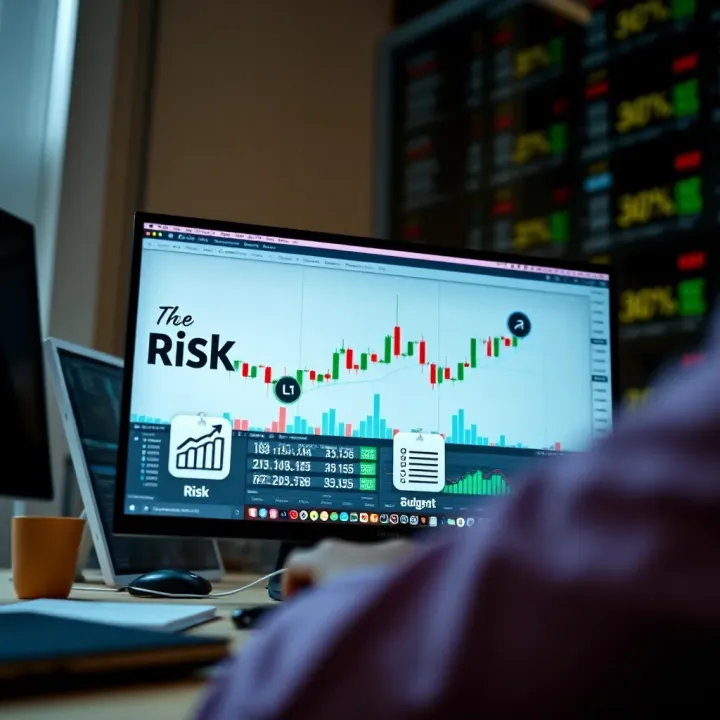
Wondering how much to start forex trading in Nigeria? 💹 Learn the minimum capital needed, how to pick brokers, manage risks, and budget smartly for success.
Based on 8 reviews