
Is Forex Trading Legal in Nigeria? Regulations and Risks
Is forex trading legal in Nigeria? 📈 Learn about the CBN rules, risks to watch, and how to trade safely and smartly in the Nigerian market today 🇳🇬
Edited By
Oliver Bentley
Forex trading has increasingly attracted Nigerians looking to multiply their money from the comfort of their homes. With smartphone internet penetration spreading fast, more Nigerians are signing up on various online trading platforms. But this surge often comes with questions around the legality and safety of forex trading in Nigeria.
The truth is, forex trading itself is not banned in Nigeria. Nigerians can legally participate in forex trading, provided they use platforms that comply with Nigerian regulations. The confusion usually arises because of illegal brokers and fraudsters who exploit people's keen interest.
The Central Bank of Nigeria (CBN) regulates financial activities involving foreign exchange and has taken measures to restrict unauthorised forex dealings through informal channels. This includes tackling unregulated operators and warning the public against engaging with them. Yet the CBN does not outlaw trading forex on licensed platforms.
"The key is to distinguish between licensed forex brokers regulated by recognised authorities and unlicensed operators that may rip off unsuspecting traders."
To stay within the law and protect your money, you should only trade on platforms authorised by Nigeria’s Securities and Exchange Commission (SEC) or registered with reliable foreign regulators such as the UK’s Financial Conduct Authority (FCA). Using registered brokers means your trading activities follow regulatory standards with better transparency and security.
Furthermore, the Nigerian government encourages financial literacy and awareness to help traders avoid scams popular in many corners of the forex market. Awareness programmes by SEC and CBN aim to curb fake claims of guaranteed profits and ensure people understand trading risks.
Understanding this regulatory framework will help you make informed decisions about trading forex and guard your ₦ investments effectively. The next sections will explain how to spot legal platforms, regulatory requirements, and practical tips for compliant trading in Nigeria.
Forex trading plays a notable role in Nigeria's financial landscape due to its accessibility and potential for profit. This section provides a foundation for understanding forex trading's relevance in Nigeria, especially amid concerns about its legal status and regulation. Knowing the basics helps investors distinguish between legitimate opportunities and risks, particularly in a market where scams sometimes surface.
Forex trading, or foreign exchange trading, involves buying and selling currencies to make a profit from exchange rate fluctuations. For Nigerians, it means trading pairs like USD/NGN or EUR/USD with the hope that one currency gains value against the other. Essentially, traders predict currency movements to capitalise on small price differences, often using online platforms accessible via smartphones or laptops.
This swift currency exchange process lets traders enter and exit the market frequently, sometimes within minutes, which differs from traditional investment in stocks or real estate. The accessibility and 24-hour nature of forex markets appeal greatly to Nigerian youths and working professionals seeking extra income beyond their regular jobs.
Forex attracts Nigerian traders mainly because it requires relatively low starting capital compared to other investments like property. Many Nigerian youths find the digital nature of forex trading appealing since it doesn't need physical presence or large funds. Plus, the ability to trade from anywhere reduces barriers like transportation or location reliance common with informal businesses like okada or mama put ventures.
Another pull factor is the flexibility. Traders can engage during off-work hours, particularly important amid Nigeria’s unstable power supply and erratic working conditions. Additionally, forex trading offers a way to access foreign currencies, which have strong value compared to the naira, thus opening a window to global financial markets.
In Nigeria, the US dollar (USD) remains the most traded currency, often paired with the Nigerian naira (₦) as USD/NGN. This pair reflects Nigeria’s heavy reliance on dollars for imports and foreign investment. Other popular pairs include EUR/USD, GBP/USD due to international trade links, and USD/CAD reflecting Nigeria’s connection with global economies.
Investors also watch commodity-linked currencies like the Canadian dollar (CAD) or Australian dollar (AUD) because Nigeria’s economy shares similar traits regarding resource exports. These pairs sometimes present lucrative opportunities tied to global commodity price shifts.
Before tighter oversight, forex trading flourished informally in Nigeria through personal networks, local dealers, and unregulated websites. Many traders used foreign platforms without thorough checks, exposing them to risks from scams and poor market practices. As the market grew during the early 2010s, authorities observed increased complaints about fraud and irregularities.
The informal nature made it hard for regulators to monitor activities or protect traders. Moreover, lack of clear rules meant some brokers operated without licences, deepening mistrust among investors. In some cases, unsuspecting Nigerians lost ₦millions to fake brokers promising guaranteed returns.
The Central Bank of Nigeria (CBN) began issuing formal statements on forex trading around 2015, warning against unlicensed brokers and confirming that while forex trading itself is not banned, only platforms regulated by Nigerian authorities are allowed to operate. The CBN clarified that foreign exchange must flow through approved channels to safeguard the naira’s stability.
The Securities and Exchange Commission (SEC) also took steps to licence and monitor forex brokers, ensuring more transparency and investor protection. Recent CBN directives restrict unauthorized foreign exchange dealings, aiming to reduce naira depreciation caused partly by speculative forex trading. These moves reflect a growing focus on formalising the market while preventing fraudulent schemes.
Understanding this regulatory history is vital: it shows that forex trading in Nigeria is not outlawed but controlled carefully to balance opportunities and risks in the economy.
Understanding the current legal status of forex trading in Nigeria is vital for anyone interested in this market. It clears up confusion, offers guidance on what practices are lawful, and helps traders avoid penalties or scams. With so many online platforms claiming to offer forex services, knowing the regulations informs better decisions and promotes safer investments.
Contrary to some rumours, forex trading is not outright banned in Nigeria. People often hear about restrictions and misunderstand them as a ban. The truth is that Nigerian law allows forex trading but within a regulated framework designed to protect investors and the economy. This means engaging in forex activities without proper licensing or approval may be illegal, but the act of trading forex itself is permitted.
Specifically, the Central Bank of Nigeria (CBN) has set rules about how forex trading should be carried out, particularly to maintain currency stability. For instance, Nigerians are encouraged to use licensed platforms and authorised dealers for foreign exchange transactions. Traders often deal with popular pairs like USD/NGN on legitimate platforms that adhere to these guidelines. This approach helps contain risks like naira depreciation caused by uncontrolled speculations.
The CBN leads the monitoring and regulation of forex activities. It issues warnings against illegal forex schemes and provides official guidelines on forex transactions, emphasising the use of licensed institutions to protect the market’s integrity. For example, in 2021, the CBN reiterated that Nigerians should transact forex through authorised dealers, discouraging operations by unregistered brokers whose activities could destabilise the foreign exchange market.
The Securities and Exchange Commission (SEC) plays a complementary role by licensing brokers and investment firms that operate in the forex market. Checking if a platform is SEC-registered is a practical step before investing significant funds. SEC-regulated brokers must meet transparency standards, showing clear terms of trade and providing investor protection measures. This licensing process also ensures that operators submit to oversight and comply with Nigeria's investment laws.
When firms operate without proper CBN or SEC approval, enforcement actions follow swiftly. Authorities have severally cracked down on fraudulent forex operators, freezing assets and prosecuting offenders to protect investors. These enforcement efforts demonstrate that while forex trading itself is allowed, the government is serious about shutting down scams and unlawful platforms.
Always verify a forex company's regulatory status with official bodies before engaging. This simple act can save you from losses linked to unregulated operators.
Knowing these regulations offers traders a clear pathway: trade forex with licensed providers, stay within compliance, and avoid pitfalls tied to illegal brokers. This framework helps both individual investors and the wider Nigerian economy remain protected and stable.
Given the surge in interest around forex trading in Nigeria, knowing how to identify legal platforms is crucial for any serious trader. Many Nigerians are drawn to forex for its profit potential, but falling into the trap of unregulated firms can quickly turn gains into losses. Recognising legitimate brokers helps protect your funds, ensures fair trading conditions, and keeps you on the right side of Nigerian regulations.
One primary marker of a lawful forex broker in Nigeria is having proper licences from the Central Bank of Nigeria (CBN) or the Securities and Exchange Commission (SEC). The CBN regulates banks and other financial institutions, while the SEC oversees capital market participants including forex brokers. You can usually verify a broker’s licence status directly on the official CBN or SEC websites, where published registries list authorised operators.
Having a valid licence means the broker must comply with rules on capital adequacy, customer fund segregation, and transparent operations. This safeguards traders from fraud or sudden closure without compensation. For example, a broker licensed by the SEC tends to follow strict audit and reporting standards, giving Nigerian investors more confidence compared to unlicensed entities.
Transparency and clarity in trading terms are just as important as licensing. Licensed brokers clearly disclose how their spreads, commissions, and leverage work. They provide accessible customer support and regular statements of your account activity. Before committing, check whether the broker openly shares their physical office location and regulatory details — vague or hiding such information is a red flag.
Many fraudulent schemes lure traders with promises of quick, enormous returns but use shady tactics behind the scenes. These include refusing withdrawals, changing terms abruptly, or hiding fees. For instance, some illegal platforms use fake testimonials and manipulated profit charts to win trust.
Advertisements that guarantee daily profits or promise zero risk should be approached with suspicion. Genuine brokers caution about risks and never assure profits because forex markets are inherently volatile.
Online reviews can also reveal user experiences, but be wary of overly positive or suspiciously negative comments posted repeatedly on various sites. Scam platforms often create fake review profiles to boost credibility or damage competitors.
To protect yourself, always perform thorough due diligence before investing. This involves verifying regulatory status on official sites, demanding written contracts, testing withdrawal processes with small amounts, and seeking advice from experienced traders or financial professionals.
Always remember, staying informed and cautious will help you navigate the forex market safely while maximising your chances for success.
Navigating the forex market in Nigeria requires more than just enthusiasm; practical knowledge ensures your trading journey stays legal and productive. Understanding the risks and obligations involved protects your investments while aligning with Nigerian laws.
Choosing the right platform is a key step. Licensed brokers regulated by the Central Bank of Nigeria (CBN) or Securities and Exchange Commission (SEC) provide a safer trading environment. These brokers adhere to rules designed to protect traders from fraud and ensure transparency. For example, a registered broker will openly display their licence details, making it easy for you to verify their legitimacy rather than falling prey to unregulated operators promising unrealistic returns.
Nigeria’s foreign exchange market is tightly controlled to stabilise the naira. The CBN restricts how much foreign currency individuals can access and trade. Hence, it’s crucial to be aware of these limits and trade through approved channels. Attempting to bypass these rules, such as dealing with unlicensed forex exchanges or converting funds outside official frameworks, can lead to penalties or loss of funds.
Profits from forex trading are taxable in Nigeria. The Federal Inland Revenue Service (FIRS) requires individuals to declare such income under personal income tax. Ignoring tax obligations can cause issues during assessments or audits. Keeping proper records of trades, profits, and losses is necessary not only to meet legal duties but also helps in monitoring your trading performance effectively.
Forex markets are famously volatile, with prices swinging suddenly due to economic data or geopolitical events. Managing risks means setting clear limits on how much you’re willing to lose (stop-loss orders) and avoiding excessive leverage that can wipe out capital quickly. Nigerian traders should be particularly cautious during ember months when market unpredictability can increase sharply.
Before committing real money, deepening your trading knowledge is vital. Reputable sources such as training from recognised brokers, online courses from institutions like the Nigerian Stock Exchange, or seminars by forex experts provide practical insights. This reduces the chances of avoidable mistakes and builds confidence in interpreting market signals.
Demo accounts simulate real forex trading using virtual funds. This hands-on practice allows traders to familiarise themselves with platform tools, test strategies, and understand market behaviour without financial risk. For instance, Oanda and FXTM offer demo accounts popular among Nigerian traders to sharpen skills before engaging live.
Staying informed and diligent is the best way to trade forex safely in Nigeria. Use licensed platforms, respect foreign exchange controls, meet tax requirements, and always manage your risks through education and practice. This approach helps you avoid scams and increases your chances of success in forex trading.
Forex trading holds a noteworthy place in Nigeria's financial landscape. It offers both opportunities for growth and challenges that affect the broader economy. Understanding these impacts helps traders, investors, and policymakers make informed decisions.
Forex trading allows Nigerian investors to tap into currency markets worldwide, beyond the usual local investments. Instead of depending solely on the Nigerian stock exchange or real estate, traders can diversify by dealing in currencies like the US dollar, euro, or British pound. This access helps spread risk and can protect portfolios against local economic shocks, like sudden naira devaluation or inflation spikes.
For example, a Lagos-based trader who trades the USD/NGN pair gains exposure to foreign exchange movements that may not track the local stock market trends directly. This diversification can potentially offer more stable returns or hedge against local currency risks.
Many Nigerians look to forex trading as a way to supplement their income or support small businesses. Freelancers, market traders, or small companies can open forex accounts to profit from price swings, especially during unstable local currency periods.
In some cases, exporters use forex activities to manage currency exposure and protect profits earned abroad. Meanwhile, individuals supplement income, sometimes turning modest initial deposits into meaningful side earnings. This added cash flow can help with everyday expenses, school fees, or investing in other ventures.
Nigeria's forex market has its dark side. The sector attracts scam operators who promise exaggerated returns and lure unsuspecting traders with flashy adverts. These schemes often collapse, wiping out investors' funds and leaving reputations damaged.
Such fraudulent activities deter genuine investors, undermine confidence, and call for caution. Nigerian traders must always verify licences and avoid platforms that lack transparency or show unrealistic profit claims.
Heavy forex trading can sometimes affect Nigeria’s currency stability. When too many naira convert to foreign currencies for trading or speculation, it strains the Central Bank of Nigeria's (CBN) foreign reserves.
For instance, rapid capital outflows can worsen naira depreciation, making imports costlier and fueling inflation. This situation complicates monetary policy and can impact the average Nigerian's cost of living.
Given the risks, stronger oversight is critical. While CBN and SEC have made steps to regulate forex, enforcement gaps remain—allowing unlicensed operators to flourish.
A clearer, stricter regulatory framework would protect investors, reduce scams, and help stabilise the market. Better education campaigns and more accessible licensing information are also necessary to build trust and encourage responsible trading.
Forex trading is a double-edged sword in Nigeria. Its benefits are real but only if practiced within clear rules and with caution against the risks that come with unregulated markets.
Understanding these economic impacts helps Nigerians approach forex trading wisely while appreciating its place in the broader financial system.
Is forex trading legal in Nigeria? 📈 Learn about the CBN rules, risks to watch, and how to trade safely and smartly in the Nigerian market today 🇳🇬
📈 Ready to trade forex in Nigeria? Learn how to pick brokers, set up accounts, manage risk, and avoid common mistakes. Build your trading skills today! ₦
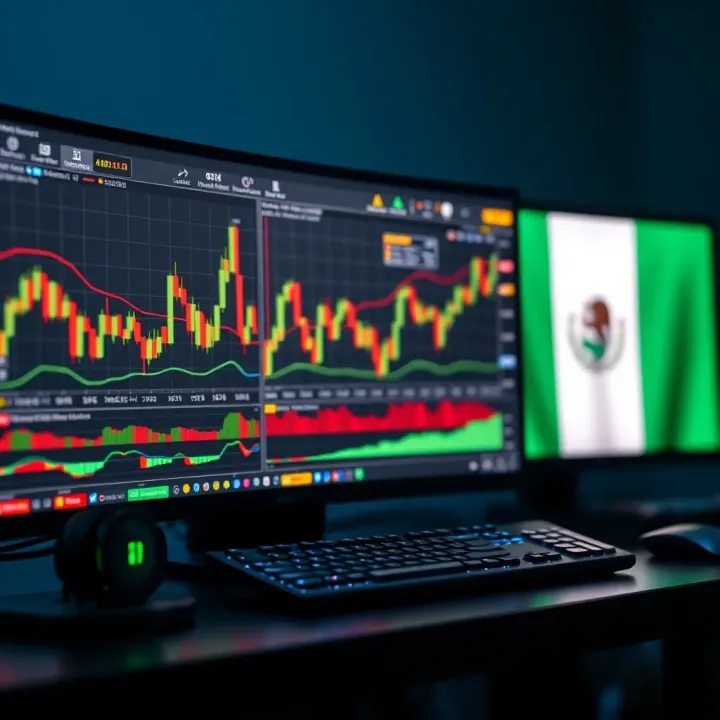
📈 Ready to start forex trading in Nigeria? Learn how to pick brokers, open accounts, understand key terms, apply winning strategies, and manage risks with confidence.
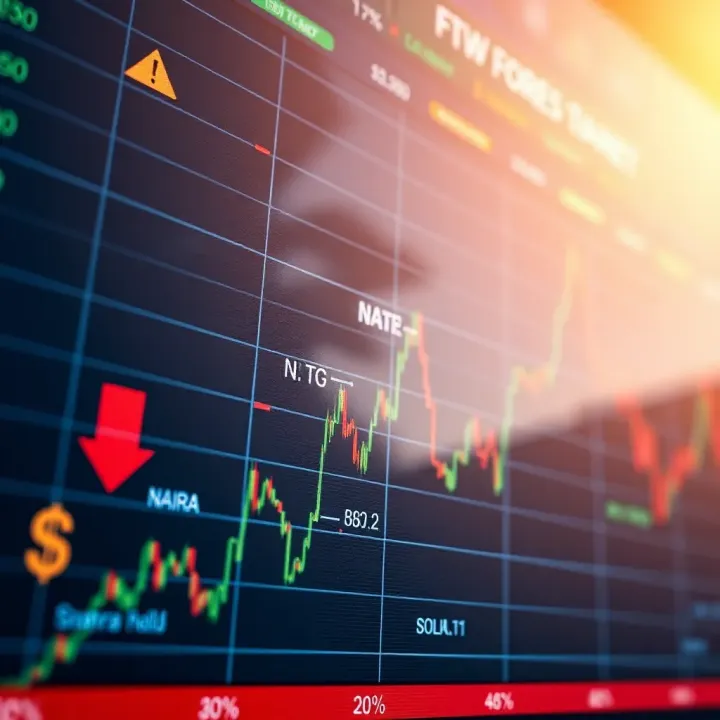
Learn how to earn from forex trading in Nigeria 🇳🇬 with practical steps: picking brokers, strategies, risk management, and top fintech tools to boost your ₦income 📈
Based on 11 reviews